

Field Notes
Home / Field Notes

Field Notes

Our field notes cover practical laser weeding topics for vegetable growers in South African conditions. They focus on row crops, timing, field preparation and what influences a useful contract booking.

How Laser Weeding Works

How Laser Weeding Works

A plain-language overview of camera-guided weed detection and lasers targeting weed growing points.

Why Weed Stage Matters

Why Weed Stage Matters

Why early weed size affects the suitability and timing of a laser weeding pass.

Crop Stage And Timing

Crop Stage And Timing

How crop development influences when a field should be considered for laser weeding.

Between Row Control

Between Row Control

What makes between-row laser weeding practical in straight vegetable plantings.

In Row Control

In Row Control

How in-row targeting differs from wider inter-row work in vegetable fields.

No Soil Disturbance Benefit

No Soil Disturbance Benefit

Why growers may value weed control that does not rely on in-row soil movement.

Herbicide Free Option

Herbicide Free Option

Where laser weeding fits as a non-spray option in vegetable weed management.

Row Visibility Basics

Row Visibility Basics

Why clear crop lines help camera-guided systems work through planted beds.

Bed Shape And Access

Bed Shape And Access

How bed form, shoulders and access lanes affect setup and movement through fields.

Field Speed Explained

Field Speed Explained

Why travel speed depends on weed pressure, crop layout and field conditions.

Weed Pressure Effects

Weed Pressure Effects

How heavier weed pressure can slow work and shape scheduling expectations.

Onion Field Considerations

Onion Field Considerations

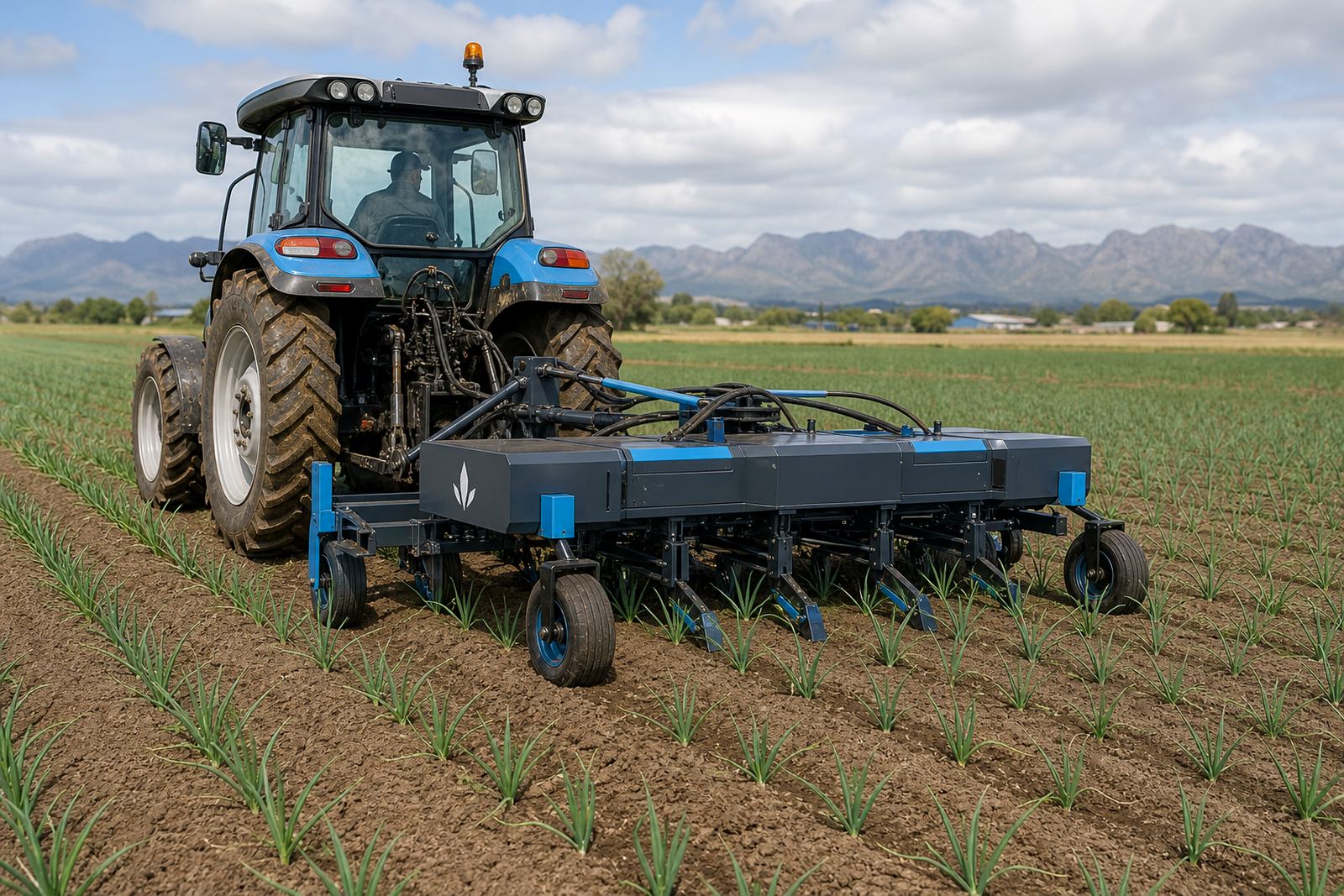
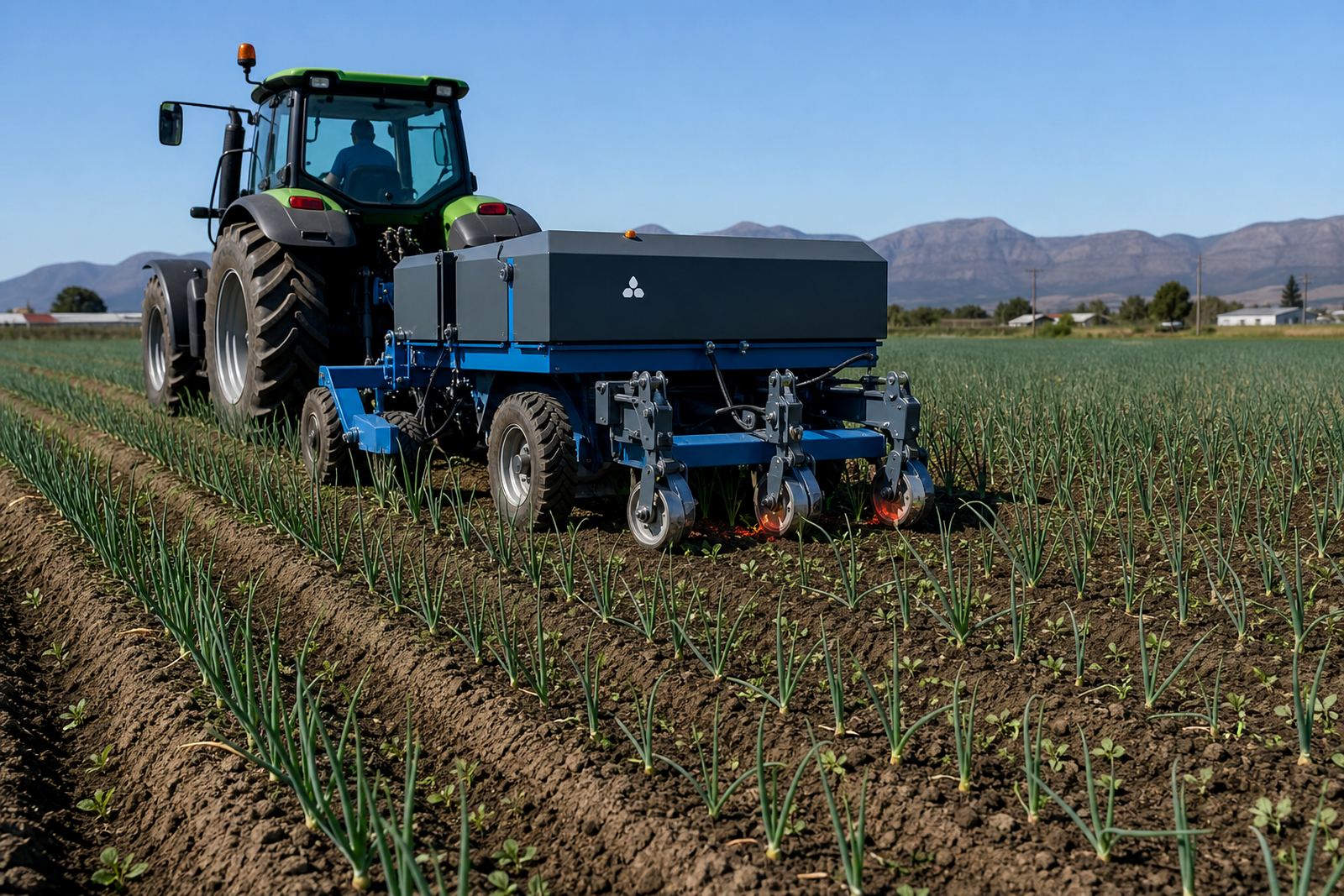
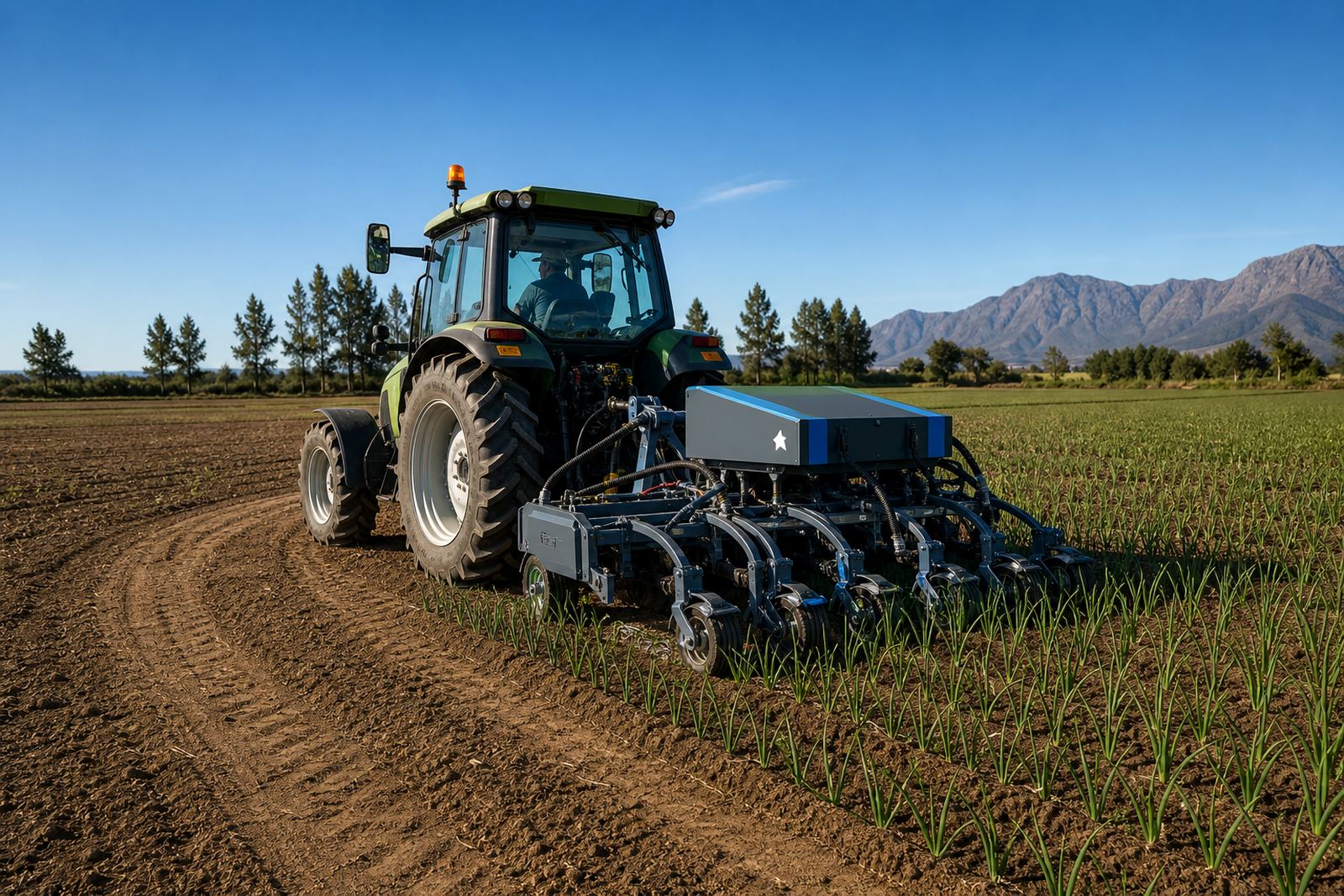
Field notes for growers assessing onions for contract laser weeding.

Carrot Field Considerations

Carrot Field Considerations

What carrot growers should look at before requesting a laser weeding assessment.

Lettuce Field Considerations

Lettuce Field Considerations

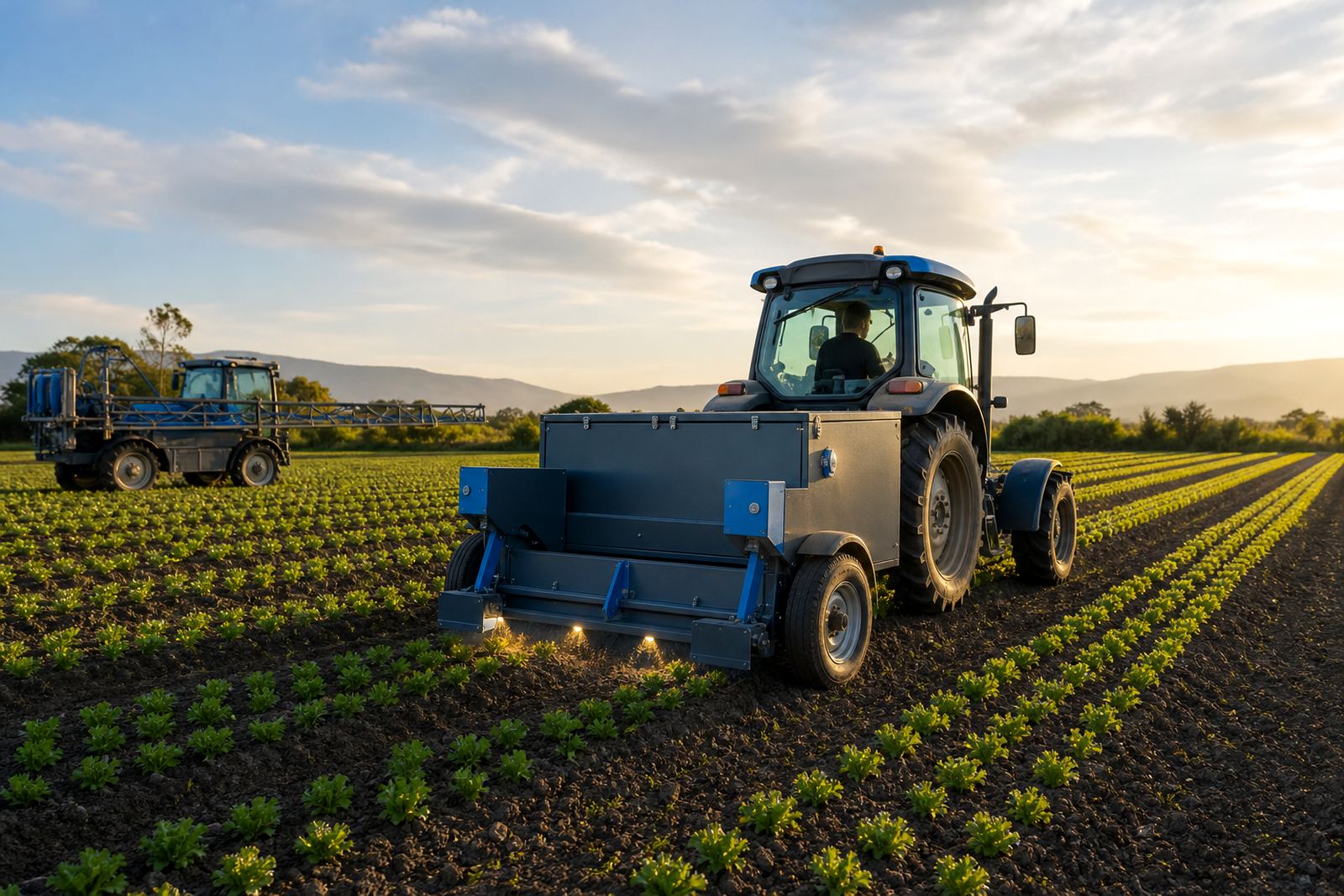
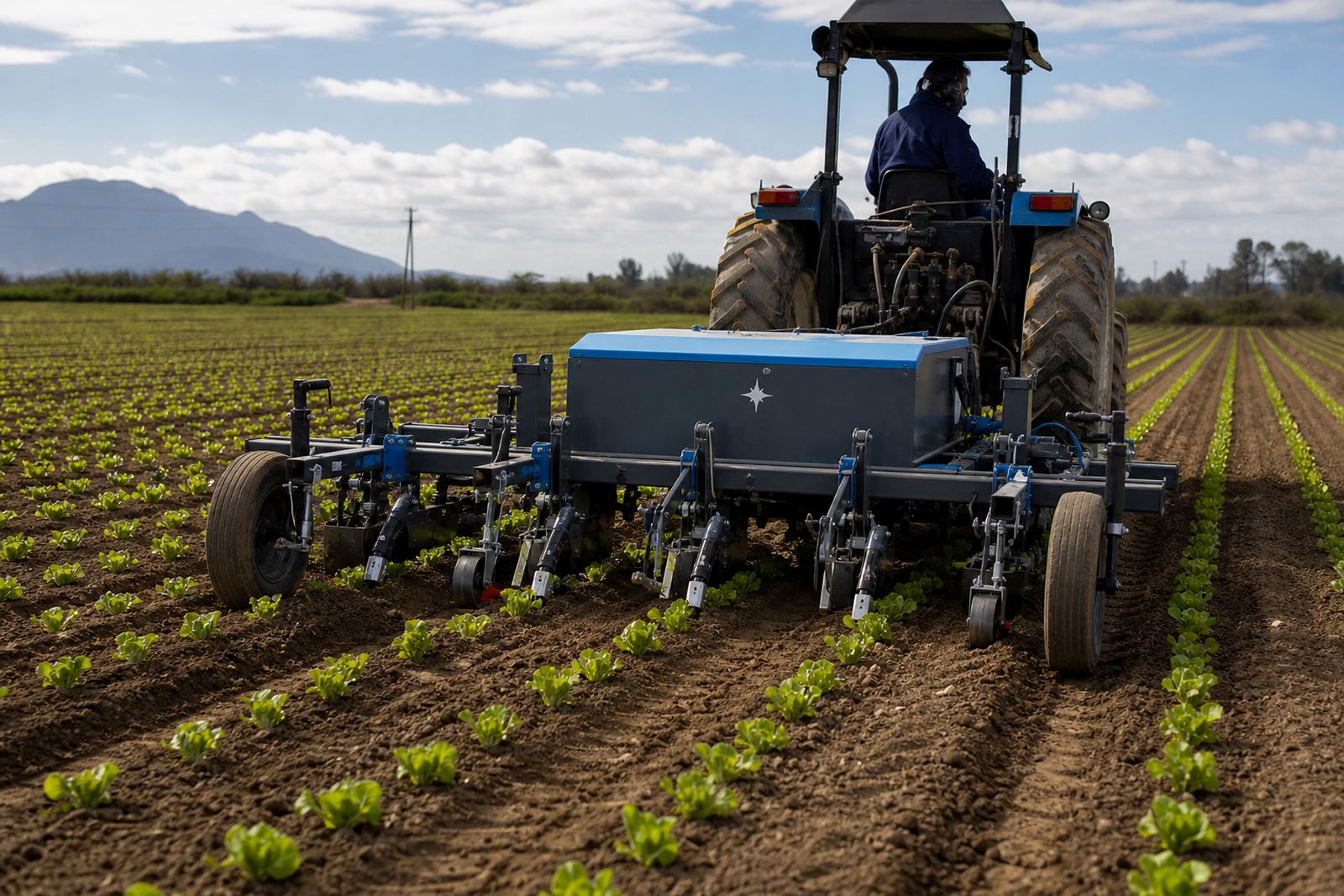
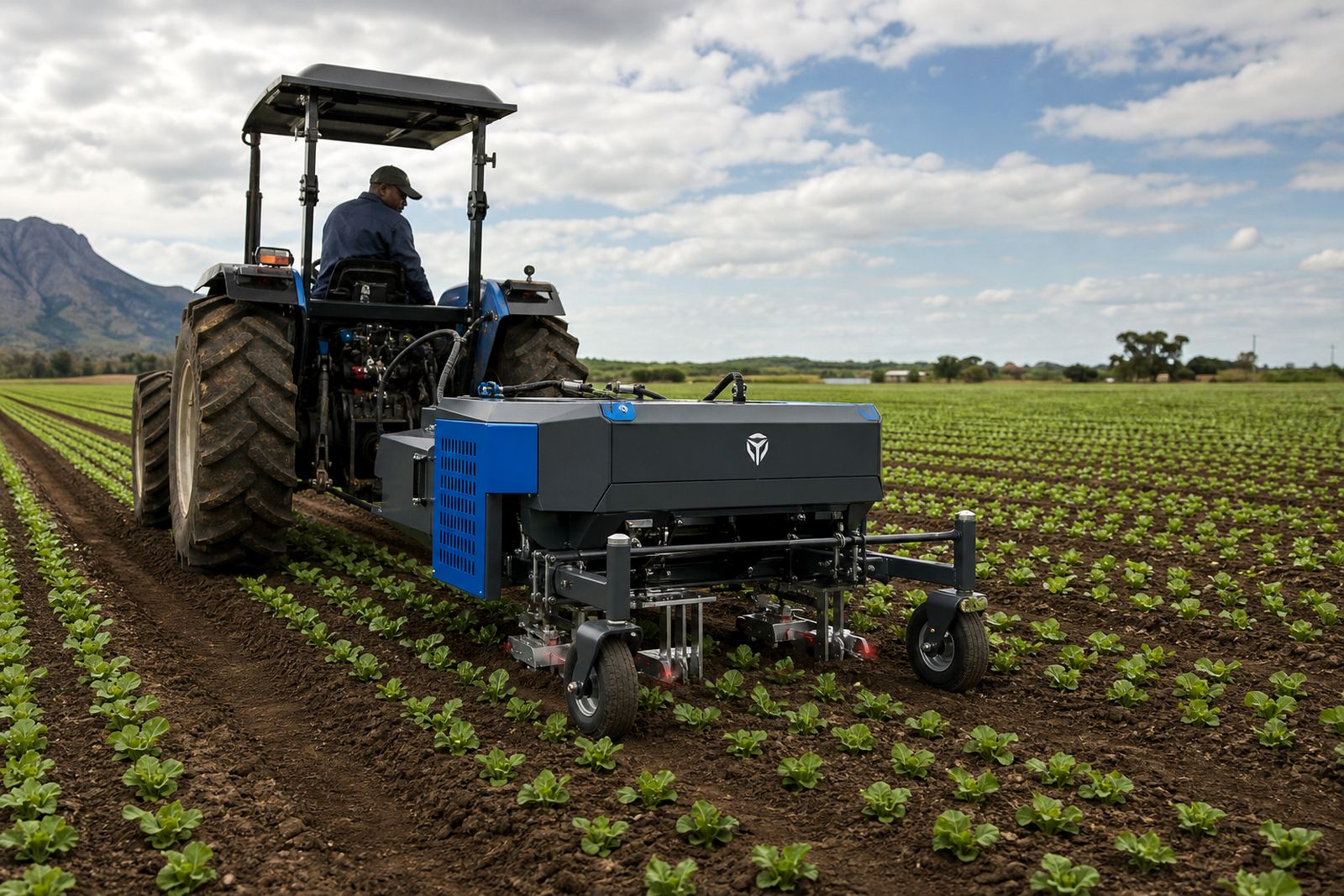
Practical points for lettuce rows, spacing and likely booking windows.

Brassica Field Considerations

Brassica Field Considerations

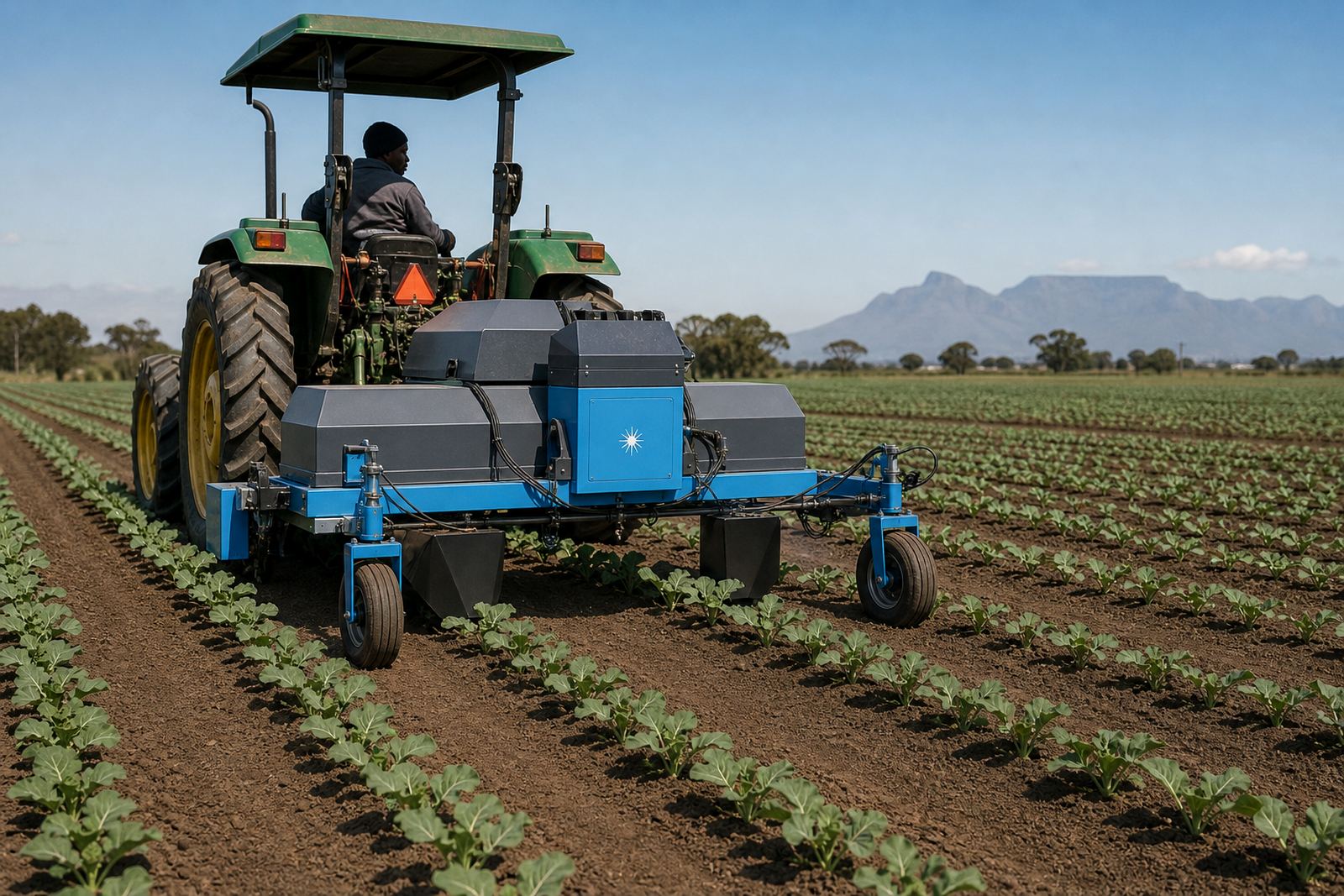
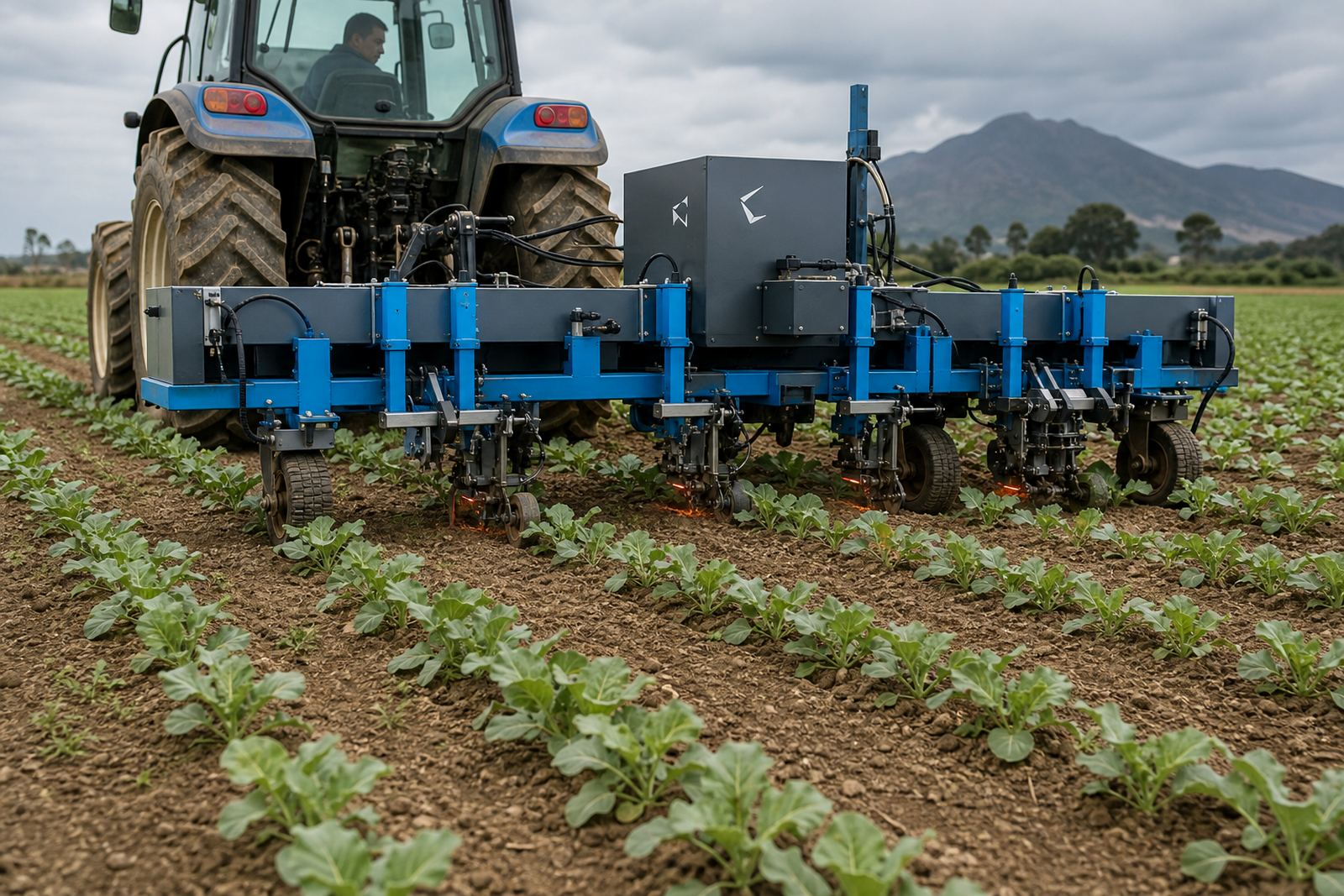
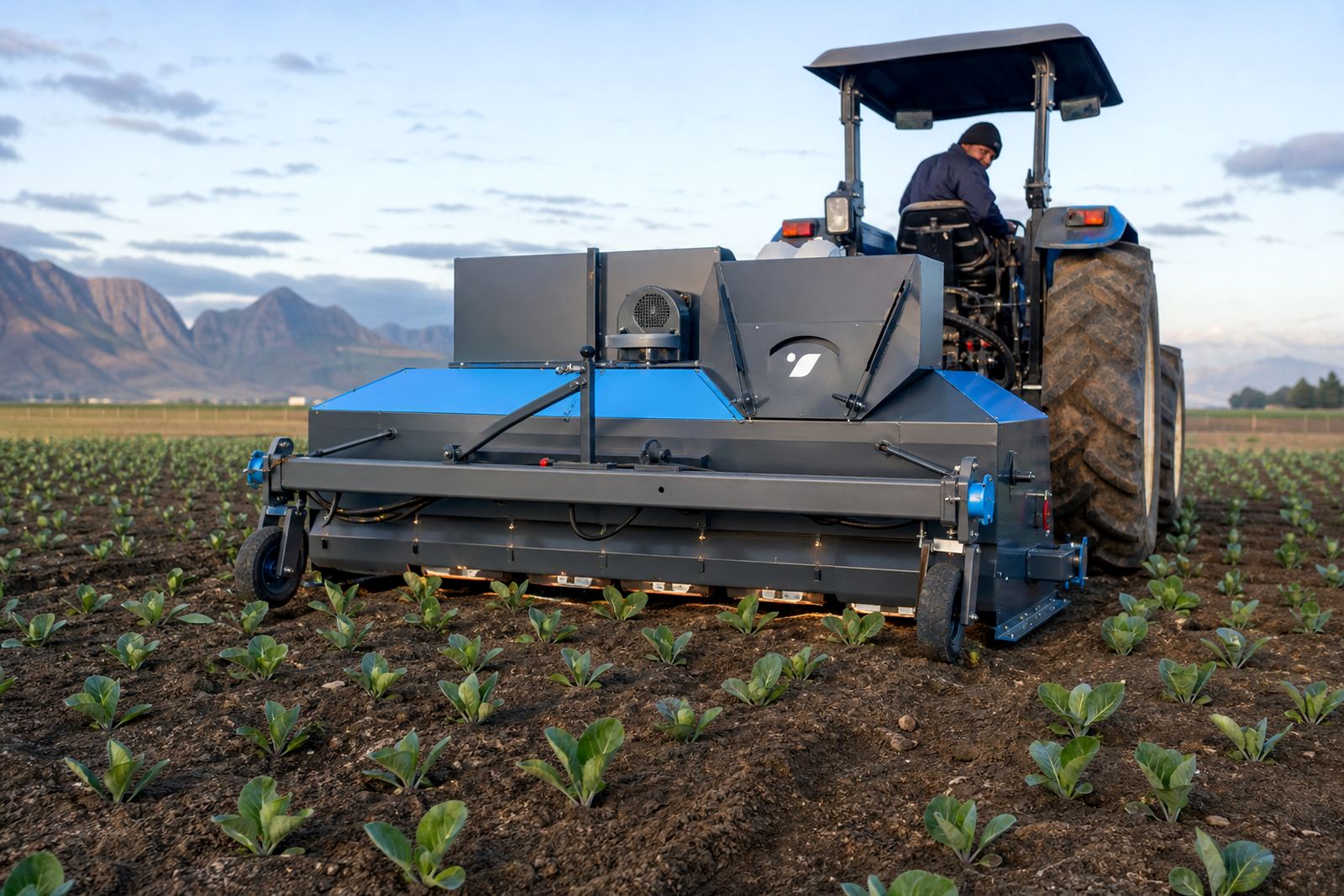
Planning notes for cabbage, broccoli and cauliflower blocks under laser weeding.

Direct Seeded Fields

Direct Seeded Fields

Why direct-seeded row crops often depend on row clarity and careful timing.

Transplanted Fields

Transplanted Fields

How transplant spacing can help define field suitability for laser passes.

Headland Space Needs

Headland Space Needs

Why turning room matters for tractor-drawn laser units on vegetable farms.

Tramlines And Guidance

Tramlines And Guidance

The value of steady wheel lanes and repeatable field movement.

Sandy Field Notes

Sandy Field Notes

What sandy vegetable soils may mean for ride quality and setup checks.

Loam Field Notes

Loam Field Notes

How level loam fields can support consistent travel and row tracking.

Irrigation Lines And Passes

Irrigation Lines And Passes

Why surface lines and fittings should be considered before field work begins.

Morning Or Afternoon

Morning Or Afternoon

How growers think about daily work windows when arranging a field visit.

Planning Repeat Passes

Planning Repeat Passes

Why some fields may need a later return depending on new weed flushes.

Small Block Bookings

Small Block Bookings

What makes compact fields workable or awkward for contract laser weeding.

Large Block Bookings

Large Block Bookings

How routing and pacing differ on larger commercial vegetable blocks.

Travel Planning SA

Travel Planning SA

How interprovincial scheduling works for growers outside the Western Cape.

What Growers Prepare

What Growers Prepare

Simple field preparation points before a contracted laser weeding visit.

Arrival Day Checklist

Arrival Day Checklist

A concise list of practical checks made when the team reaches the farm.

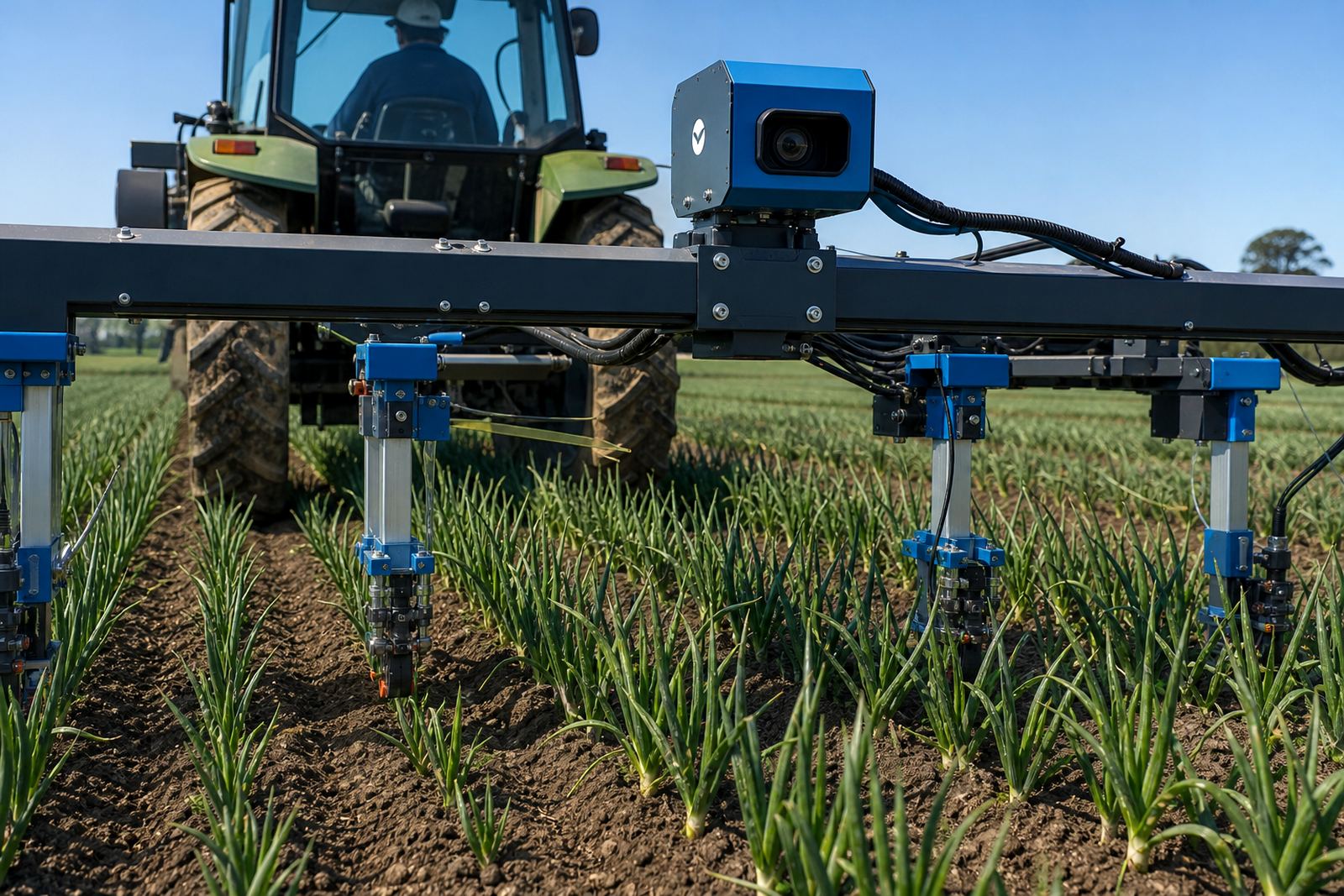
Camera Guided Detection

Camera Guided Detection

A closer look at how crop lines and weed positions are visually recognised.

Targeting Growing Points

Targeting Growing Points

Why the weed growing point matters in general laser weeding descriptions.

Why Straight Rows Help

Why Straight Rows Help

How straighter planting lines support setup and reliable pass planning.

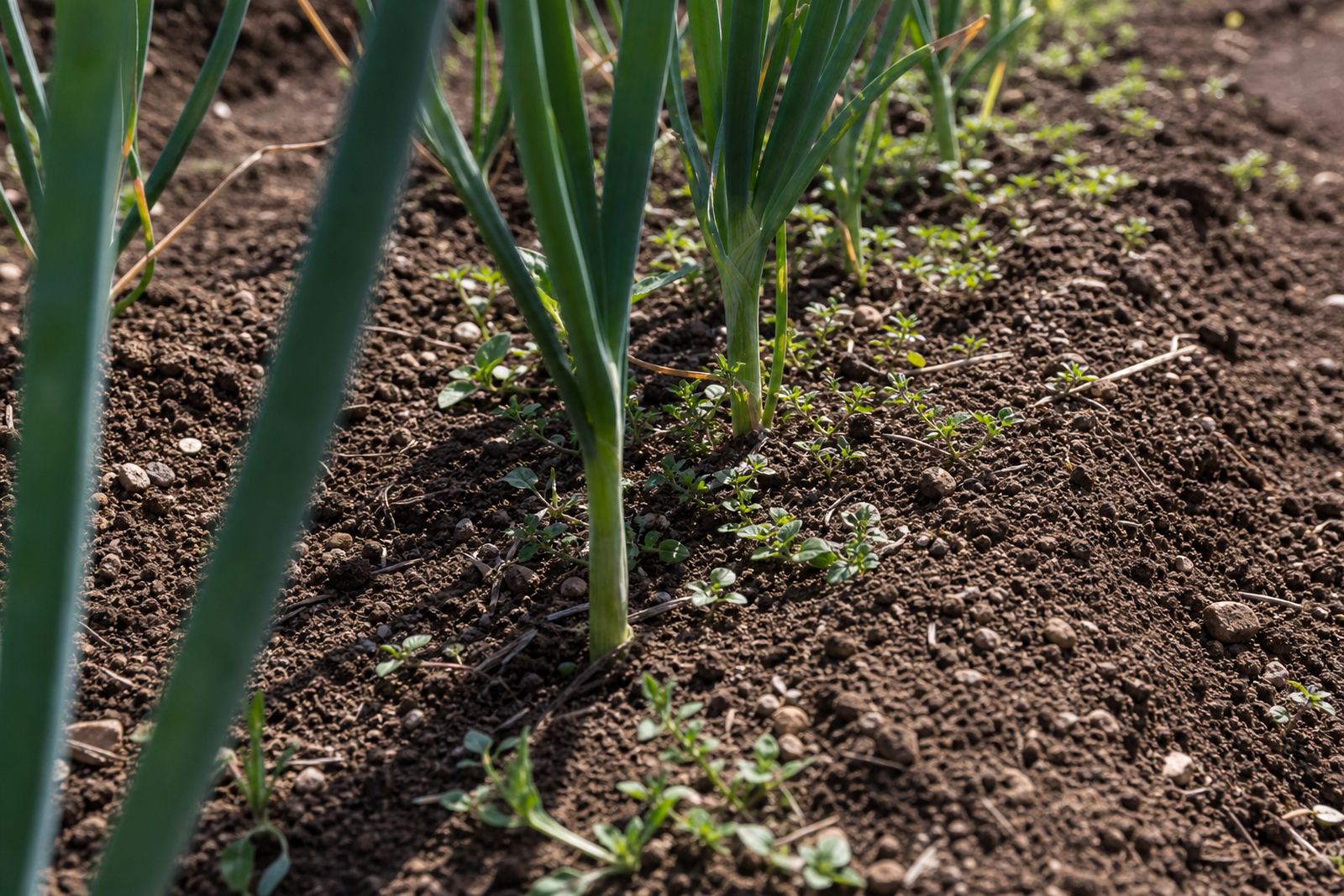
Mixed Weed Flushes

Mixed Weed Flushes

Why fields with uneven emergence need careful assessment before work is booked.

Weather And Field Conditions

Weather And Field Conditions

How recent rain, wind and surface condition can affect a planned field visit.

Packing Booking Information

Packing Booking Information

The practical farm details that help speed up a first enquiry.

Operator Role In Field

Operator Role In Field

What the trained operator manages during setup, passes and on-site checks.

Reading the crop before the tractor arrives

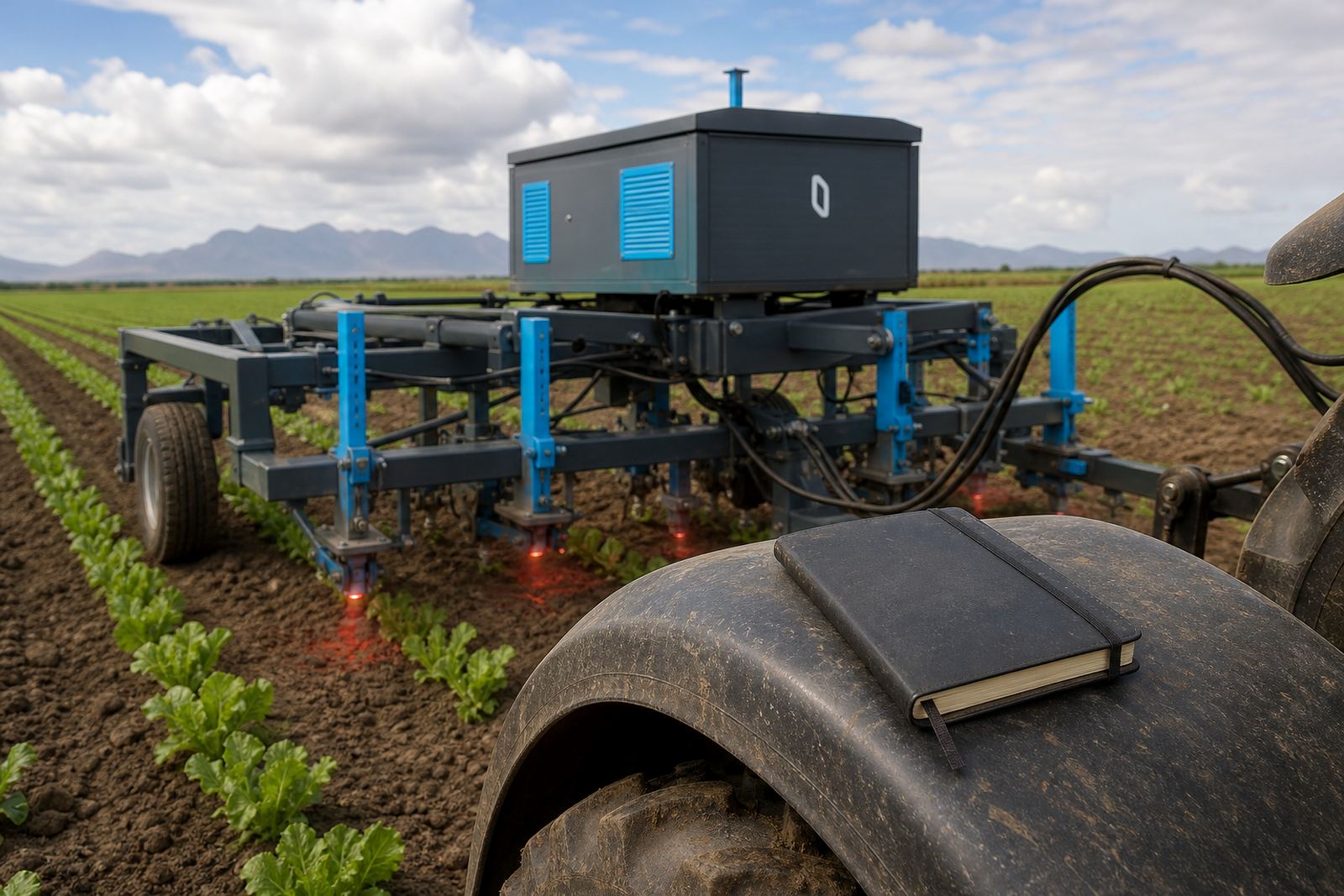
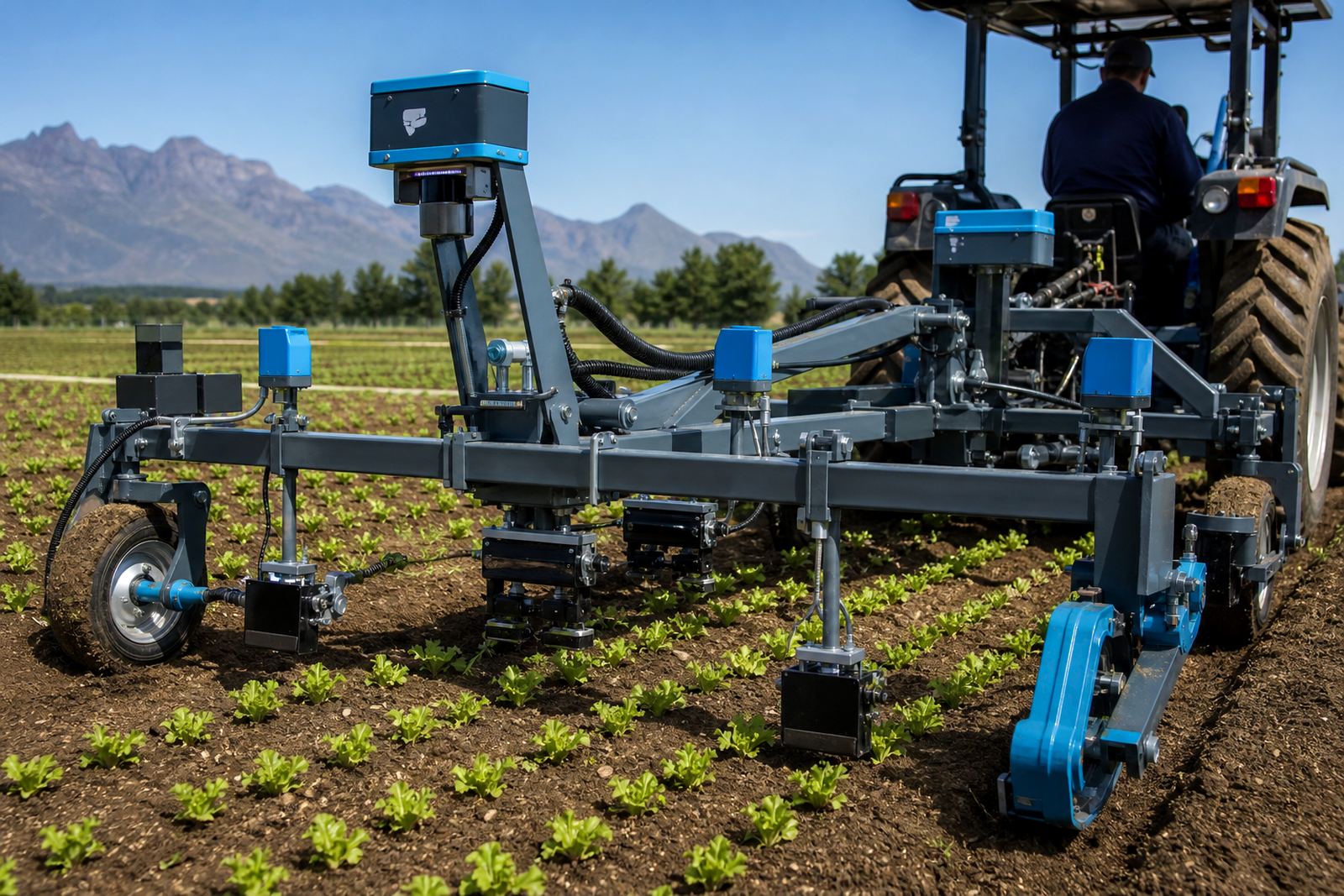
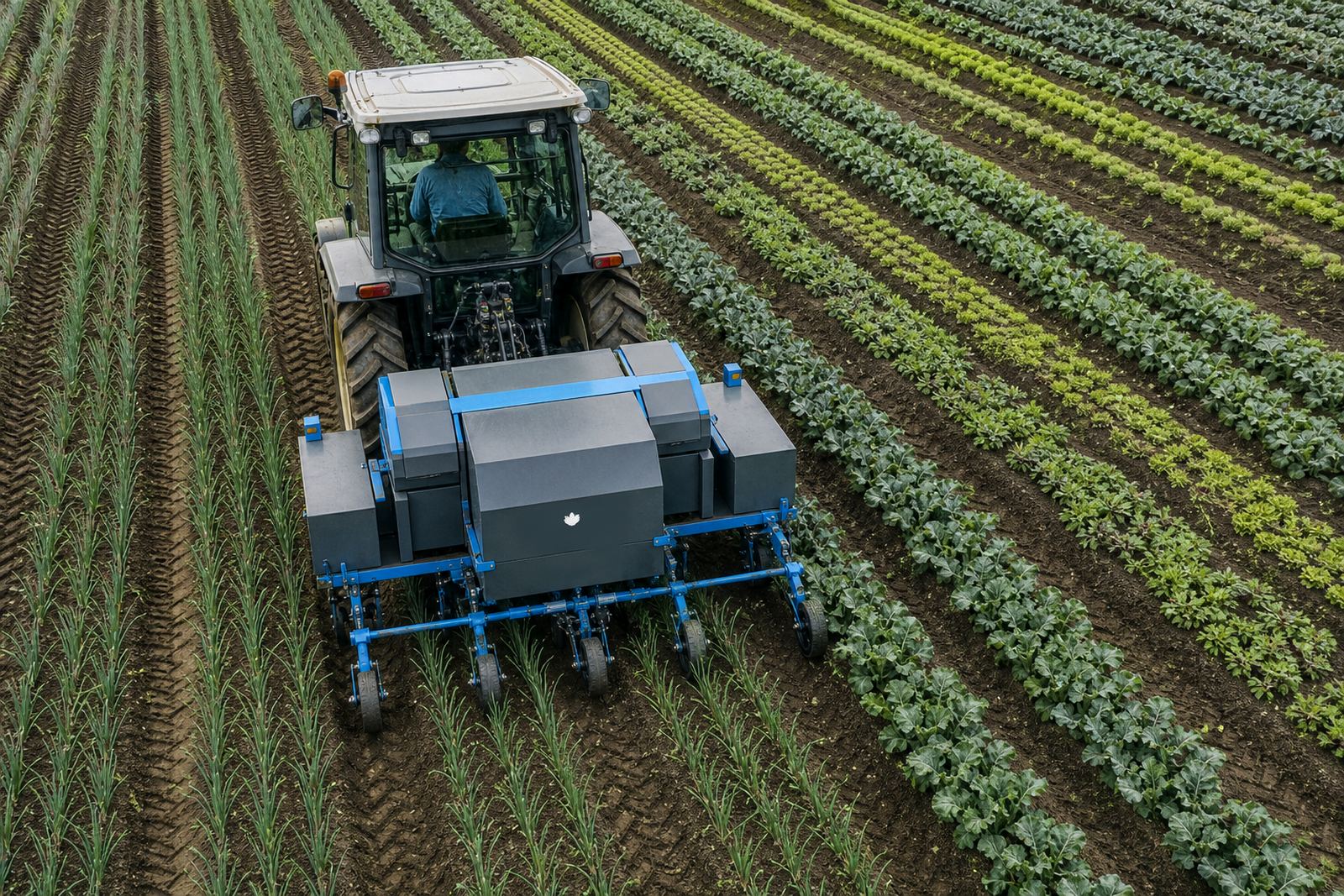
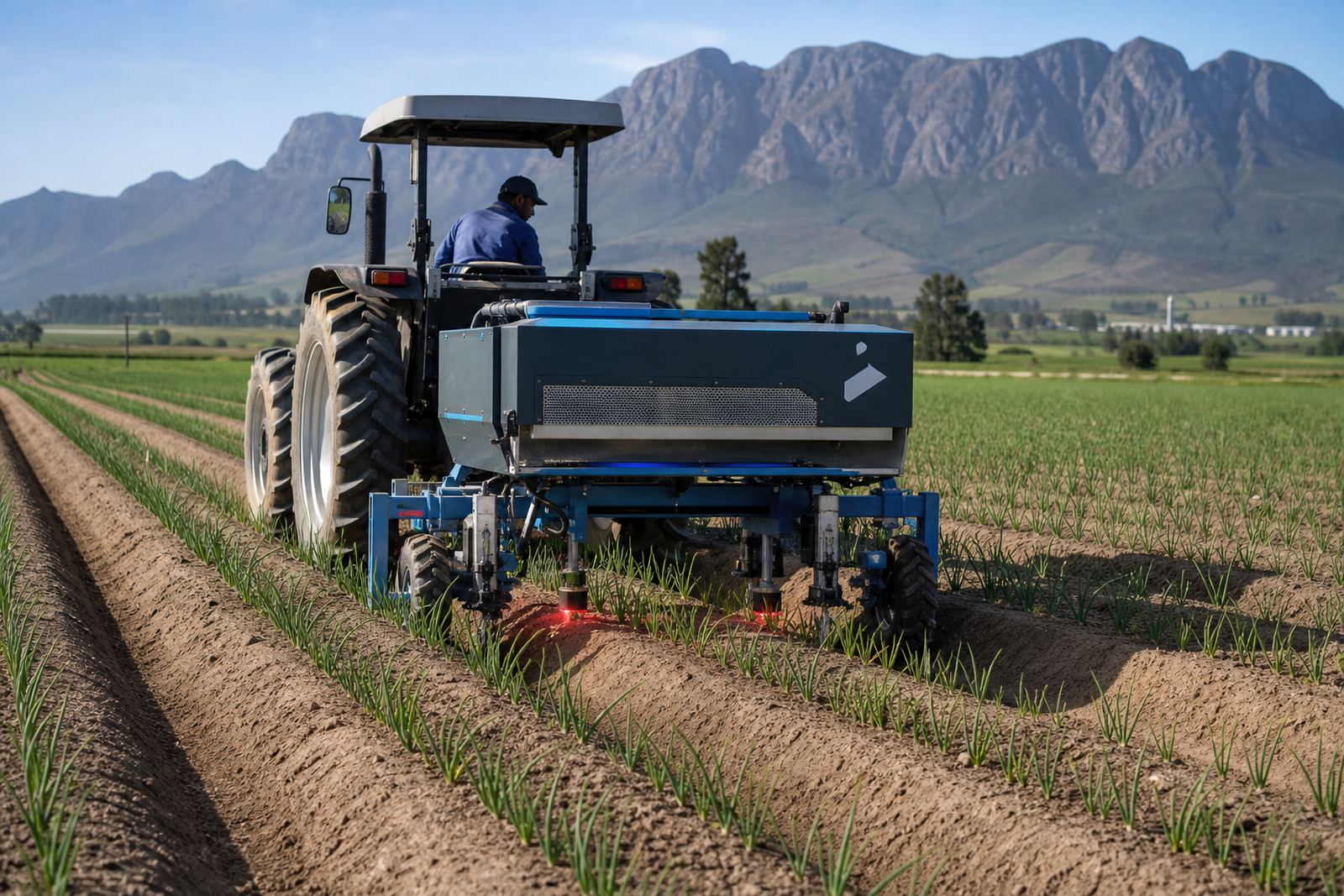
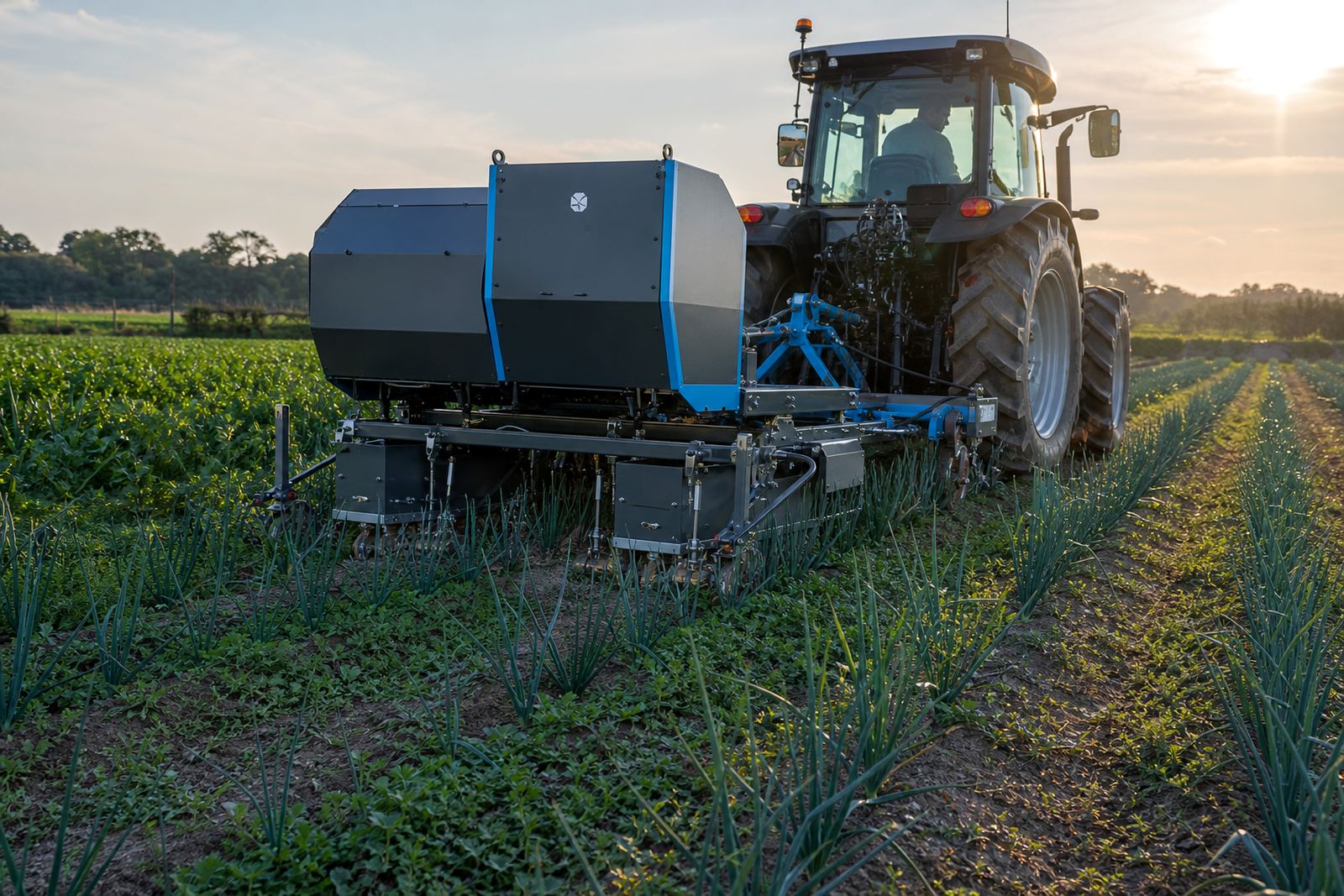
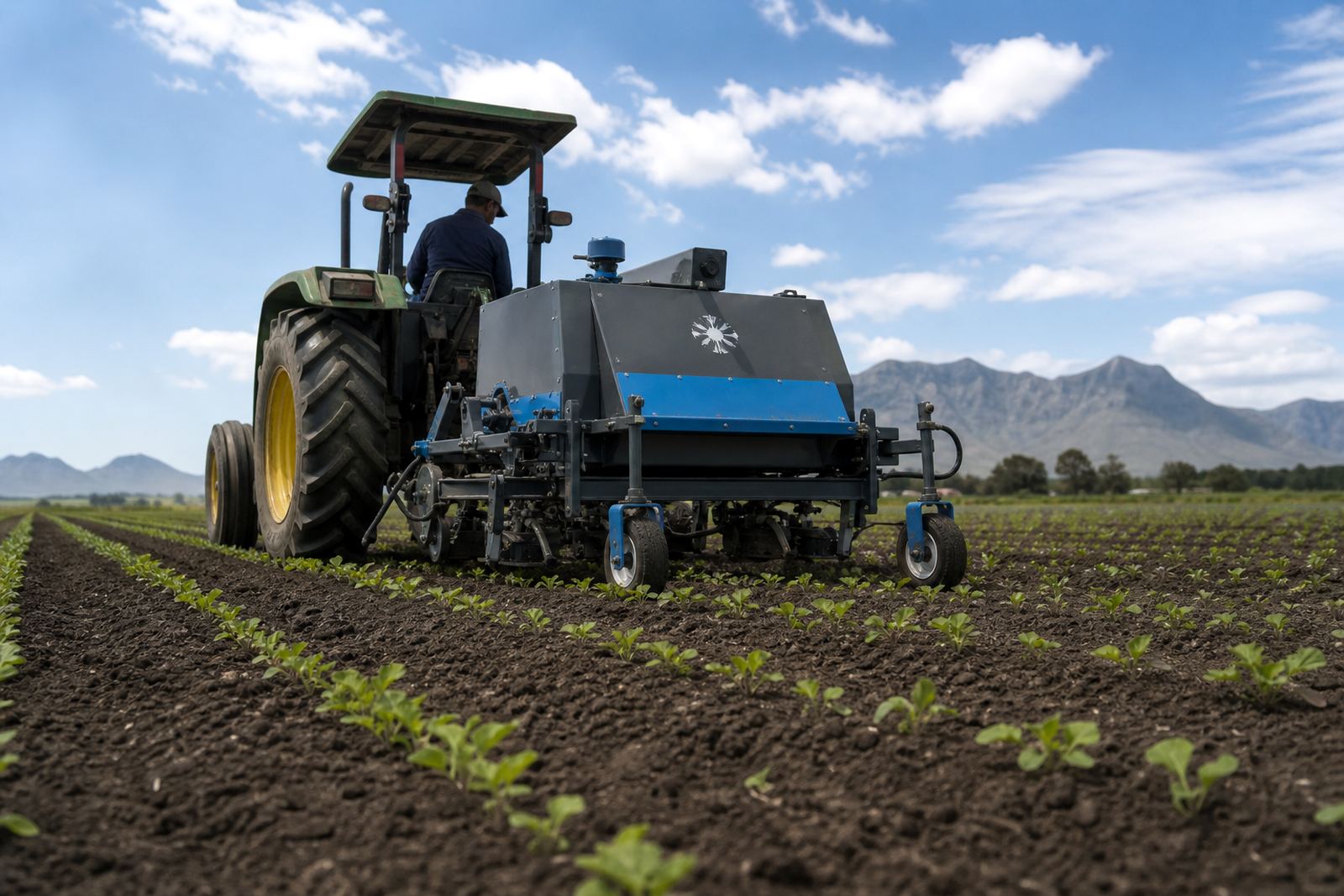
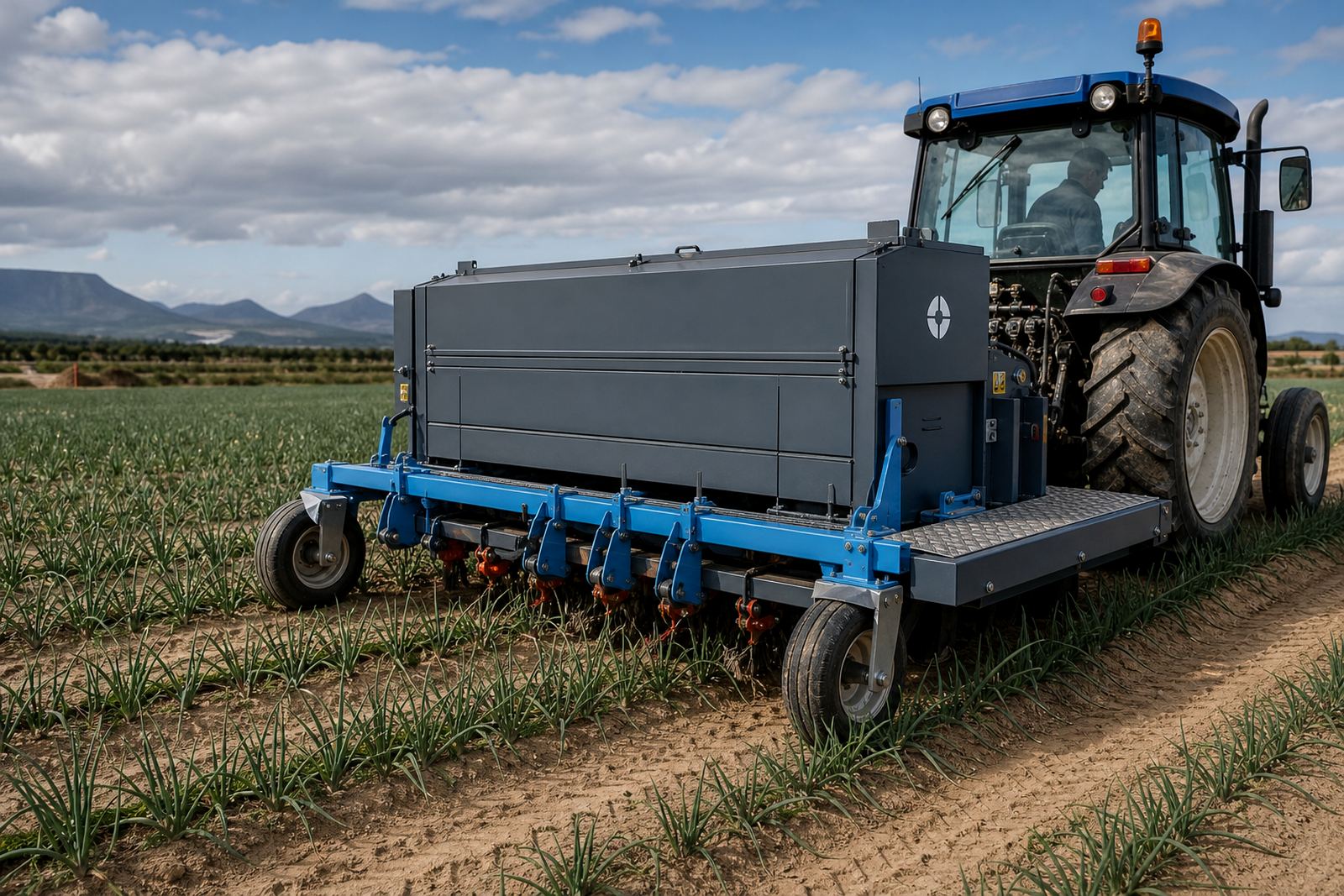
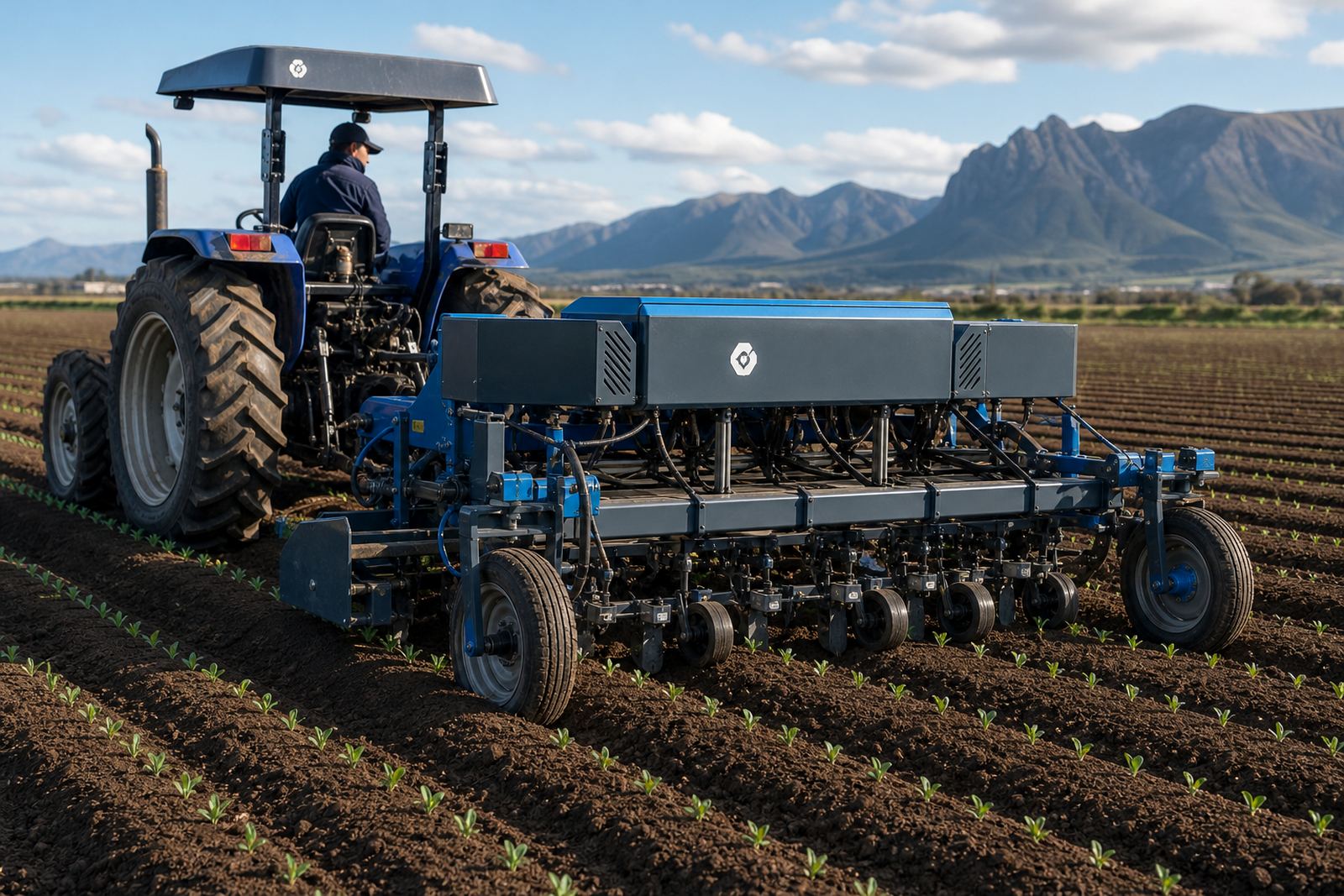
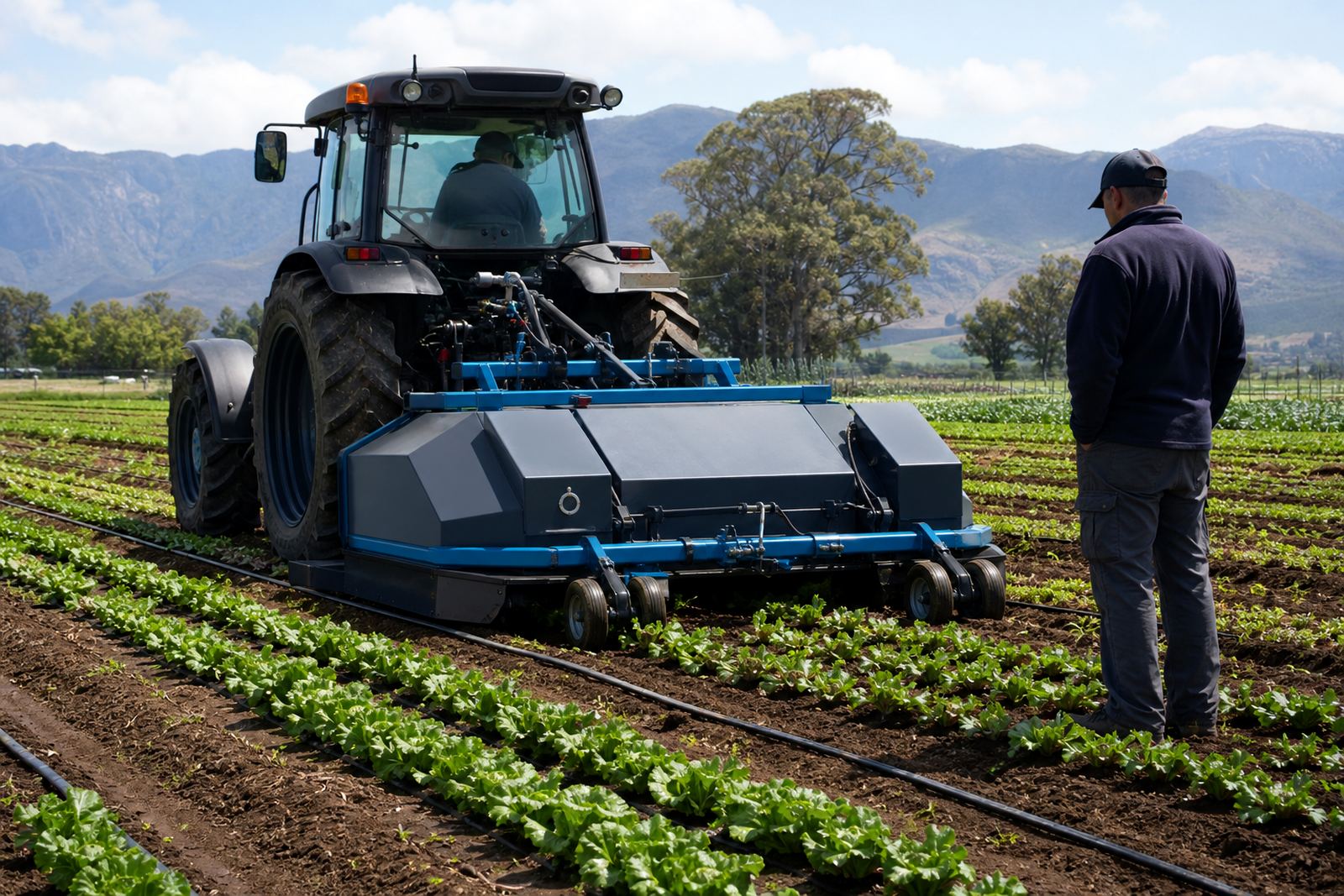
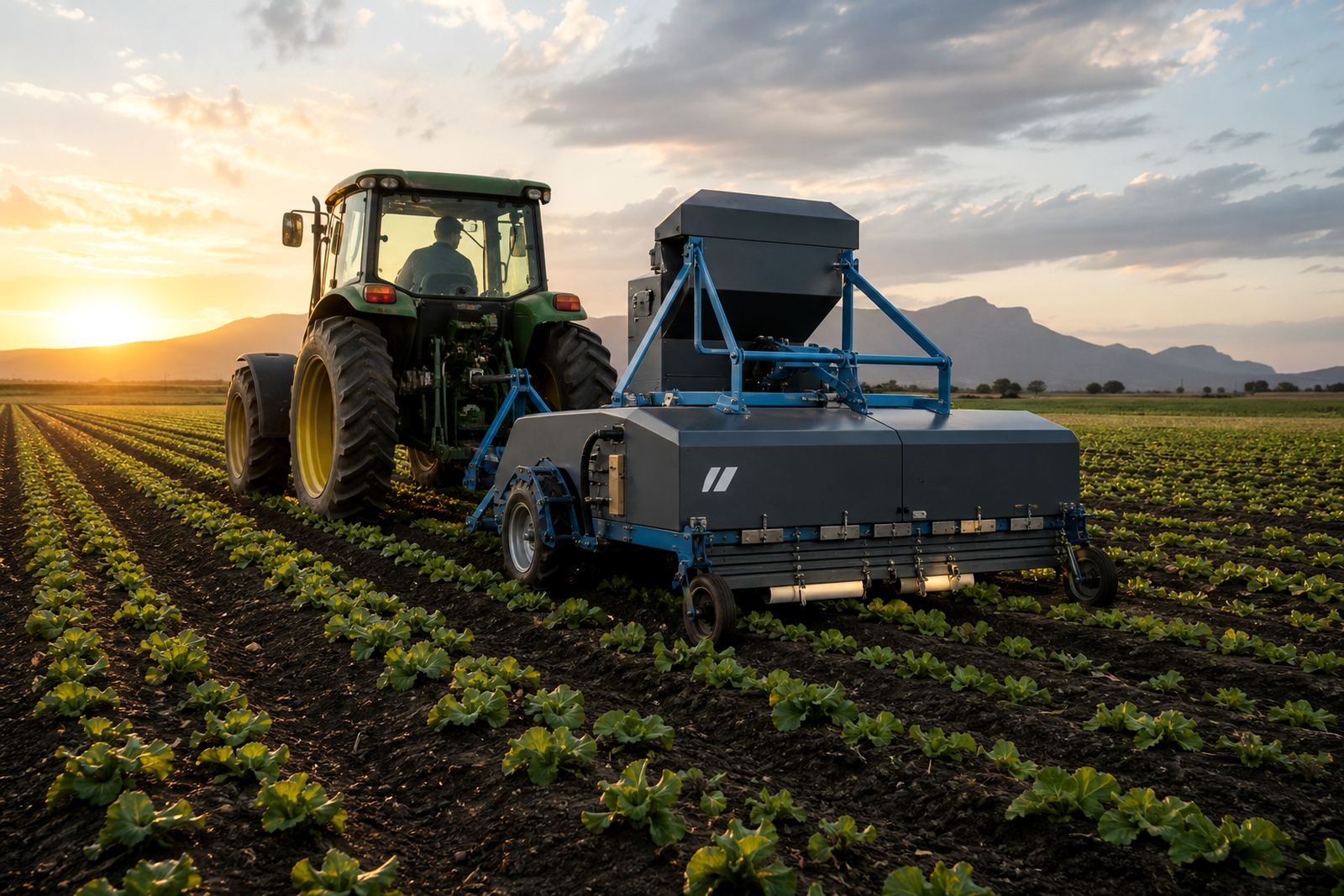
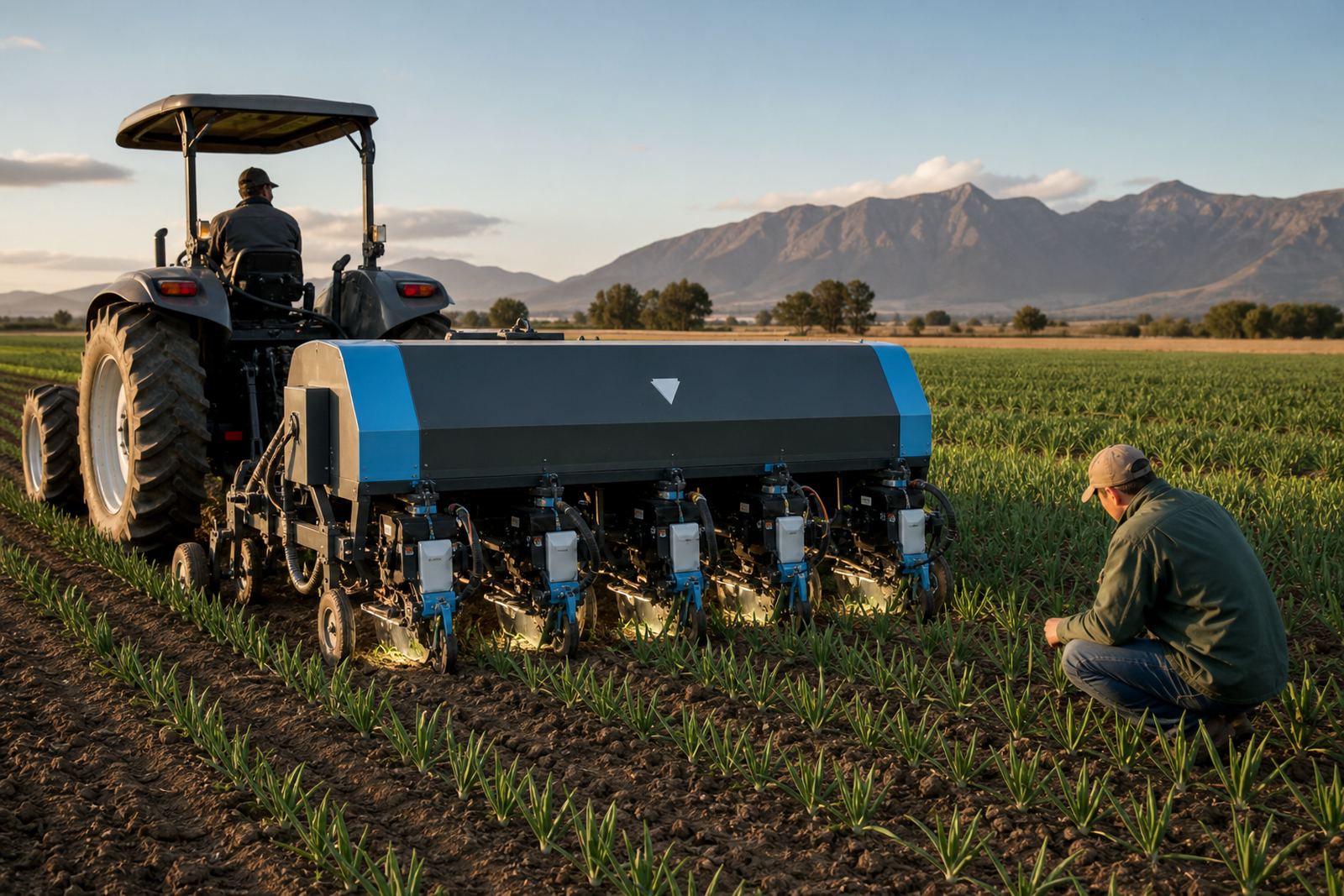
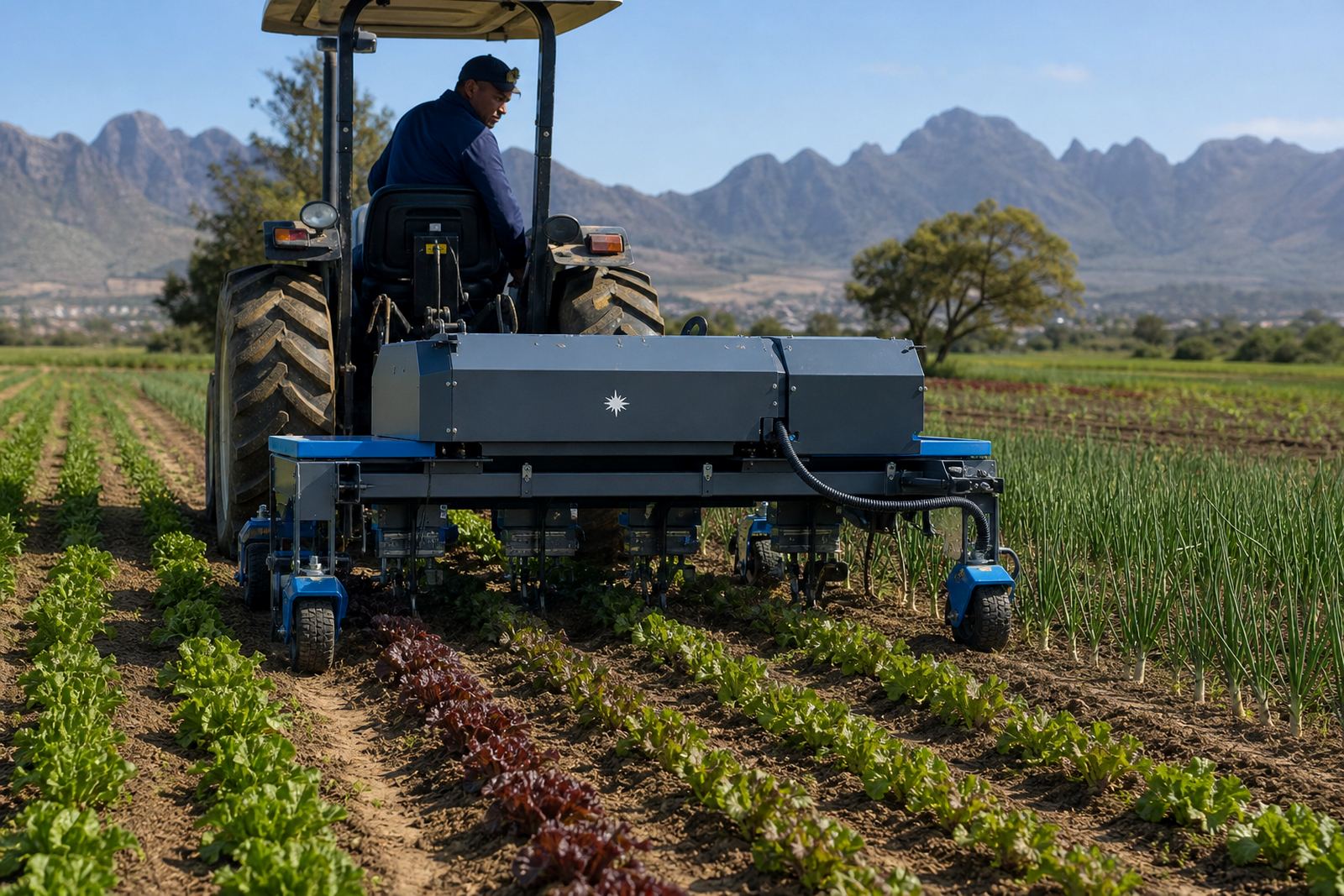
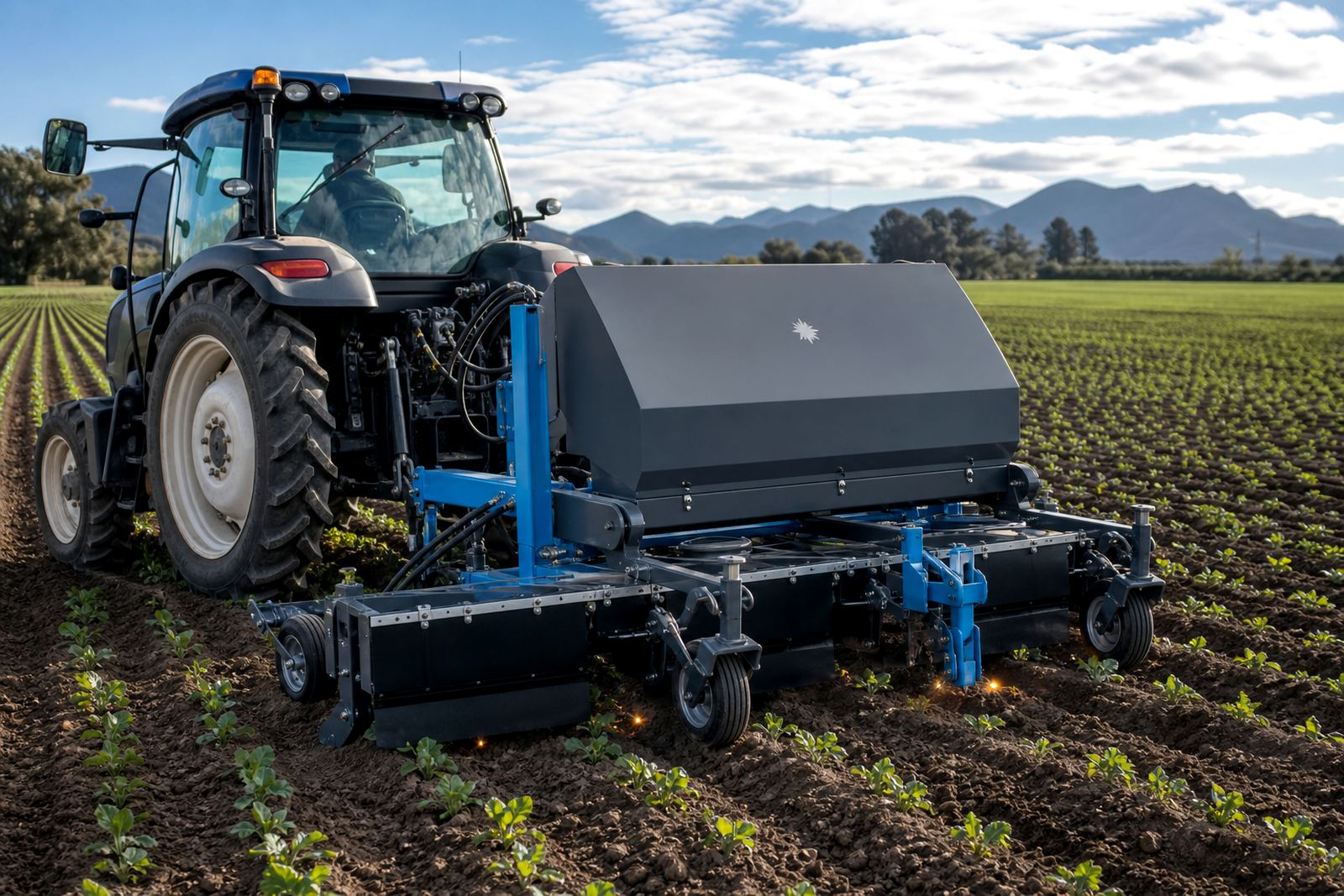
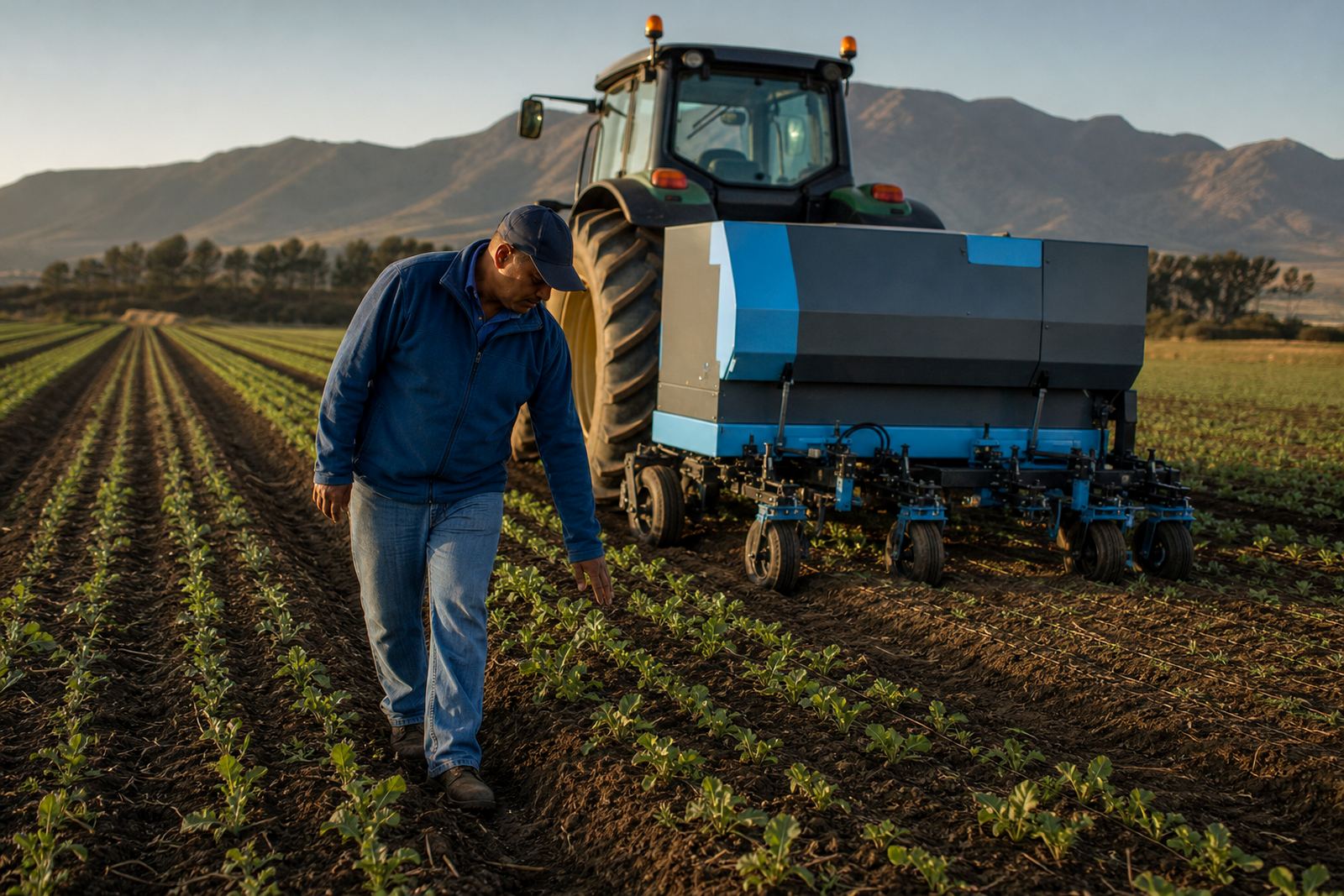
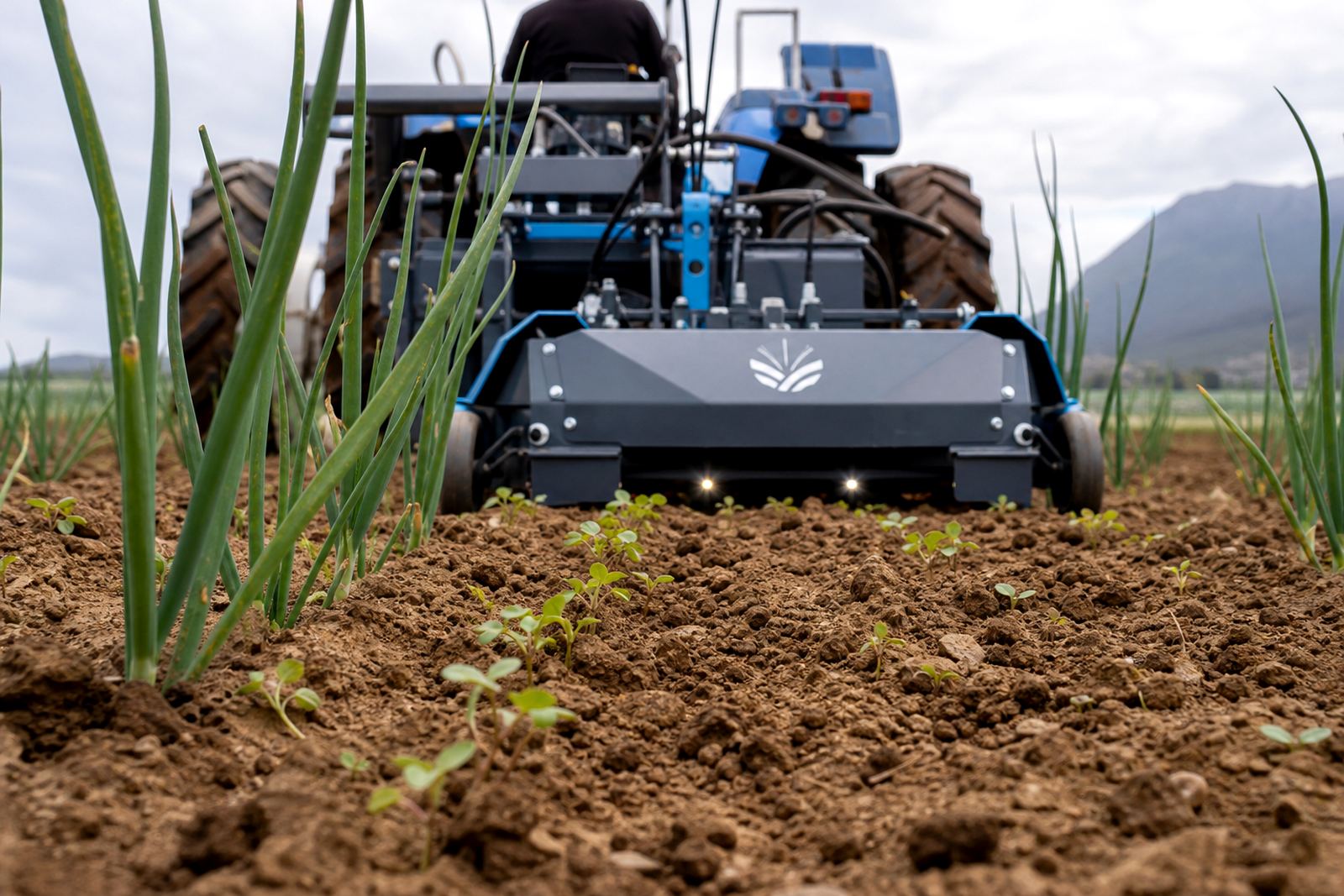
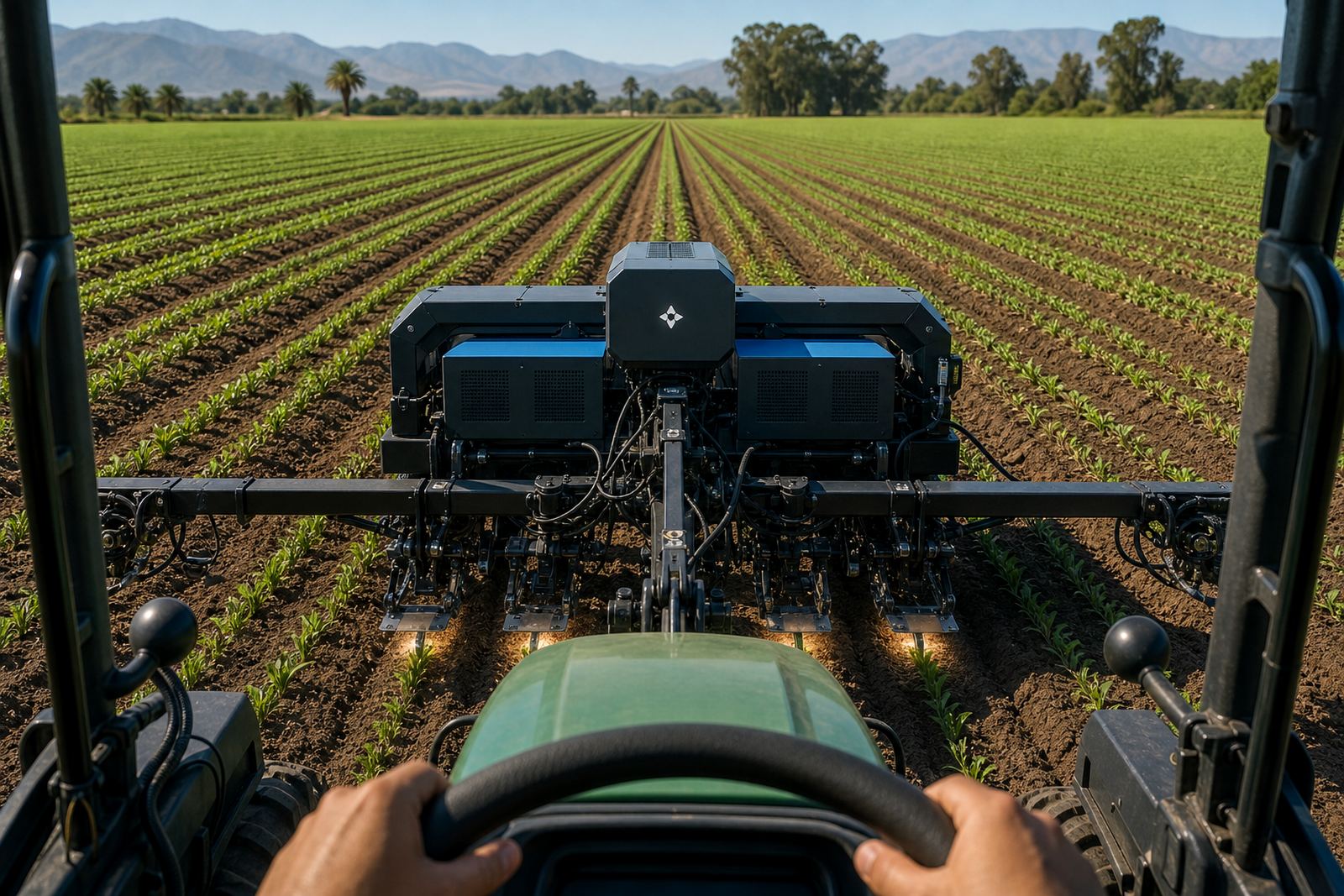
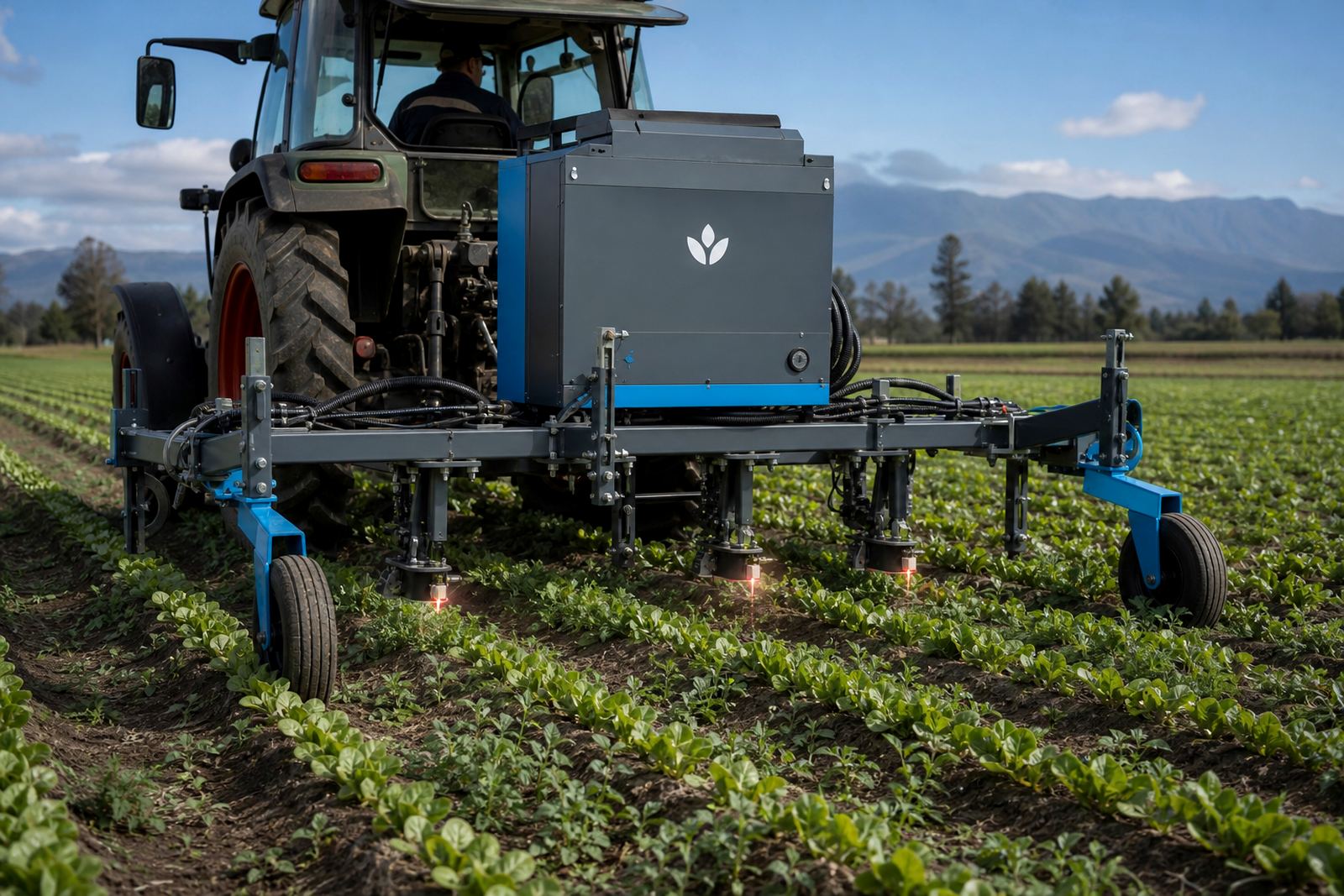
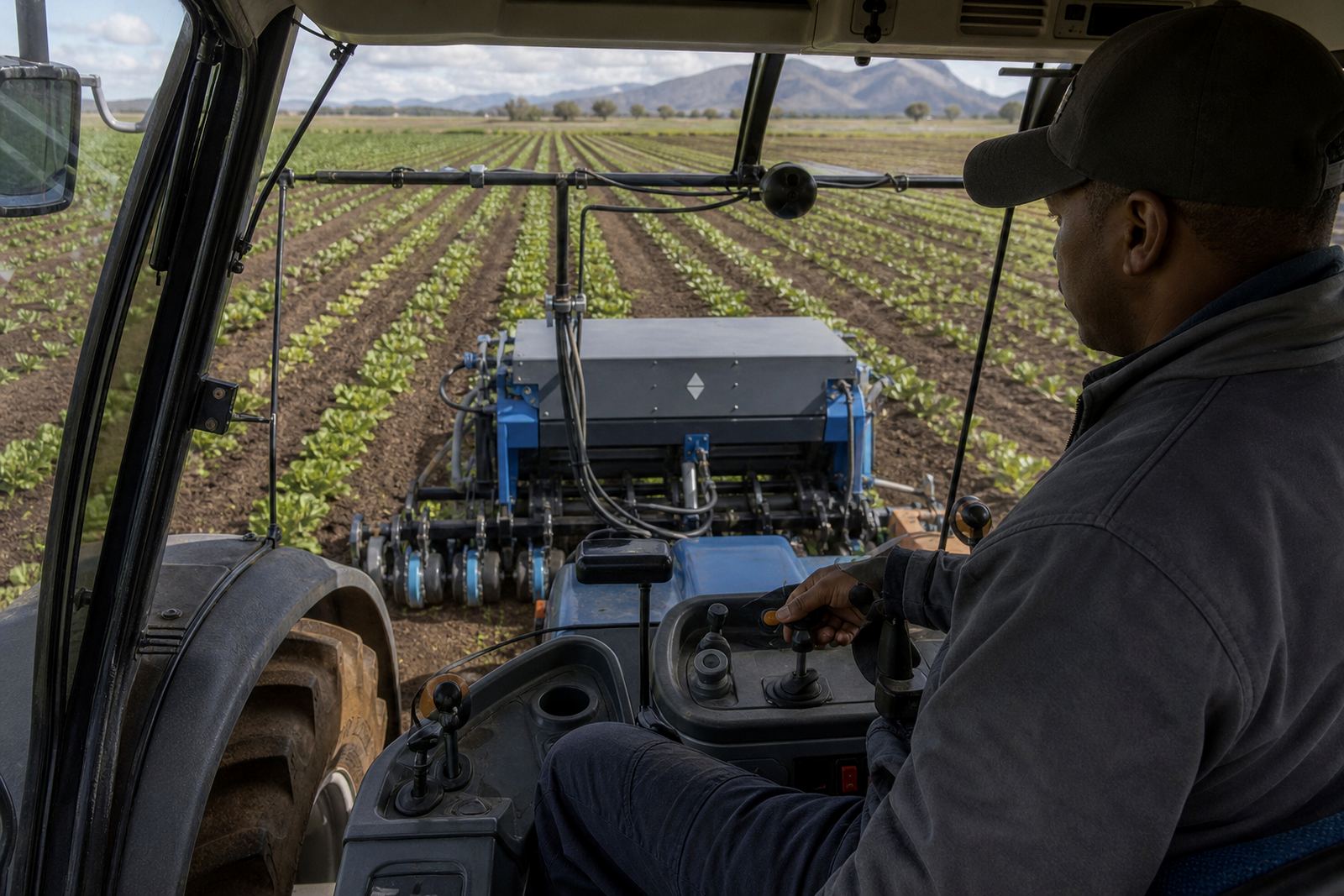
Laser weeding works best when the crop row is easy to follow and the weed pressure is understood properly. Camera-guided systems look for weeds between and close to crop plants, then direct laser energy at the growing point so the weed stops developing without pulling soil or flipping residue about.

That makes field history matter. A block with onions, carrots, lettuce or brassicas will not behave like a young leafy block in the same district, and a wet week in Philippi does not set up the same way as a dry spell inland.

Timing that suits row crops and weed stage

The useful window depends on crop stage, weed size and how even the stand looks in the row. Smaller weeds are easier to target, while larger weeds can force slower field speeds and tighter pass planning. If the crop is uneven, the operator needs more care around the young plants.

  • Young weeds are usually easier to target than mature ones.
  • Late passes can mean more weed mass in the row.
  • Uniform emergence helps the camera system read the bed more cleanly.
  • Rain, irrigation and re-growth shift the timing of the next pass.

Field preparation that makes the job cleaner

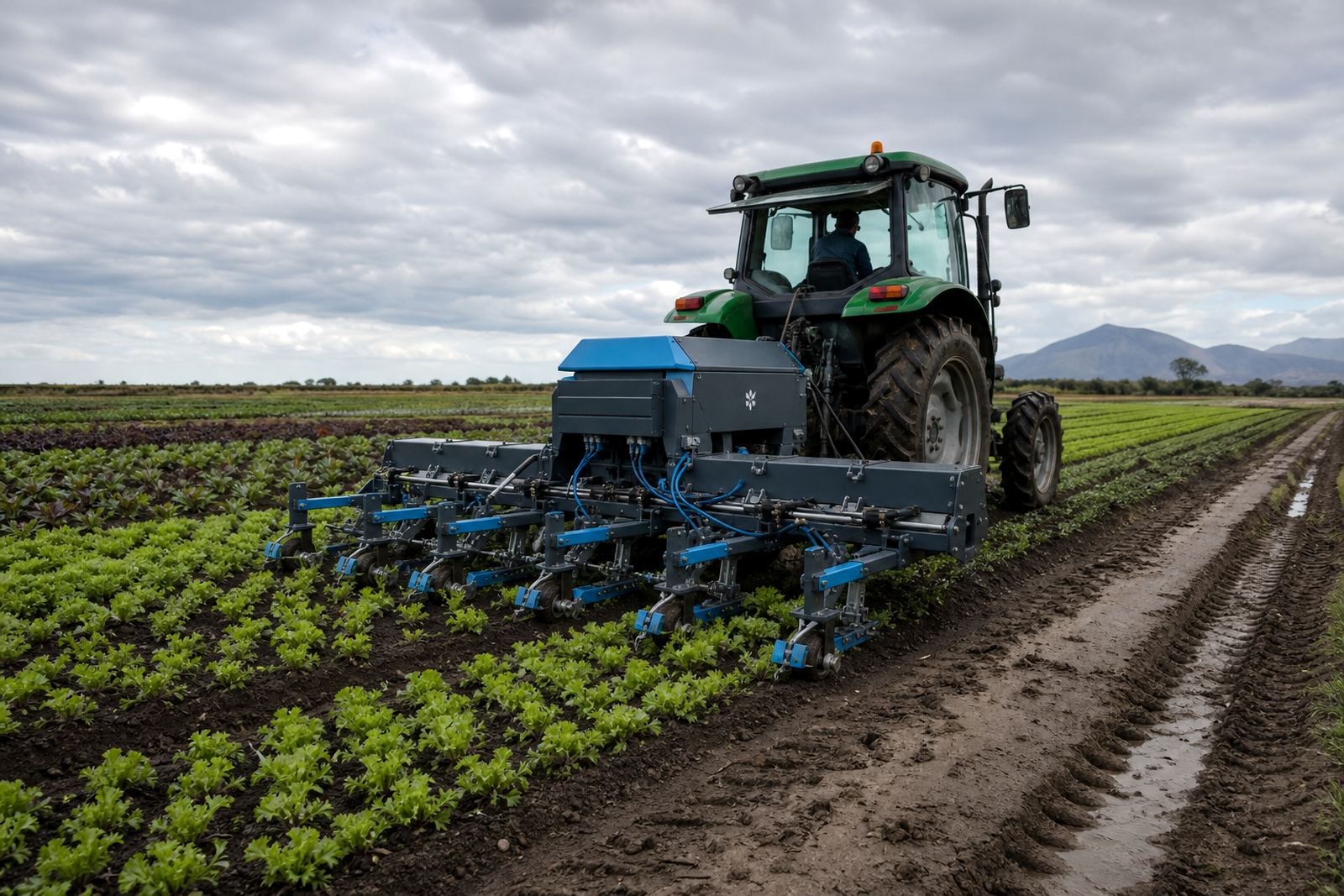
A laser pass is not a rough cleanup after poor bed work. It performs better when the beds are level, the row spacing is clear and the crop line is readable from the tractor. Surface clods, lodged residue and broken beds can make the operator slow down and inspect more often.

Growers in coastal areas also watch humidity and softer soils, especially after irrigation. The job still stays herbicide-free and does not disturb the soil profile, but the surface condition changes how steadily the unit can move through the block.

How the contract booking is usually shaped

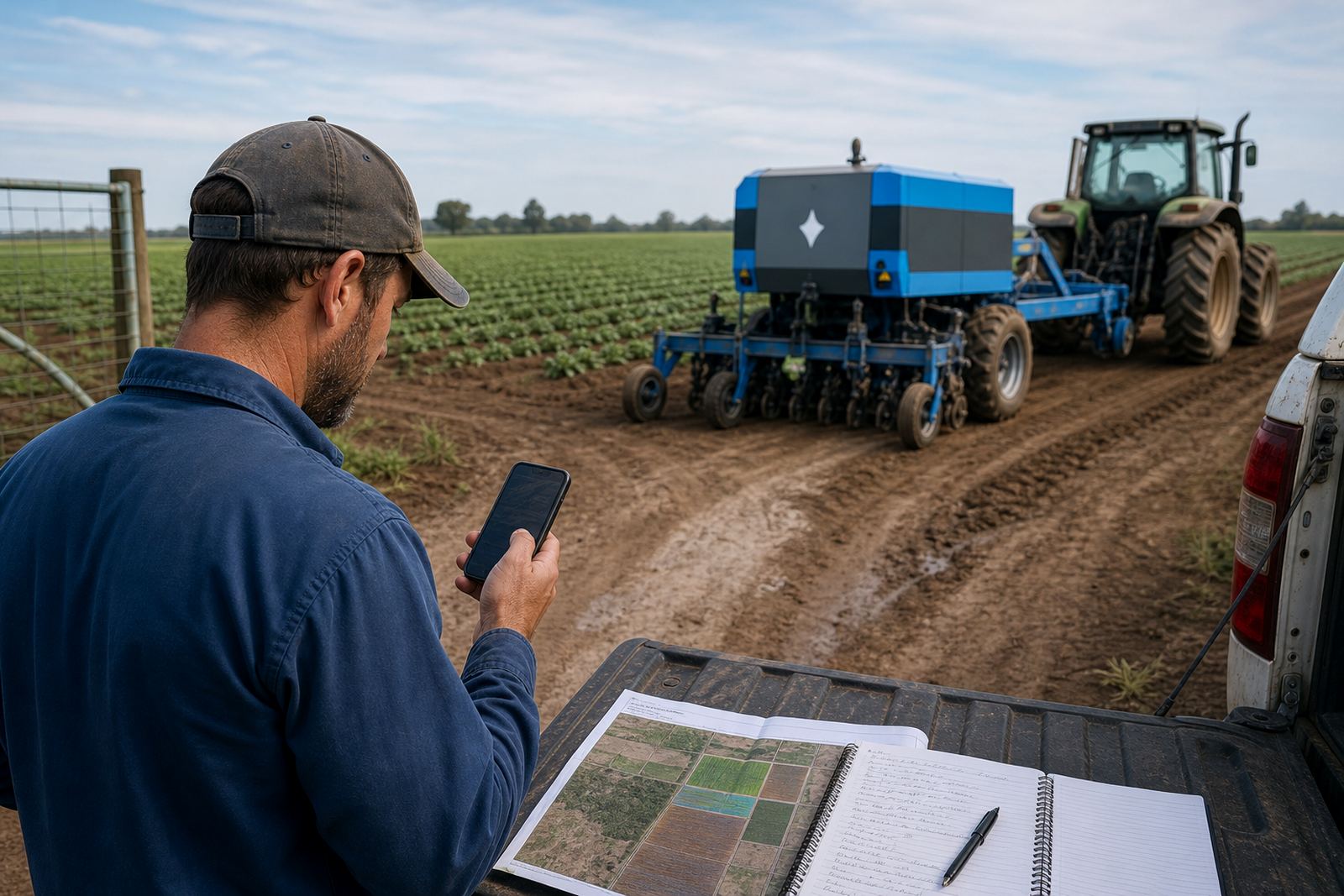
A good booking is built around crop type, hectares, access roads, block shape and the order of the farms. If a season runs across Ceres, Grabouw, Tzaneen or Bethlehem, travel coordination matters as much as the actual pass in the field. Multi farm programmes need a clear sequence so the unit and operator are not bouncing around in circles.

  • Field assessments help match the machine to the block.
  • Crop timing plans keep the pass aligned to weed stage.
  • Trial strip runs can show how the crop and weeds read in that field.
  • Repeat pass planning helps where pressure builds after irrigation or rain.

What our operators look for on the day

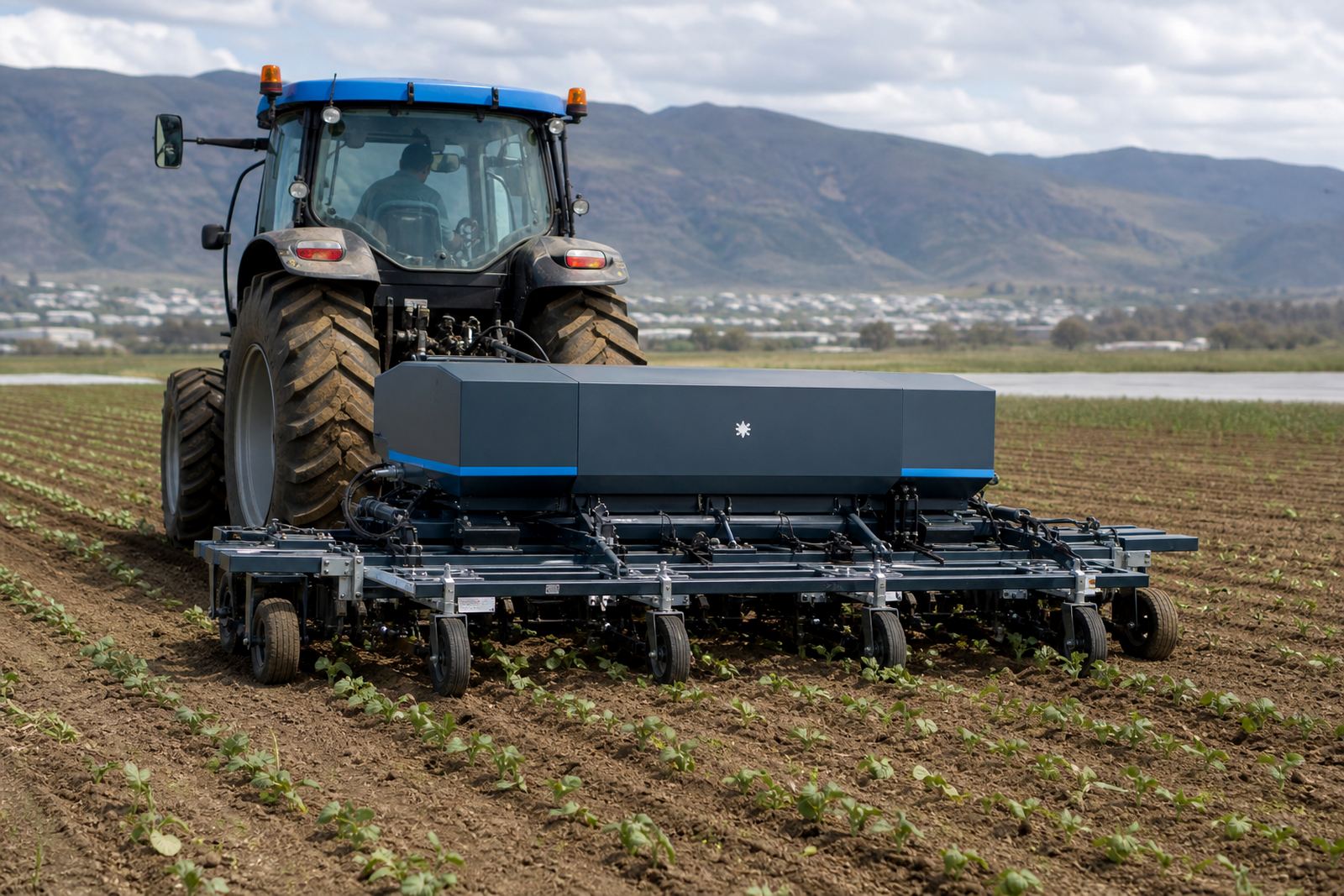
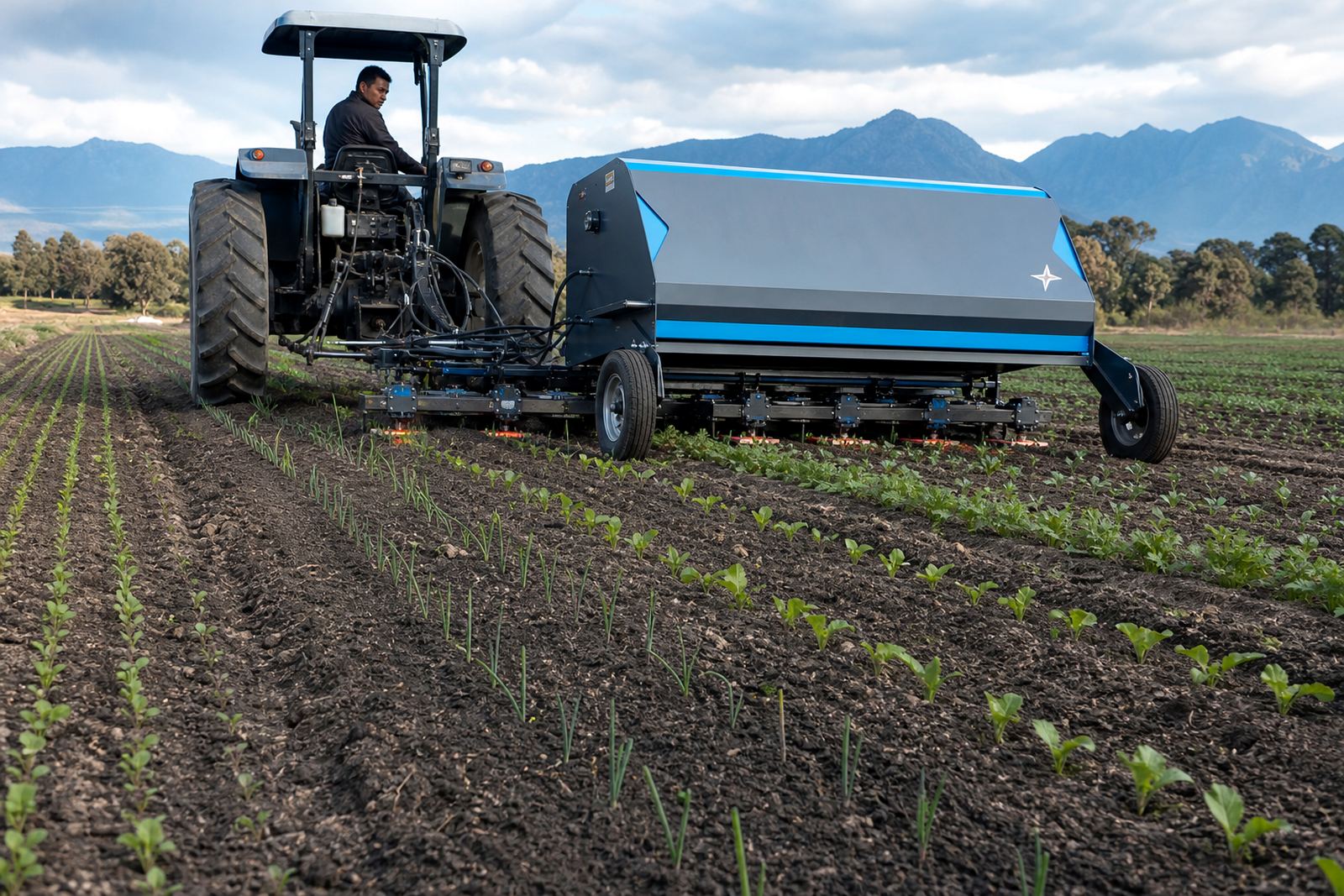
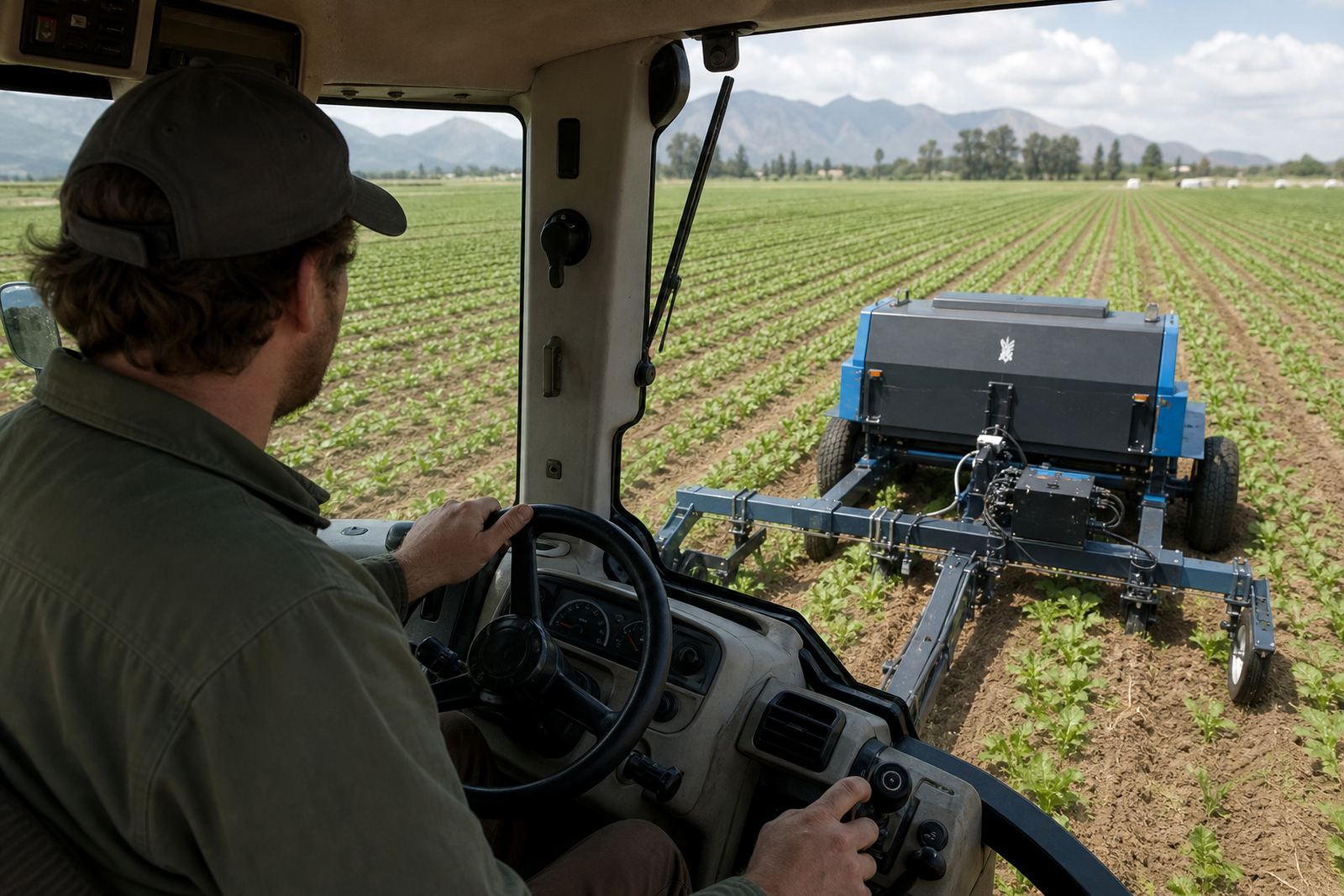
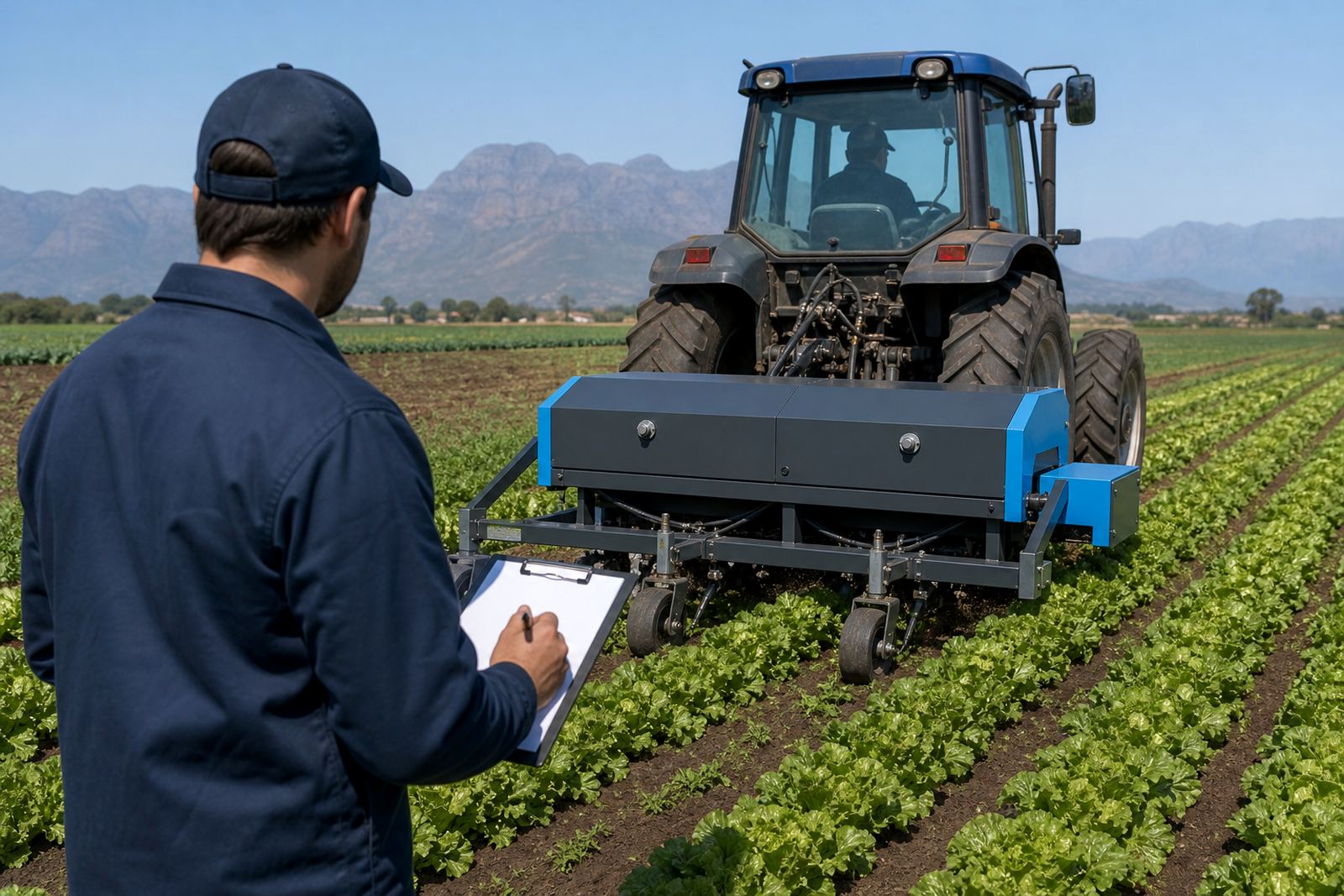
The operator checks row definition, weed pressure, turns, gate access and any tight spots near drainage lines or headlands. Arrival site checks matter because a tractor-drawn unit needs space to set up cleanly and move without damaging borders or irrigation lines.

Trained operators can change field speed as conditions shift. A light infestation can move differently from a block with dense escape weeds, so the pass is not treated as a fixed pace from start to finish.

Reporting that helps the next pass make sense

Post pass reporting gives the grower a record of what was seen in the block, where weed pressure was heaviest and where the crop line needed caution. That helps with repeat pass planning and with blocks that are being worked in stages across the season.

For growers who manage several farms across the Western Cape, Limpopo, Mpumalanga, KwaZulu-Natal and the Free State, the value sits in the planning as much as the pass itself. A practical record helps the next block fit into the week without guesswork.

Where these notes fit in the season

These notes are for growers who want a clearer picture before a booking is set. They speak to field timing, crop readiness and the realities of working row crops under South African conditions, from Philippi to inland production areas. The listing cards below expand into services, team roles and the places we cover.

When the crop is ready for a laser pass, the important questions are about stage, spacing and the order of the work. That is where field notes earn their place.

Laser weeding questions

Which vegetable crops suit laser weeding best?

Row crops with clear spacing are the main fit, including onions, carrots, lettuce and brassicas. The crop stand, weed stage and bed condition all shape how the pass is planned.

Does laser weeding disturb the soil?

No. The method targets weed growing points with laser energy and leaves the soil profile undisturbed. That helps where the grower wants a herbicide-free pass without turning the bed over.

What affects field speed on a contract pass?

Weed pressure, crop uniformity, turns, access and the shape of the block all affect field speed. Heavier pressure usually means a slower pass and more careful movement around crop plants.

Weeds getting ahead of your rows? Send us the crop, block size and planting date.

Contact form