Spacing that gives the cameras a clean view
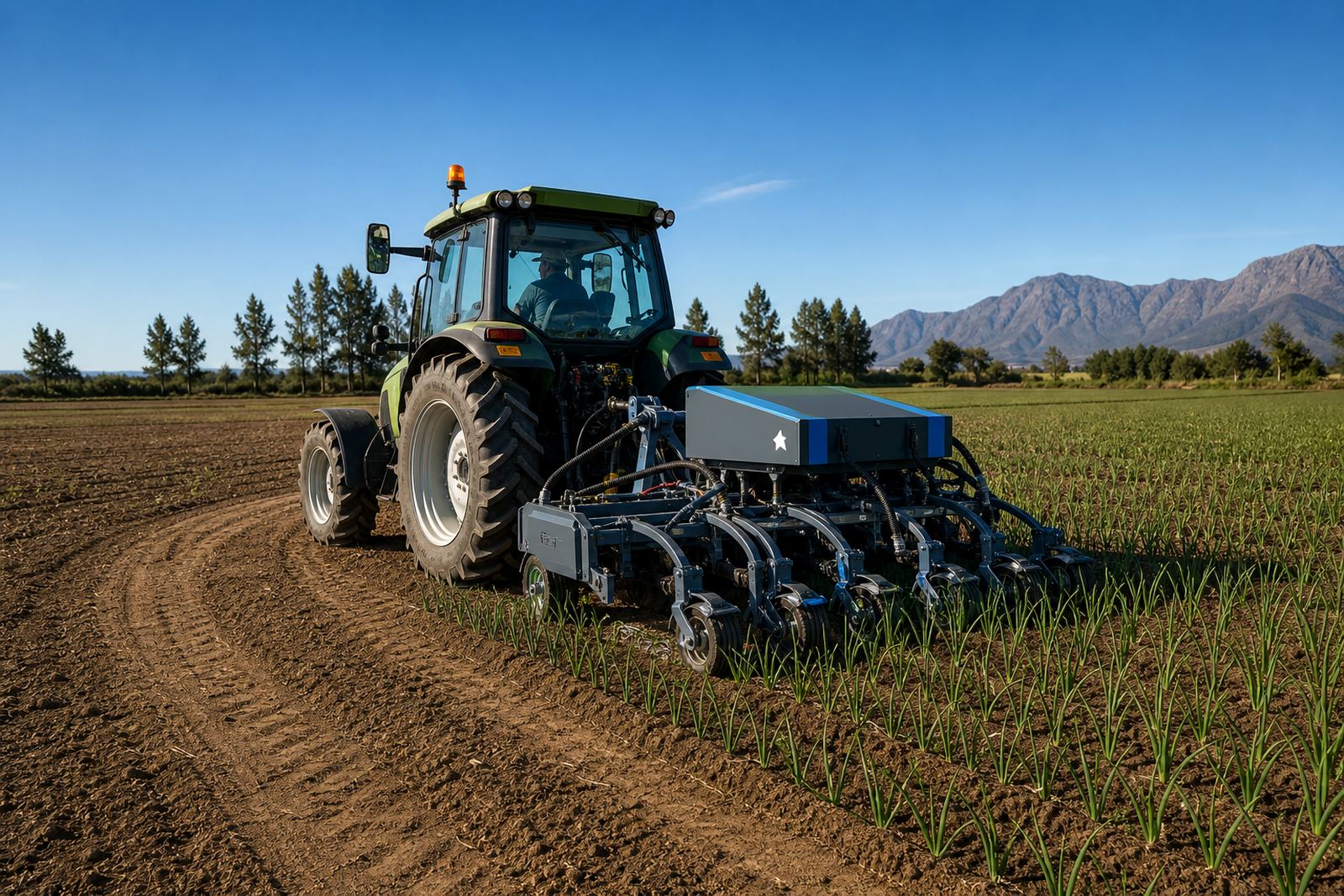
Laser weeding works best when the crop plants are easy to separate from weeds at bed level. Even transplant spacing helps the system read the row, and it gives the operator a clearer run between plants where the lasers can target weed growing points without disturbing the soil.
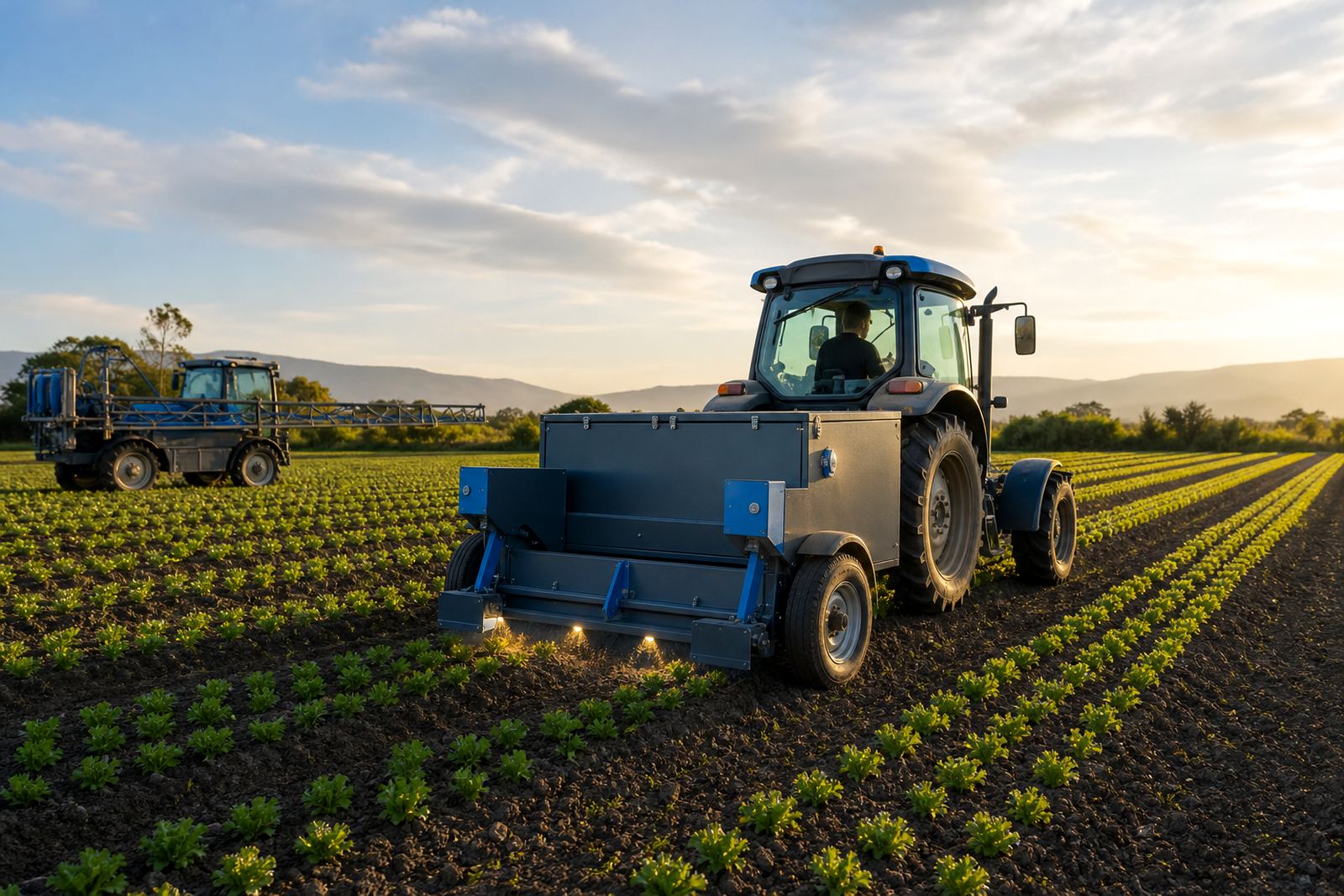
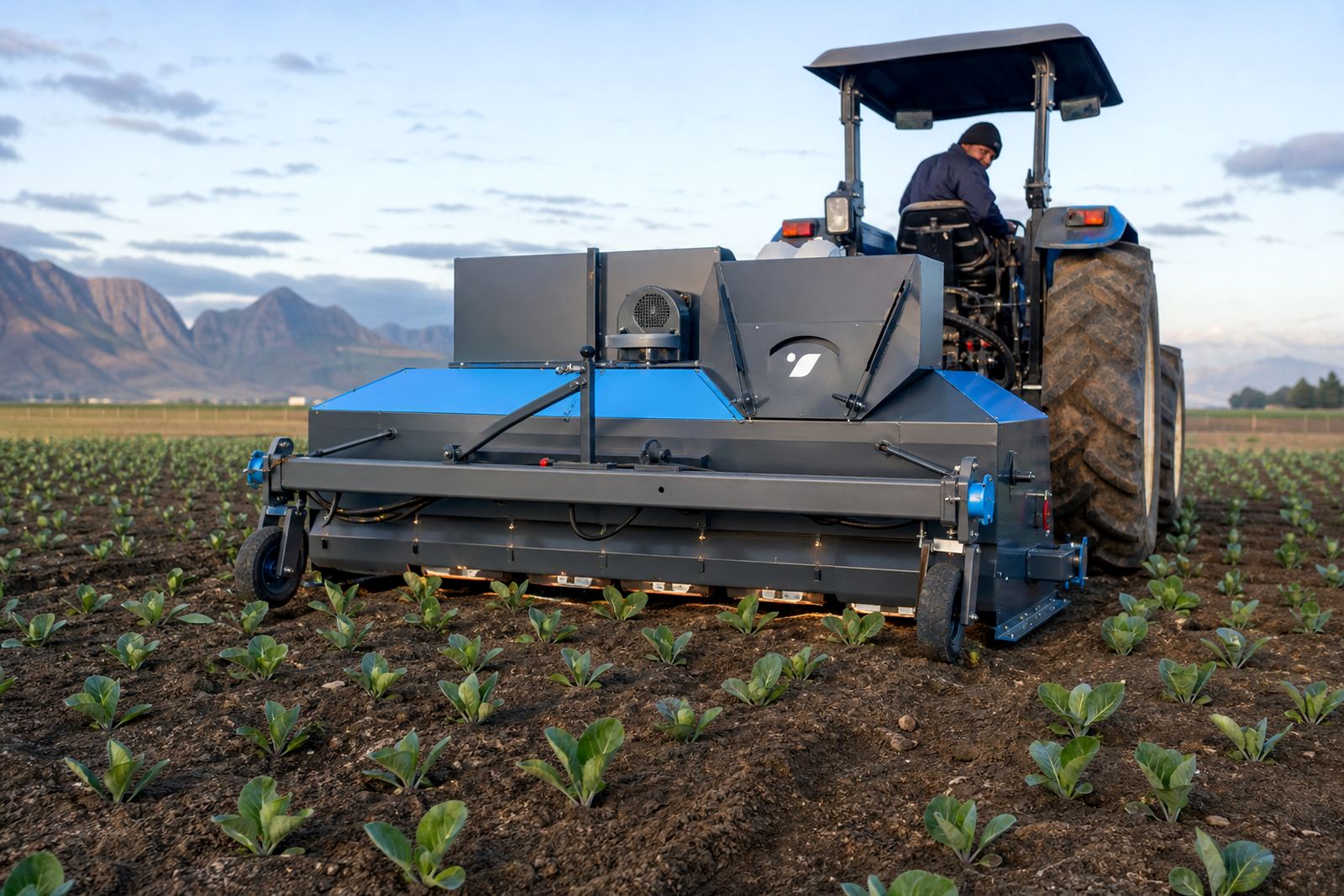
In transplanted crops, the early layout often matters more than the crop name alone. Lettuce, brassicas and many nursery grown vegetables can suit the work when plants are set out in straight lines with enough gap for the unit to pass. Tight clusters, missing plants and messy row starts can make the job slower and the pass less even.
- Even in-row spacing helps the camera follow the crop line.
- Clear inter-row gaps reduce the risk of stray weeds hiding behind leaves.
- Beds with firm definition make tractor guidance easier through the block.
- Uneven transplanting can mean more stop-start work at the field edge.
When transplant stage matters more than field age
The right window is often set by crop stage and weed stage together. A transplanted field that is still settling after planting may leave the crop small and exposed, while weeds can move fast once irrigation starts. If the weeds are already too large or too close to the crop, the unit may need a slower pass or a repeat run after the next flush, depending on field pressure.
Transplants that have anchored well and begun to hold their shape usually give the best reading for camera-guided work. That is when the team can line up the unit, check the row form and keep the pass steady. It is not only about size, it is about whether crop and weed are far enough apart for the lasers to do their job cleanly.
- Small weeds are easier to target than mature ones with broader leaves.
- Transplants should be stable enough not to shift under wheel movement.
- Moist soil can support crop growth, but it can also push weed emergence.
- Trial strip runs help show whether the field needs a single pass or more planning.
Row crops that usually give the clearest result
Some transplanted blocks read better than others because the crop habit is naturally more open. Brassicas, lettuce and similar row crops often leave workable spacing if the planting was laid out with the laser unit in mind. Onions and carrots are also commonly considered where row structure, transplant or seeding pattern and field prep match the machine setup.
The local pattern matters too. A Philippi grower with tight beds and windblown sand may need a different field plan from a wetter inland block with heavier weed pressure. In practice, the same crop can behave differently from one farm to another, so field assessments are worth doing before the season gets busy.
For blocks around Ceres, Grabouw or the lowveld areas near Tzaneen and Nelspruit, transplant spacing can also help the operator manage changing light, leaf overlap and row definition across the day. Once the crop canopy closes, there is less room for precise weed targeting, so timing does matter.
A Philippi example from a mixed vegetable block
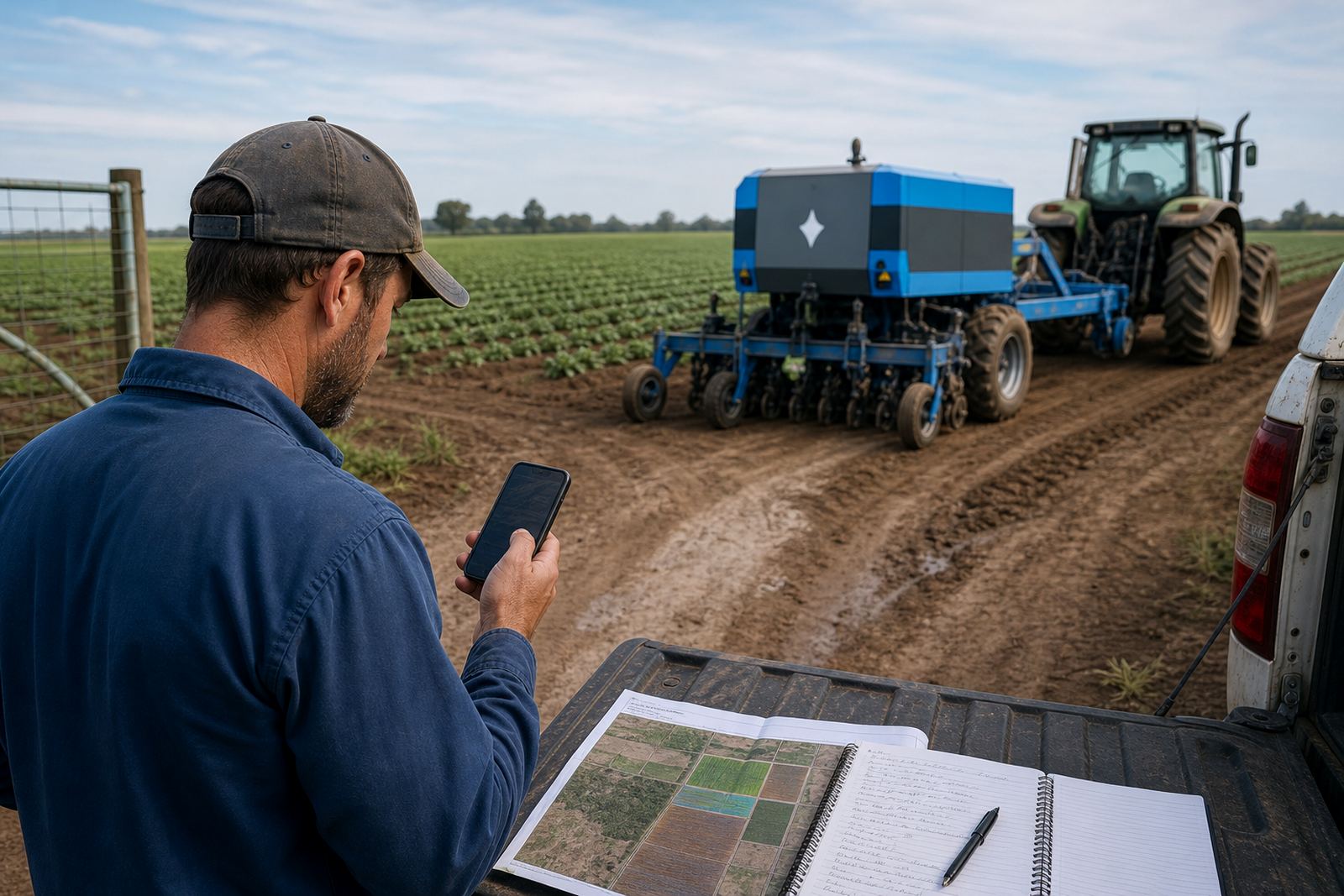
On a mixed vegetable block near Philippi, a grower with transplanted brassicas and lettuce needed help after a fast weed flush following irrigation. The rows were tidy, but some gaps between plants had filled quickly and the block needed careful handling. The first assessment focused on row definition, weed height and whether the tractor-drawn unit could keep a steady line through the beds.
The field team then set up a plan that started with a trial strip run, followed by a scheduled pass across the cleaner sections. Where the spacing opened up, the work moved well. Where transplant clusters were irregular, the operator slowed down and watched the camera feed closely. That kind of field detail can shape the whole day, and it often decides whether a block is ready for a full programme or needs a longer gap before the next run.
- Trial strips show how spacing and weed stage interact on that block.
- Arrival site checks catch access issues before the unit enters the field.
- Post pass reporting helps the grower plan the next movement in the crop.
What makes a field worth scheduling
Not every transplanted block will be ready at the same time, even within the same farm. We look at bed width, row straightness, weed flush, crop height and whether the field can handle the tractor-drawn setup without damaging plants at the edges. A good fit also depends on travel planning, especially for growers working across the Western Cape, Limpopo, Mpumalanga, KwaZulu-Natal and the Free State.
When transplant spacing is consistent, the field often suits a clearer schedule. That can help with multi farm programmes, repeat pass planning and season bookings. If spacing is uneven, the team may still work with the block, but the plan usually needs more care, and the tractor speed may change from one section to the next. The goal is practical field control, not rushing through a block that needs a slower hand.
Field timing that respects the crop line
Transplanted fields reward careful timing because the crop line is already set. The operator is not trying to find the row from scratch, the row is there and the job becomes one of reading gaps, weed growth and canopy shape. That is why transplant spacing can be such a useful guide when deciding if laser passes will suit a block.
For growers planning around onions, carrots, lettuce or brassicas, the best move is usually to match spacing, weed stage and field access before the weeds get too far ahead. A clear block with even transplants gives the unit a better chance to work across the bed with less interruption, and it keeps the field programme easier to manage through the season.