Tractor-drawn laser work for tight vegetable rows
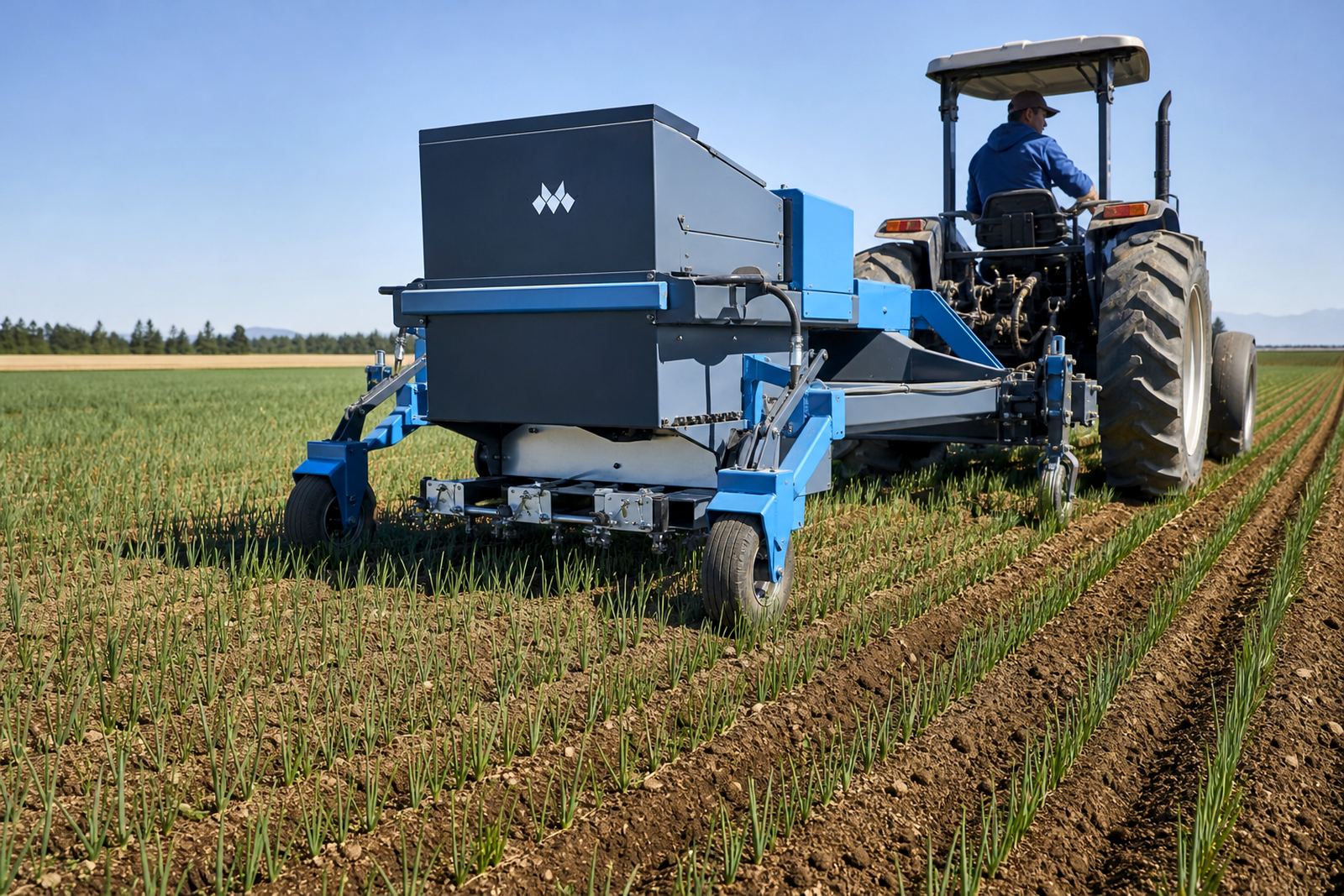
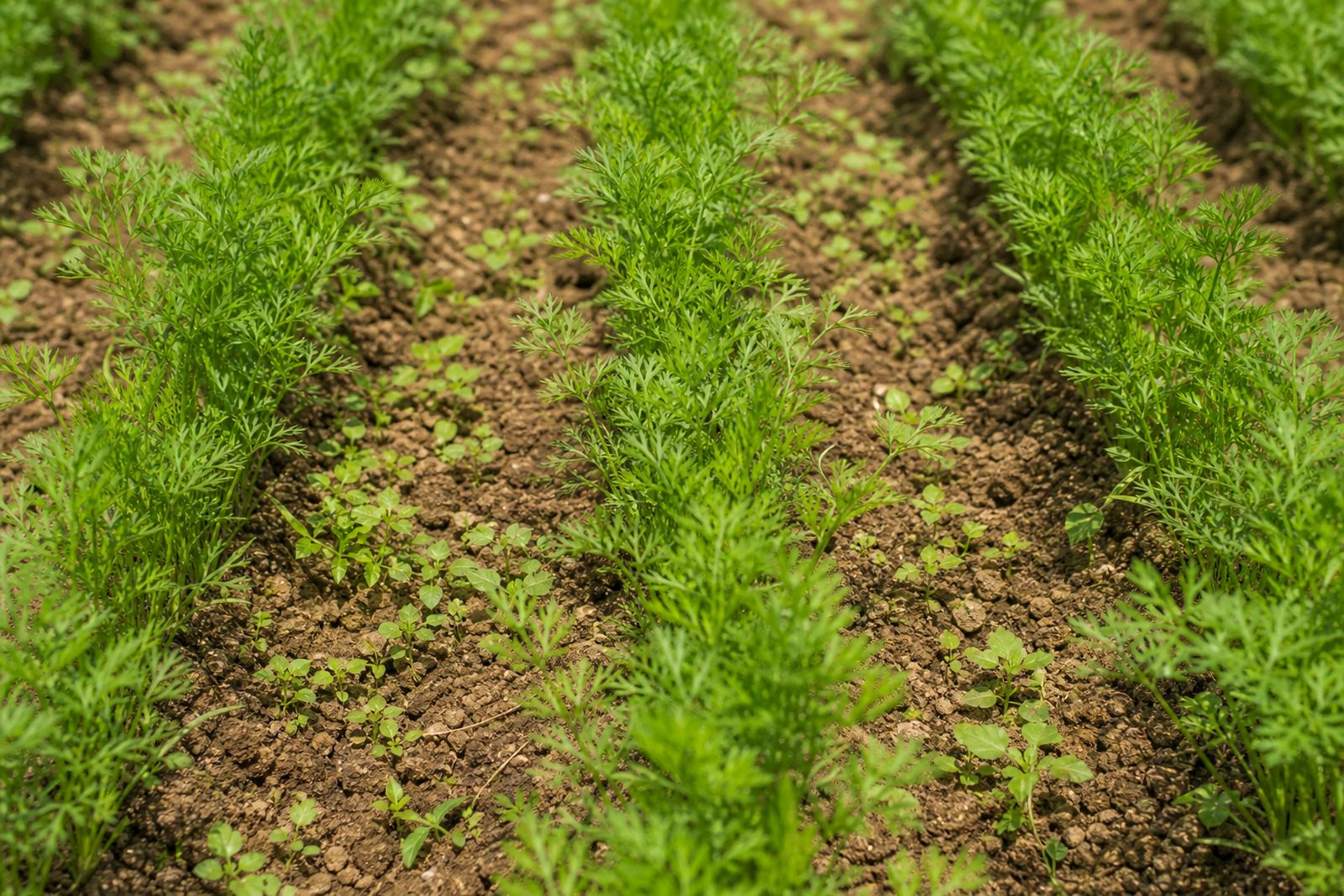
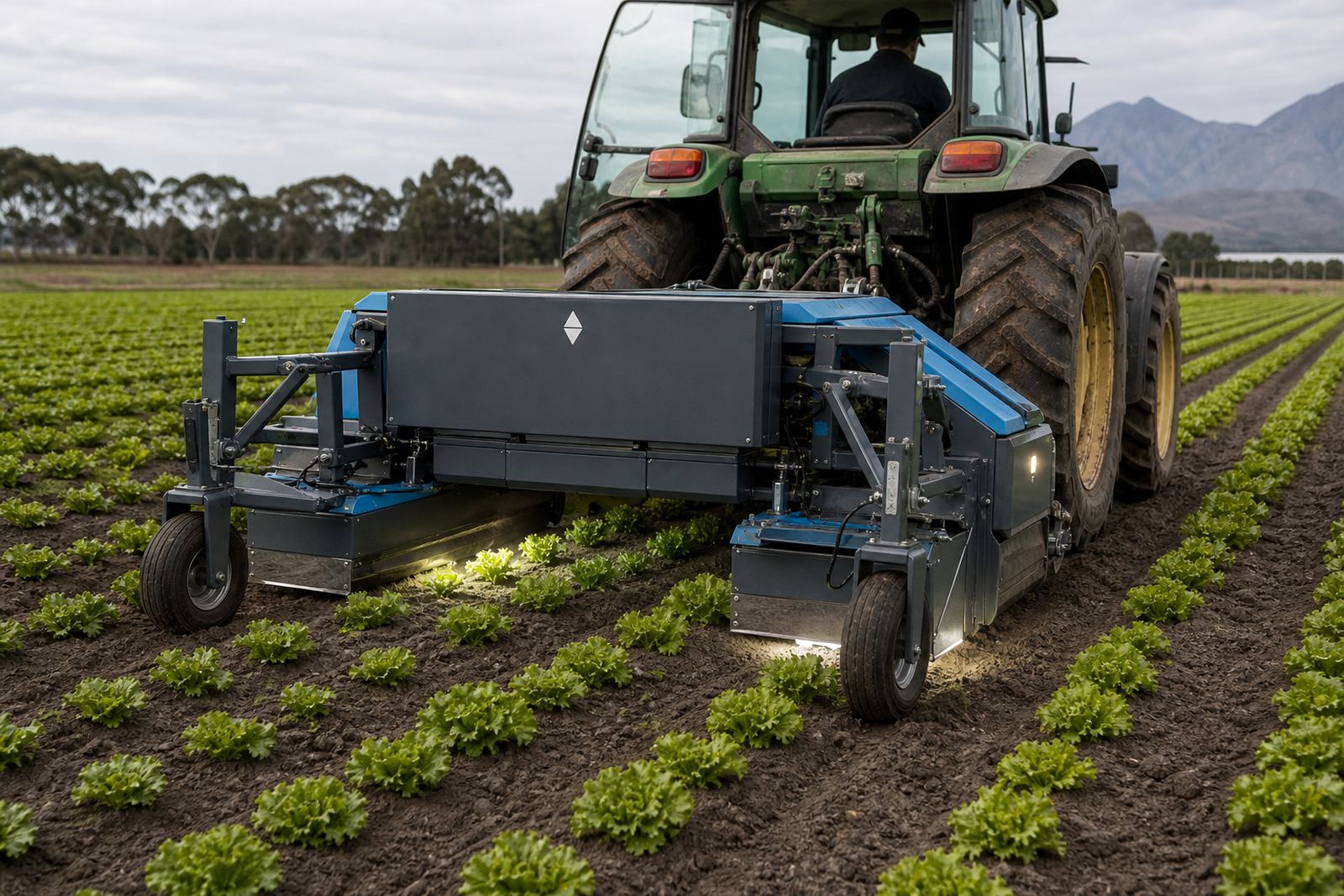
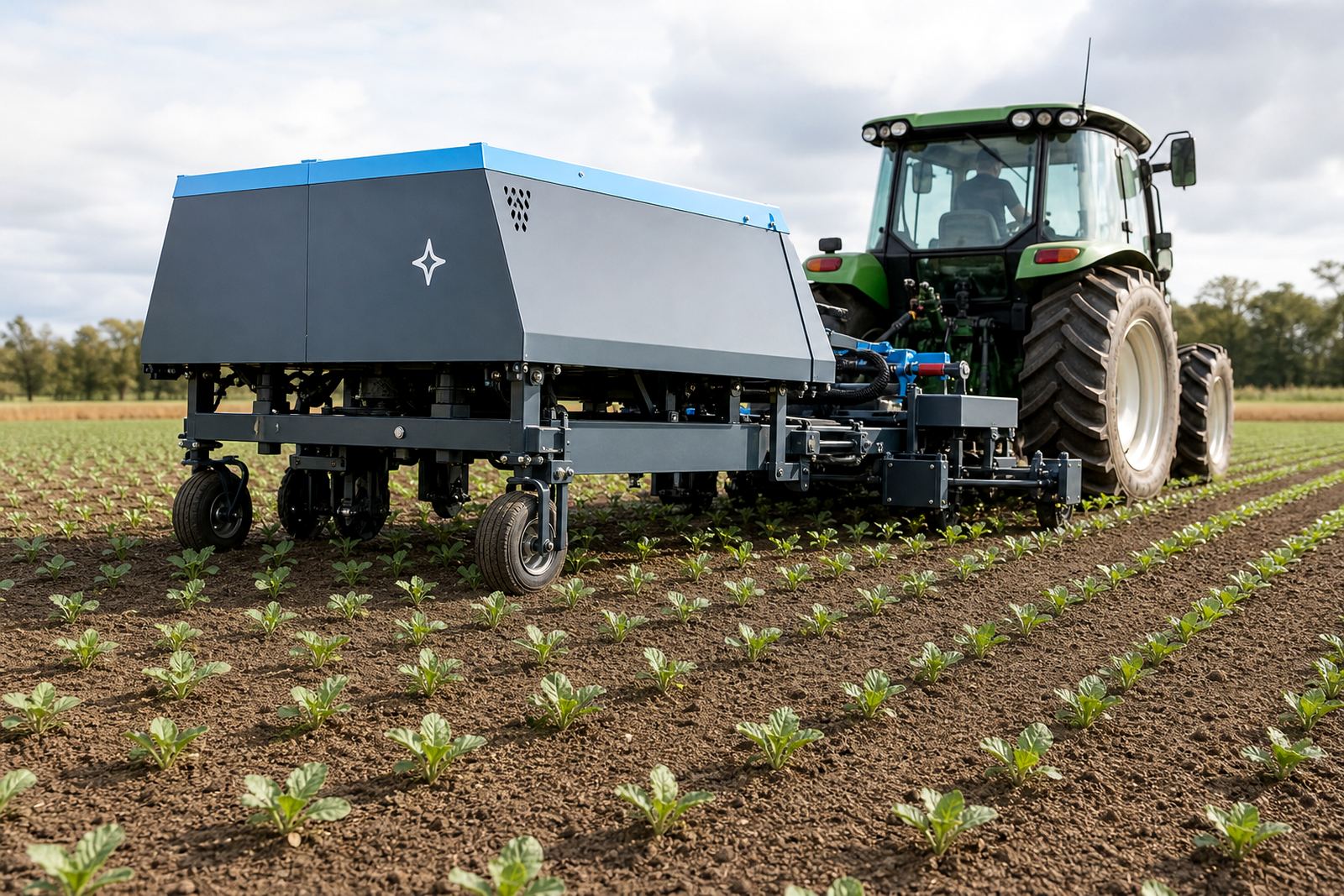
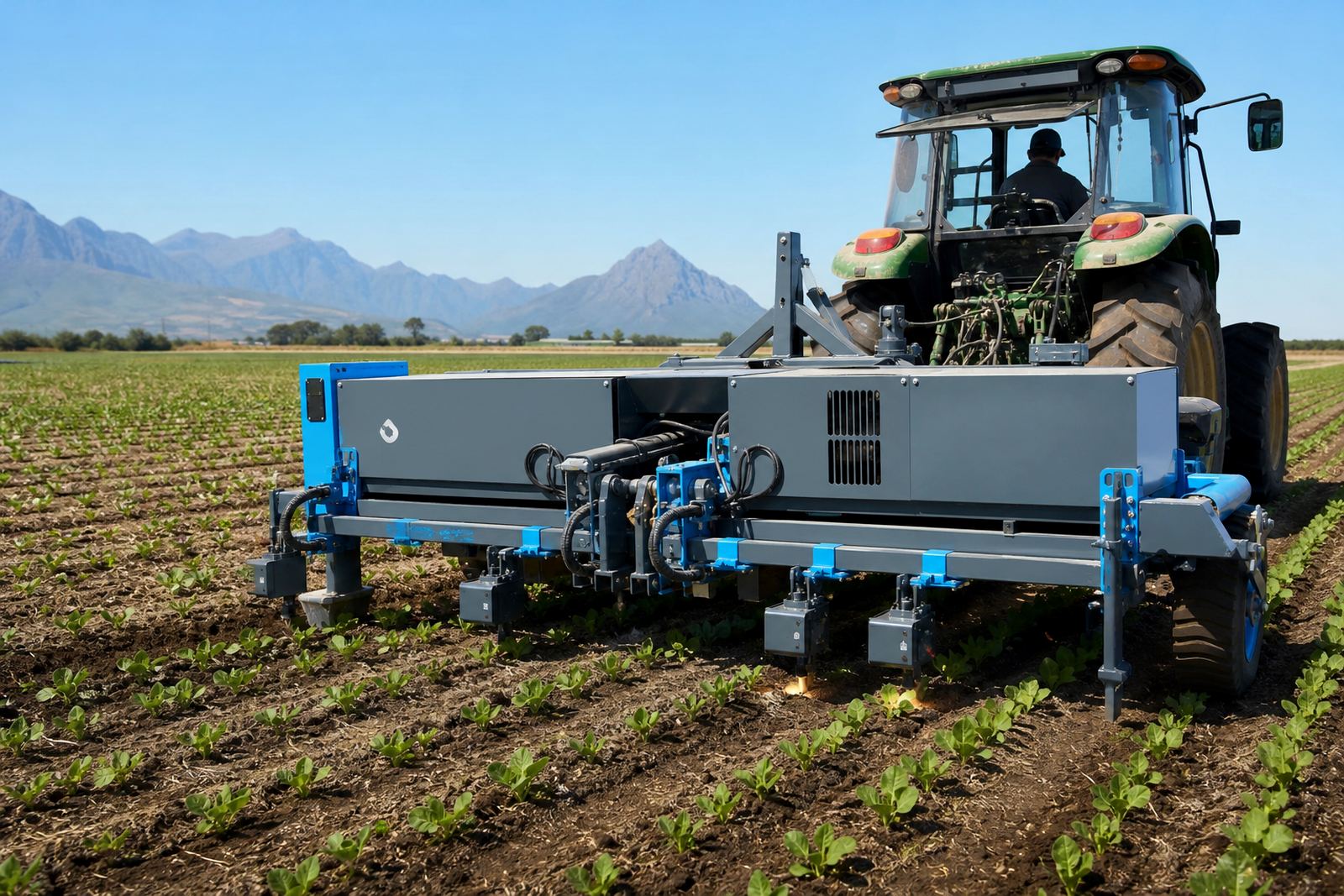
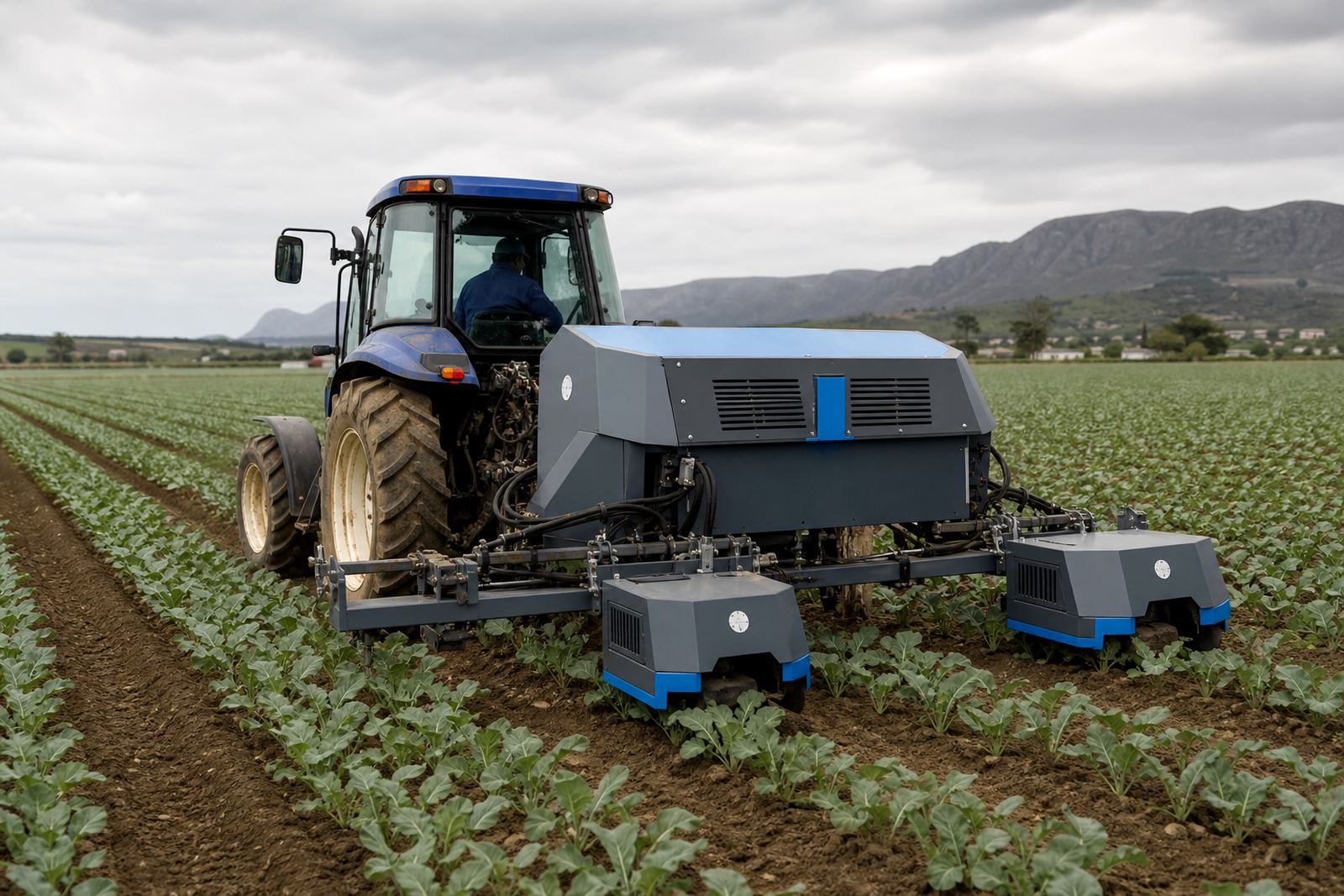
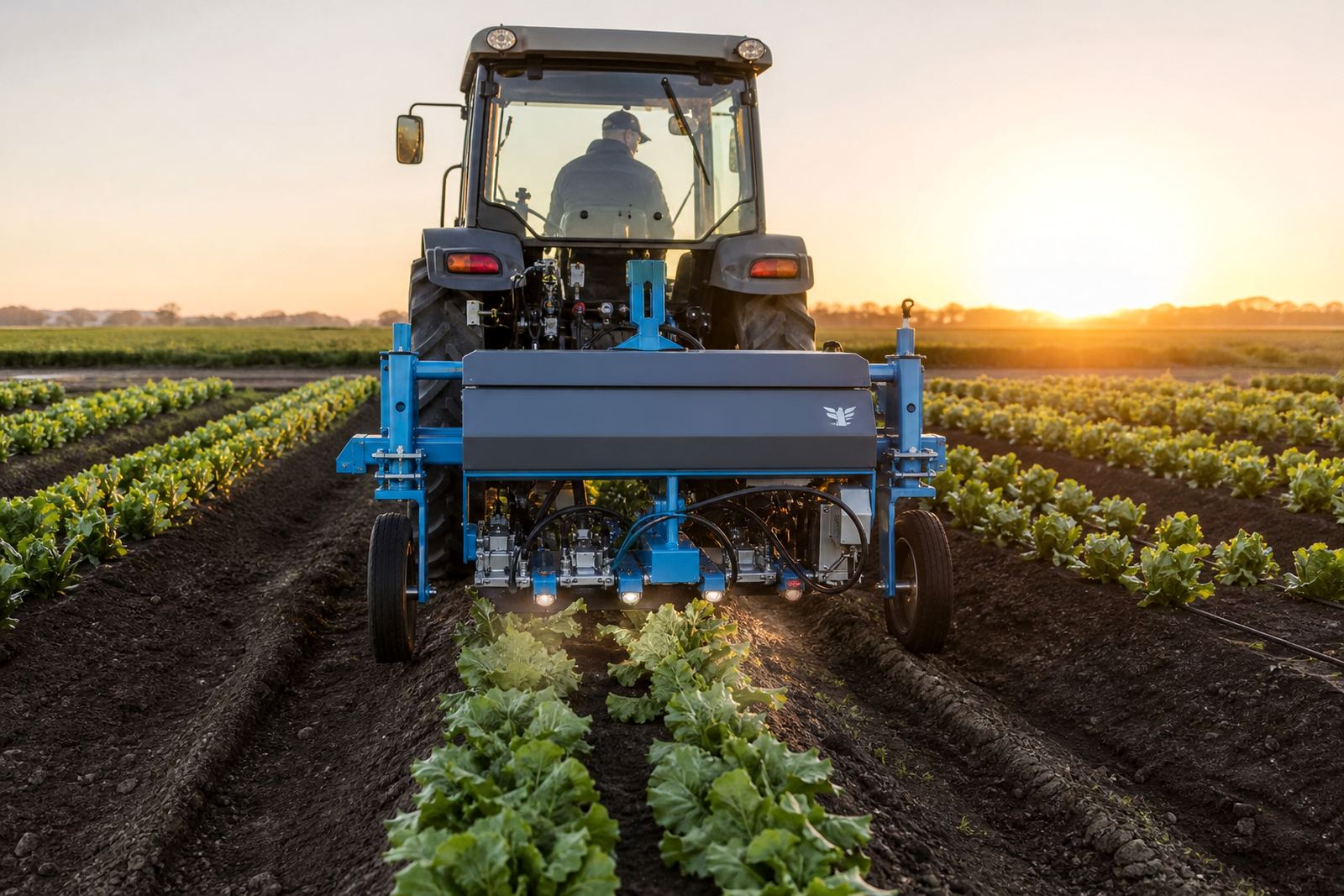
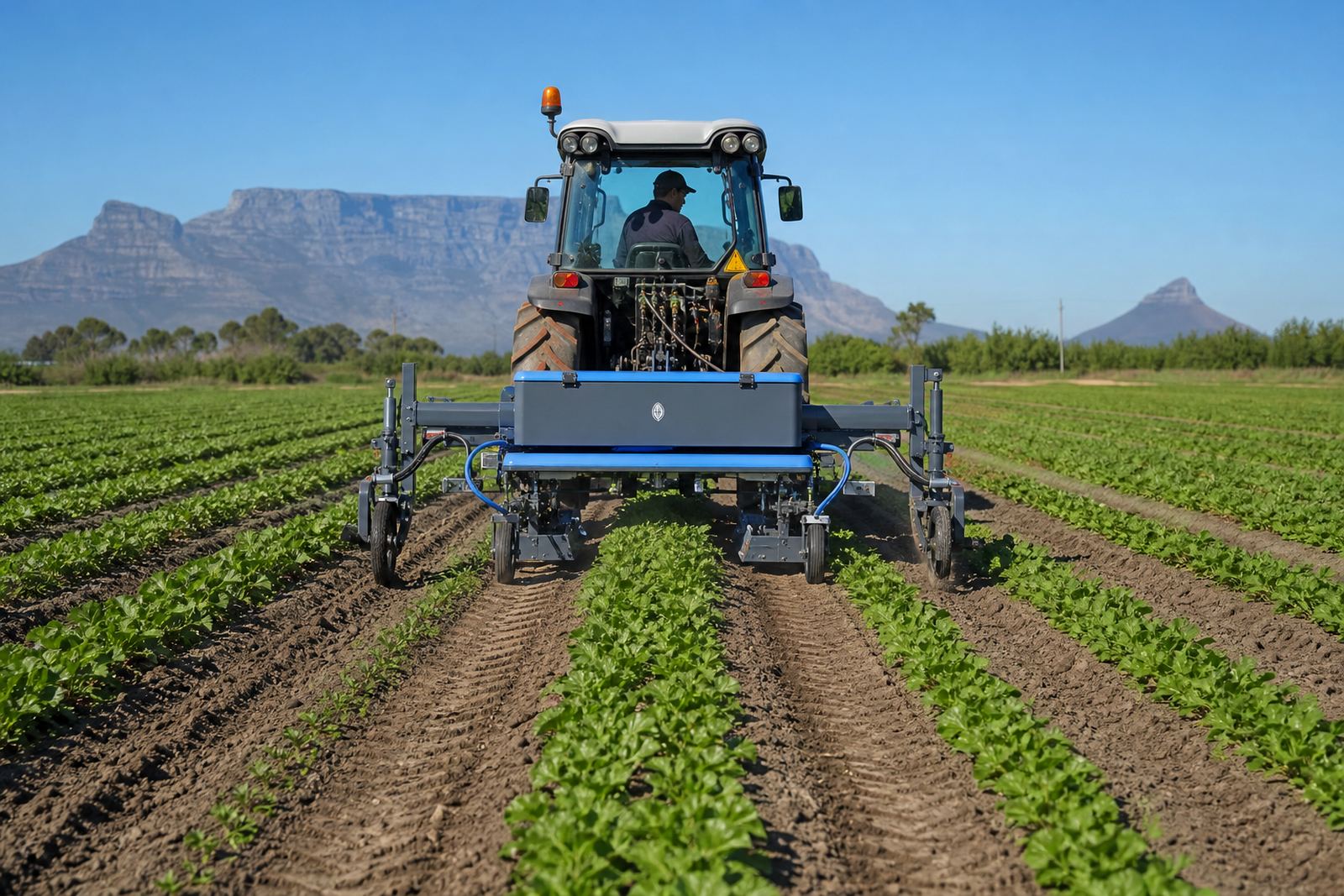
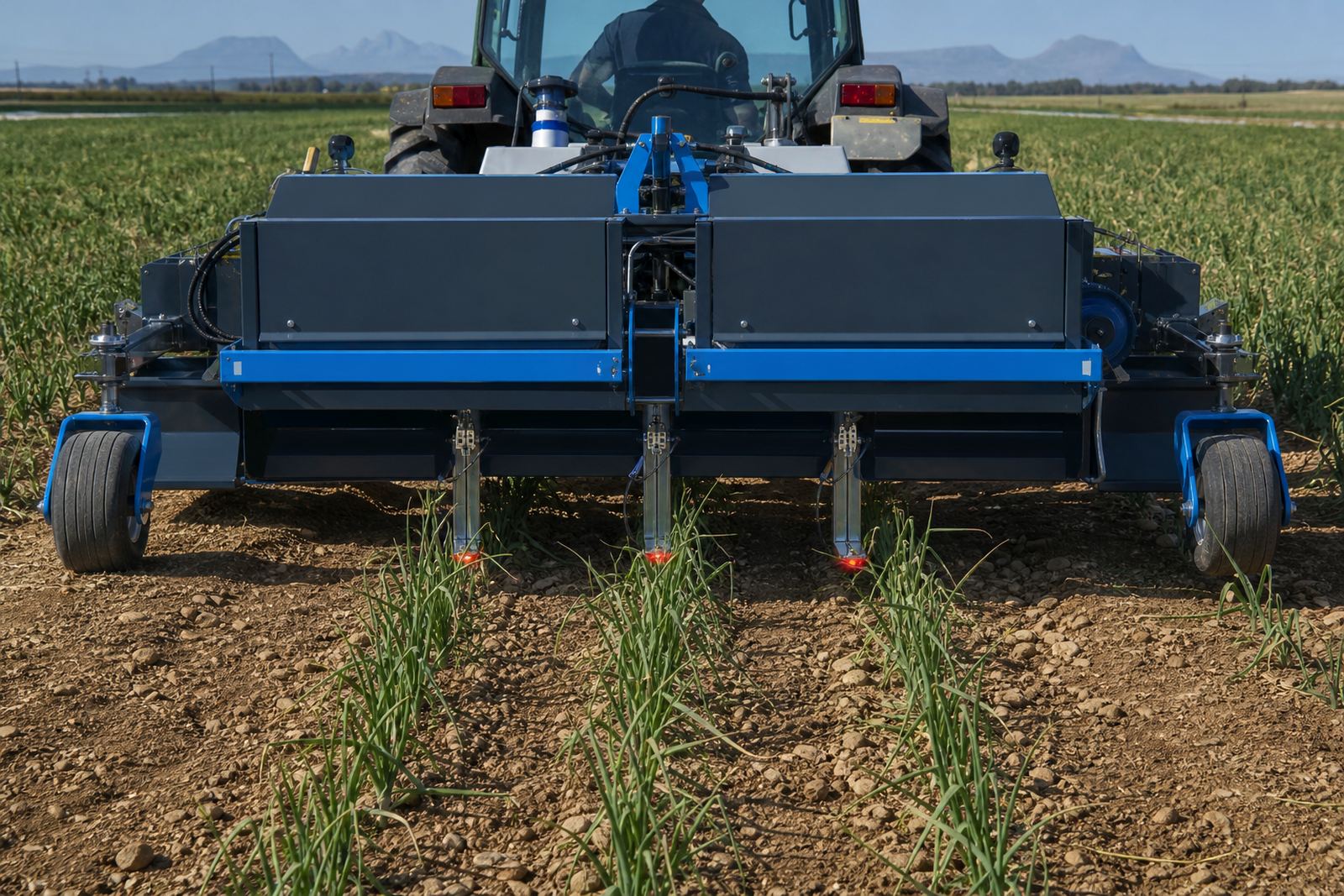
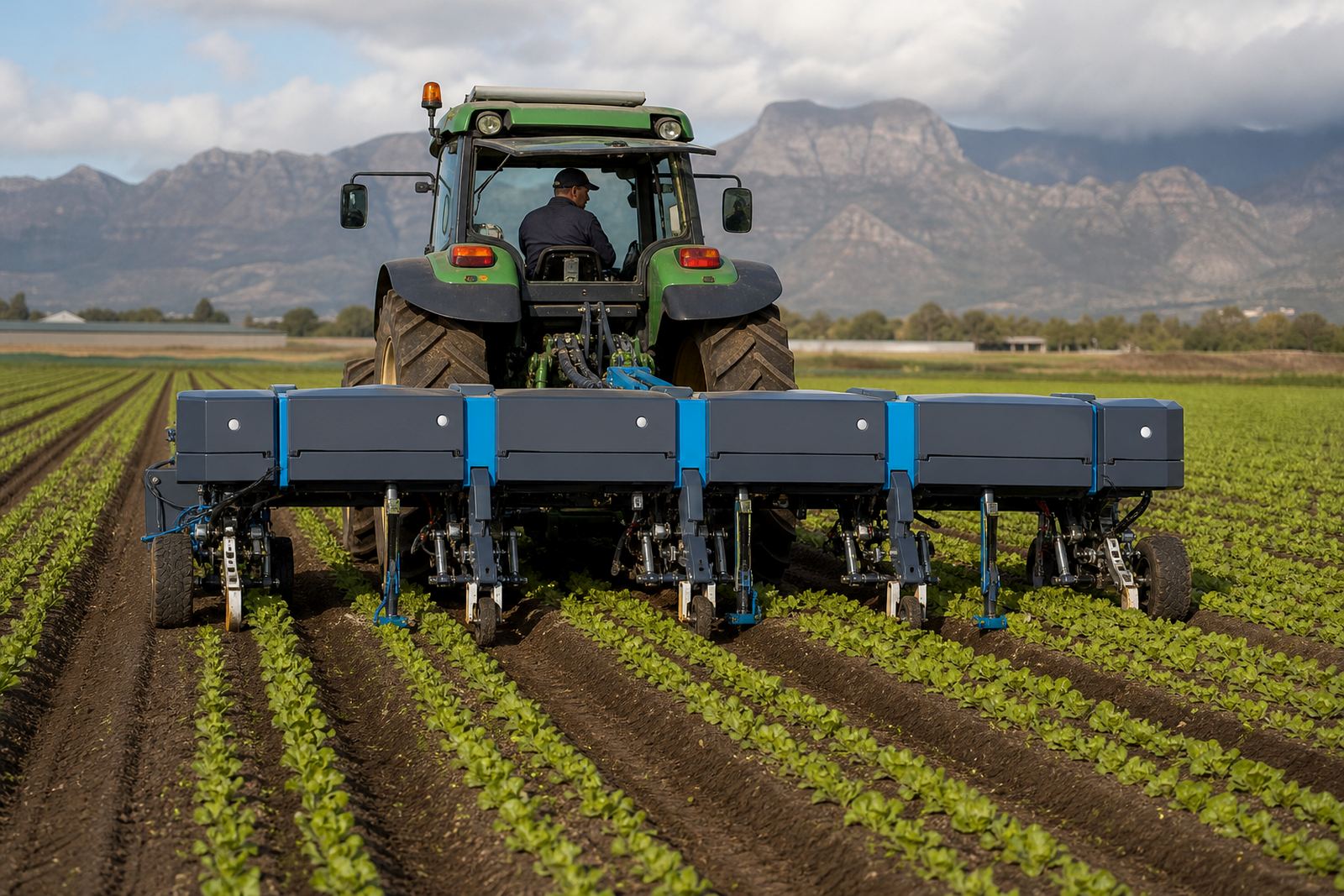
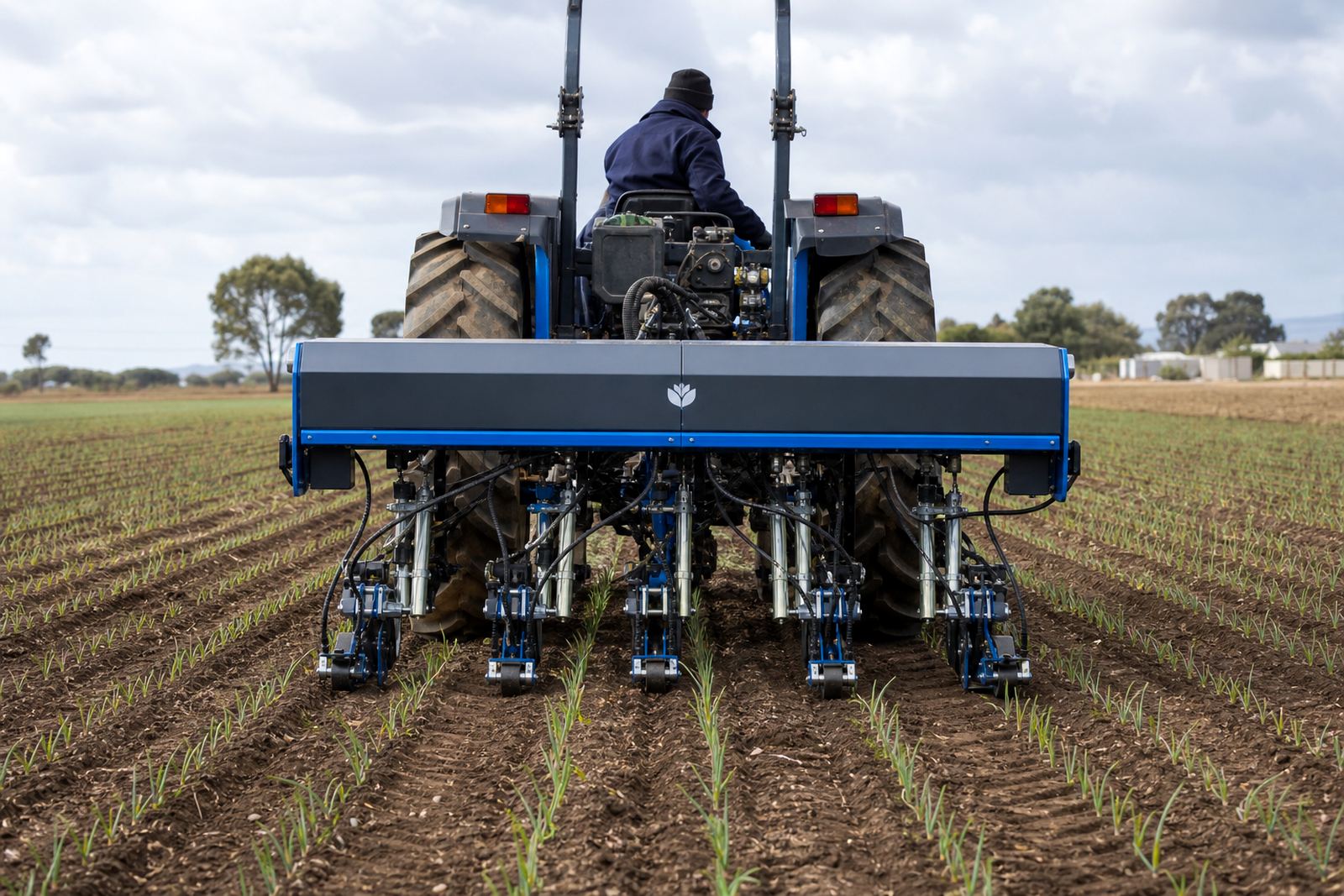
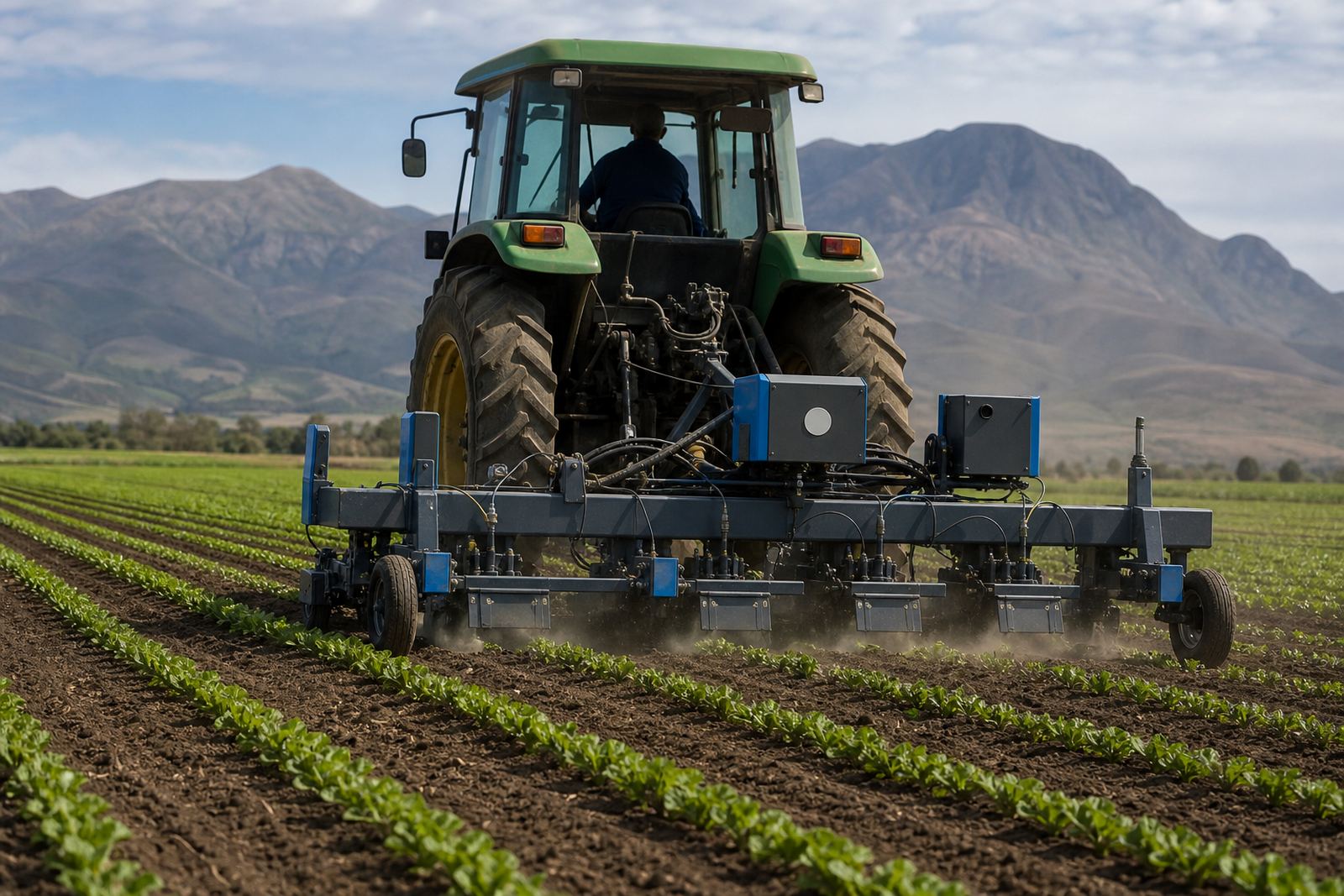
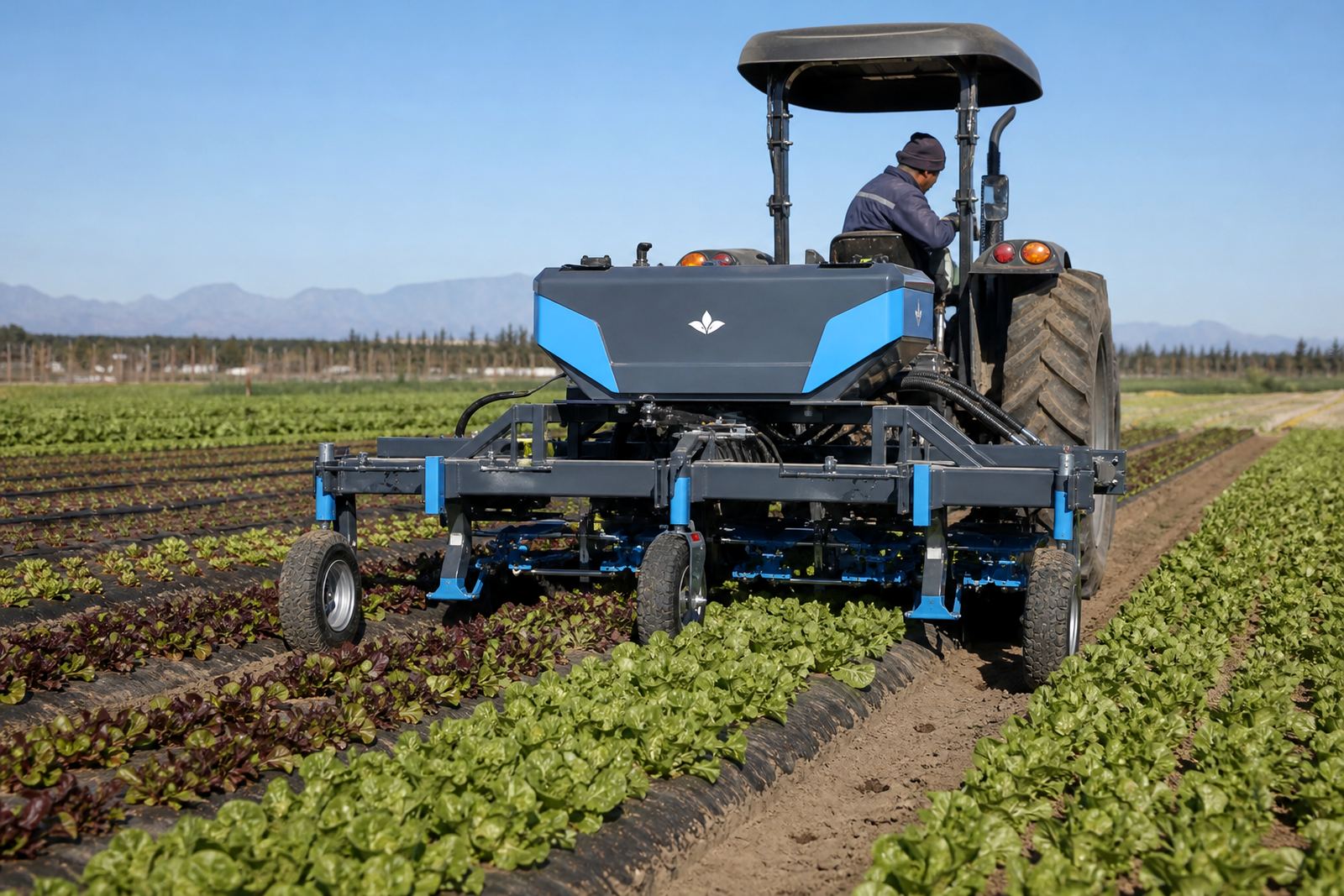
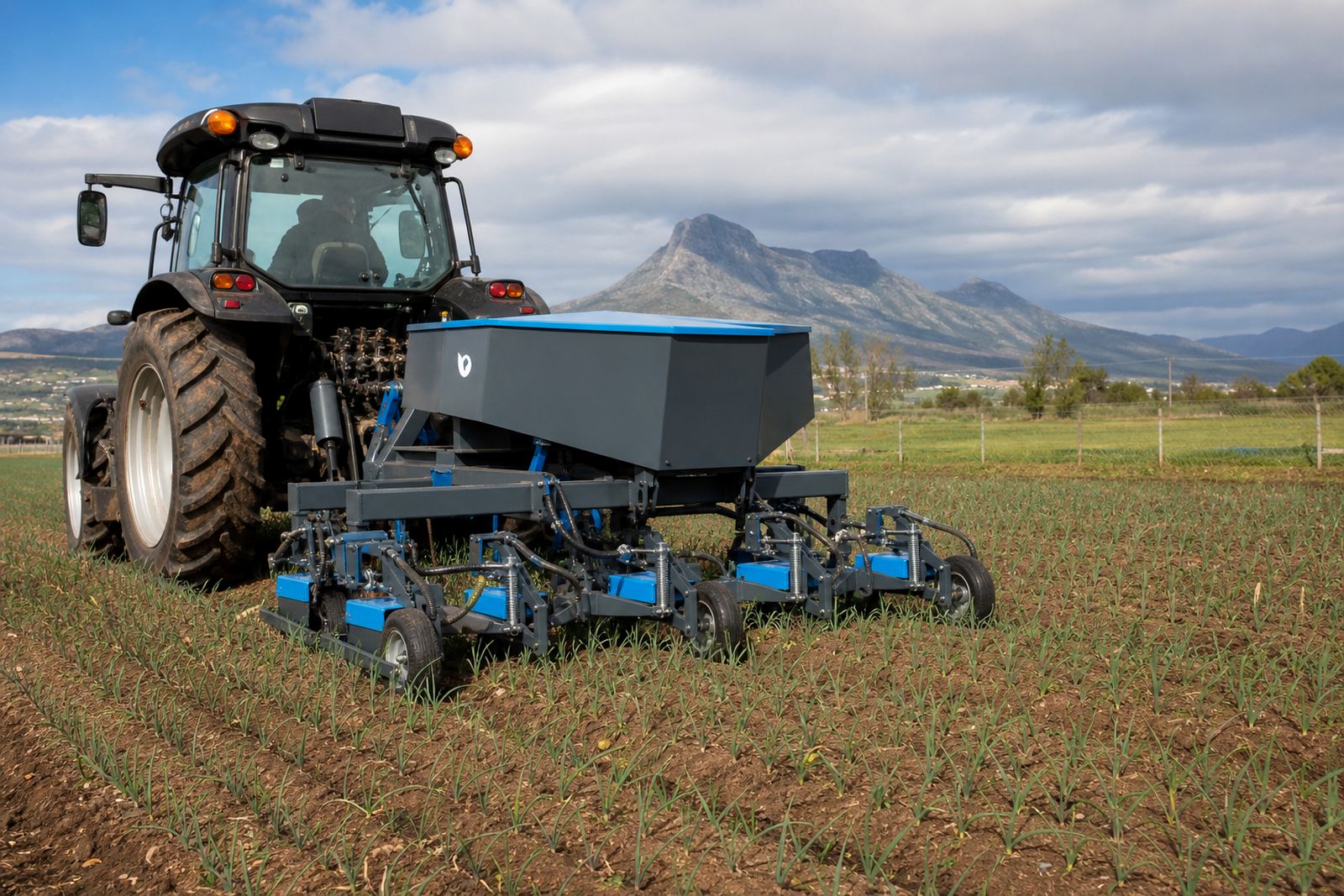
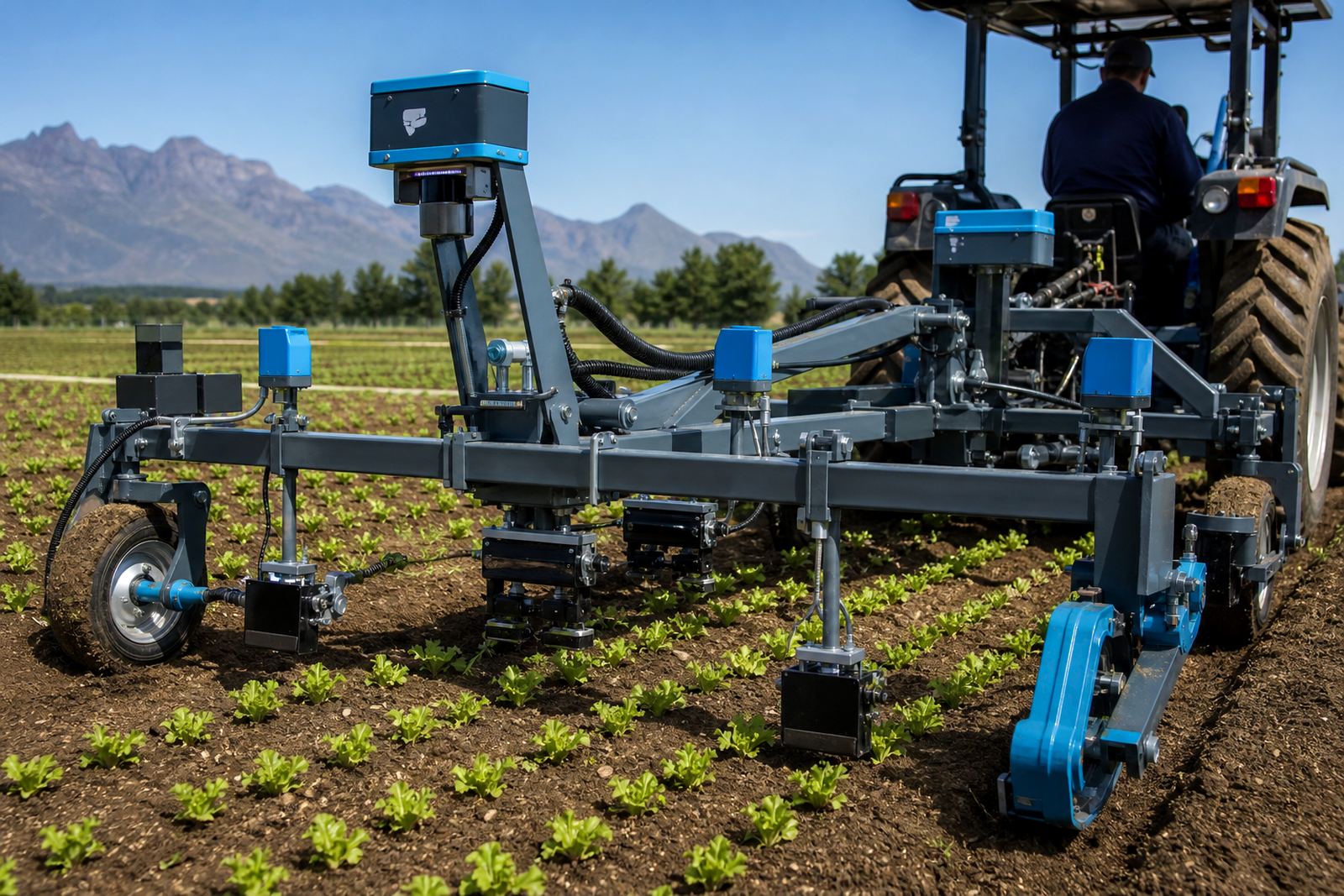
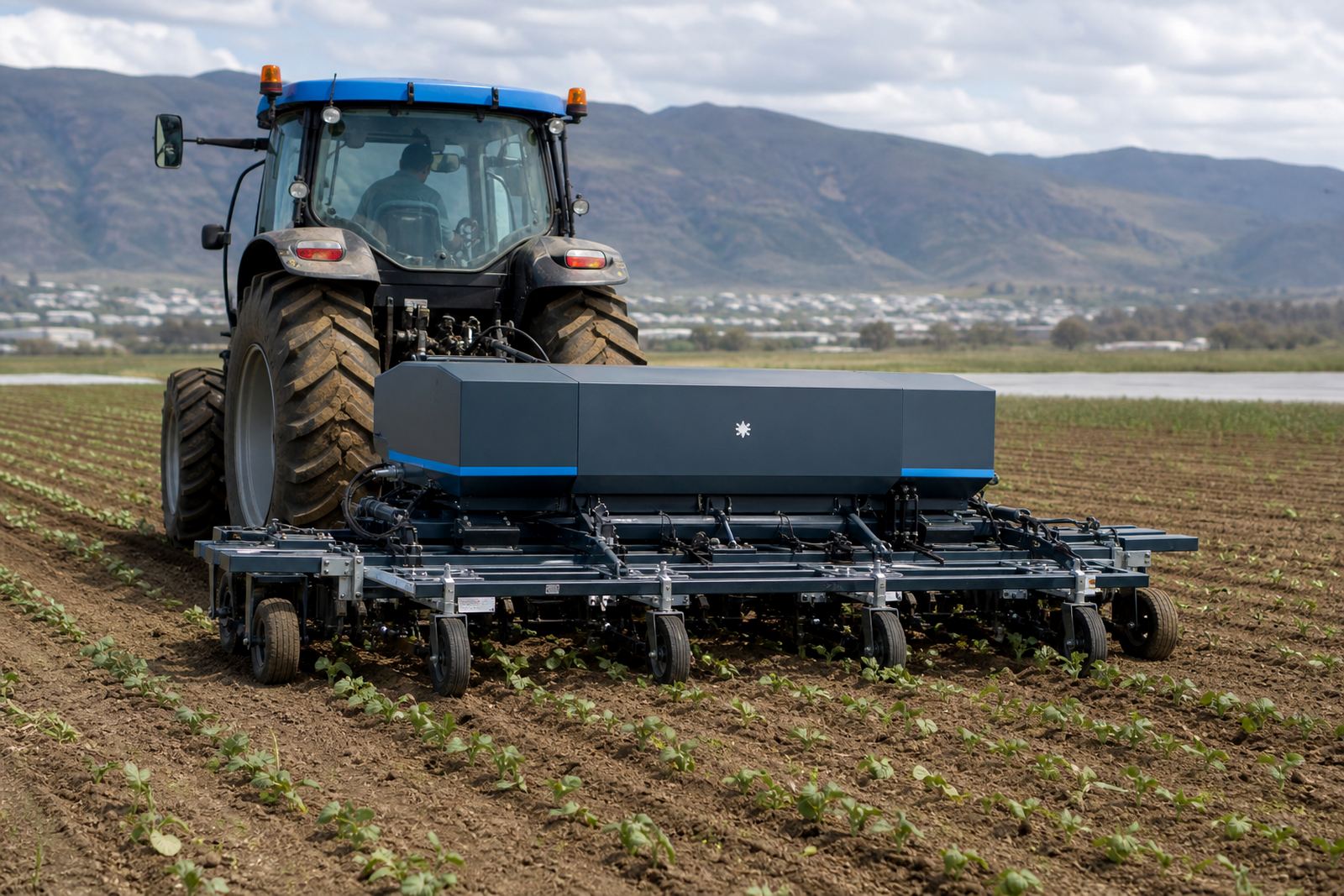
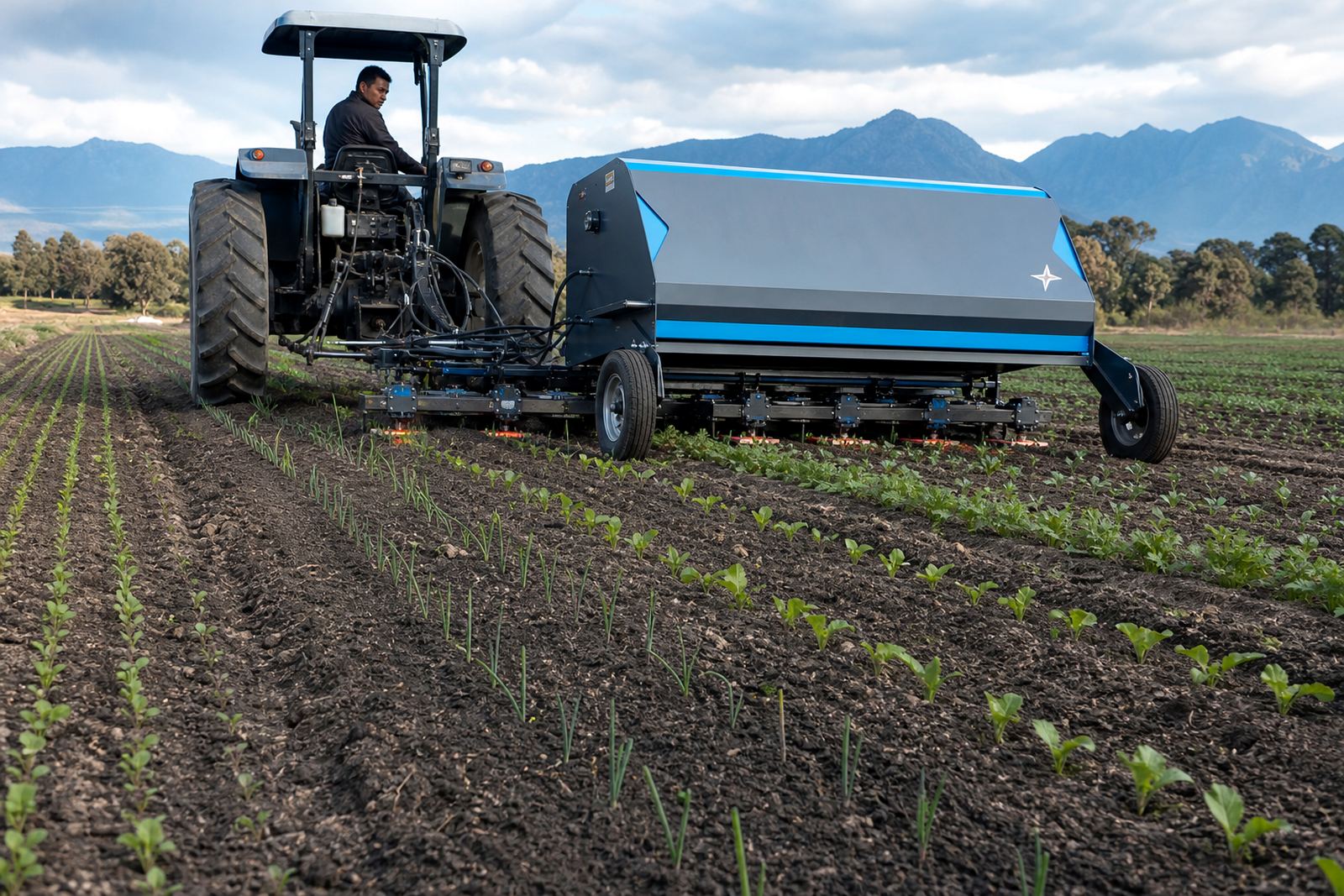
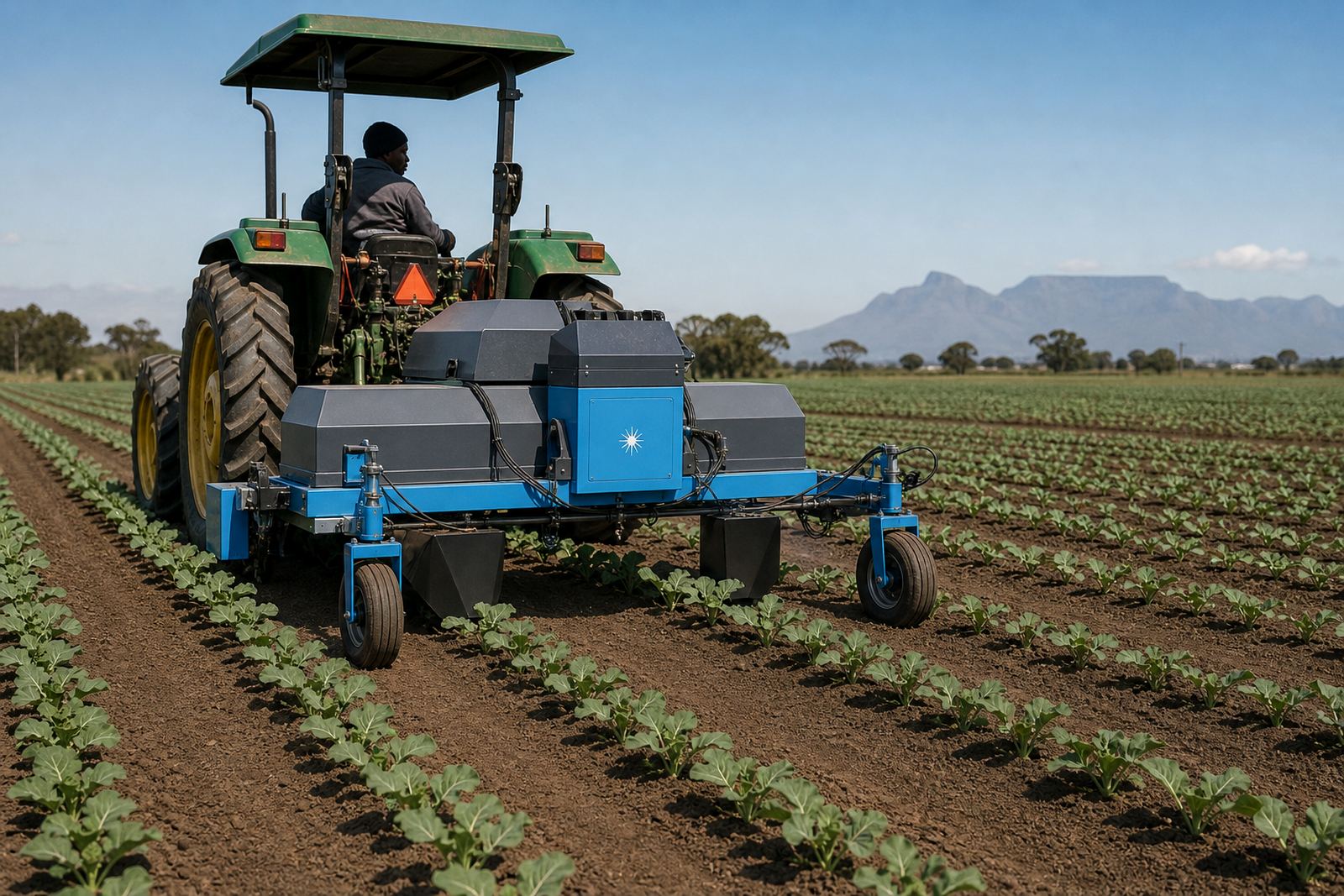
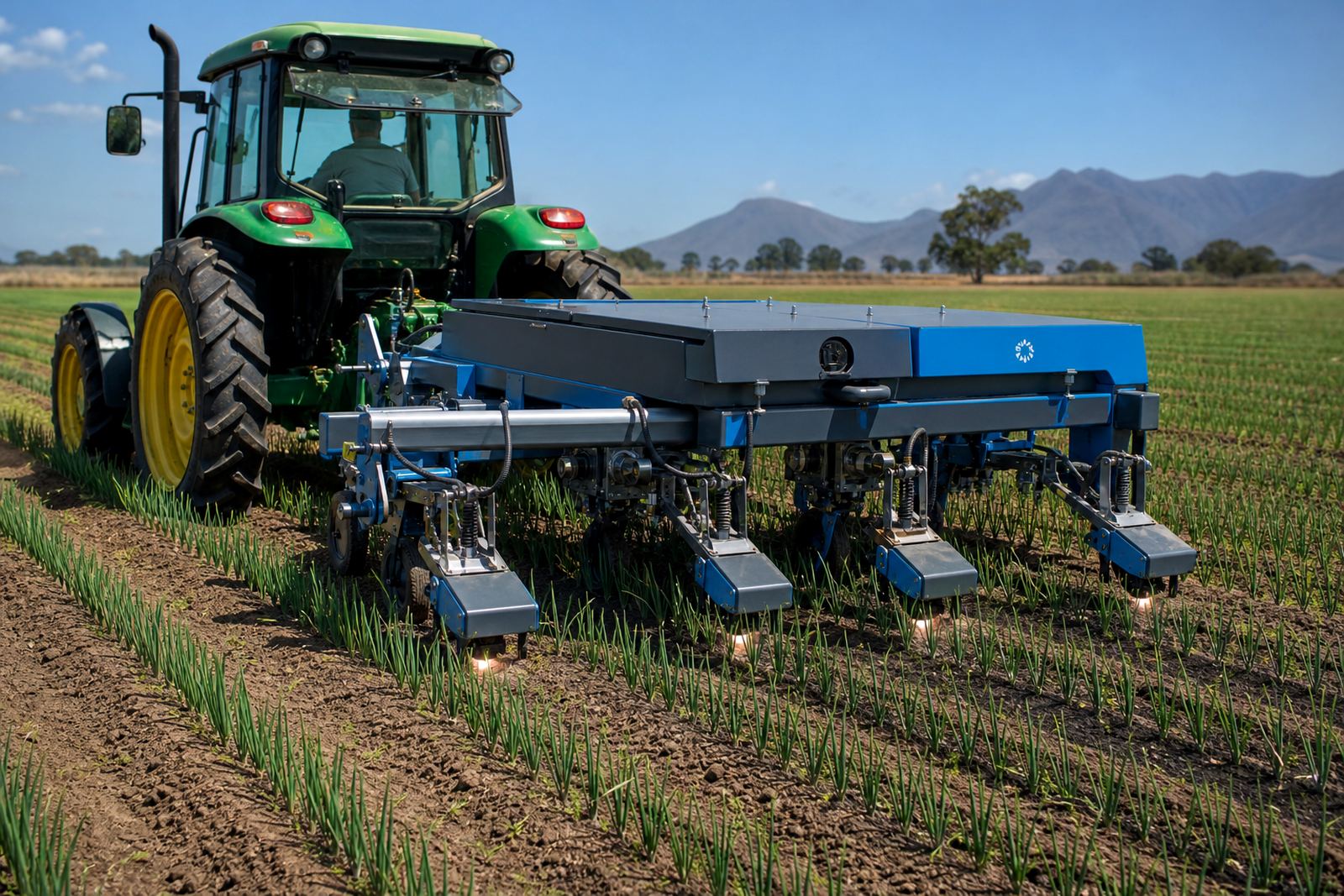
Our work is built for vegetable blocks where hand hoeing is too slow and blanket spraying is not the right fit. The unit is tractor-drawn and guided through the rows while camera systems read the crop line and help identify weed growth in the open spaces around it. Lasers then target the weed growing points, which lets the operator work close to the crop without throwing soil around or dragging tools through the bed.
This method suits row crops such as onions, carrots, lettuce and brassicas, especially where timing matters and weeds are still at an early stage. Fields with heavier weed pressure can move at a slower pace, while lighter blocks may be covered more quickly. The work depends on crop spacing, weed size, row condition and how clean the field was at the previous pass.
- Tractor-drawn laser weeding units
- Camera-guided weed detection
- Targeted treatment between and around plants
- No herbicide sprays and no soil disturbance
What leaves the farm gate with our team
Growers book us for more than one pass in a season when the crop layout and weed flush call for it. We handle field assessments, crop timing plans, trial strip runs and repeat pass planning, so the work matches the crop stage rather than a fixed calendar. A section that is too young or too wet may not be the right candidate yet, while a block that has already moved past the best timing window may need a different plan.
Our operators work with the field conditions on the day, and the schedule is set around farm movements, access tracks, waterlogged corners and the practical shape of each block. That matters on mixed farms where different crops sit in different stages at the same time.
- Field assessments and arrival site checks
- Trial strip runs for hard-to-read blocks
- Post pass reporting for the grower team
- Repeat pass planning and season bookings
Vegetable blocks we work through across the country
We serve growers across South Africa from Philippi, Cape Town and the surrounding vegetable belt, with scheduled work in the Western Cape, Limpopo, Mpumalanga, KwaZulu-Natal and the Free State. That includes farms around Ceres, Grabouw, Tzaneen, Bela-Bela, Nelspruit, Howick and Bethlehem, where row crop production often runs on tight labour and timing.
Each region brings its own conditions. Coastal humidity can change weed growth patterns and field access, while inland blocks may have dust, heat and long travel between fields. The job is still the same at its core: read the crop, line up the machine correctly, then work the weeds without disturbing the bed structure.
- Philippi and the Cape Town vegetable belt
- Ceres and Grabouw
- Tzaneen, Bela-Bela and Nelspruit
- Howick and Bethlehem