

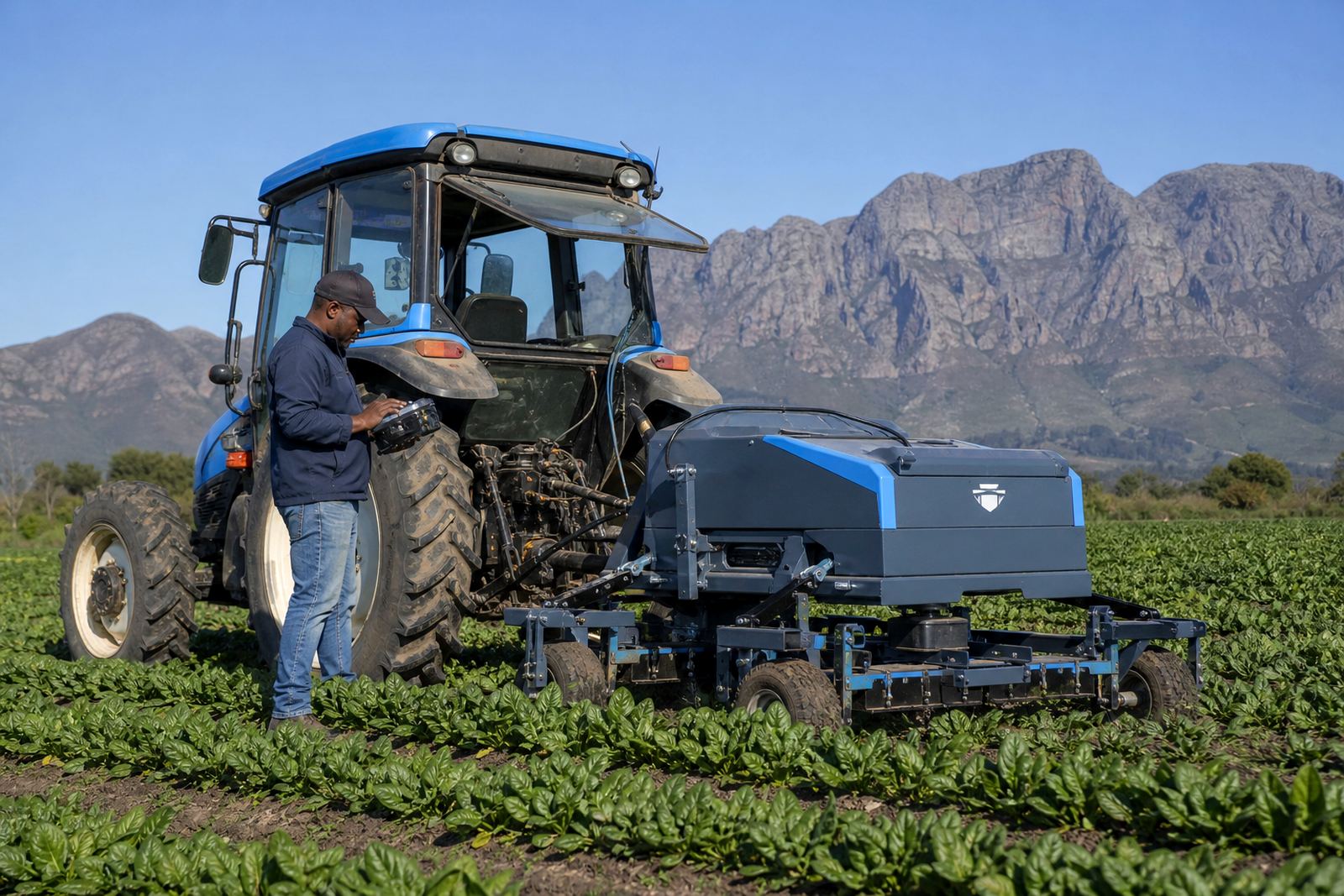
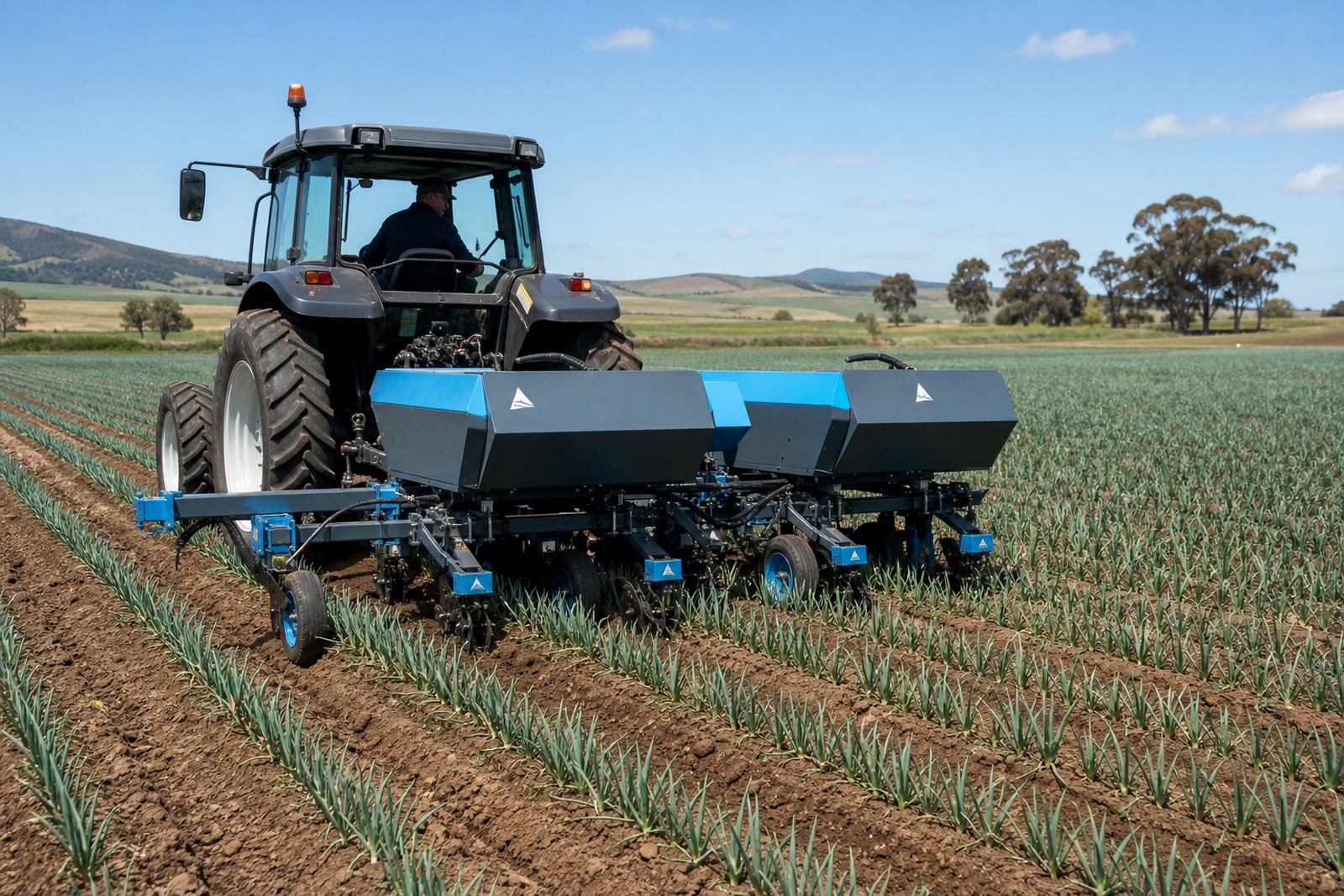
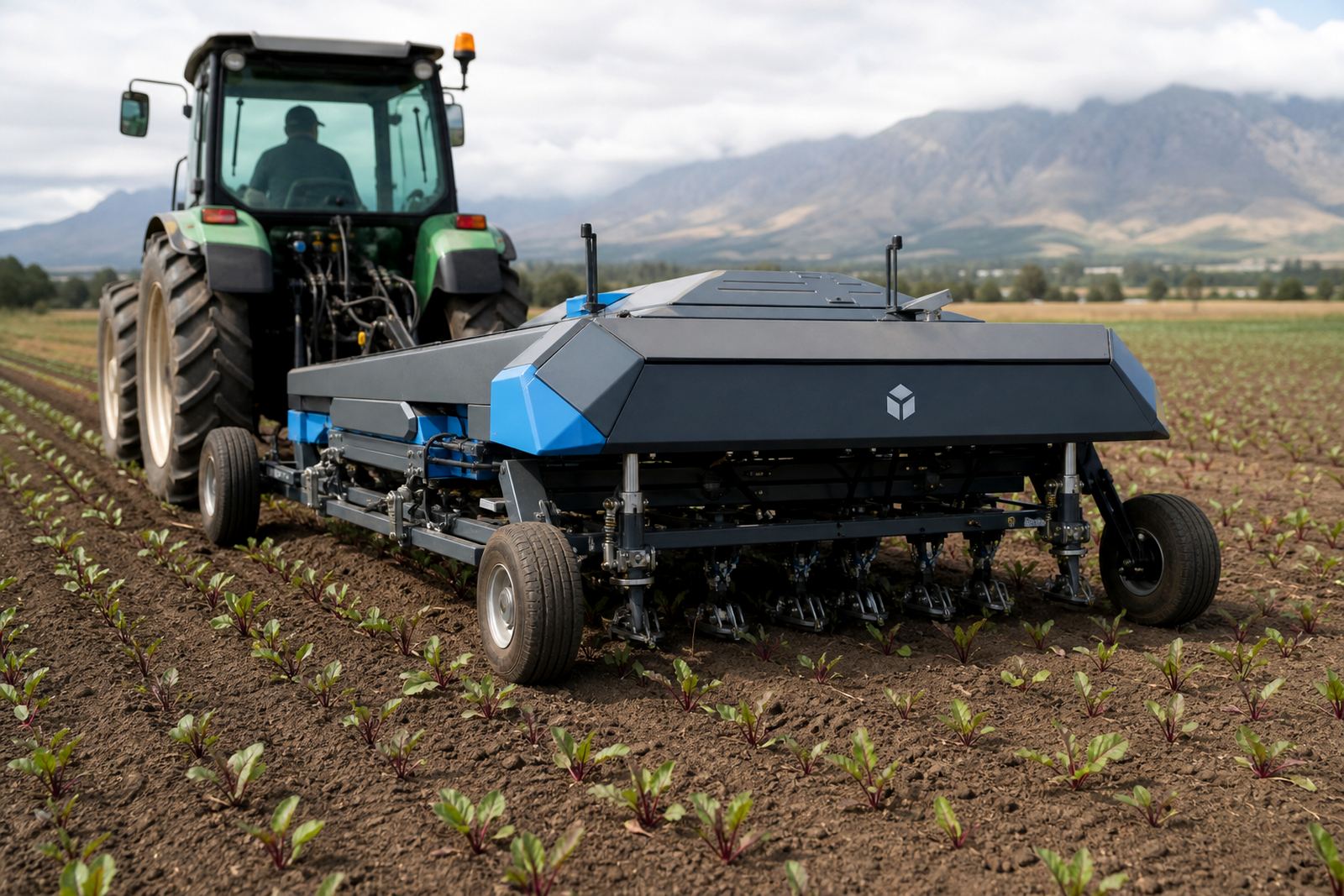
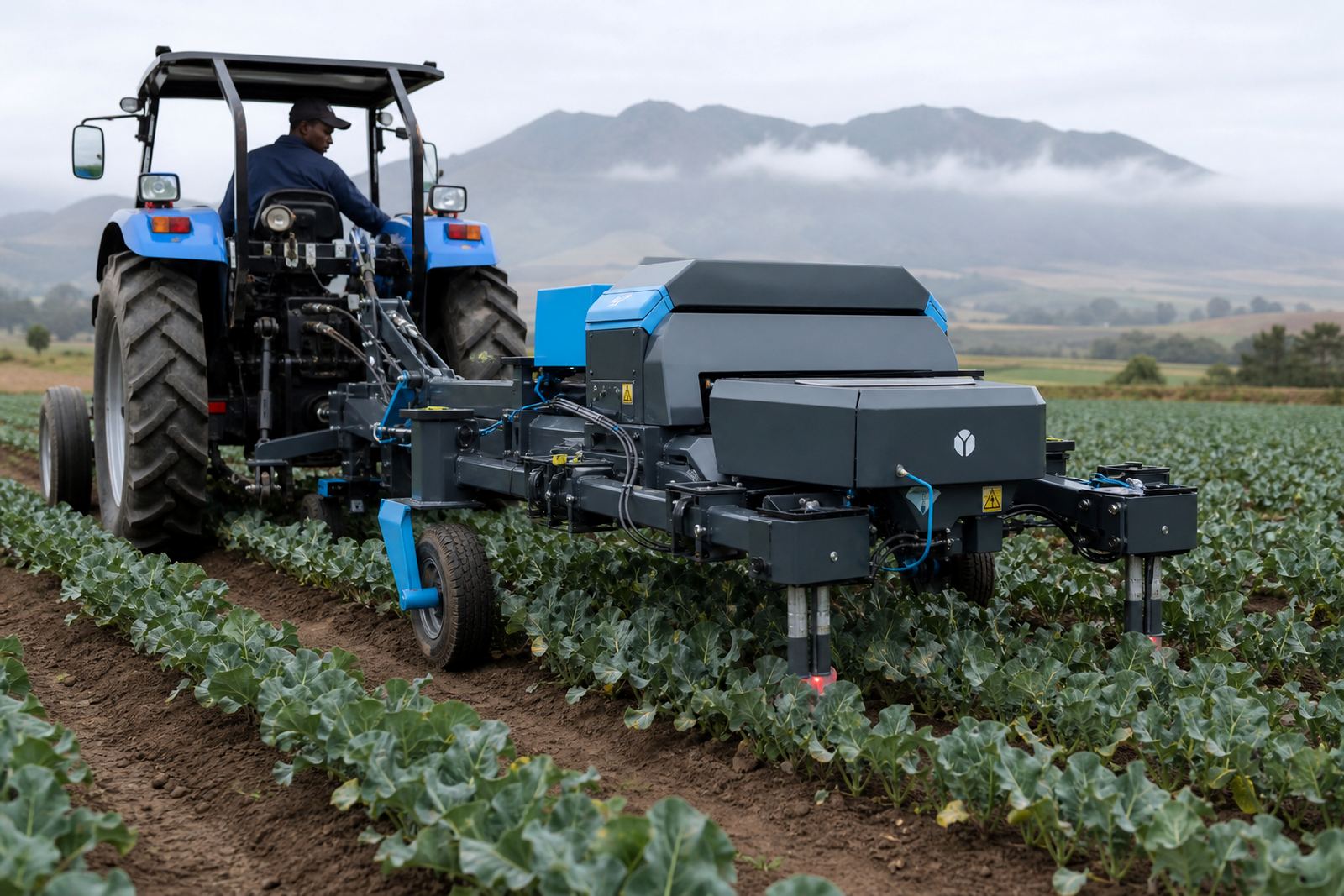
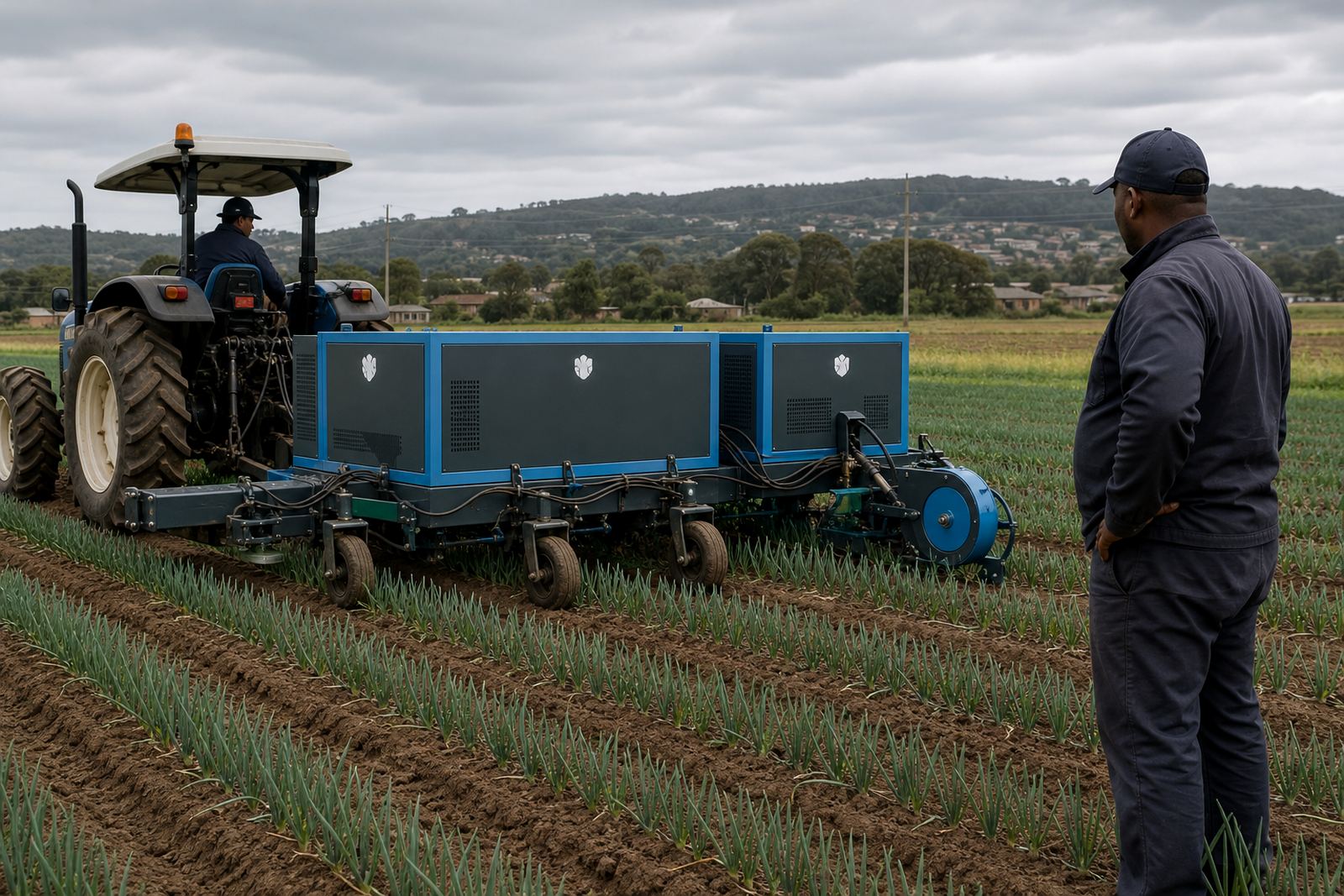
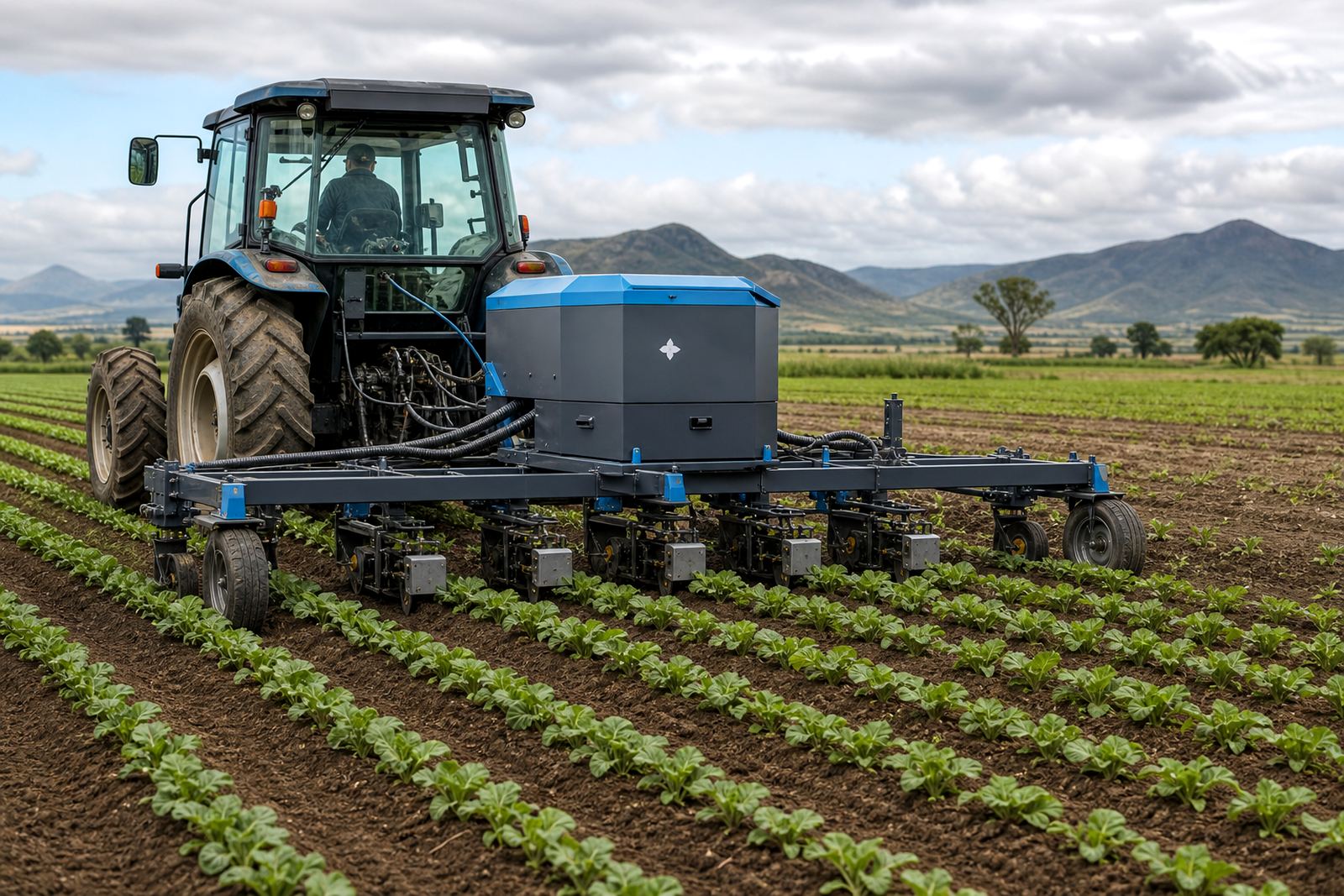
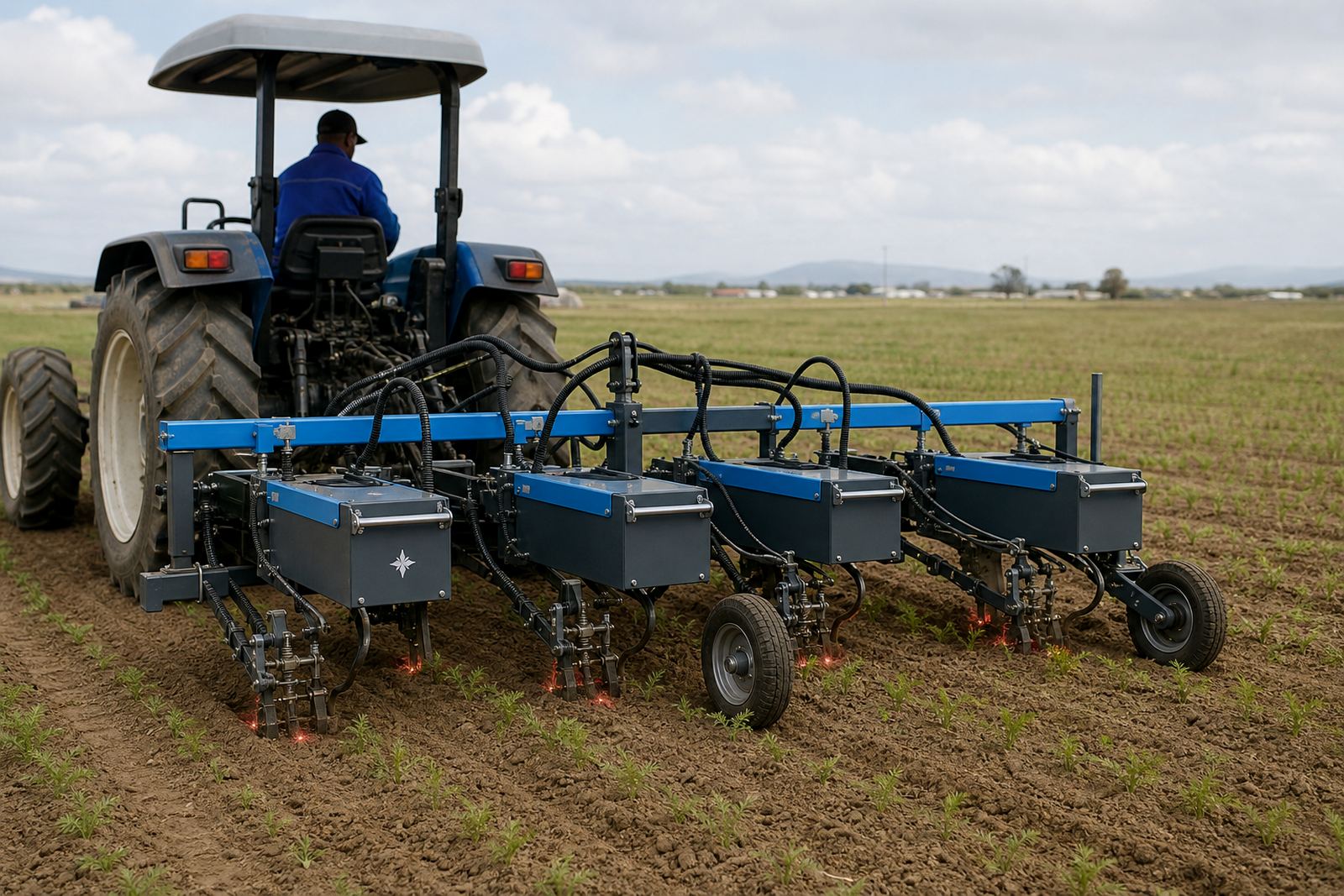
What sits inside a real trial note
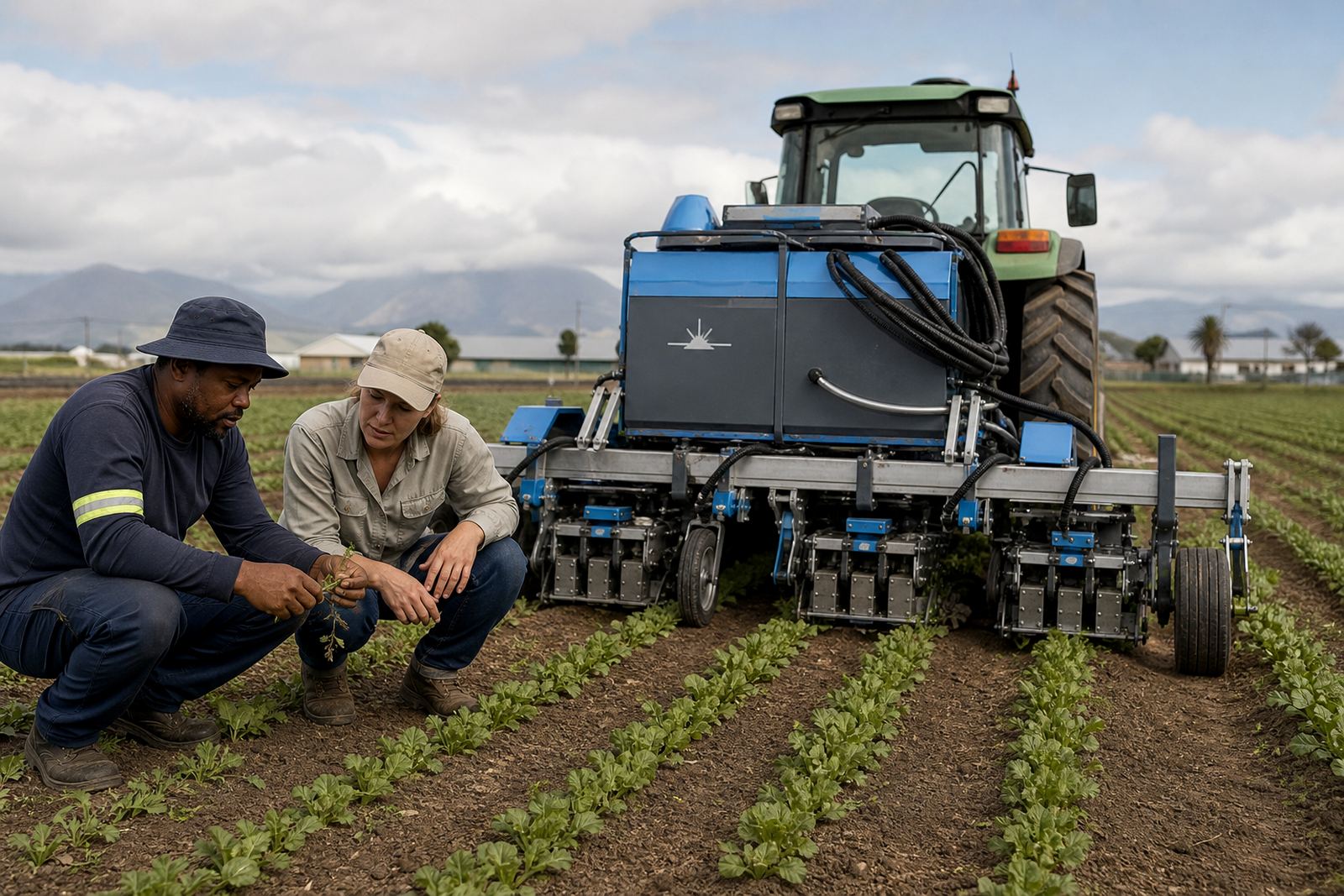
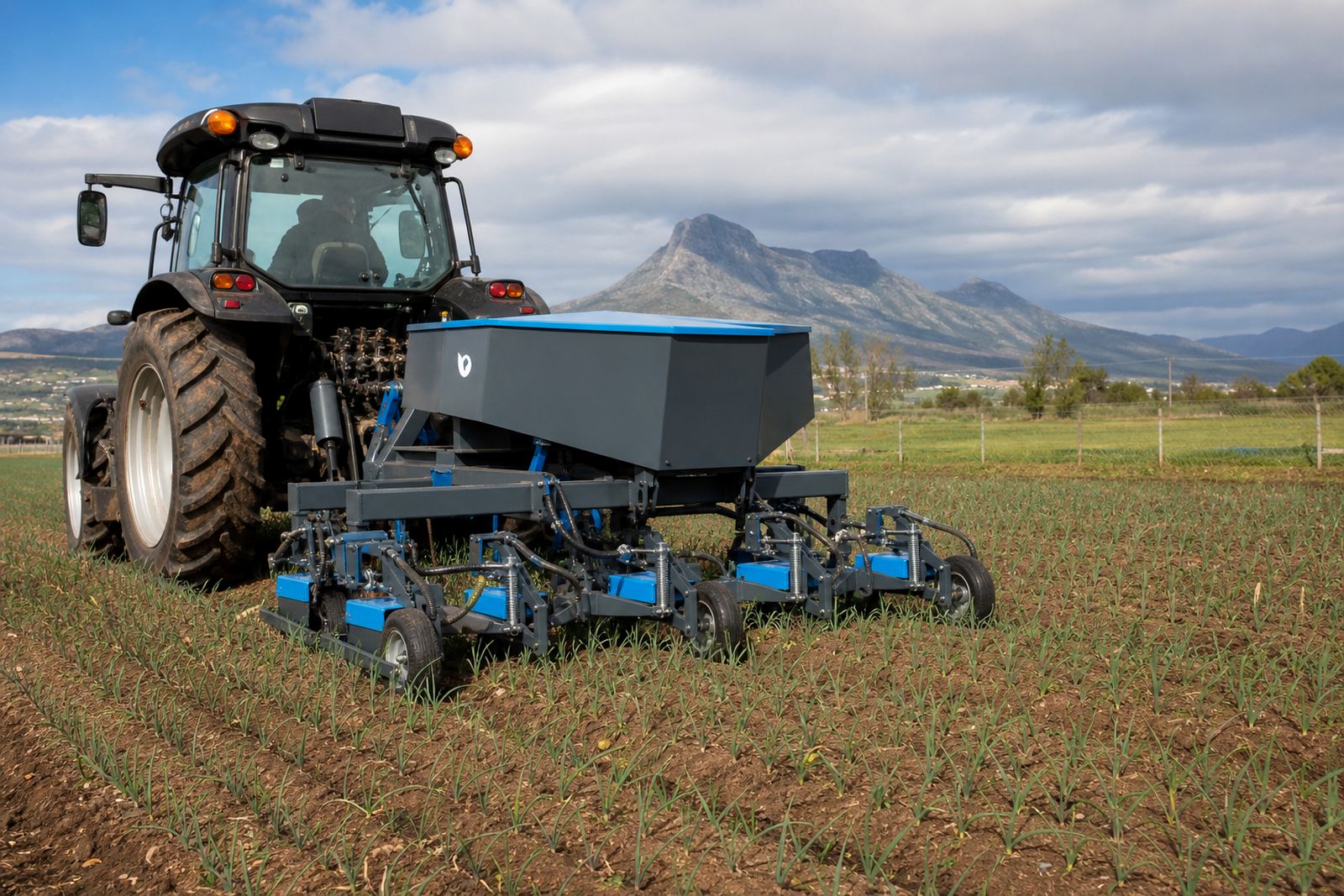
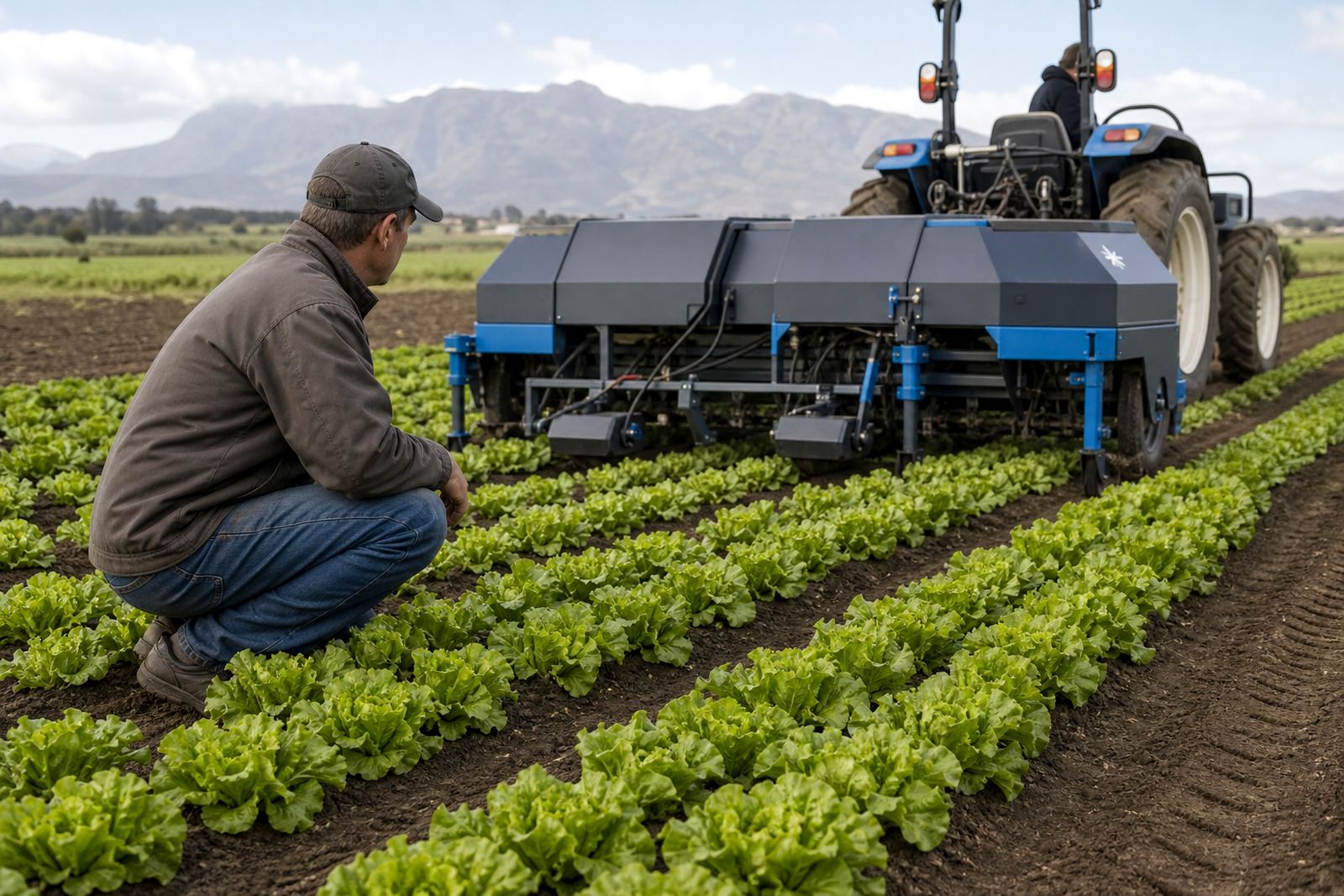
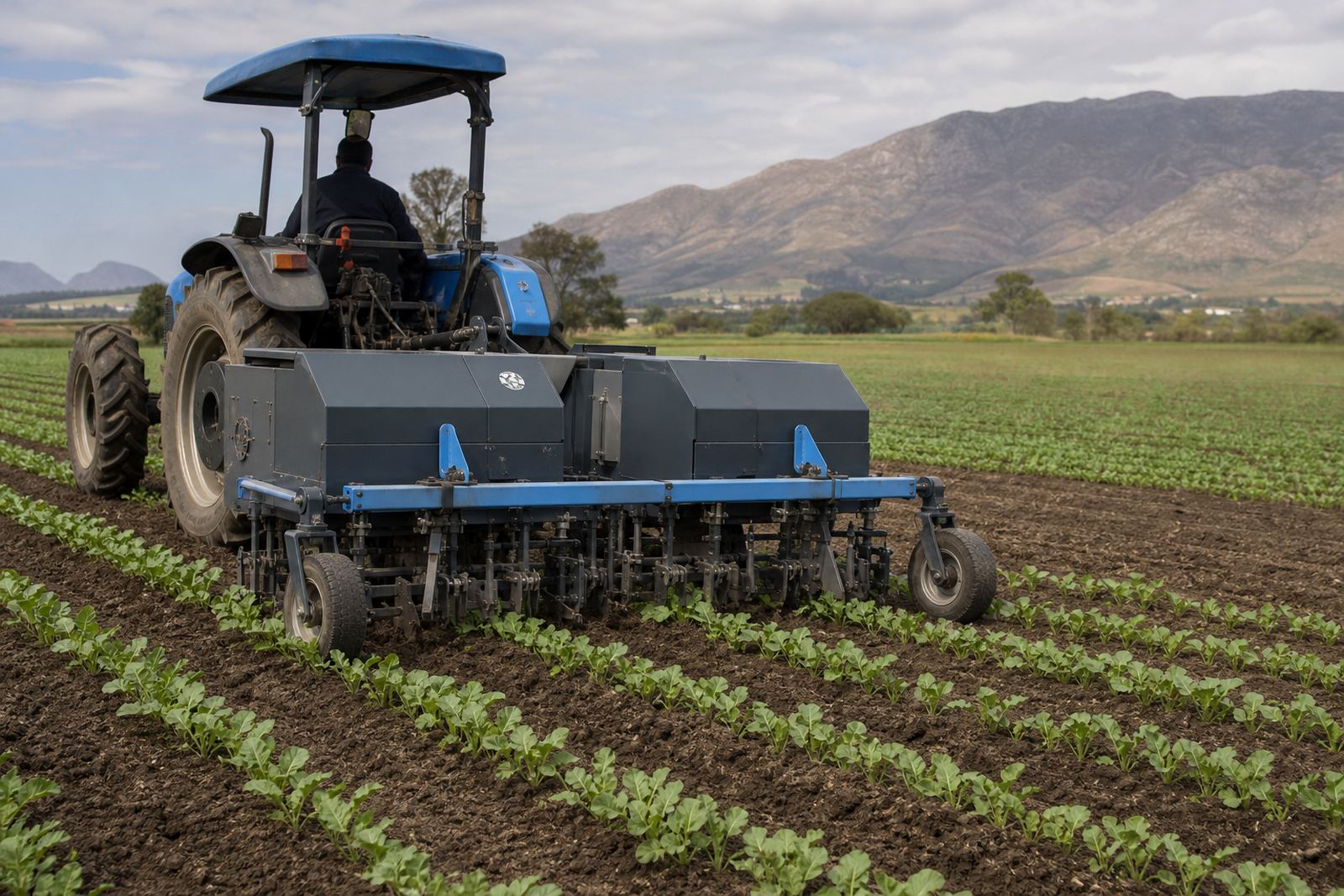
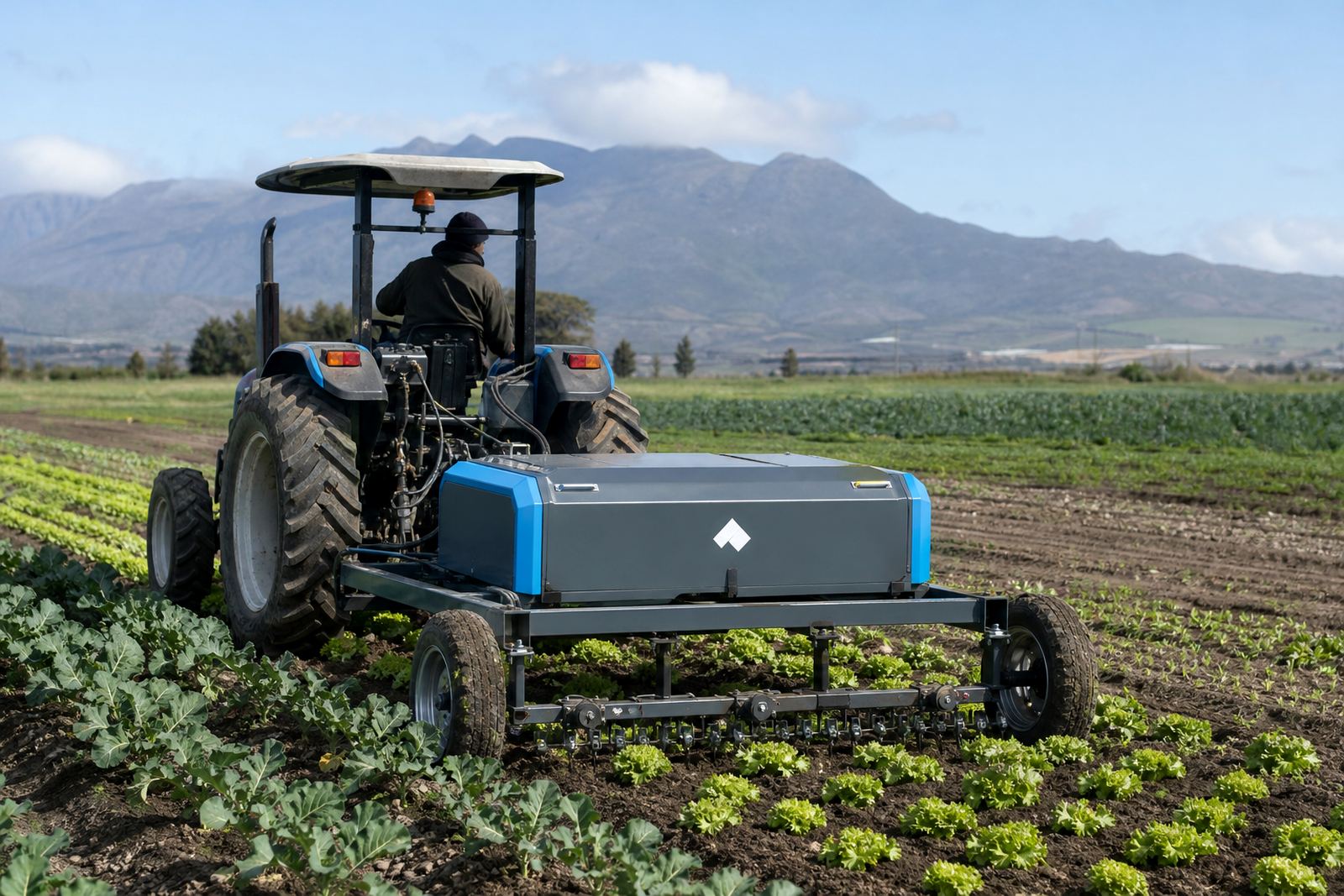
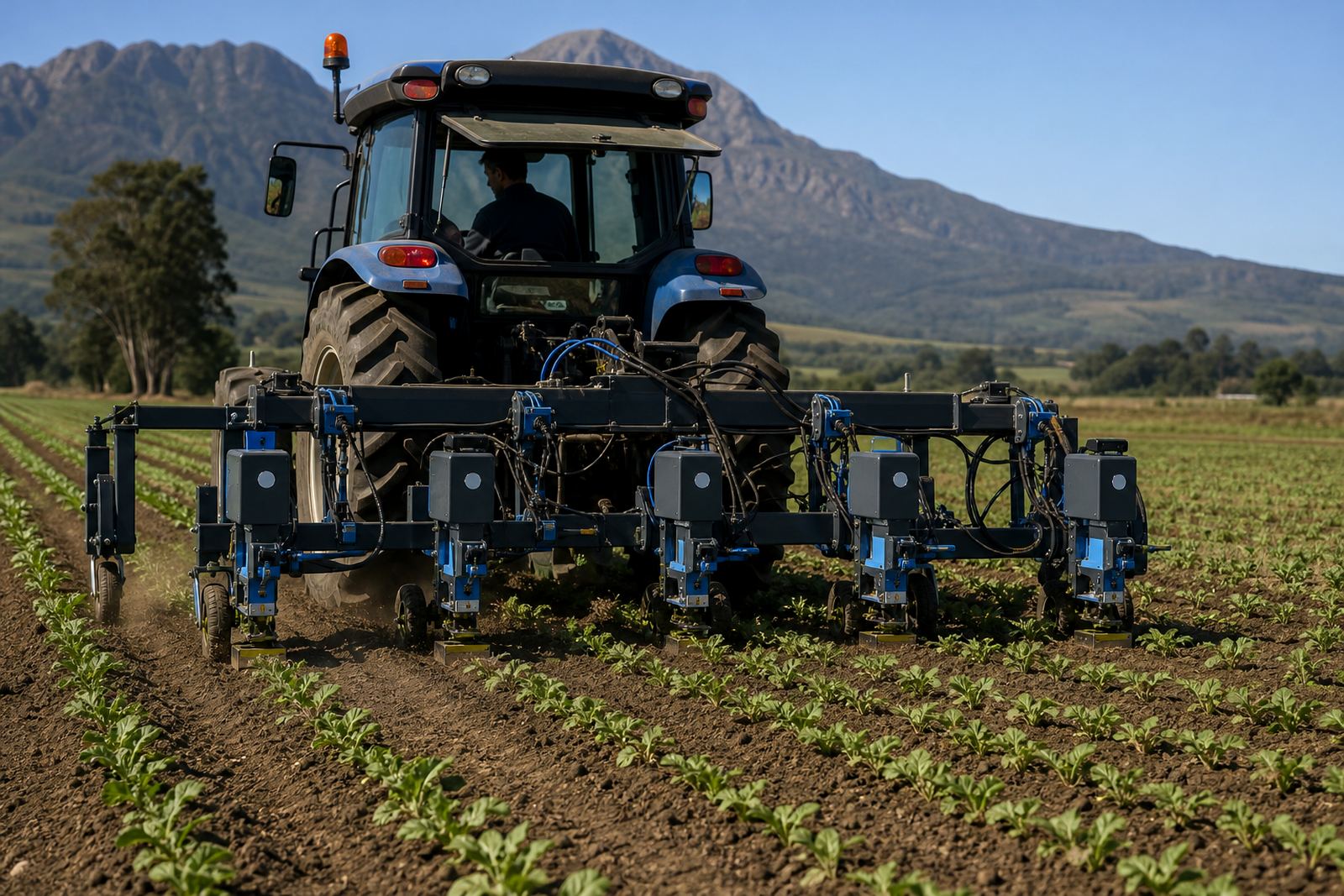
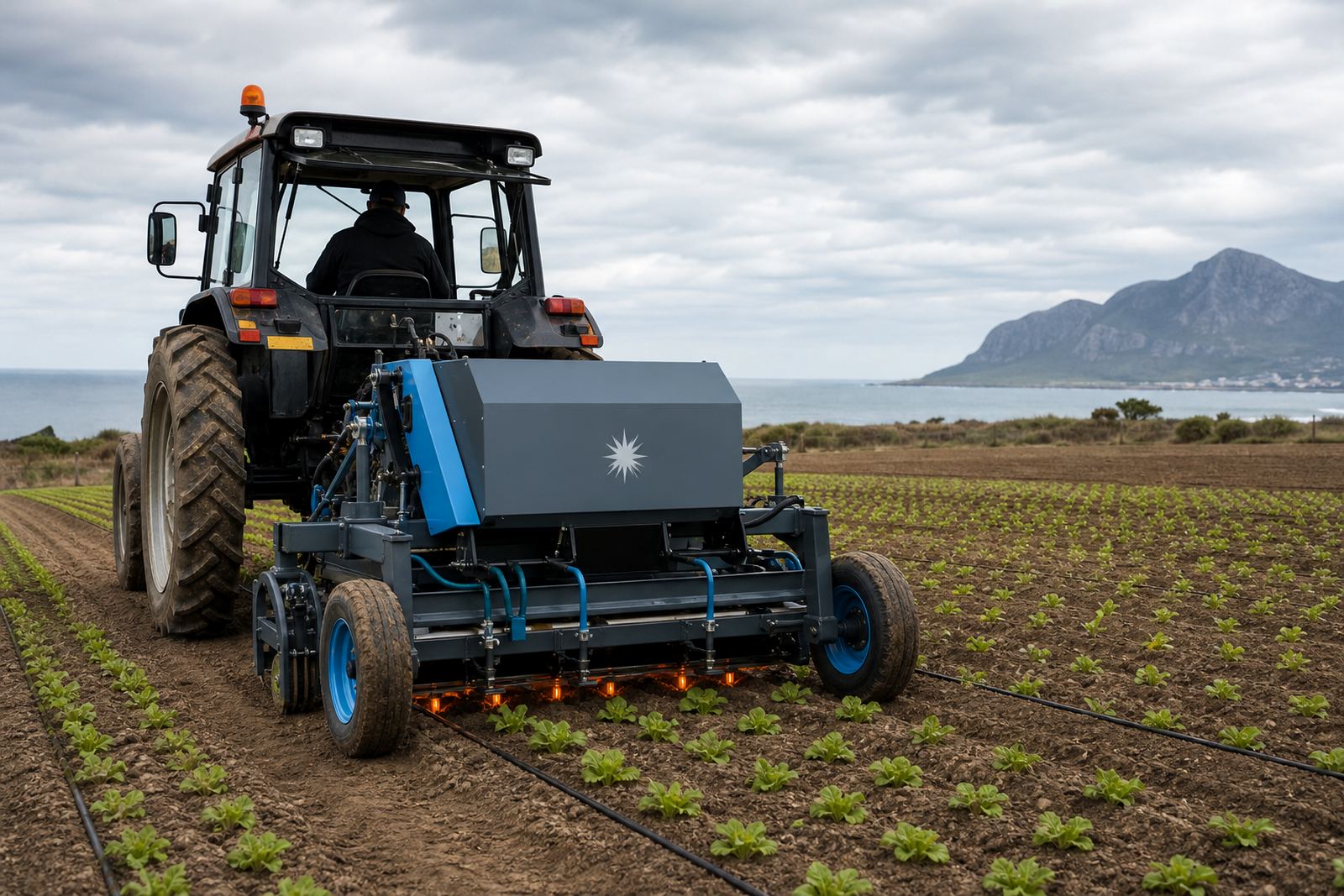
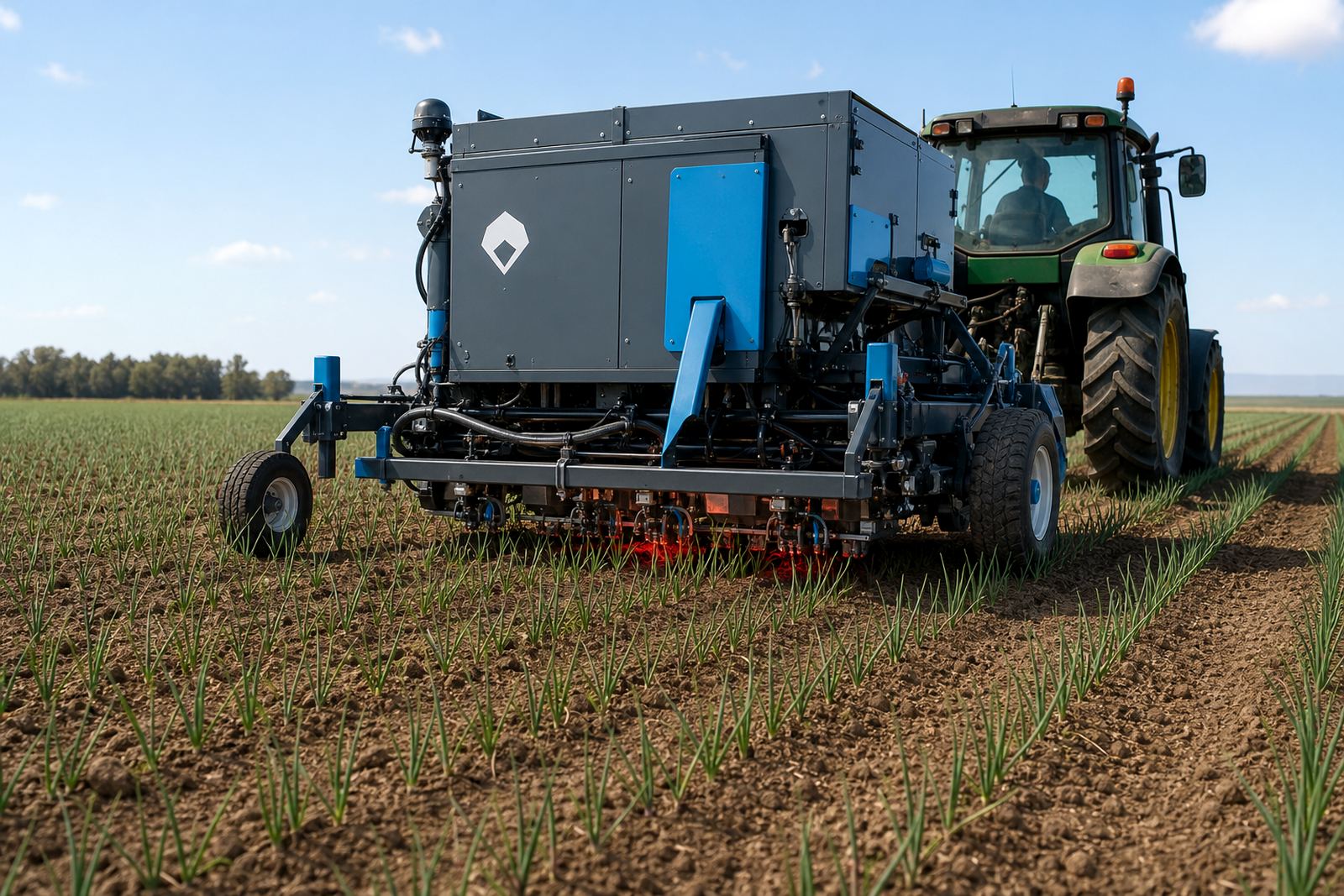
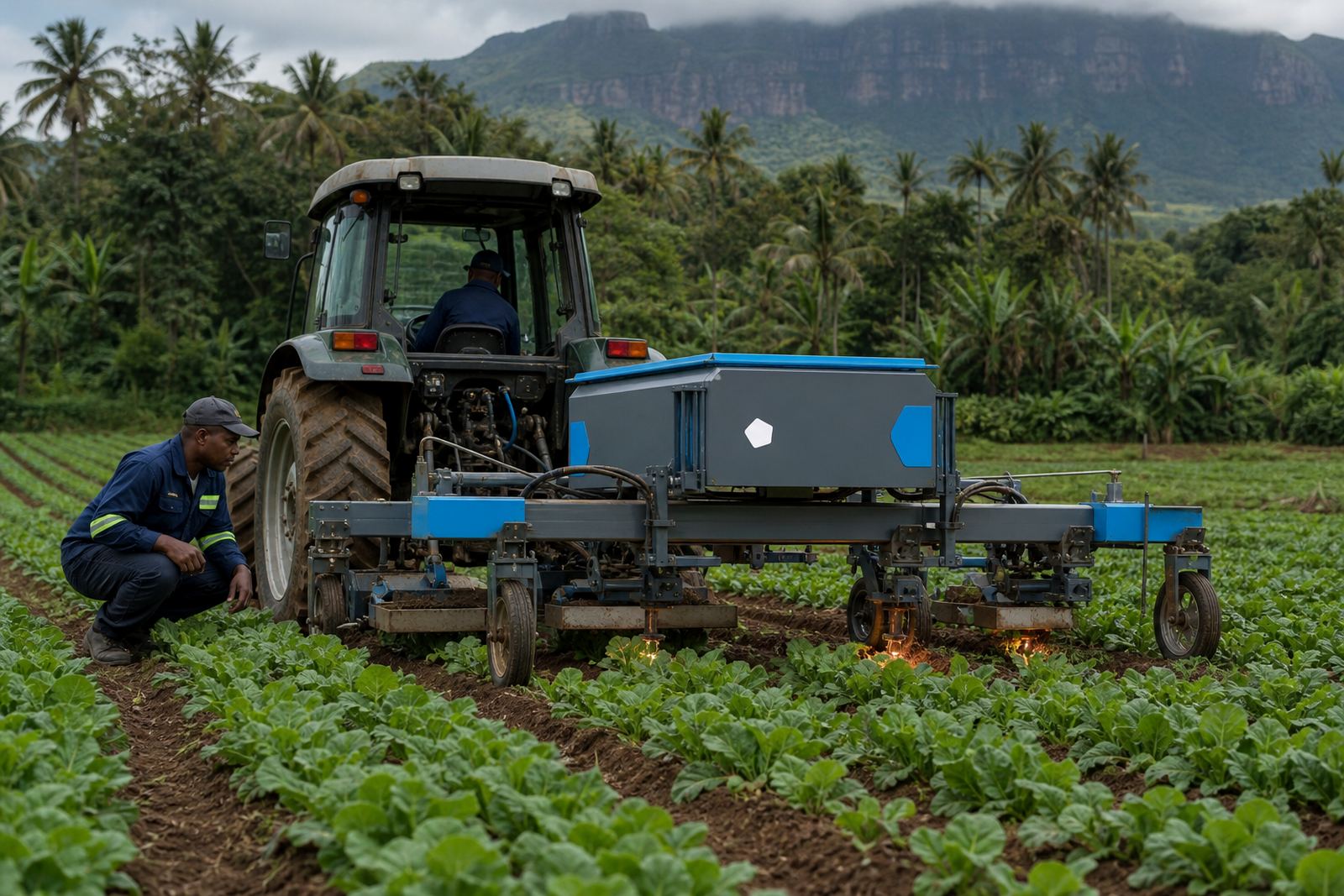
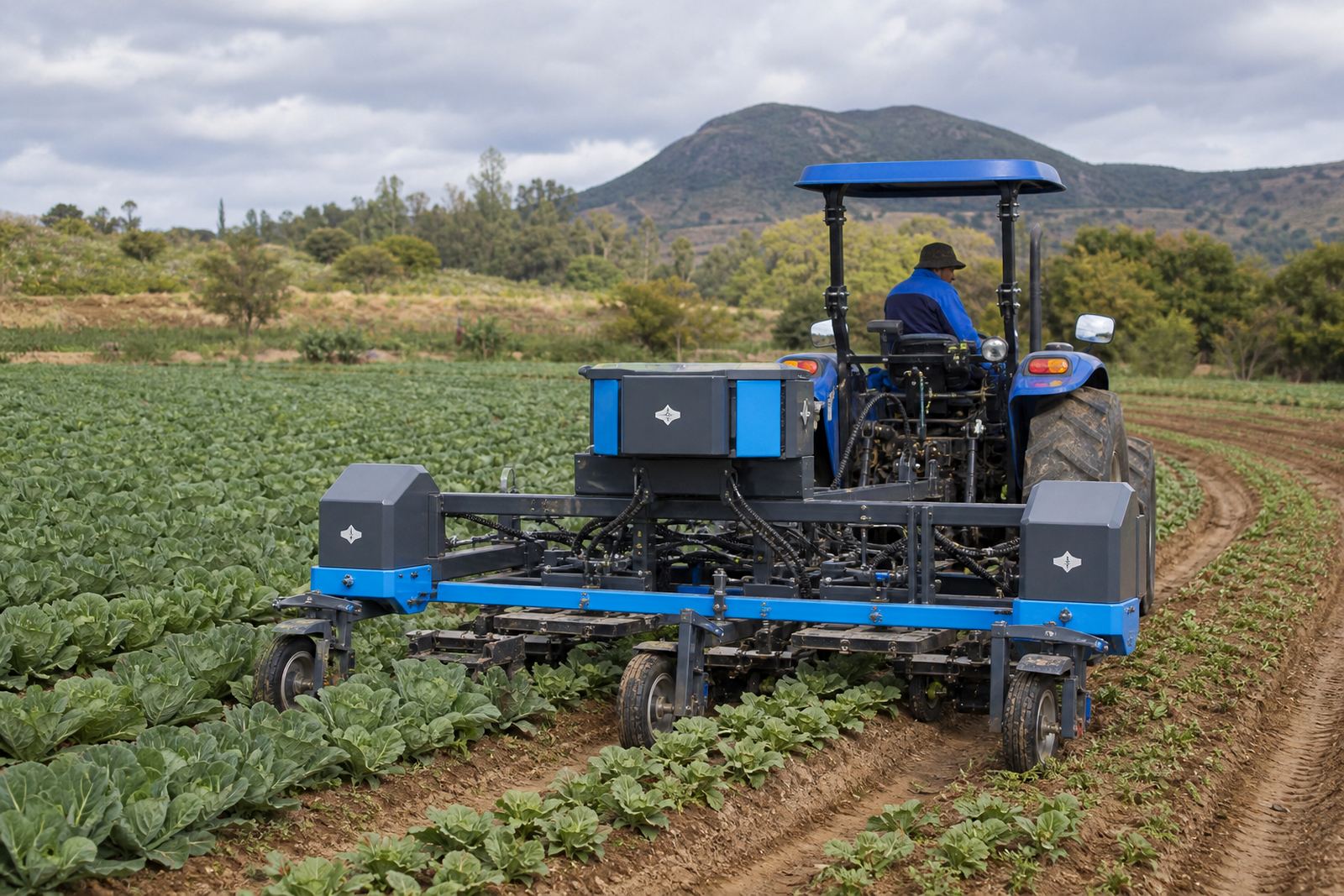
Each trial note points to a working block rather than a polished story. We look at row spacing, crop stage, weed pressure and whether the ground can carry a tractor-drawn unit without tearing the bed surface.
The aim is to show where laser weeding fits into the season, not to dress it up. On some blocks the job suits a young crop with small weeds. On others the timing is later, with weed growth already uneven and the pass needing more careful setting out.
Crops that usually make sense for a trial
Most trial blocks sit in row crops where the gap between plants leaves enough room for camera-guided detection and a clean pass along the row. Onions, carrots, lettuce and brassicas are common examples, but the deciding factor is still crop spacing and weed stage.
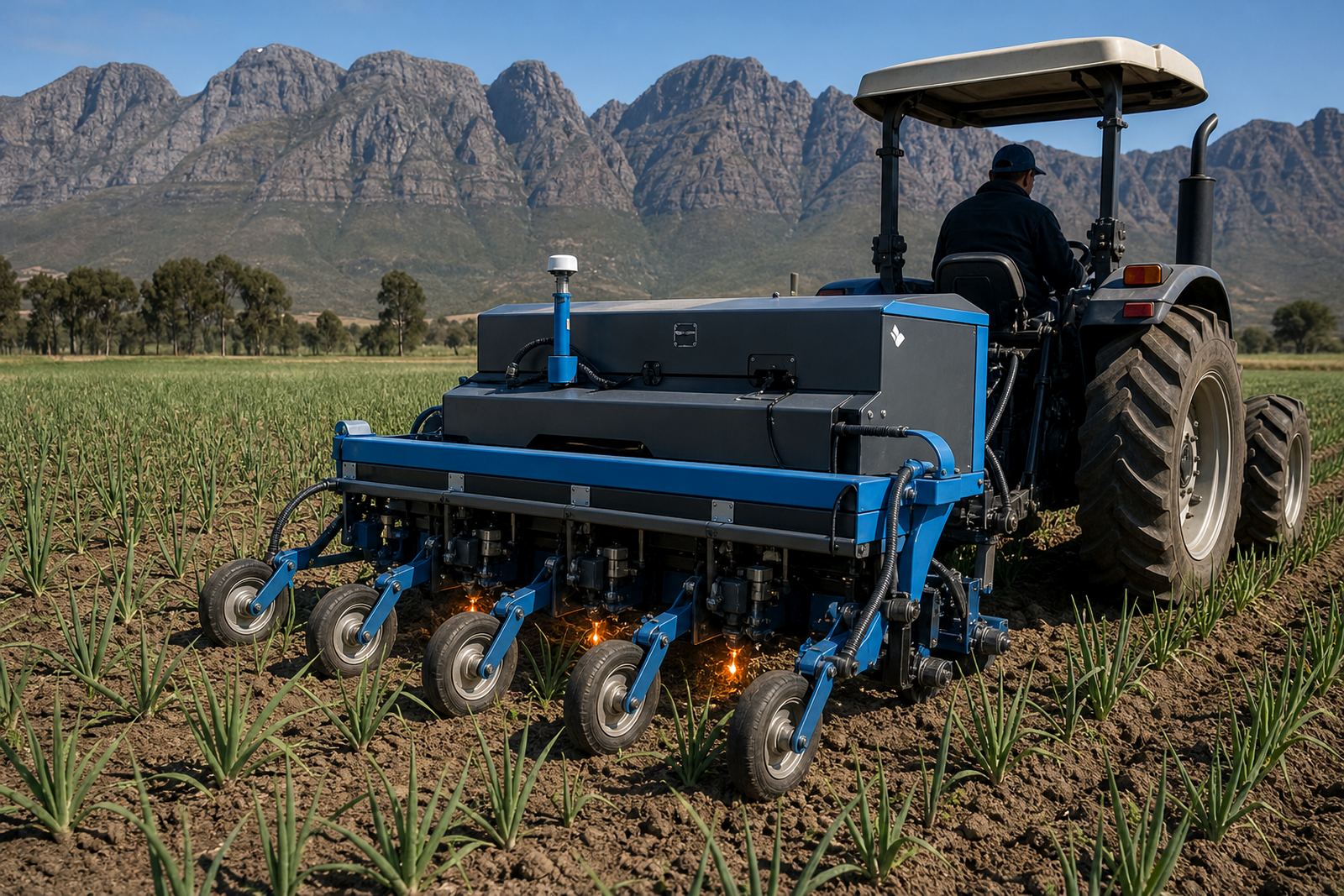
- Onion blocks with narrow rows and steady weed pressure
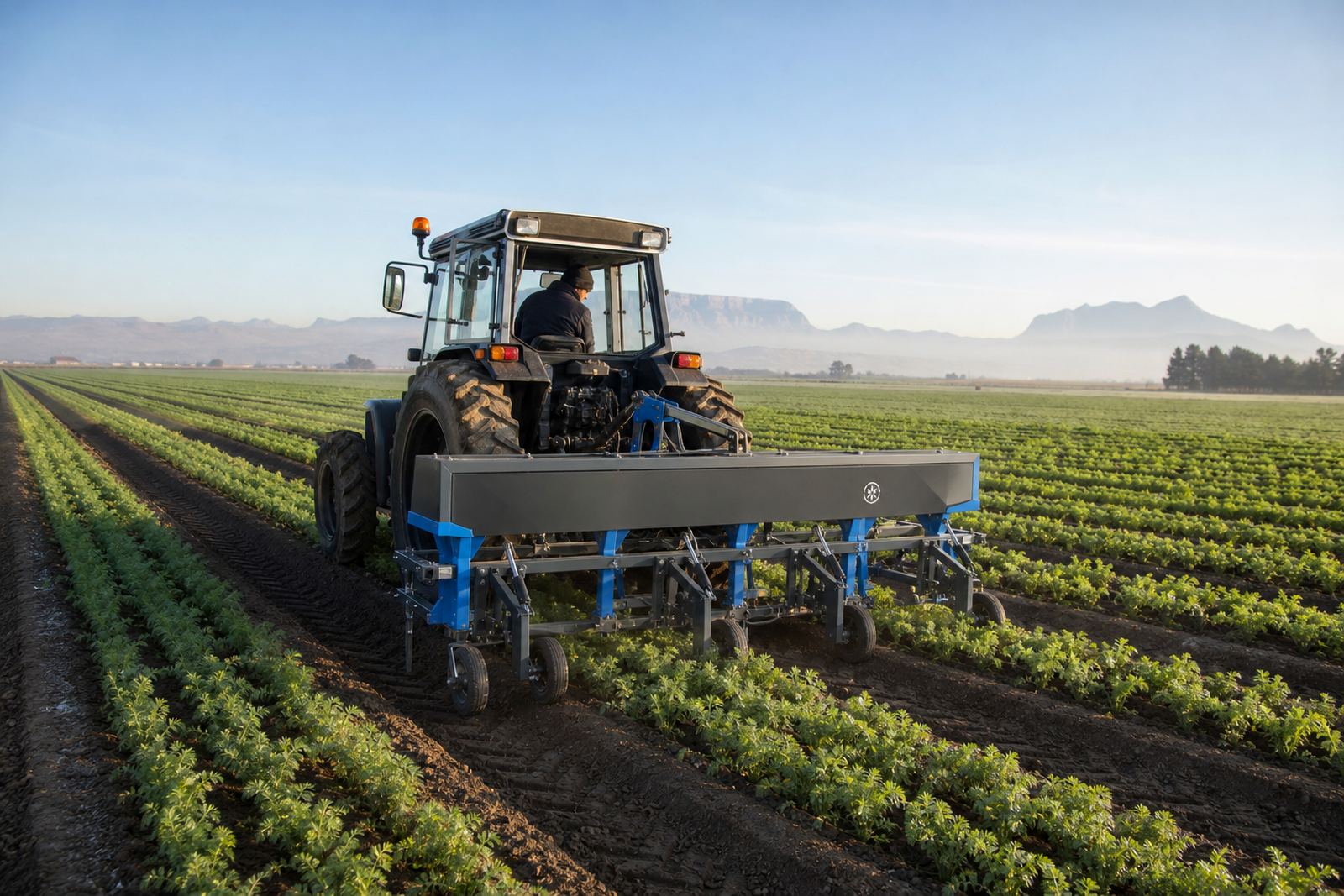
- Carrot blocks where the crop is established but still small
- Lettuce beds that need careful timing around crop size
- Brassica plantings with clear row definition and early weeds
How timing changes the shape of the pass
Laser weeding is usually assessed at the point where weeds are visible enough for camera systems to read, yet still small enough for the lasers to target the growing points cleanly. If weeds have advanced too far, a trial may still be useful, but the field speed and pass pattern can change.
Field speed depends on weed pressure, row clarity and the crop stage at the time of the run. That is why trial pages keep the focus on timing notes. A block in Philippi behaves differently from a cooler inland field, and coastal humidity can change how a crop presents after irrigation or misty mornings.
Locations that shape the trial record
Our trial listings cover vegetable land across South Africa, with notes from the Western Cape, Limpopo, Mpumalanga, KwaZulu-Natal and the Free State. Each area brings different planting windows, soil conditions and travel planning, so the field record matters as much as the crop name.
- Philippi and surrounding market garden blocks near Cape Town
- Ceres and Grabouw with cool season vegetable ground
- Tzaneen, Bela-Bela and Nelspruit for warmer growing periods
- Howick and Bethlehem where crop timing shifts with altitude
What the site check is looking for
A trial is not only about weeds. Arrival site checks confirm access for the tractor-drawn unit, turning room at block ends, row alignment and any wet patches that could affect travel. If a section has soft ground, a careful plan is better than forcing the machine through and leaving ruts.
We also look at whether the block has the kind of crop spacing that lets the operator keep the lasers away from the crop plant while still treating weeds between and around it. That balance matters most in young vegetable stands.
How growers use these notes before a season
Growers use trial notes to compare blocks, choose the right timing window and line up field scheduling before the season gets crowded. The notes also help when a farm is running more than one crop block and needs repeat pass planning across different sites.
For mixed programmes, the useful questions are practical ones: which blocks are ready first, which rows need the most careful treatment, and which fields need travel coordination between towns. Our contact form is the place to send those details when a grower wants a trial reviewed against a season plan.