Leafy blocks, row spacing and the first walk-through
The brief came from a vegetable grower in Tzaneen working leafy crops across more than one block, with planting dates that were not all aligned. The main concern was weed pressure between rows and close to the crop line, where hand work had become slow and spray use was not the preferred route. The farm wanted a contract laser weeding plan that could fit the crop stage, keep soil movement to a minimum and suit field access on the day.
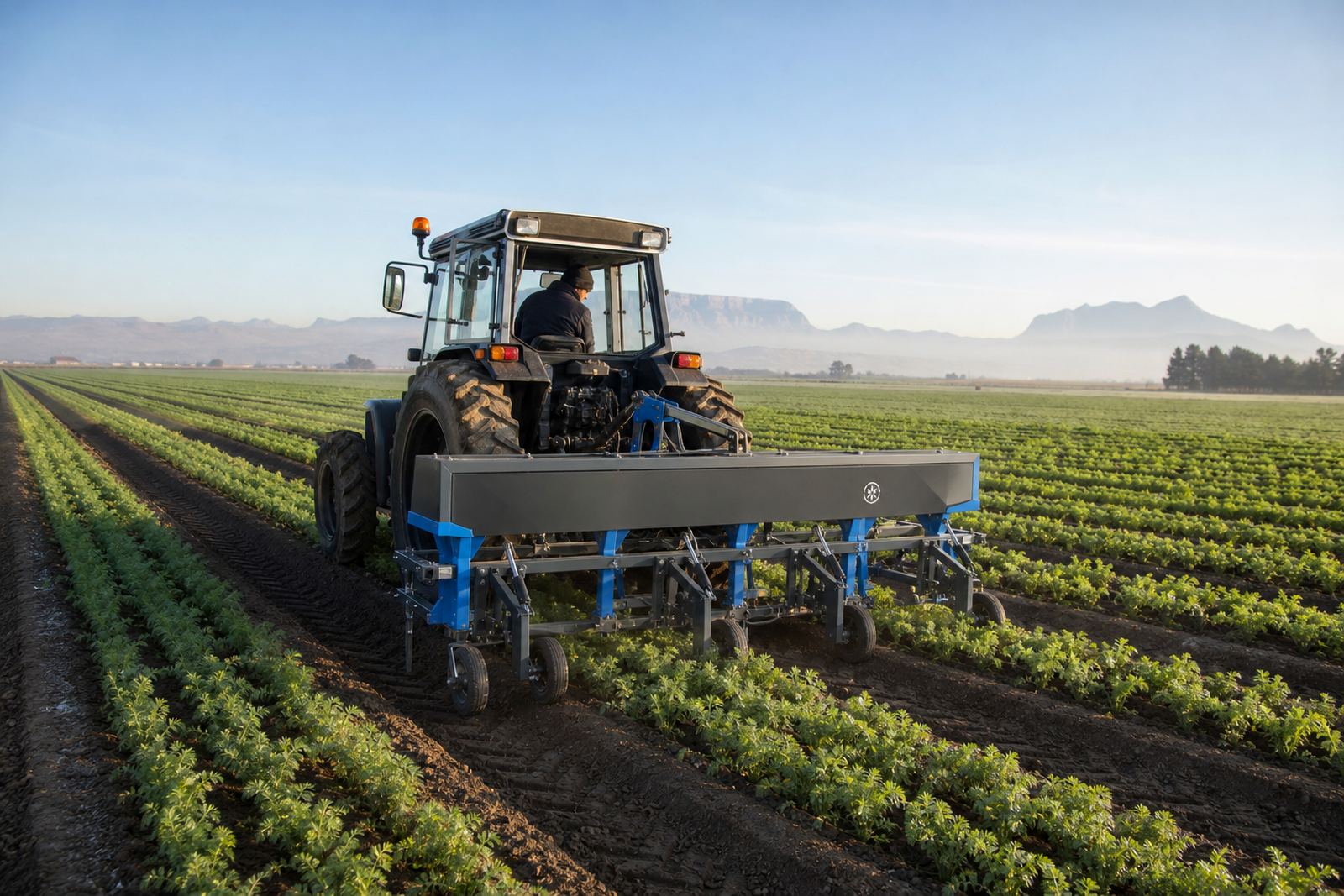
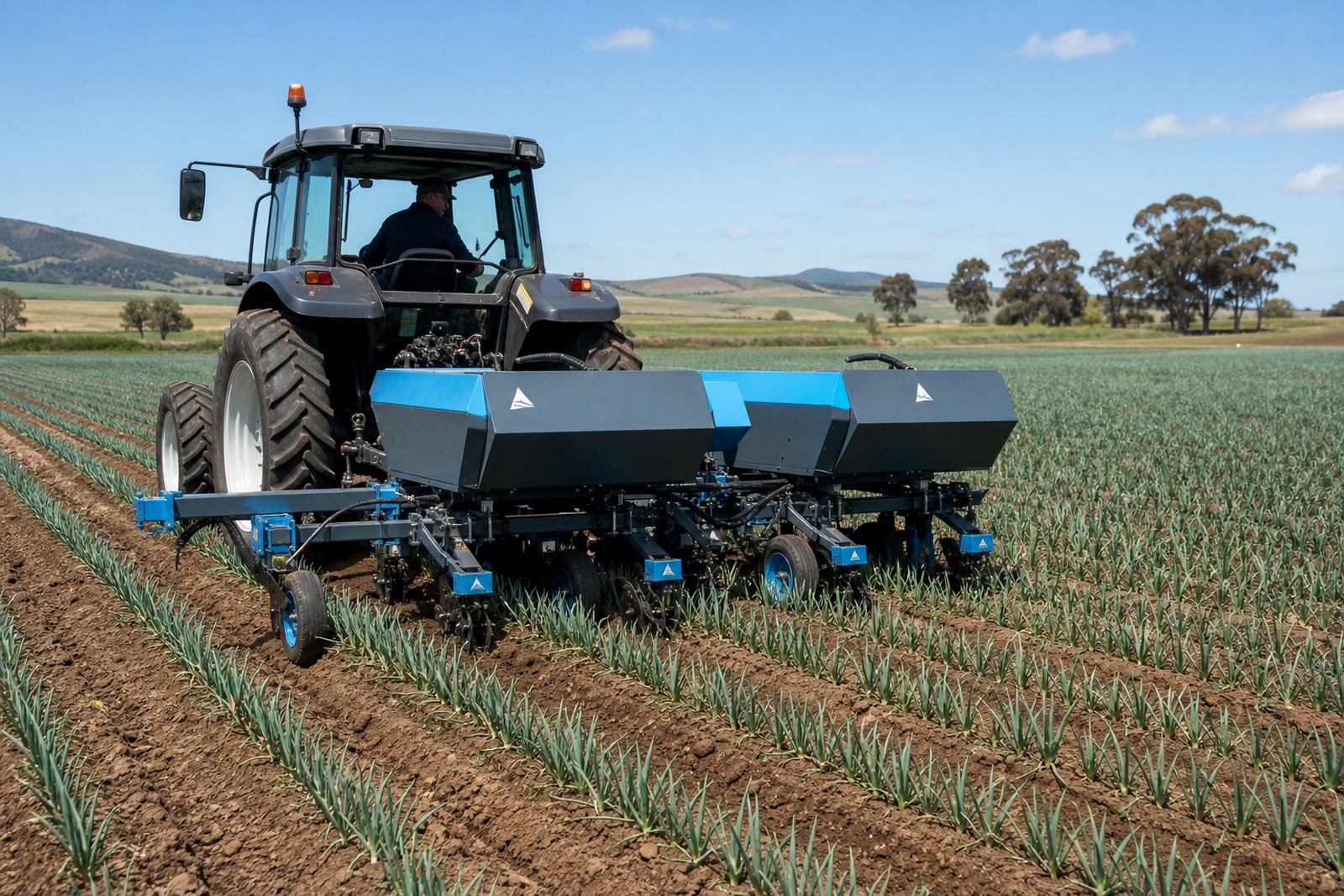
We began with an on-farm assessment that looked at row width, weed stage, crop height and the easiest way to move the tractor-drawn unit through each section. Leafy vegetables leave little margin for rough handling, so the routing had to respect bed edges, turning space and the places where the crop canopy was already closing in. In this kind of work timing matters more than a long booking note, because weeds that are still at an early growth stage are easier to target and the crop can be damaged if the pass is left too late.
- Crop type: leafy vegetables in multiple blocks
- Town: Tzaneen, Limpopo
- Method: camera-guided laser weeding with a tractor-drawn unit
- Main planning points: crop stage, weed stage, routing and turning space
What the booking had to account for
The field plan had to deal with a few practical limits. Some blocks were tighter than others, and the route between beds needed to be mapped in a way that avoided unnecessary passes. Weed pressure was uneven, so the field scheduling could not treat every section the same. The operator also had to work around the growth stage of the crop, because leafy plants are less forgiving once the rows start closing over.
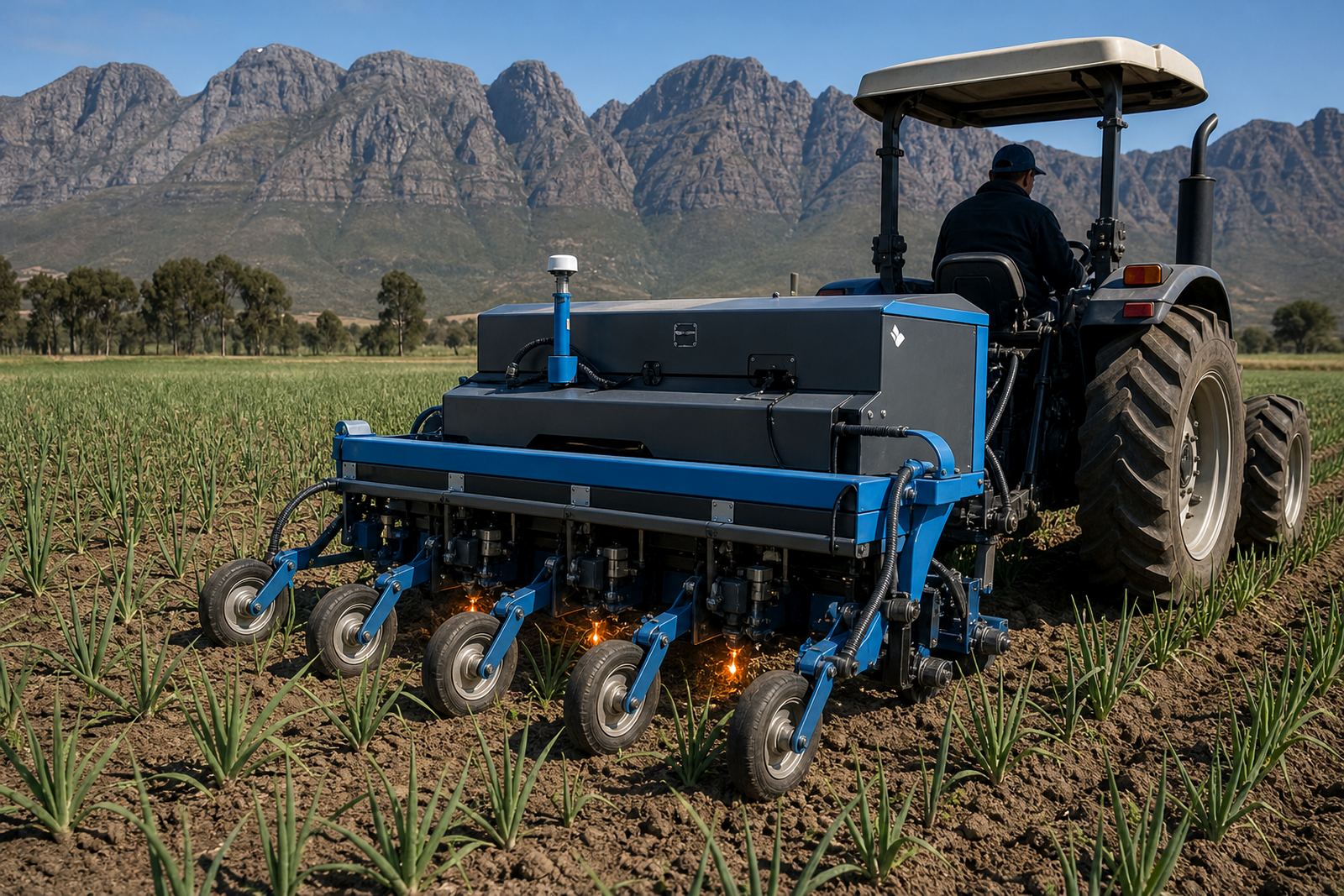
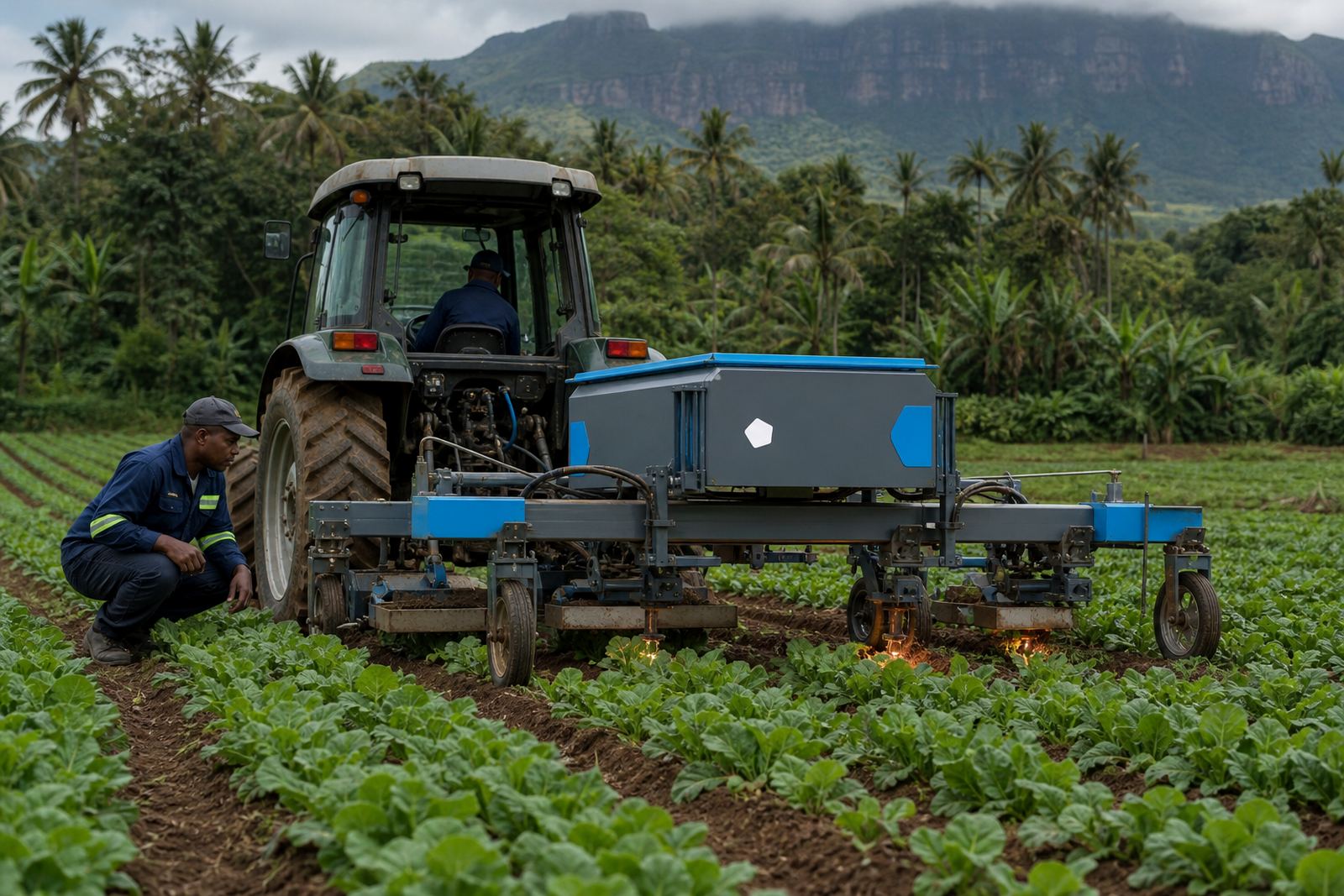
Laser weeding is not a spray pass and it is not a soil-working pass either. The unit uses cameras to identify weeds and directs lasers at the growing points. That makes it useful for row crops where the crop stands are already in place and the soil surface needs to stay undisturbed. In this Tzaneen job, that mattered because the grower wanted weed control without stirring up extra seed or cutting into the beds.
- Constraint one: mixed crop ages across the farm
- Constraint two: narrow routing in some blocks
- Constraint three: weed size had to stay within workable range
- Constraint four: no soil disturbance during the pass
How the field day was set up
The work was scheduled as a short project rather than a loose open-ended booking. A first pass was arranged after the assessment, with the route grouped by block so the tractor did not spend unnecessary time shifting between sections. That approach helped the operator keep to the planned lines and made it easier to record what was seen in each area. The field speed was set by weed pressure and by how dense the crop had become, so the machine could work steadily without rushing across sensitive rows.
We supplied a trained operator, travel coordination and field checks before the pass. After the work, the team recorded the areas treated and noted where a repeat pass might be needed later in the season. The grower also received post pass reporting, which helped with follow-up decisions on the next booking window. Nothing in the plan assumed the whole farm would behave the same way, because leafy veg often changes quickly from one block to the next.
- Week 1: site assessment and routing review
- Week 2: booking confirmation and field sequence planning
- Week 3: laser weeding pass and post pass notes
What the operator watched for in the crop
The machine work depended on seeing the weeds at the right stage and keeping the crop safe while the laser targeted the unwanted growth points. In leafy vegetables, the gap between crop and weed can shrink quickly, so the operator has to read the field as it changes across the day. Dense foliage, patchy emergence and uneven weed size all affect the pace of work. The unit can only do what the field allows, so the plan had to stay tied to the actual crop condition rather than an assumed template.
The Tzaneen blocks were treated as a scheduling problem as much as a weed control job. We separated the sections that could be worked cleanly from the areas that needed more careful routing. That made it easier to keep the tractor moving in a way that matched the crop and not the other way around. The grower wanted a clear view of what had been covered, and the reporting notes helped with that.
- Crop row closure was checked before each section
- Weed size was assessed against the available pass window
- Turning points were mapped to avoid crop damage
- Work pace shifted with weed pressure across the blocks
Results from the Tzaneen leafy veg run
The main result was a workable booking plan for a mixed leafy vegetable farm that needed a non-spray option and careful field routing. The crop stage shaped the pass order, while the weed stage shaped the pace of work. Because the unit is tractor-drawn and does not disturb the soil, the grower could keep the beds intact and avoid adding extra mechanical disturbance to already active blocks. The post pass notes also gave the farm a basis for deciding which areas could be revisited later and which sections needed to be watched more closely.
For a leafy crop, timing is usually the difference between a neat pass and a cramped one. In this case the assessment helped line up the work with the field rather than trying to force the field into a fixed schedule. The grower had a clearer route plan, and the team had a cleaner record of how the blocks were laid out for the next phase of the season.
- Herbicide-free weed control plan for leafy blocks
- Soil surface left undisturbed during the pass
- Route order matched to crop stage and field access
- Follow-up planning prepared for repeat work where needed
What would be repeated on a similar farm visit
On a similar leafy veg farm, the same starting point would be a careful assessment of crop stage, row spacing and weed stage before setting the booking order. That gives the field schedule a proper base and keeps the tractor-drawn unit moving in a way that suits the crop. If the farm has several blocks at different stages, the routing should be split by block rather than treated as one long run. That is especially useful where the rows are tight and the crop canopy is already closing in.
We would also keep the post pass reporting detailed enough for the grower to use in planning the next round of work. A short note on treated sections, block order and any areas needing repeat attention is often more useful than broad language. For leafy vegetables, the job is rarely just one pass, it is a season plan shaped by crop growth and weed pressure.
- Start with crop stage and weed stage, not with a fixed route
- Split blocks where access or canopy changes the working line
- Keep records that support the next booking window
Key facts
| Project | Tzaneen Leafy Veg |
|---|---|
| Client type | Vegetable grower with leafy crop blocks |
| Town | Tzaneen, Limpopo |
| Method | Camera-guided tractor-drawn laser weeding |
| Timeline | 3 weeks from assessment to post pass notes |
| Services used | Field Assessments, Crop Timing Plans, Operator Supplied, Field Scheduling, Travel Coordination, Trial Strip Runs, Post Pass Reporting |