

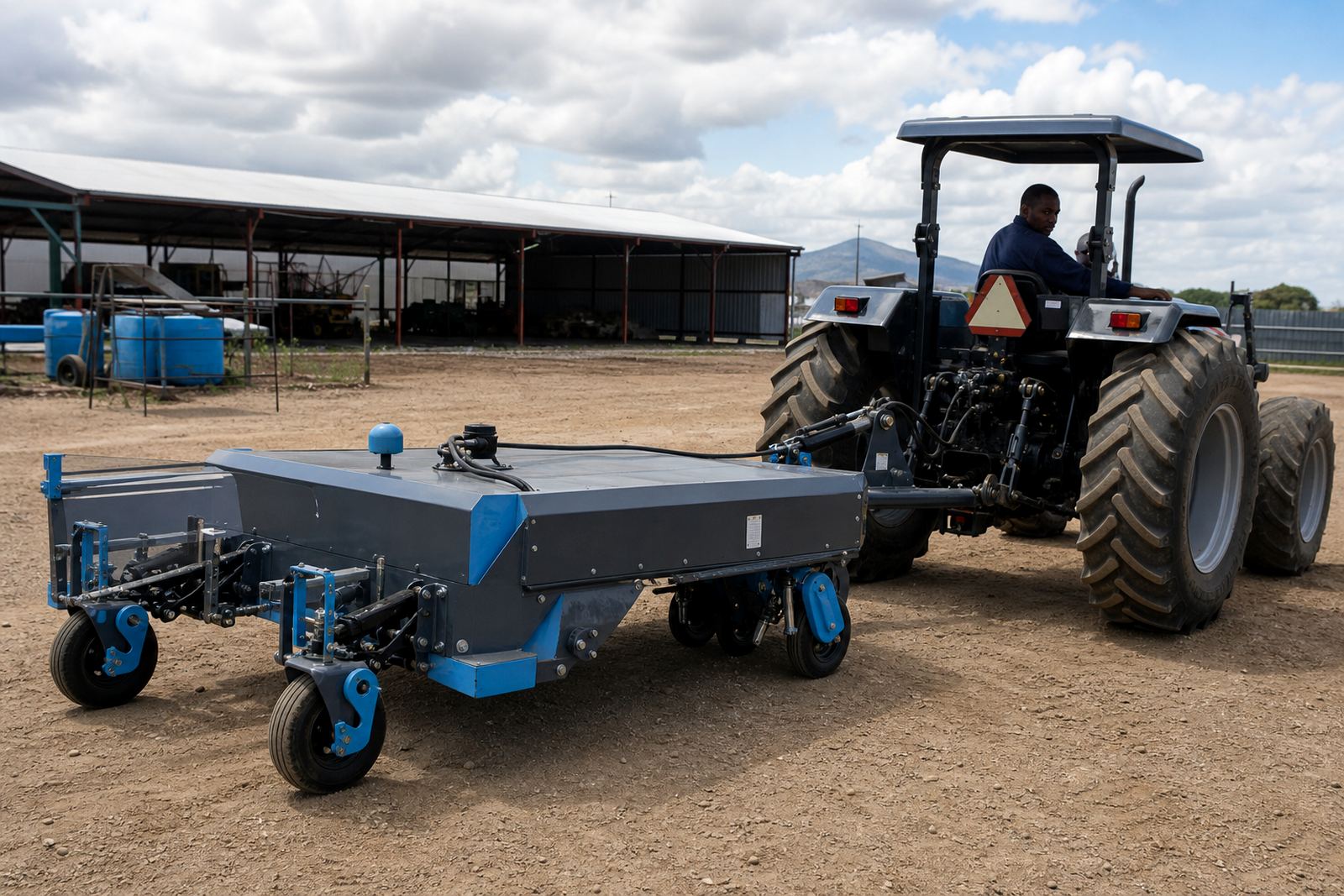
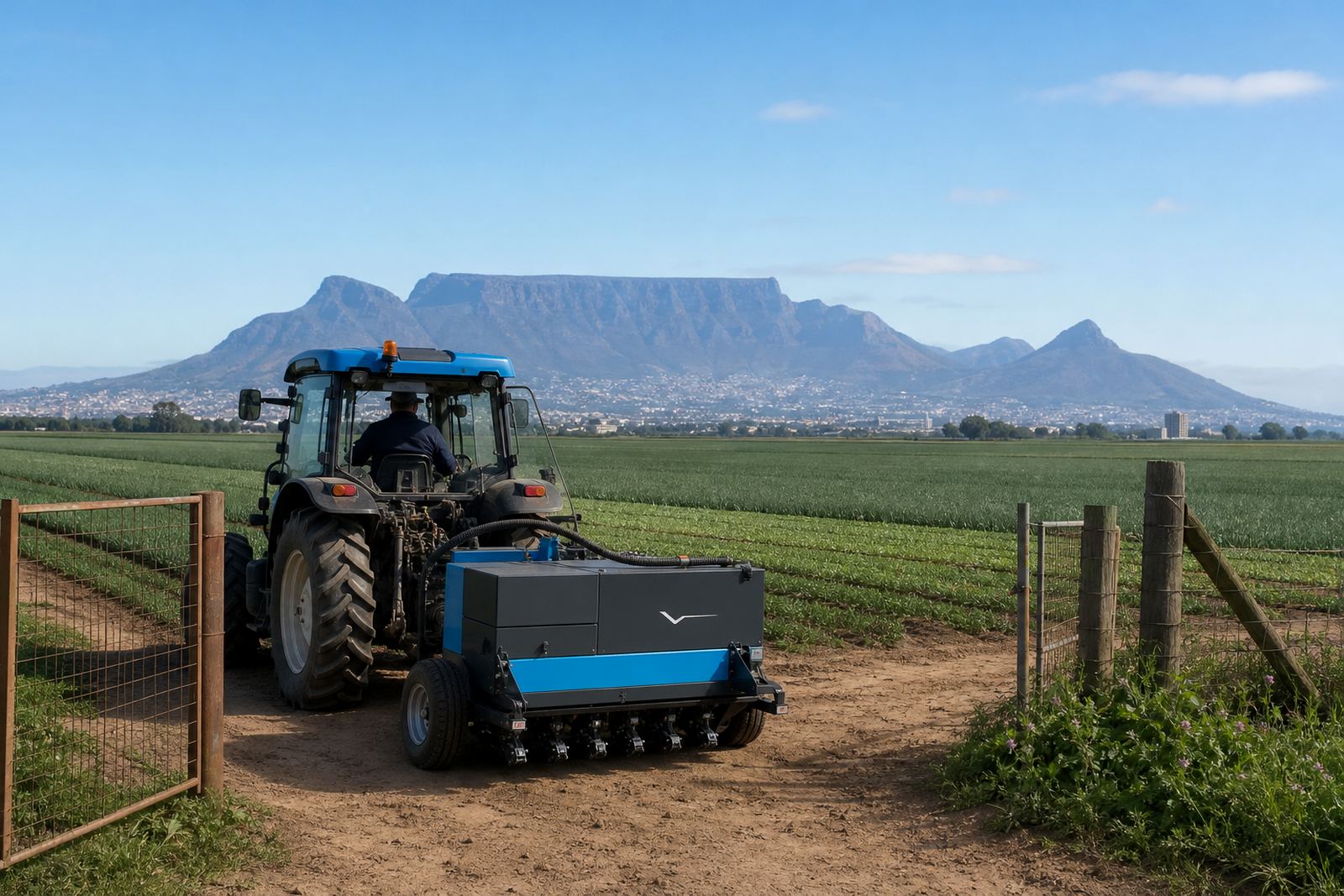
Philippi as the home base for field work
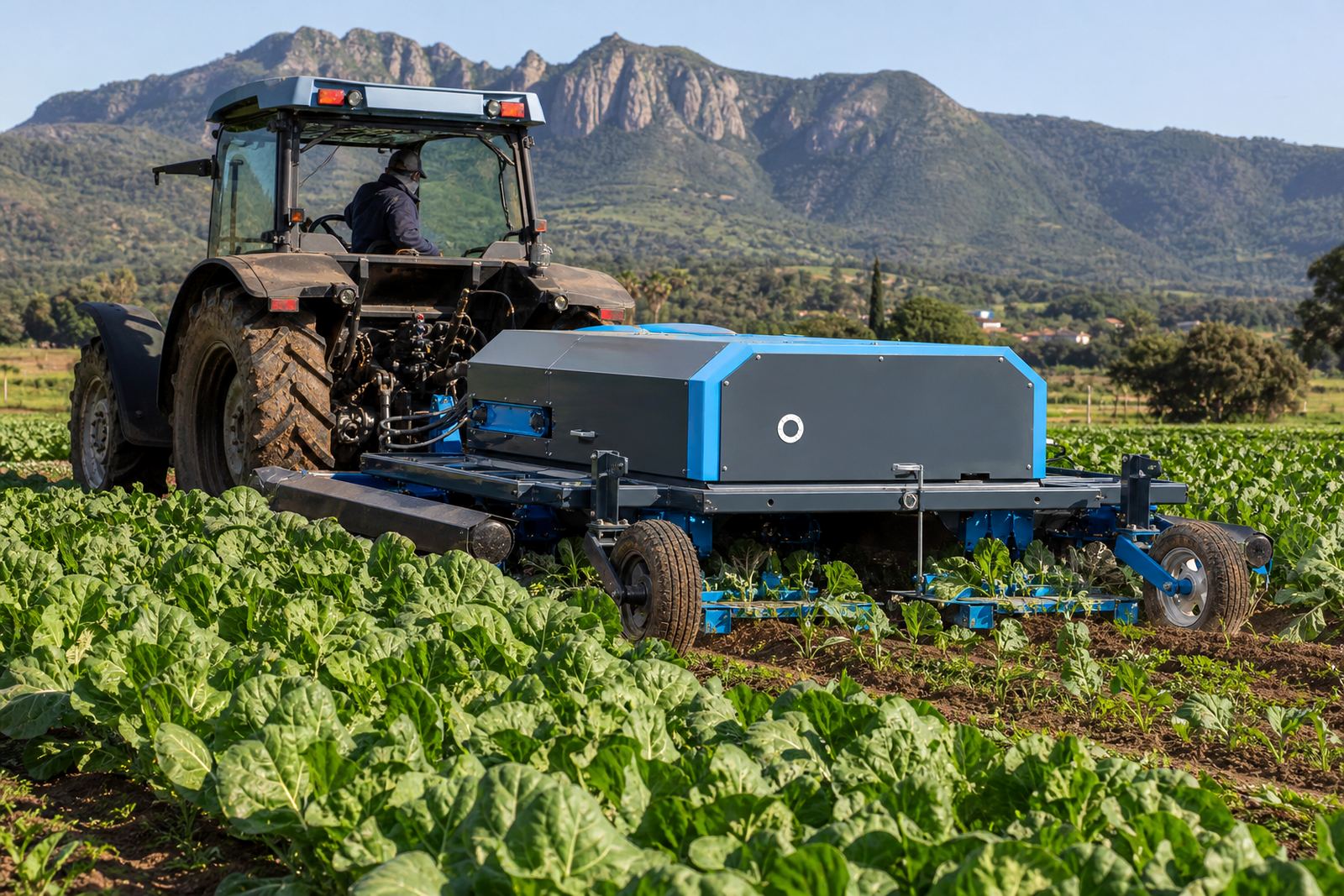
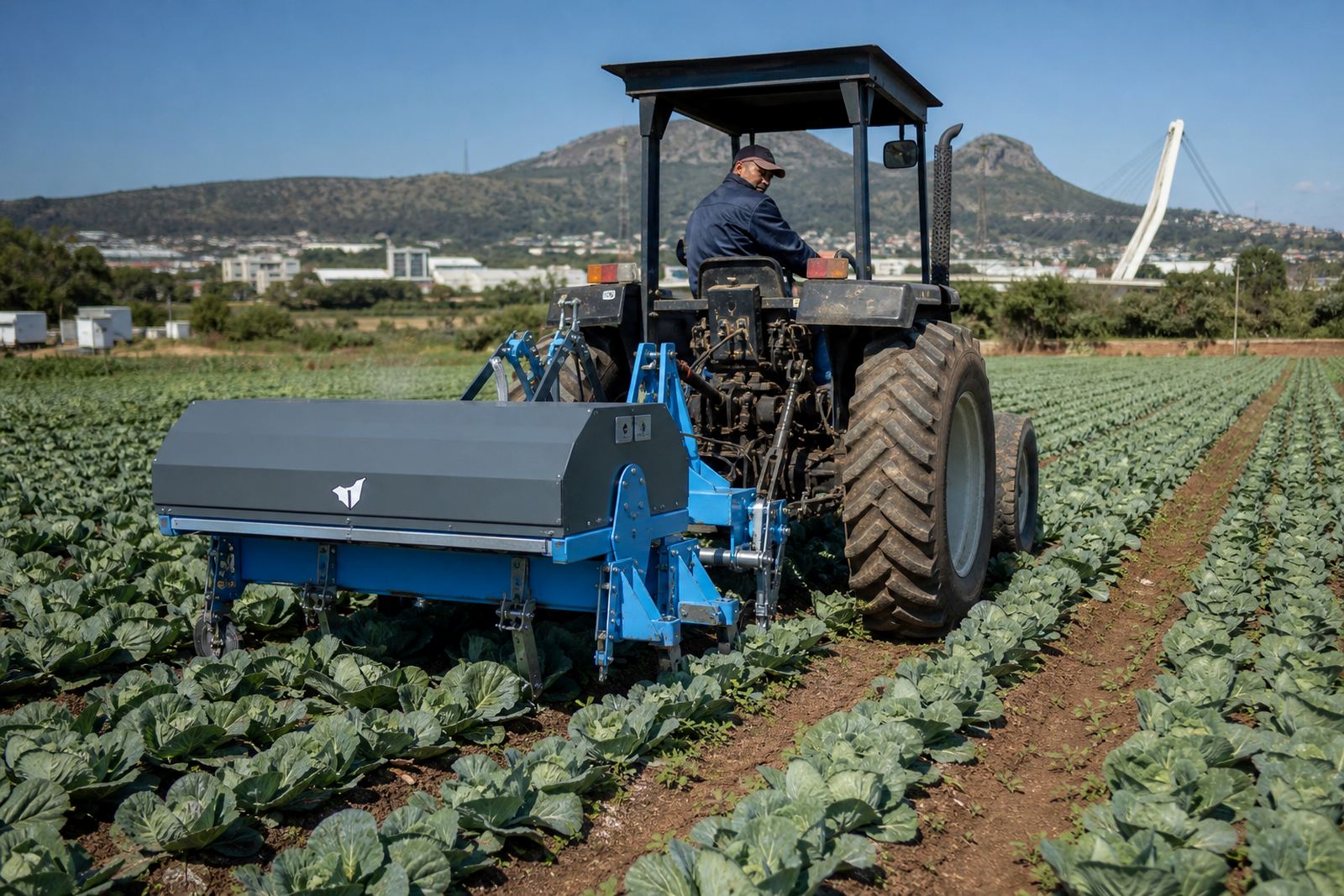
Philippi gives us close access to Cape Town vegetable ground, but our work does not stay in one district. We move contract laser weeding crews to growing areas where row crops need weed control between and around plants, with the operator working from a tractor-drawn unit and the timing shaped around crop stage, weed pressure and ground conditions.
For growers in and around the Western Cape, the base makes it practical to plan seasonal work across open-field blocks, smaller trial areas and longer programmes. Coastal humidity can change how fast weeds emerge after rain or irrigation, so field timing matters just as much as travel distance.
Regions we serve and the crop ground in each one
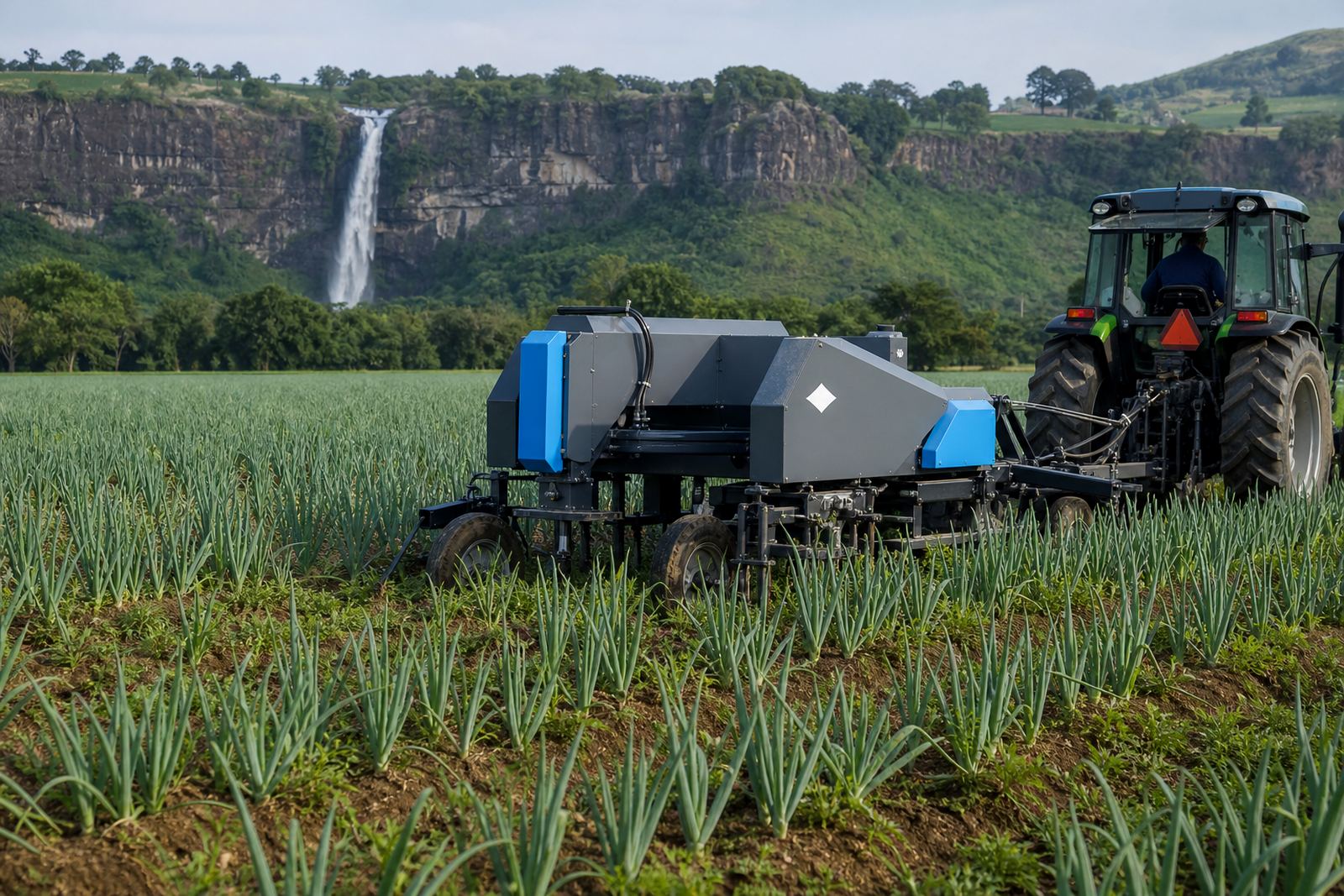
The regional pages are arranged by farming area, because each district brings its own planting windows and field access issues. A farm near Grabouw does not plan the same way as one near Tzaneen, and onion blocks in the Free State are not handled the same way as brassicas near the Cape Flats.
- Western Cape, including Philippi, Ceres and Grabouw
- Limpopo, including Tzaneen and Bela-Bela
- Mpumalanga, including Nelspruit
- KwaZulu-Natal, including Howick
- Free State, including Bethlehem
These areas are suited to contract laser weeding where growers need herbicide-free weed control and no soil disturbance between crop rows. The exact travel plan depends on block size, access roads and the point in the crop cycle where weed pressure is already visible.
How field timing gets set for each block
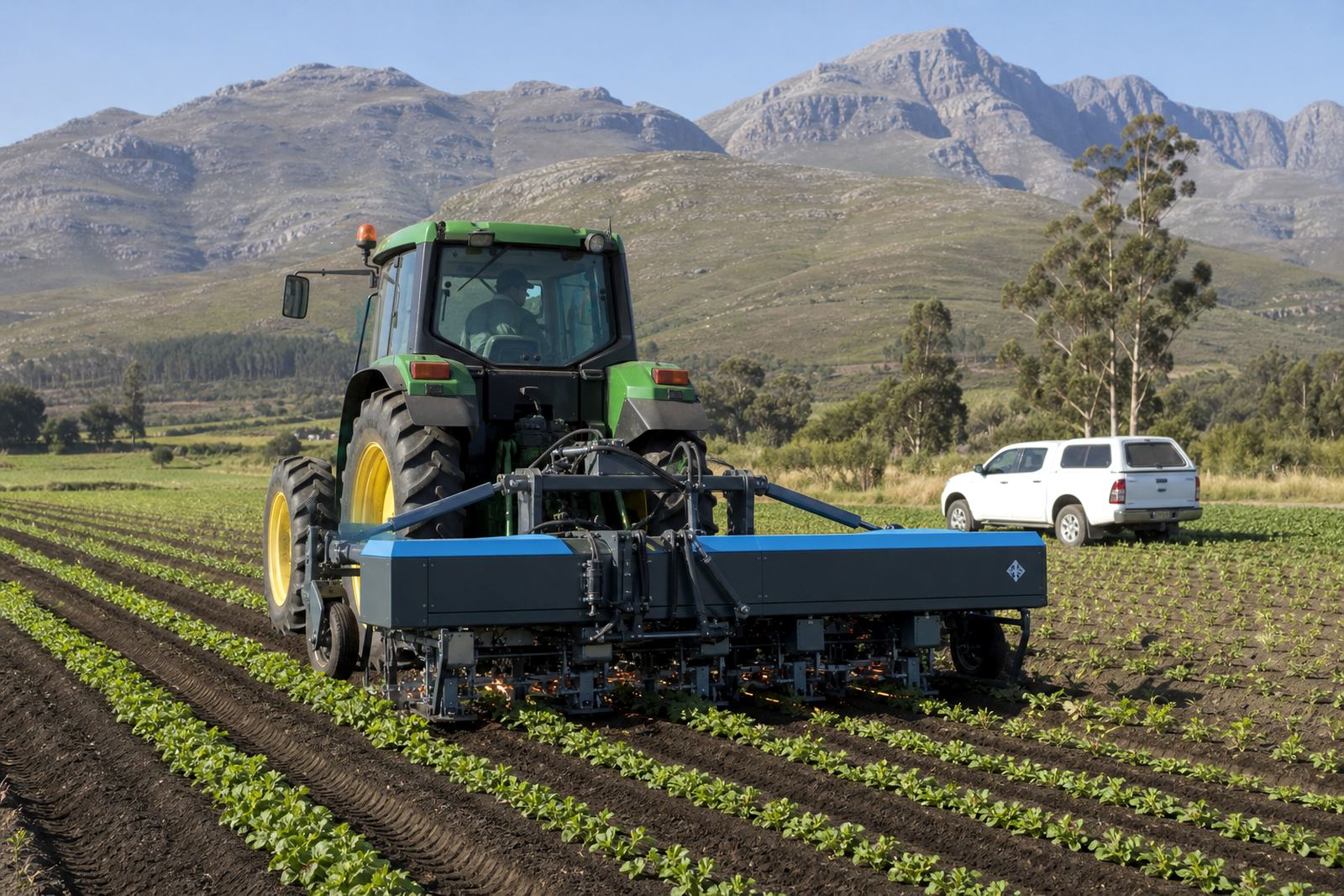
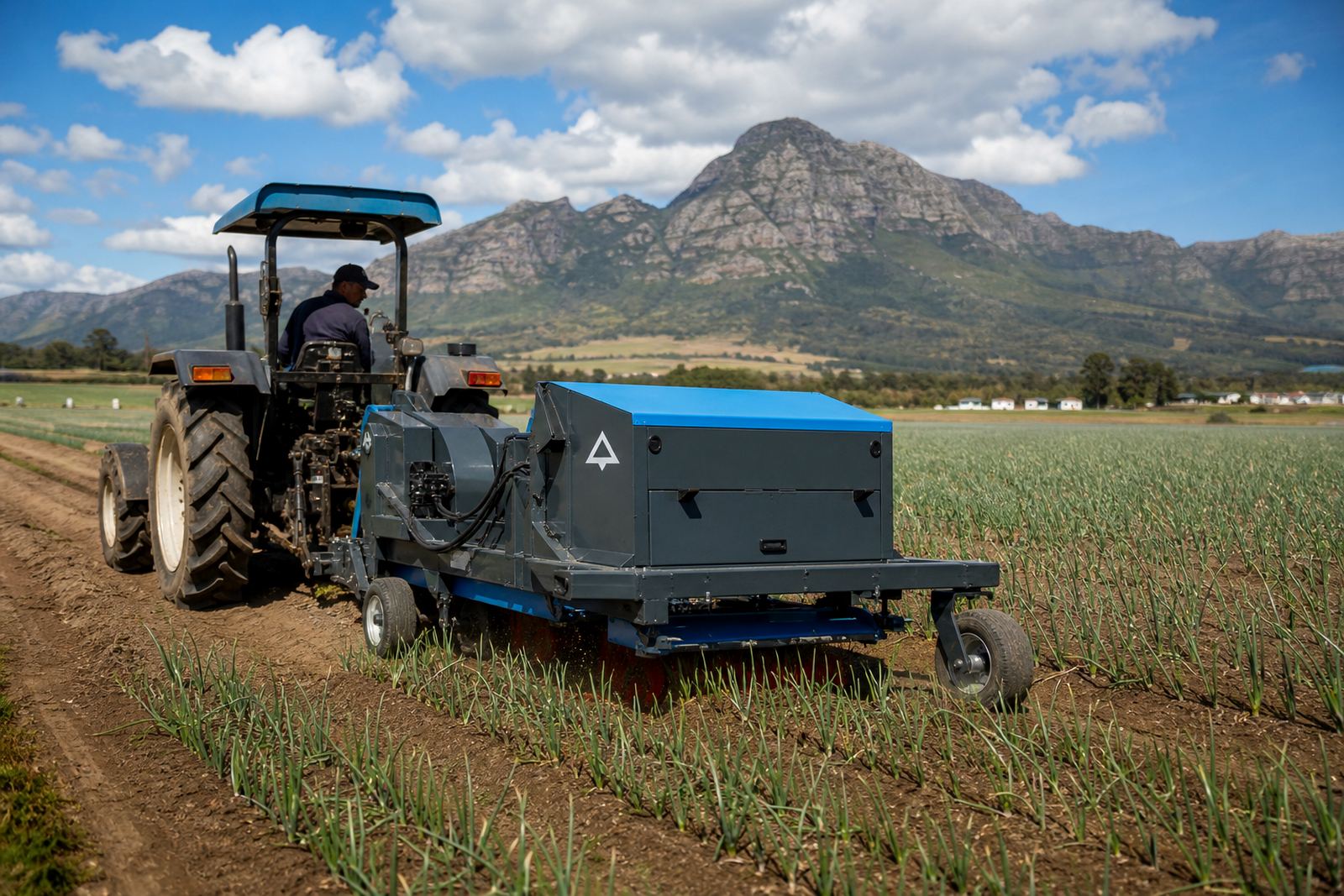
Laser weeding works best when weed seedlings are at the right growth stage and the crop canopy still leaves space for accurate targeting. Camera-guided detection helps the system distinguish crop from weed, then lasers target the weed growing points while the tractor moves through the row crop. That makes the timing of each pass important, especially in carrots, lettuce, onions and brassicas.
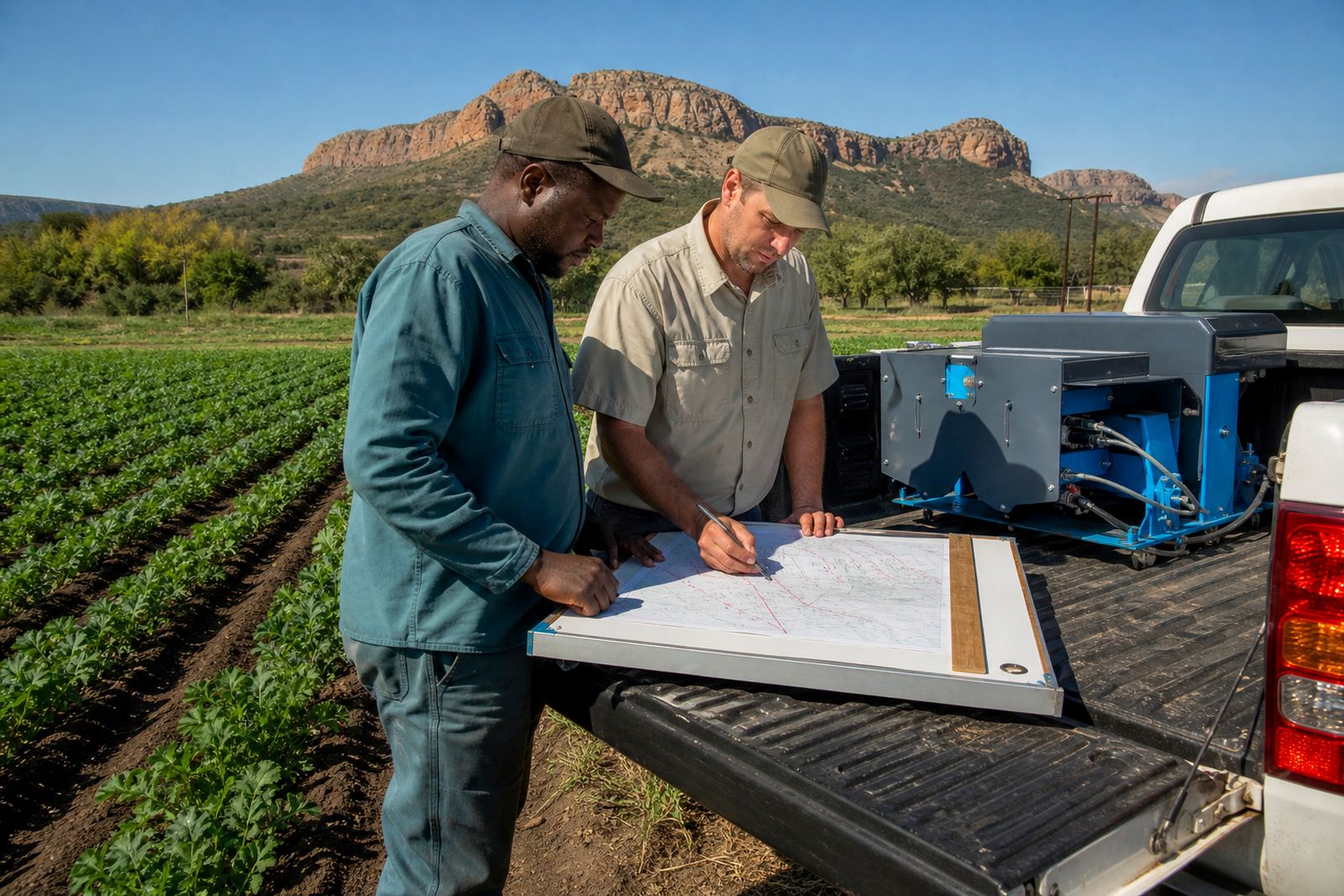
We use field assessments, crop timing plans and repeat pass planning where a block needs more than one visit. Field speed changes with weed pressure and the layout of the rows, so a light flush and a heavy flush are not treated the same way.
- Field Assessments for crop stage and weed pressure
- Crop Timing Plans matched to planting windows
- Repeat Pass Planning for later weed flushes
- Trial Strip Runs before wider farm scheduling
Working arrangements for growers across the country
Our regional travel is arranged as contract work, which means the schedule needs to fit the farm, not the other way around. Some growers want a single block covered, while others need multi farm programmes that move from one district to another as crops reach the right stage. Travel coordination, arrival site checks and post pass reporting sit inside that plan.
The team includes field scheduling, operator supply and grower consultation, so the same job can cover planning and execution without unnecessary handovers. Mandla Adonis leads the business, with Anele Khoza on operations, Pieter Mokoena on scheduling, Zanele Naidoo on grower liaison, Johan Daniels as lead operator, Lerato Letsoalo coordinating service and Ruan Mkhabela supervising the workshop side.
What regional pages help you compare
Each area page gives a clearer view of the local crop mix, travel radius and likely field sequence. That is useful when a farm in Limpopo needs timing around irrigation cycles, or when a Western Cape grower wants to line up work before a weed flush gets ahead of the crop.
- Where we travel from Philippi
- Which crop types suit laser weeding
- How seasonal bookings are handled
- What the field team looks at before work starts
The point is practical planning, not broad promises. If you are comparing regions, the local page should show whether your crop stage, weed pressure and access conditions fit the kind of programme we run.
How to use this hub without overcomplicating it
Start with your district, then look at the crops and the timing notes for that area. If your farm sits between two regions, the deciding factor is usually the crop window and the travel plan rather than the map line on its own. A site in the Northern Western Cape may need a different booking rhythm to one near Howick or Bethlehem.
For regional planning, the enquiry form on our contact page is the entry point for farm details, crop type, hectares and the timing you are working to. That gives the team enough detail to match the right equipment, operator and travel sequence to the block.