Philippi fields, market gardens and crop rows
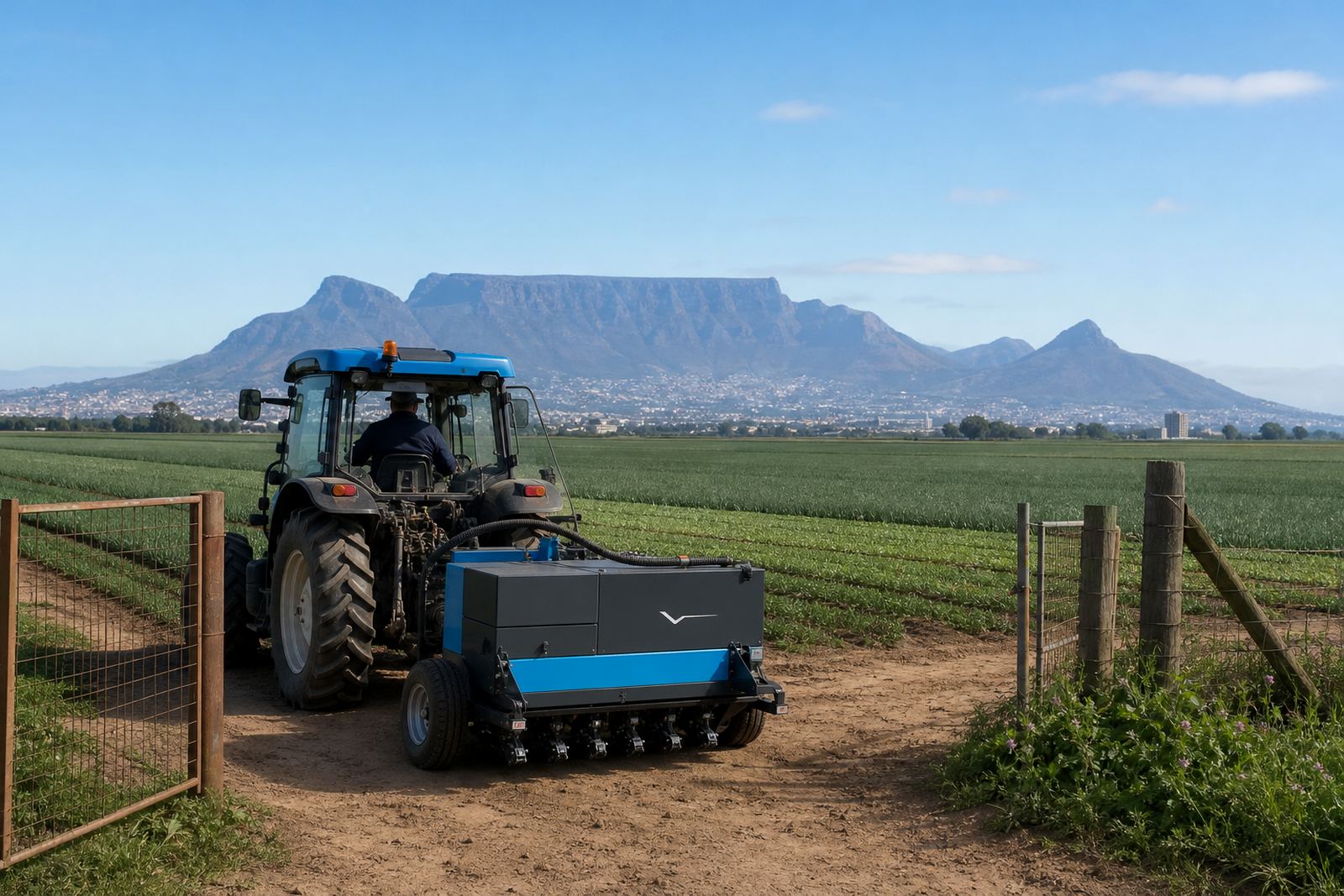
Philippi is a working food-growing area, with vegetable land that can move from damp morning ground to dry, windy afternoons in a single day. That matters when a laser pass has to line up with crop stage, weed stage and the condition of the soil surface, especially where onions, carrots, lettuce and brassicas are grown in repeated blocks. We work from the Philippi side of Cape Town, so local growers can plan a site visit, trial strip run or full field programme without building a long haul around the job.
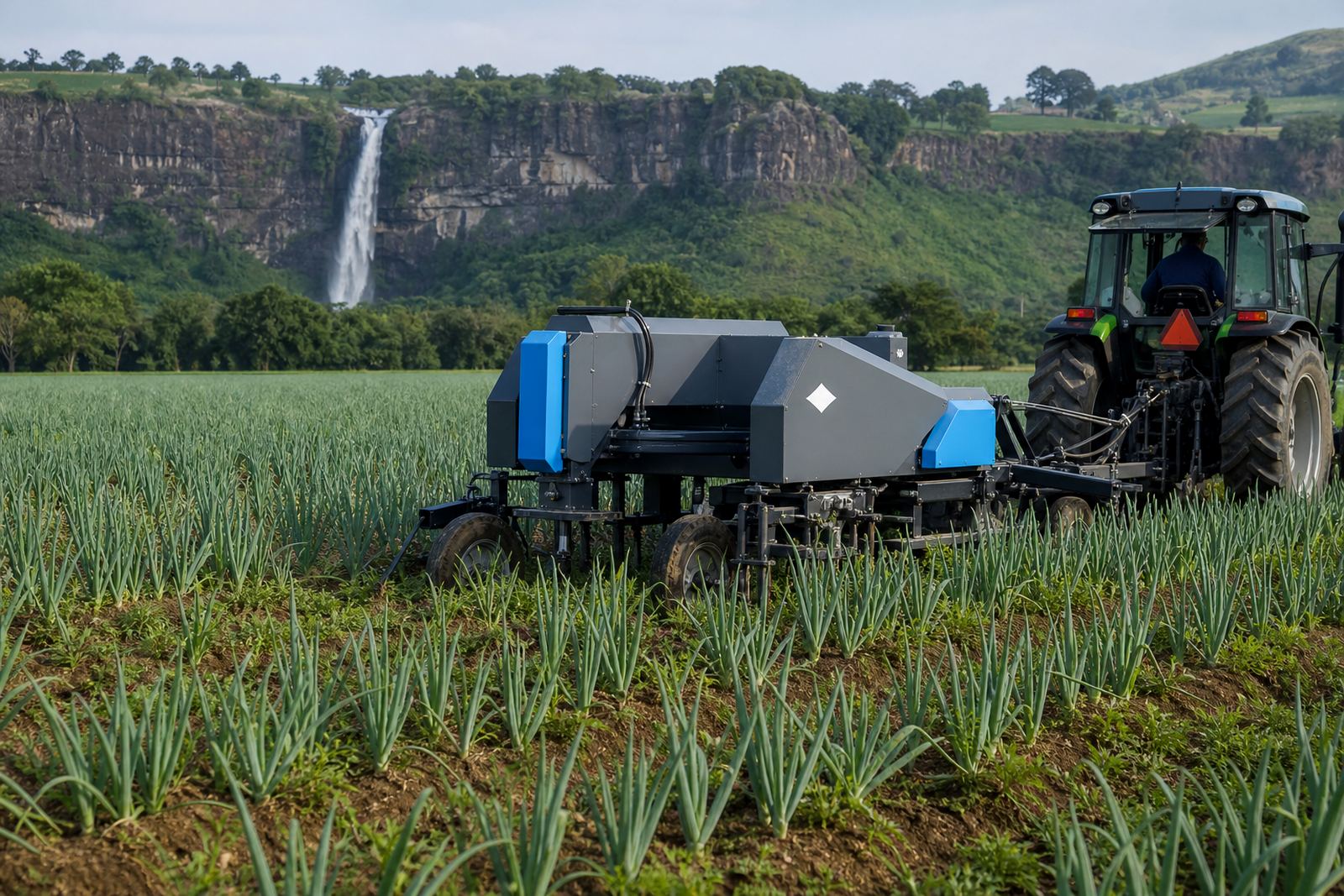
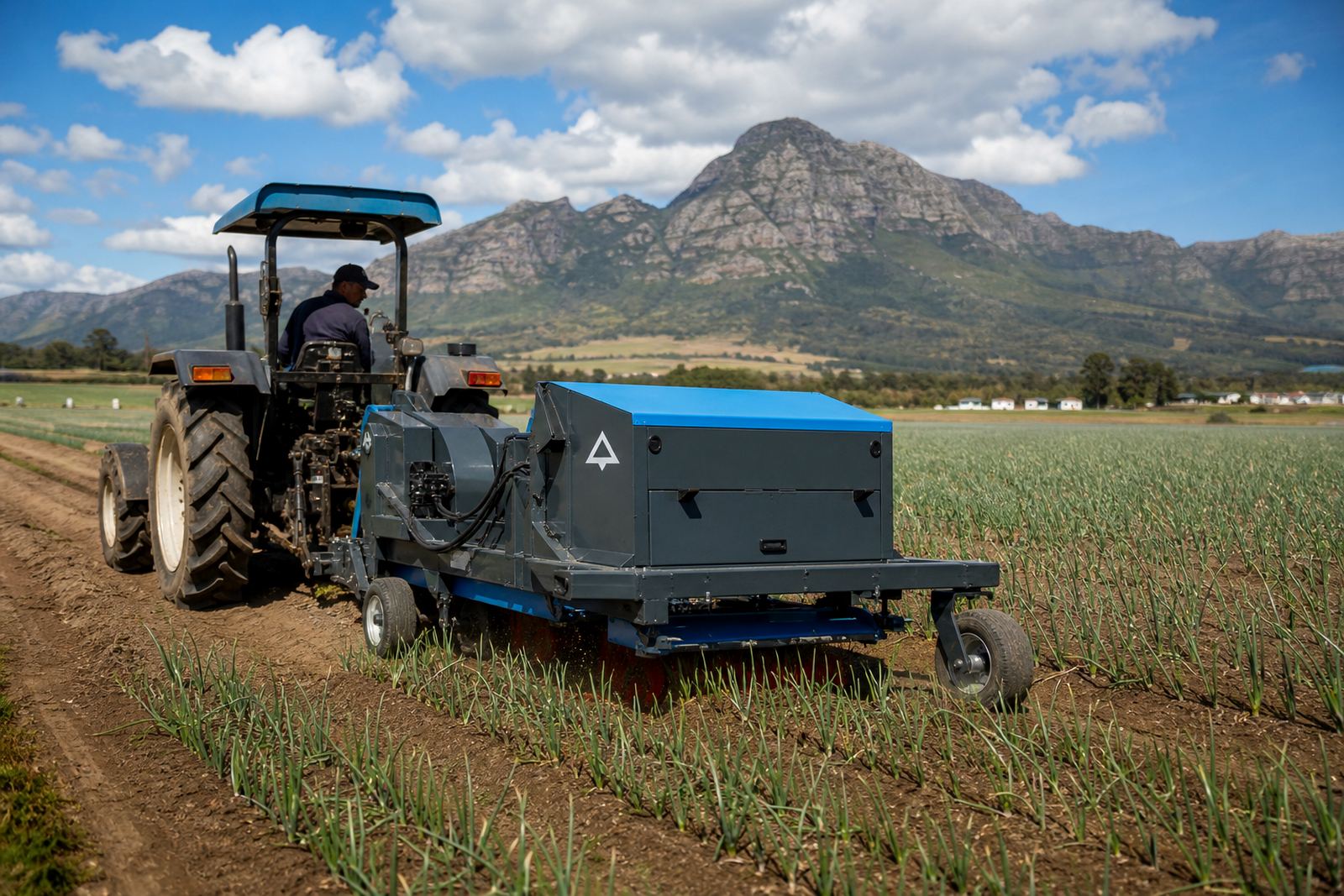
The farms and market gardens around Philippi often need careful weed control between rows and close to the crop line. Laser weeding is used here as a non-contact method, with camera-guided detection finding the weed and focused laser energy targeting the growing point. The tractor-drawn unit stays above the soil, so there is no cultivation pass and no soil disturbance from the machine itself.
How the machine work fits local vegetable blocks
A laser weeding pass is not a blanket treatment. The operator and field plan need to match the crop layout, row width, bed shape and the weed population already in the field. Small weeds in the right stage are easier to target than larger, tougher weeds, so timing matters. In a place like Philippi, where fields can be close to homes, drainage lines and busy pack routes, that timing also helps keep movement sensible across the block.
Our team uses tractor-drawn laser weeding units with trained operators who watch the crop line, field pattern and pressure from weeds as the pass continues. Field speed changes with weed density and field conditions, so a clean block and a heavy block do not move the same way. That is part of the method, not a flaw in it.
- Camera-guided weed detection for row crop layouts
- Lasers aimed at the weed growing point, not the crop
- Suitable for onions, carrots, lettuce and brassicas
- No herbicide spray and no soil disturbance from the unit
- Field speed adjusted to weed pressure and crop spacing
Local conditions that shape each pass
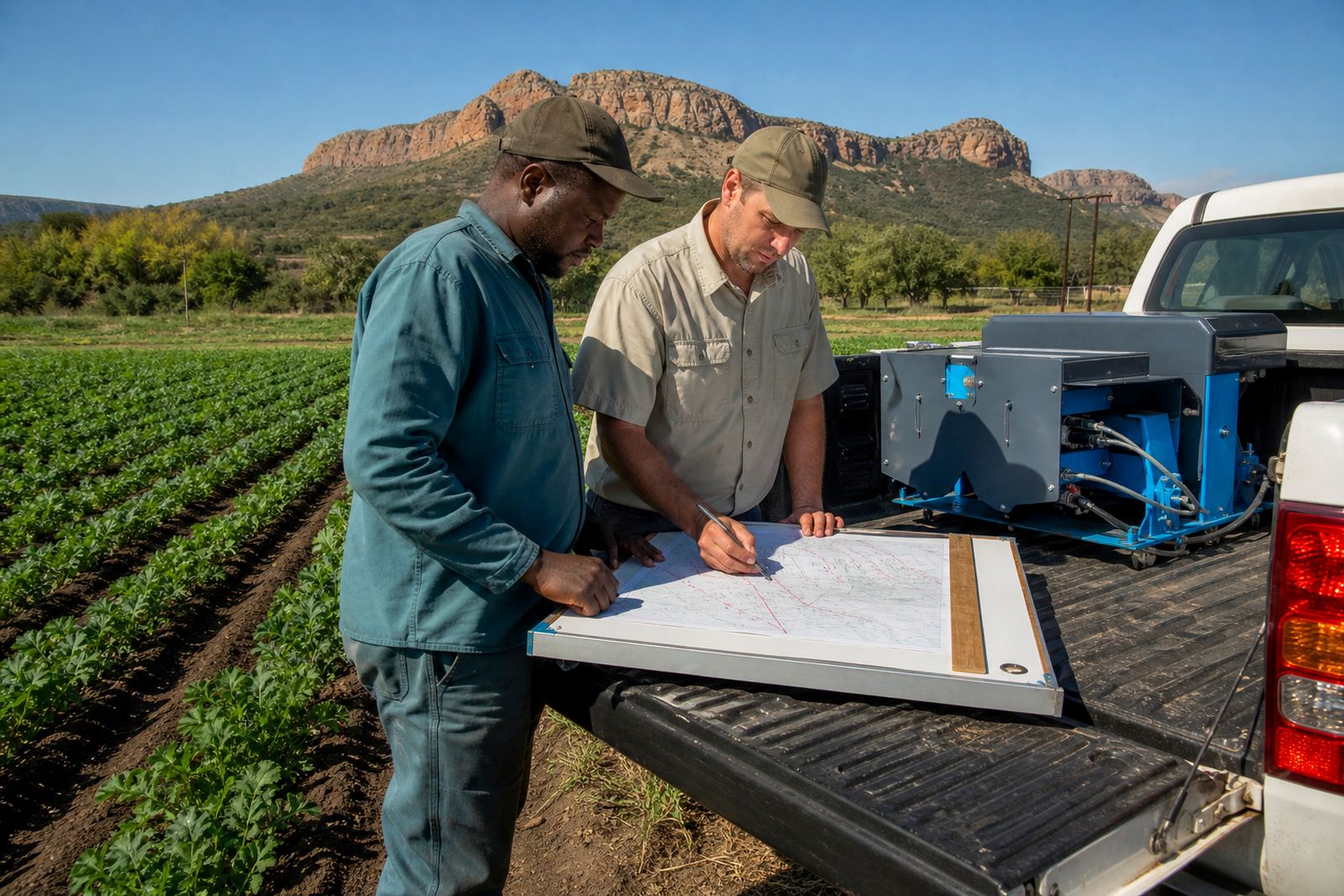
Philippi growers know that coastal weather can shift the field surface and the crop canopy faster than a calendar suggests. Morning moisture, gusty afternoons and sandy patches all affect how a tractor-drawn laser unit behaves in the block. We look at access tracks, headlands and the general condition of the rows before a pass is scheduled, because a short site check can save trouble once machinery is on the land.
Where beds are uneven or weed pressure is patchy, a trial strip run can show how the crop and weeds present on the day. That helps with repeat pass planning later in the cycle. Some crops need one round only, others need a second or third pass as the block closes in. The plan should follow the field, not the other way round.
- Coastal humidity can change leaf and soil conditions
- Wind across open blocks can affect field timing
- Sandy ground calls for careful tractor movement
- Drainage lines and narrow access points need clear planning
- Repeat passes depend on crop stage and weed flushes
What our Philippi base covers
Our Philippi base supports nearby growers, but it also anchors field work across wider vegetable areas when the schedule calls for it. We cover field assessments, crop timing plans, operator supplied work, travel coordination, season bookings and multi farm programmes. That matters for growers who split plantings across more than one site and need a single plan that follows the crop rather than each field sitting on its own.
The practical side also includes arrival site checks, grower consultation and post pass reporting. Those notes help track what was seen in the block, where weed pressure sat and whether a repeat pass should be held for later in the cycle. Our contact form on the contact page is the place to start the process, especially when the field list is still changing.
- Field assessments for new or unfamiliar blocks
- Crop timing plans based on crop stage and weed stage
- Operator supplied service with tractor-drawn equipment
- Travel coordination for farms beyond Cape Town
- Season bookings and multi farm programmes
Travel out of Philippi to grower areas across South Africa
Philippi is the base, but the work does not stop there. We schedule contract laser weeding for growers in the Western Cape, Limpopo, Mpumalanga, KwaZulu-Natal and the Free State. That includes blocks near Ceres, Grabouw, Tzaneen, Bela-Bela, Nelspruit, Howick and Bethlehem, where field shape, climate and crop mix can differ a lot from one province to the next. The same laser method is adapted to the field, not copied blindly from one region to another.
For growers farther from Cape Town, the schedule has to allow for machine movement, operator planning and site readiness. A farm with several blocks may need a staggered programme, while a smaller market garden may only need one targeted visit. We do not treat travel as a side note. It shapes the whole field plan.
The team behind the field schedule
Mandla Adonis leads the business from the Philippi base, with a team that handles the moving parts of a live field programme. Anele Khoza manages operations, Pieter Mokoena handles field scheduling, Zanele Naidoo works on grower liaison, Johan Daniels leads operator work, Lerato Letsoalo coordinates service and Ruan Mkhabela supervises the workshop side. That mix matters when a crop is at the right stage but a block still needs access, equipment check or a shift in route.
Laser weeding is most useful when the grower and the field team are working with the same view of the crop. Good records, clear block notes and plain site information help us fit the pass into the season without fuss. If you want to discuss a Philippi block or a wider farm programme, use our contact form on the contact page.
- Operations management for live field programmes
- Workshop support for machine readiness and checks
- Grower liaison for block notes and planning
- Field scheduling for local and out of area work
- Post pass reporting for season records