Bethlehem carrots needed a cleaner route through the rows
The grower was working a carrot block outside Bethlehem where weed pressure was uneven from one section to the next. Some rows carried light flushes, while other parts had thicker pressure close to the crop line and around the headlands, so the brief was not just weed removal, but a practical test of how fast the unit could move without losing precision.
The site called for a careful balance. Carrots are unforgiving when the crop is small and the row width is tight, so the trial had to respect crop stage, moisture in the topsoil, and the way weeds were sitting in the row middles. The block also needed a clean plan for access, turning space and pass order, because the field was being worked while the weed flush was changing under local autumn conditions.
- Crop: carrots in row formation
- Town: Bethlehem, Free State
- Trial focus: field speed under changing weed pressure
- Method: tractor-drawn laser weeding with a trained operator
Timing the pass around weed stage, not guesswork
The brief centred on weed stage and timing. The unit works best when weeds are at the right growth point for the laser to target, before they get too advanced and before the crop canopy becomes too closed for a clean run. That meant the block needed a trial strip first, then a measured sequence of passes that reflected what the weeds were doing in the field, not just the calendar.
We also had to keep the tractor speed practical. Faster movement is possible when weed pressure is lighter and the row pattern is even, but speed changes when there are denser patches, irregular emergence or tighter work around borders. In Bethlehem, that meant reading the block section by section and adjusting the pace to suit what the crop and weeds were showing that week.
- Weed stage checked before each pass
- Field speed adjusted by pressure level
- Headlands handled separately from inner rows
- Pass order matched crop growth and access lines
What we brought to the trial block
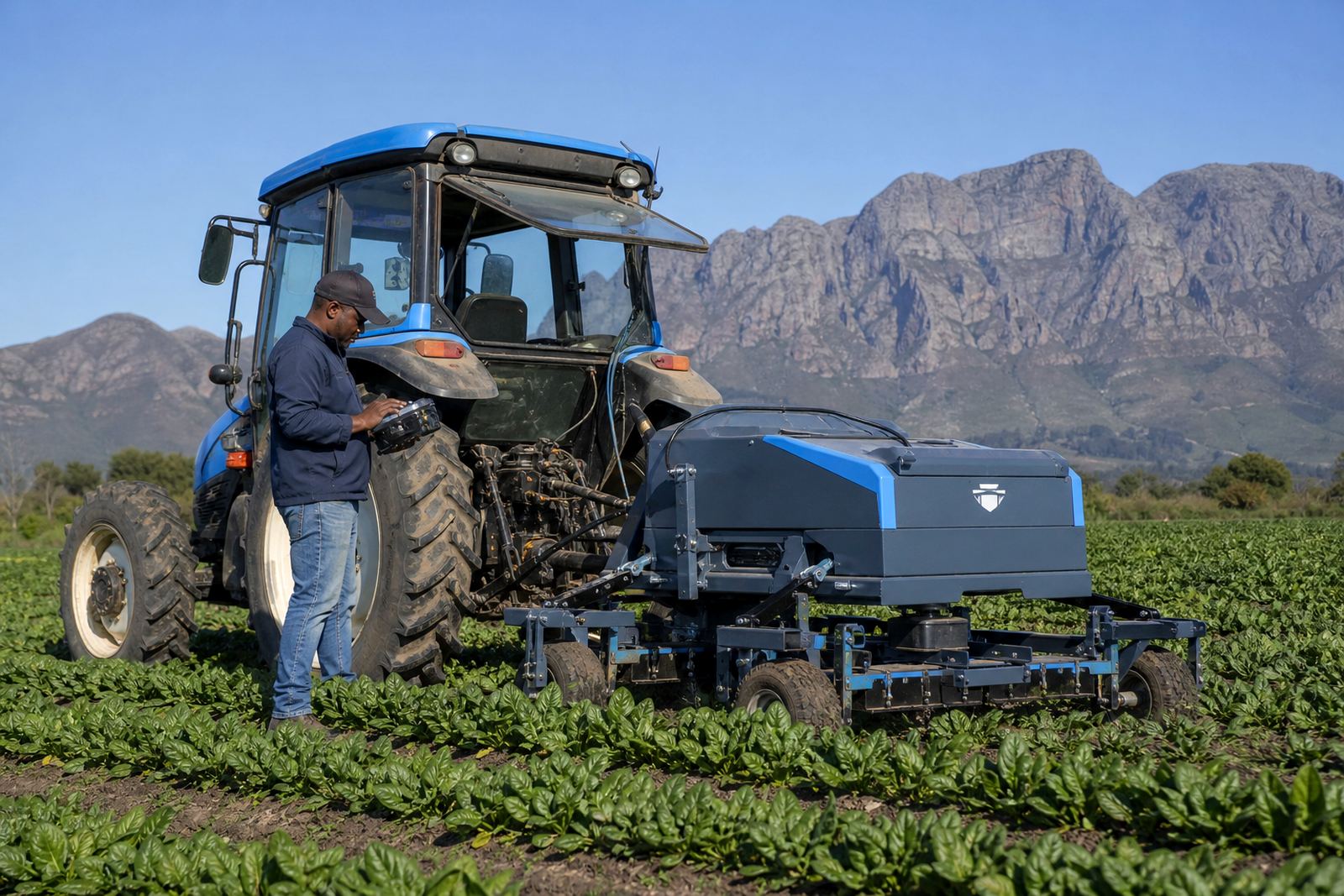
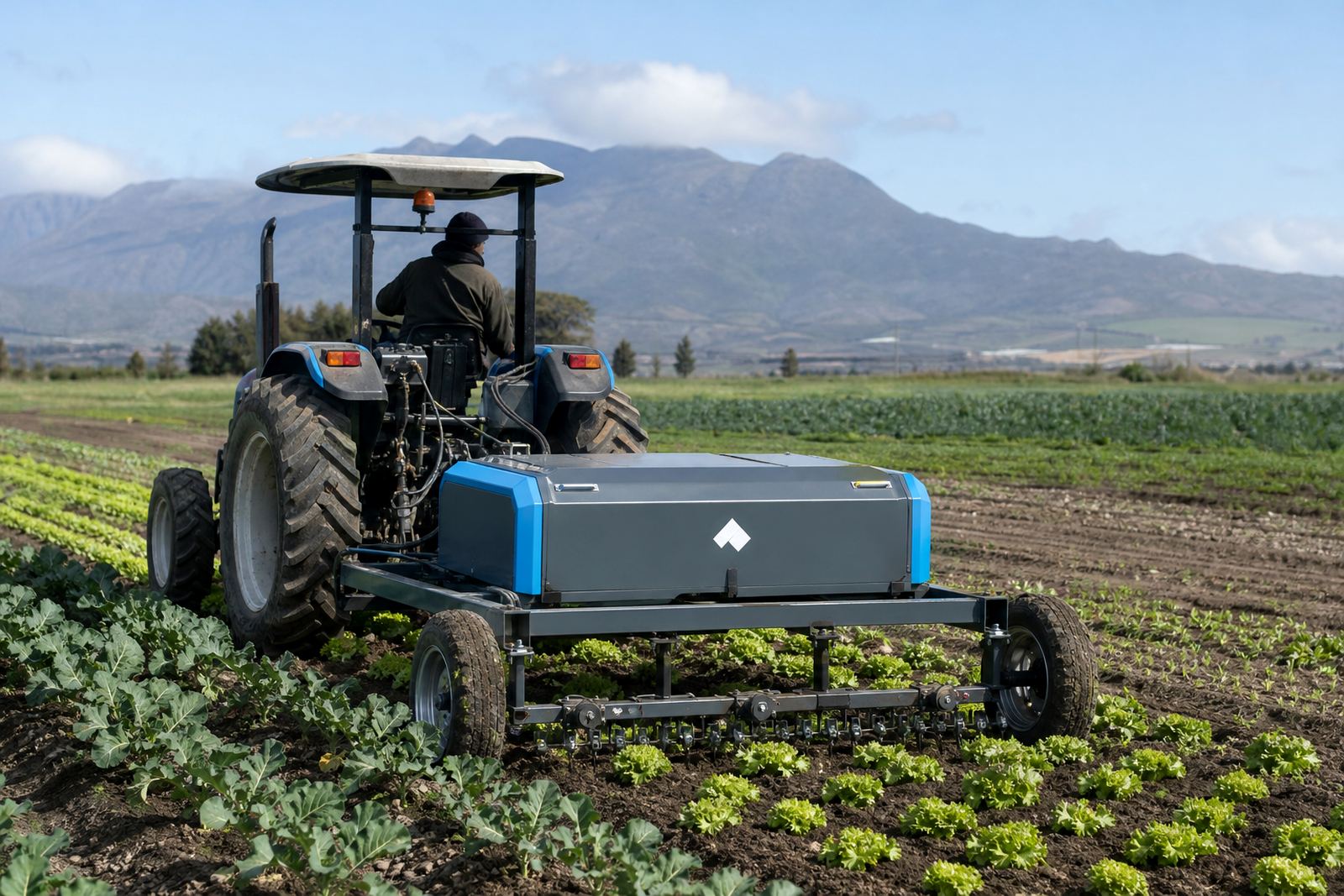
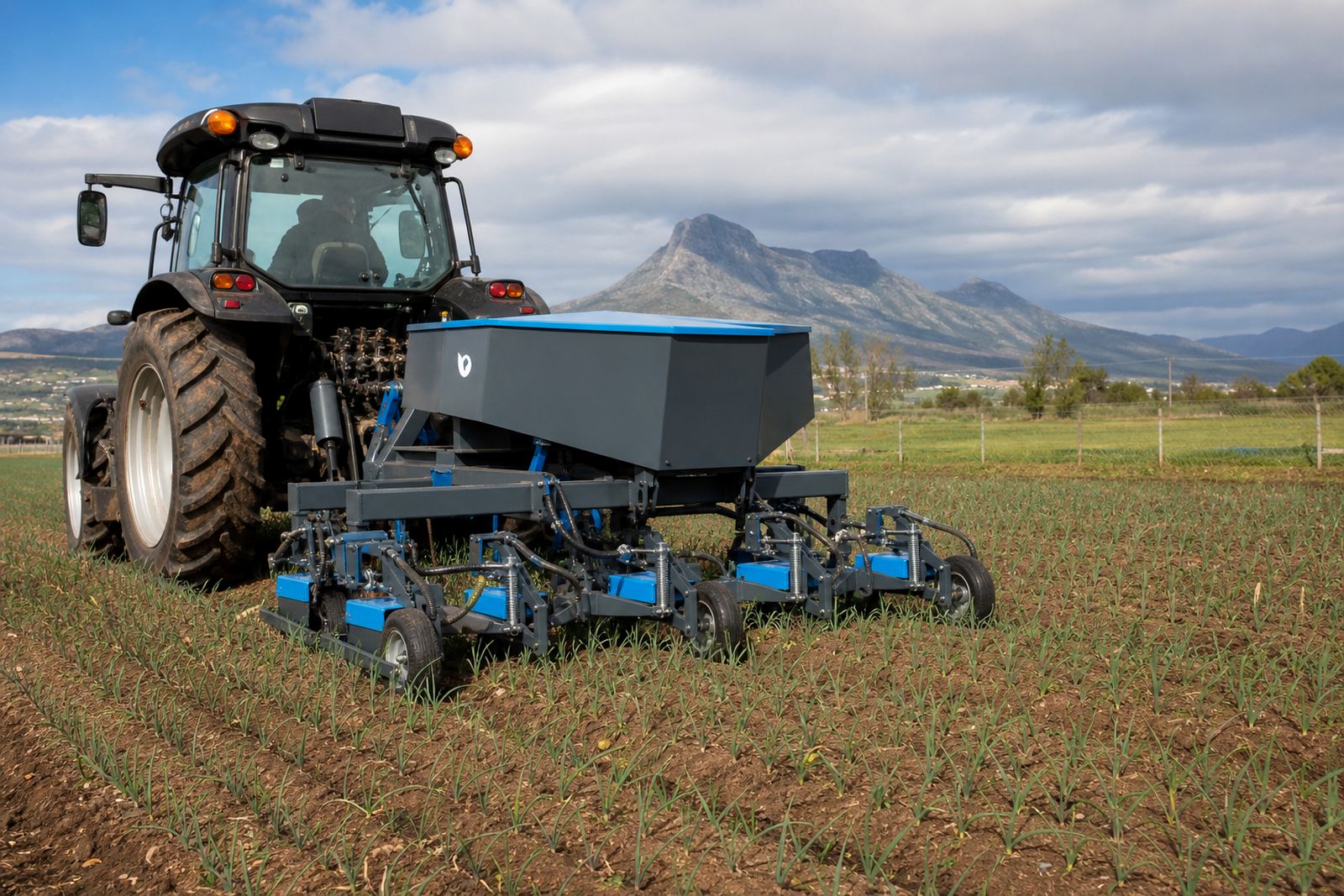
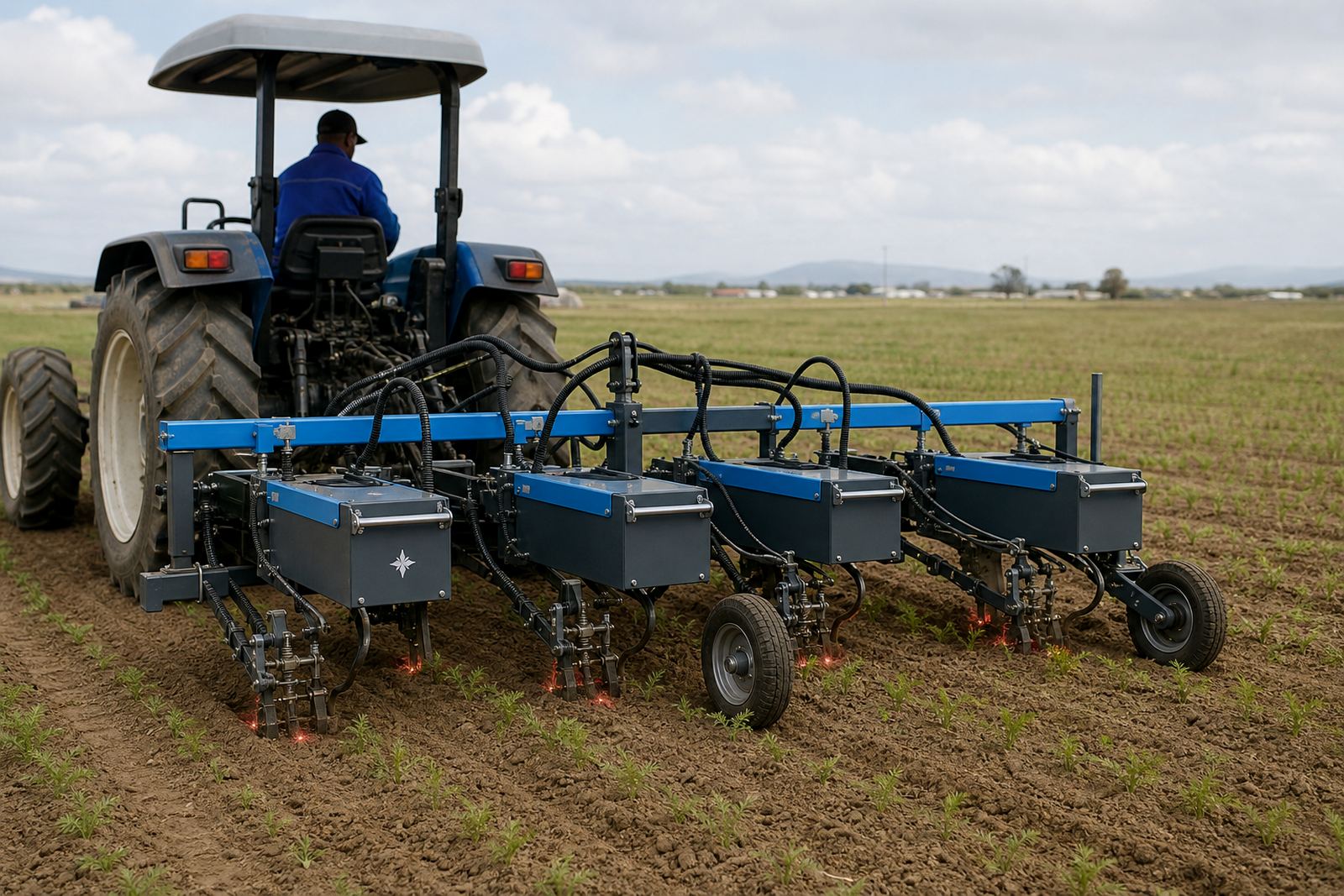
We supplied a tractor-drawn laser weeding unit, the operator, and field scheduling around the farm’s working week. The job also included arrival site checks, so the unit could be set into the right rows without wasting time on awkward turns or blocked access. Where the grower wanted to see the effect before committing the whole block, we ran a trial strip and then used that strip to guide the rest of the programme.
The equipment works without herbicide sprays and without soil disturbance, which matters in carrots where the top layer needs to stay stable. The laser targets the weed growing points rather than stirring the bed, so the pass is about precision rather than churning the soil. That suits row crops where the plant spacing is known and the rows are laid out cleanly.
- Operator supplied with the unit
- Trial strip runs before full scheduling
- Arrival checks for row access and turning space
- Herbicide-free work with no soil disturbance
A four-week run built around the weed flush
The trial ran over four weeks, with the first week used for assessment, row reading and a short strip run. The second and third weeks carried the main passes, each one shaped by the pressure on the day and the parts of the block that needed tighter attention. In the final week, we reviewed the pass pattern and checked where repeat work might be needed on later flushes.
That schedule suited the way carrot blocks behave in the Free State. Weed emergence is rarely even across the whole field, and a single pace across every section would have been too blunt. By splitting the work into a planned sequence, the grower could see how field speed changed on light weed sections versus denser patches, without pushing the unit beyond what the crop stage allowed.
- Week 1: field assessment and trial strip
- Weeks 2 and 3: main passes on active weed sections
- Week 4: review and repeat pass planning
- Programme adjusted to patchy emergence
What the Bethlehem block showed in practice
The main result was a clearer picture of how laser weeding behaves when weed pressure is not uniform. Light sections allowed a steadier pace, while heavier patches needed slower work and more attention around crop rows and borders. The trial also showed that the unit could stay focused on the weed points without working up the soil, which helped keep the carrot bed structure intact.
For the grower, the value was in the schedule itself. Instead of treating the block as one flat job, the field was broken into practical zones and treated by need. That made it easier to plan later passes, judge which areas needed repeat attention, and keep the whole programme tied to crop stage rather than to guesswork.
- Field speed changed with weed pressure
- Carrot rows stayed undisturbed
- Repeat pass planning became more specific
- Weed control was handled without herbicide sprays
The same field plan we would use on a similar carrot block
On a similar job, we would still start with a short trial strip, then map the block by weed pressure and crop stage before settling the pass order. That is the cleanest way to work carrots, because the crop does not forgive rushed timing and the weed flush can change quickly across a single farm section. The same approach also helps when a grower wants to compare one part of the block against another before setting the rest of the season plan.
For carrot growers working in Bethlehem or on other Free State blocks, the practical points stay the same: row spacing has to be clear, access has to be workable for the tractor, and the timing has to match the weed stage in front of the unit. That is the kind of field work we plan around from Philippi, with travel and scheduling shaped for growers across South Africa.
- Start with a trial strip and block reading
- Split the field by pressure, not by guess
- Plan for repeat passes where flushes return
- Keep the schedule linked to crop stage
Key facts
| Project | Bethlehem Carrot Trial |
|---|---|
| Town | Bethlehem, Free State |
| Client type | Vegetable grower |
| Crop | Carrots |
| Method | Tractor-drawn laser weeding |
| Trial duration | 4 weeks |