The cabbage block and the brief from Nelspruit
The grower needed a practical test on a cabbage block where the rows were open enough for machine travel, yet tight enough to test how the laser unit would hold line near young plants. The field sat in the Nelspruit area, with normal summer growth pressure and a layout that left enough room at the ends for turning without crushing the crop line.
The brief was direct. Keep the cabbage plants protected, work between the rows, and clear weeds that were already visible in the row shoulders and on the plant line. The farm wanted a herbicide-free approach, with no soil disturbance, and it needed to fit into a normal vegetable schedule rather than a special one-off arrangement.
- Crop type: cabbage on planted rows with clear spacing
- Farm area: Nelspruit, Mpumalanga
- Work type: trial run on a single block
- Main aim: weed removal around crop plants without spray use
What the site looked like before the tractor rolled in
The block had decent row definition, but the weed pressure was already enough to justify a pass before the weeds got too strong. With laser weeding, timing matters. Young weeds are easier for camera-guided detection and their growing points are more exposed, while older weeds can be harder to clean out without a second look.
Turning space at the field ends also mattered. The machine needed room to enter the block, work a steady line, and exit without clipping the outer plants. The layout was workable, though a few short turns at the ends required careful handling from the operator. That part is often overlooked, yet it can make the difference between a tidy pass and a messy one.
- Weed stage: mostly early to mid-stage growth
- Field edges: workable, but tight in a few spots
- Machine movement: steady tractor-drawn travel through the rows
- Key risk: crop contact at the outer row ends
How the laser pass was set up on the day
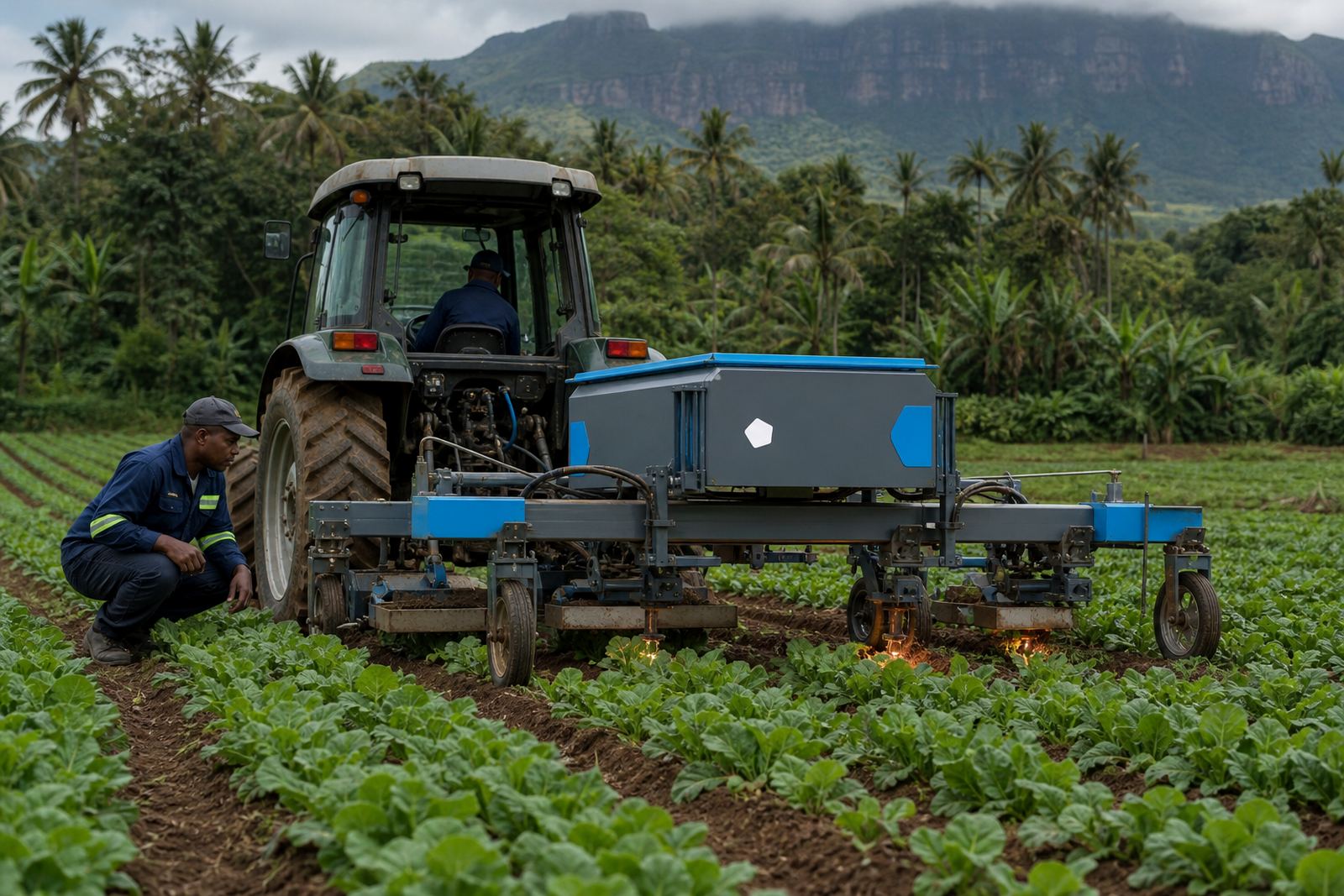
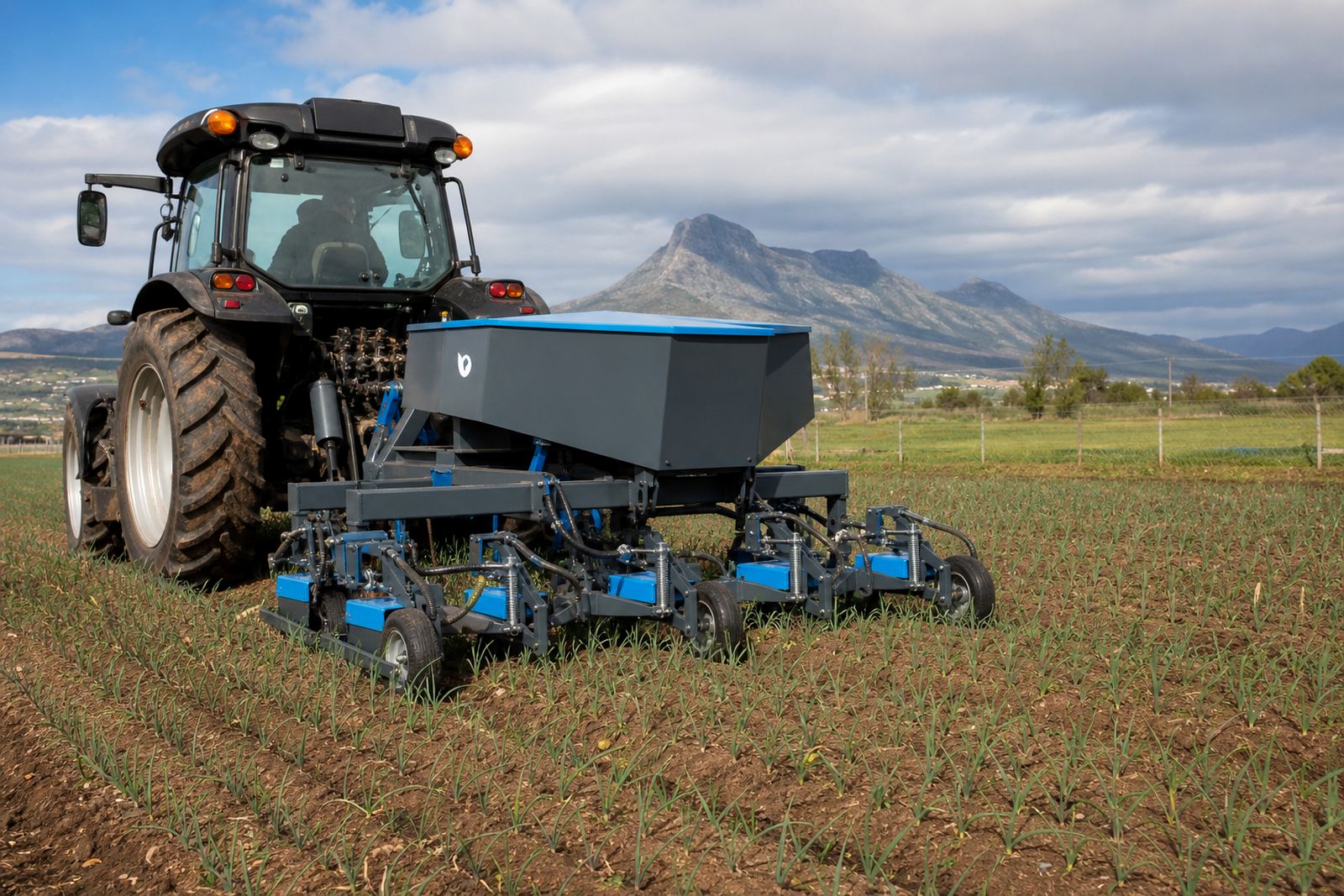
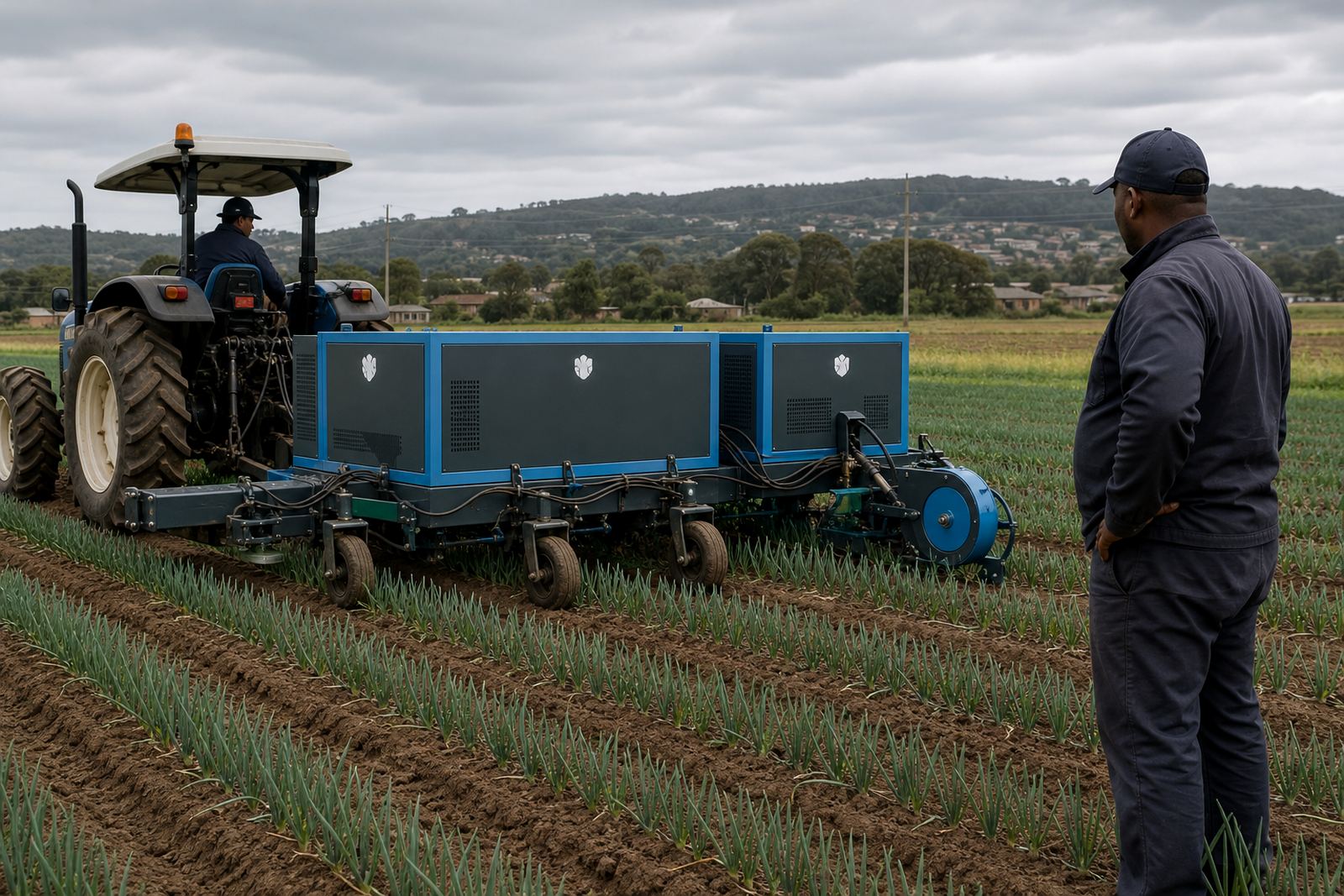
We brought in a tractor-drawn laser weeding unit with a trained operator and supported the run with field scheduling and arrival site checks. The unit uses camera-guided detection to separate crop from weed targets, then directs laser energy to the weed growing point. That lets the machine work around the cabbage plants without disturbing the soil surface.
The pass speed depended on weed pressure and how clean the row looked from section to section. Where the weeds were thinner, the tractor could hold a more even pace. In denser patches, the operator slowed the work to keep the system accurate, because too much speed on a mixed stand can leave gaps in coverage. The job was handled as a single trial block, with notes taken for follow-up planning.
- Unit type: tractor-drawn laser weeding system
- Method: camera-guided weed detection and laser targeting
- Surface impact: no soil disturbance from the pass
- Operator support: on-site handling by a trained operator
Field handling, spacing and turning room at the row ends
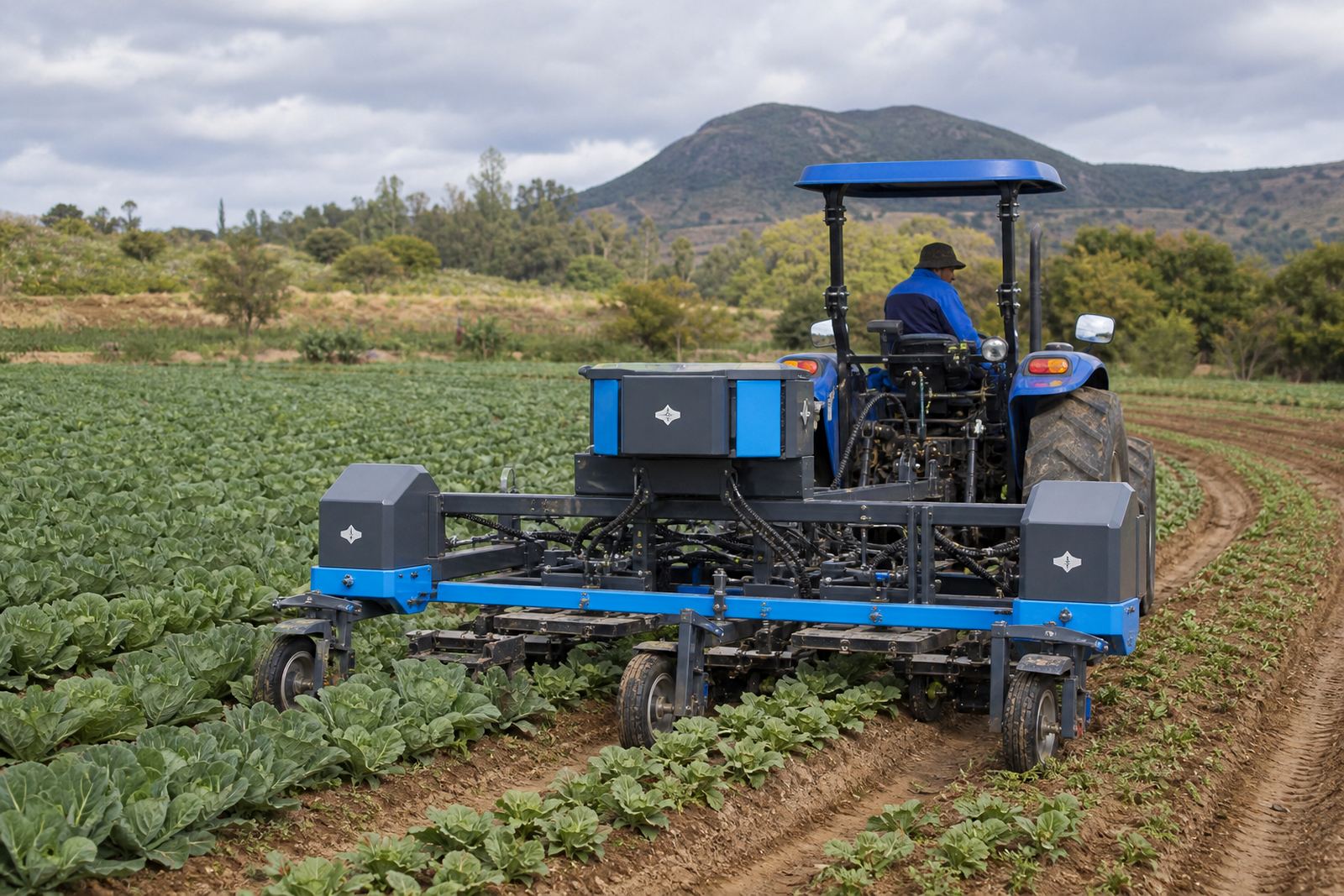
The row spacing was one of the clearer strengths on this block. The cabbage plants were set out with enough separation to let the machine work through the inter-row space, and the open ends allowed safe turning at the headlands. That gave the operator a cleaner path and reduced the need for awkward corrections on entry or exit.
Even so, the ends of the field were the part that asked for the most attention. A tractor can line up well in the row, but if the turn is too sharp or too late the outer plants take the strain. We kept the line conservative near the edges and watched the crop shoulders closely. It was the sort of job where a small drift can cause a bigger headache, so the pass stayed measured and deliberate.
- Spacing fit the machine work without forcing crop damage
- Headlands gave enough room for practical turning
- Outer rows needed tighter watch than the middle of the block
- The operator kept the pace steady through narrow sections
What the trial showed for the grower
The trial gave the grower a clearer picture of how laser weeding behaves in a cabbage block with decent spacing and decent headland room. Weed pressure reduced in the treated lines and the crop stayed untouched, aside from the normal care needed at the row ends. The pass also showed how useful timing can be when weeds are still young and the block is not yet overrun.
For a cabbage farm, that matters because the crop can close over faster than many people expect. Once the canopy tightens, access changes and the work gets harder to place neatly. This trial confirmed that early scheduling is the better route, especially where the grower wants to avoid herbicide sprays and keep the soil surface undisturbed. There were no grand claims made, just a clean working read on how the field handled the system.
- Weed pressure was lowered in the treated rows
- Crop contact stayed limited under careful handling
- Early timing proved more useful than waiting too long
- The block suited a follow-up pass if weed pressure rises
What we would set up next on a similar cabbage block
On a similar job, we would keep the same approach: check the row spacing, confirm the headland room, and plan the pass while the weeds are still at a workable stage. The Nelspruit block was a good fit because the crop line was clear and the turning areas were honest enough for tractor movement without fuss.
We would also keep the scheduling tight around the crop stage. If cabbage plants have moved too far on, the window narrows and the machine has less room to work cleanly between the rows. A second pass can be useful when weed pressure builds again, but the first run should always land while the block is still open enough for precise work. That part is not fancy, just practical farm timing.
- Best next step: check spacing before the block closes in
- Best timing: early weed stage, before weeds harden off
- Useful add-on: repeat pass planning where pressure builds
- Good fit: cabbage blocks with clear headlands and steady rows
Key facts
| Project | Nelspruit cabbage row trial |
|---|---|
| Client type | Vegetable grower |
| Town | Nelspruit, Mpumalanga |
| Crop | Cabbage |
| Method | Tractor-drawn laser weeding with trained operator |
| Work scope | Trial run, field scheduling and reporting |