The pass begins with a live view of the row
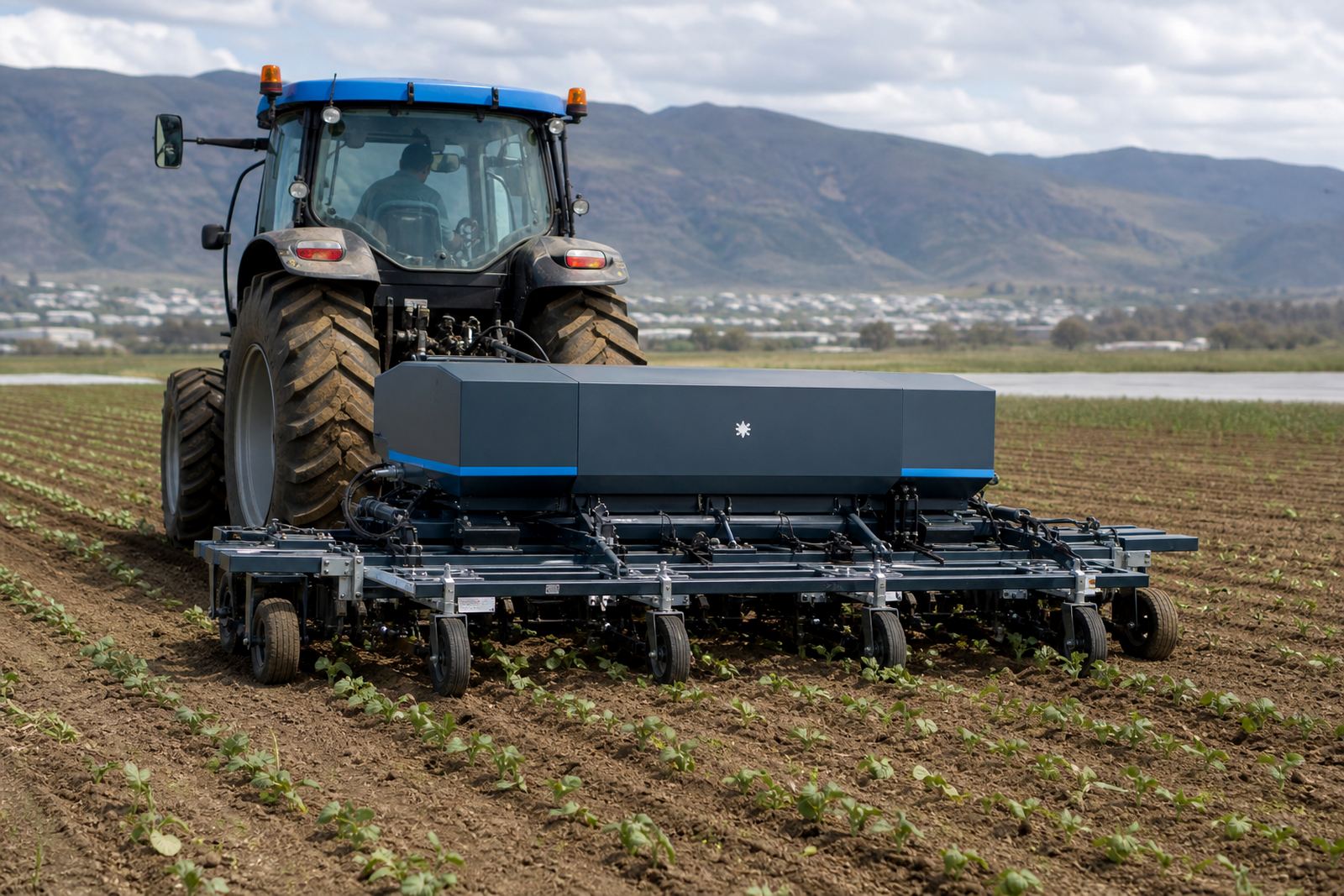
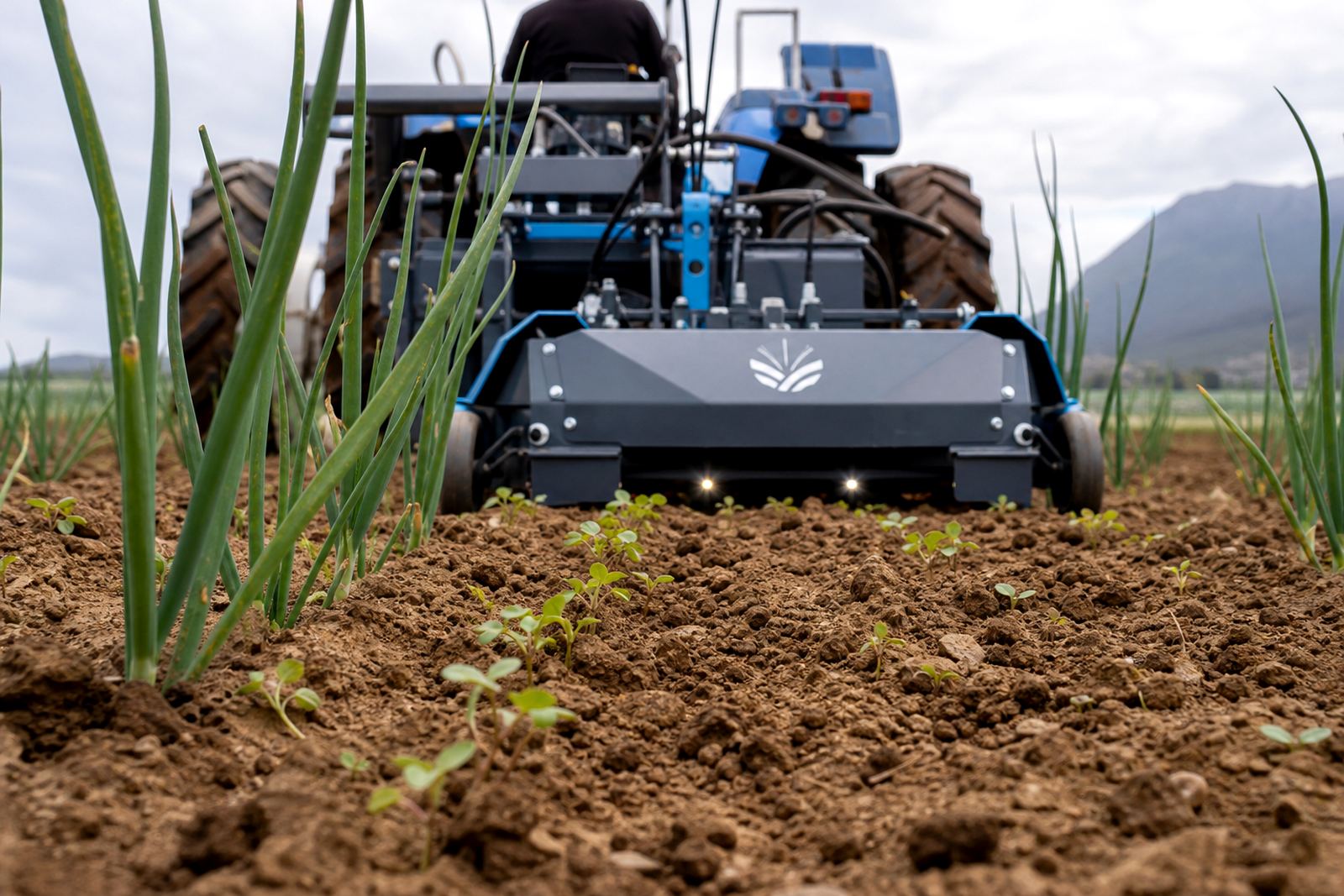
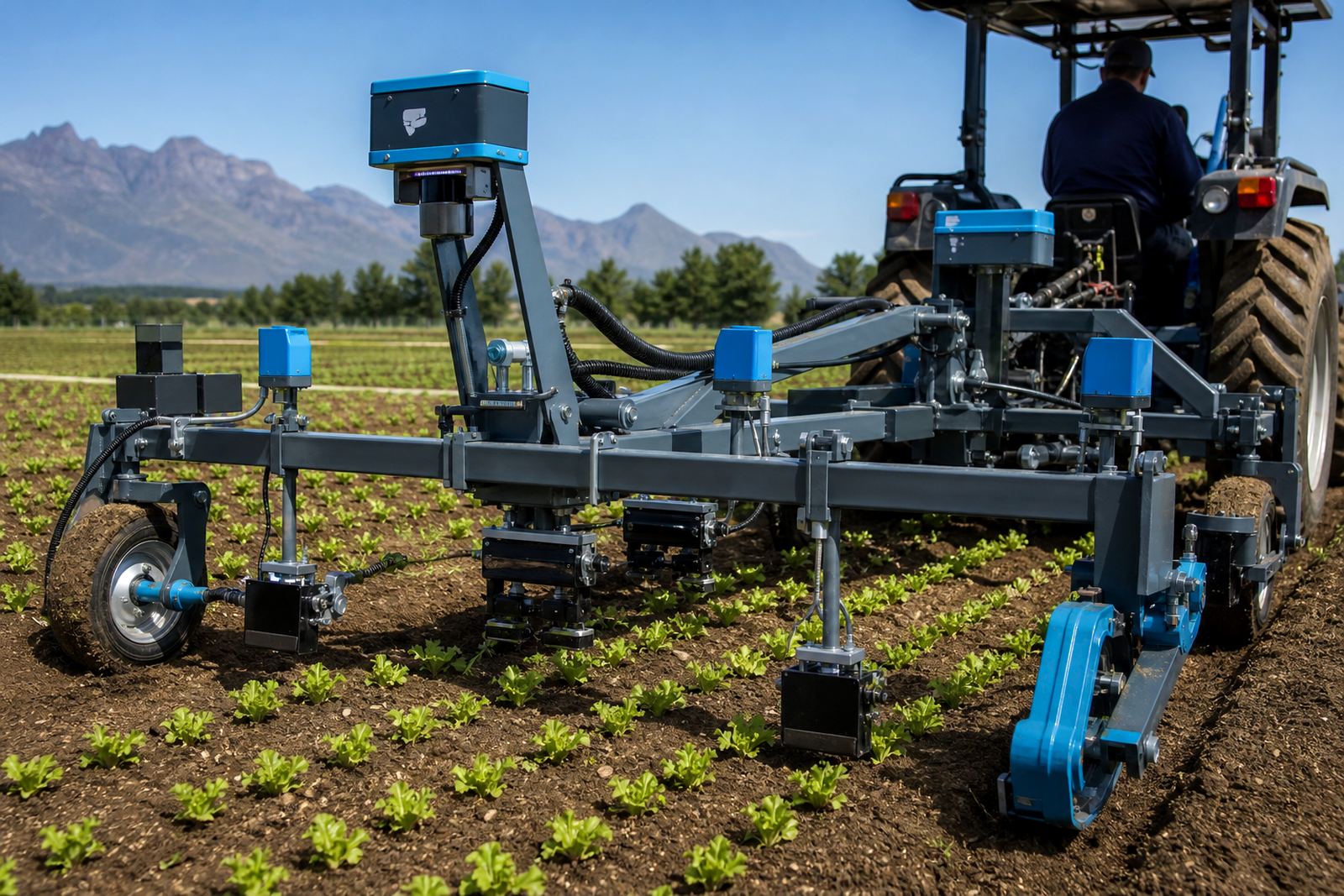
A tractor pulls the laser unit along the crop bed while cameras scan the soil surface and the spaces between plants. The system looks for the shape, colour and position of weeds, then a control unit aims laser energy at the weed growing point. That growing point is where the plant keeps pushing new leaves, so once it is damaged the weed stops its normal growth. The crop is protected by spacing, row alignment and the operator's set-up before the machine moves in.
This is not a blanket spray over the whole block. It is a targeted pass that works plant by plant, which is why row structure matters so much. Fields with onions, carrots, lettuce and brassicas are often the better fit because the crop is planted in rows and the machine can read the pattern more clearly.
Why weed stage shapes the result
Laser weeding is most useful when the weeds are still small and active. Young weeds have a softer growing point and less leaf cover, so the system can identify them and direct the beam with less clutter around the crop. Older weeds are tougher to classify, and some have already spread leaves across the row middle, which can slow the work or call for another pass later in the season.
Field timing is therefore part of the job, not an afterthought. A grower who plans the pass around crop stage and weed flushes usually gets a cleaner field window to work with, especially after irrigation or rain when the next flush starts to show. In coastal and inland areas alike, the window can change fast, so the operator and grower need to read the block before the tractor enters.
- Small, upright weeds are easier to identify than older spreaders.
- Early timing helps the laser hit the growth point before weeds thicken.
- Dense canopy can hide weeds and slow the scan across the row.
What the operator is watching while the machine moves
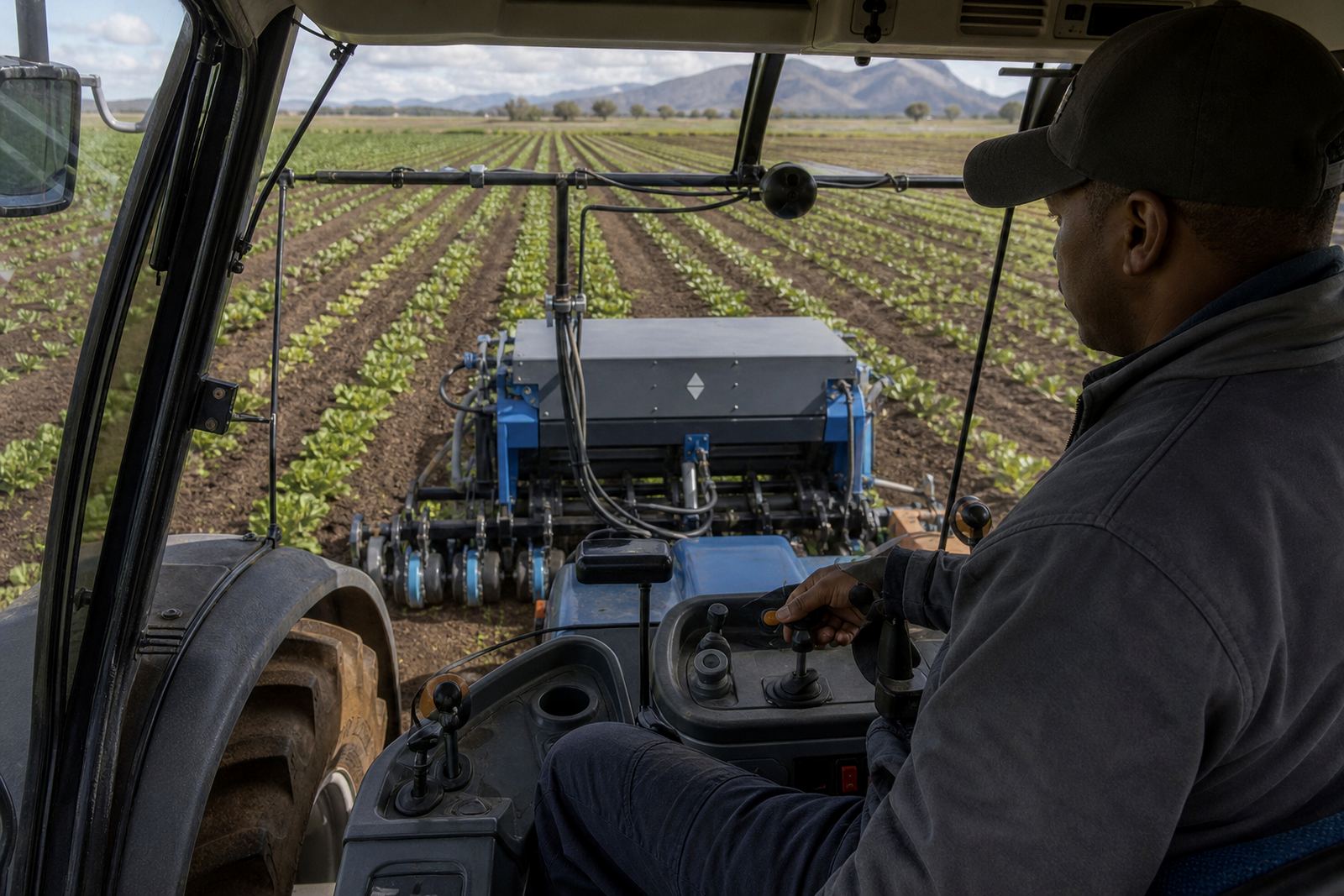
A trained operator does more than sit in the tractor seat. They monitor row straightness, plant spacing, soil condition and weed pressure before the pass starts, then keep an eye on how the machine reads the field during the run. If the bed shape changes, if the crop is uneven, or if the weeds are coming through in patches, the set-up may need a slower pace or a different pass plan.
Field speed is not fixed. It depends on weed pressure, crop density and how clean the row geometry is on that block. A lighter infestation allows a quicker run. Heavy pressure, mixed weed sizes or awkward headlands can mean a slower pace so the camera system has more time to identify each weed correctly. That is why one farm block in Philippi can move very differently from a block near Ceres or Tzaneen.
No spray, no soil disturbance, less dirt moved around the bed
Laser weeding removes weeds without herbicide sprays and without working the soil again. That matters on beds where growers want to avoid stirring up fresh weed seed, damaging shallow roots or cutting into a wet surface after rain. Because the unit is not cultivating the soil, it can fit into systems where bed structure needs to stay intact for irrigation, crop uniformity and later field traffic.
For growers managing several blocks, the practical gain is often in how the field is left behind. The crop row is still visible, the soil surface stays in place and the follow-up plan can focus on where fresh weeds are likely to appear next. On sandy ground around Cape Town or heavier soils farther inland, that low disturbance can matter just as much as the laser itself.
- No herbicide spray is applied during the pass.
- The soil surface is left undisturbed compared with mechanical hoeing.
- Row structure stays easier to read for later scouting and follow-up work.
A Philippi block tells the story clearly
Picture a vegetable block in Philippi after a warm spell and light wind. The onions are up in straight rows, but small weeds have appeared in the inter-row spaces and around a few crop plants. A contract unit arrives with the operator, checks the bed layout and starts a trial strip run so the team can look at the machine reading and row fit before the main pass continues. That small check helps the grower and operator decide whether the rest of the block should move at the same pace or whether the field needs a slower line through the thicker patches.
That sort of planning is useful across South Africa too, from Grabouw to Bela-Bela and on to Bethlehem. The same machine can be sent into different crops, but the field plan still changes with weed stage, row spacing, soil moisture and how the crop was planted. A good pass is less about pushing harder and more about reading the field properly before the tractor moves through it.
What growers usually plan around before booking a pass
Laser weeding works best when it is part of a wider crop plan. The operator needs to know the crop type, planting dates, row width, weed pressure and any tricky field access points before the unit travels out. That information supports travel coordination, season bookings and repeat pass planning, especially for growers managing several farms across provinces and not just one block close to the base.
Useful preparation usually includes:
- Field maps or a clear block layout with row spacing.
- Crop timing notes, especially where weeds are already at different stages.
- Any access details for gates, headlands, loading points or narrow tracks.
- Notes on whether a trial strip run, post pass reporting or repeat pass planning is needed.
For farms working in Western Cape conditions, and for growers in Limpopo, Mpumalanga, KwaZulu-Natal and the Free State, the practical value sits in timing and field fit. A clean row on paper is one thing. A machine reading that row in real soil, with real weed pressure and a real operator, is where the job is actually decided.