Small weeds give the laser a cleaner target
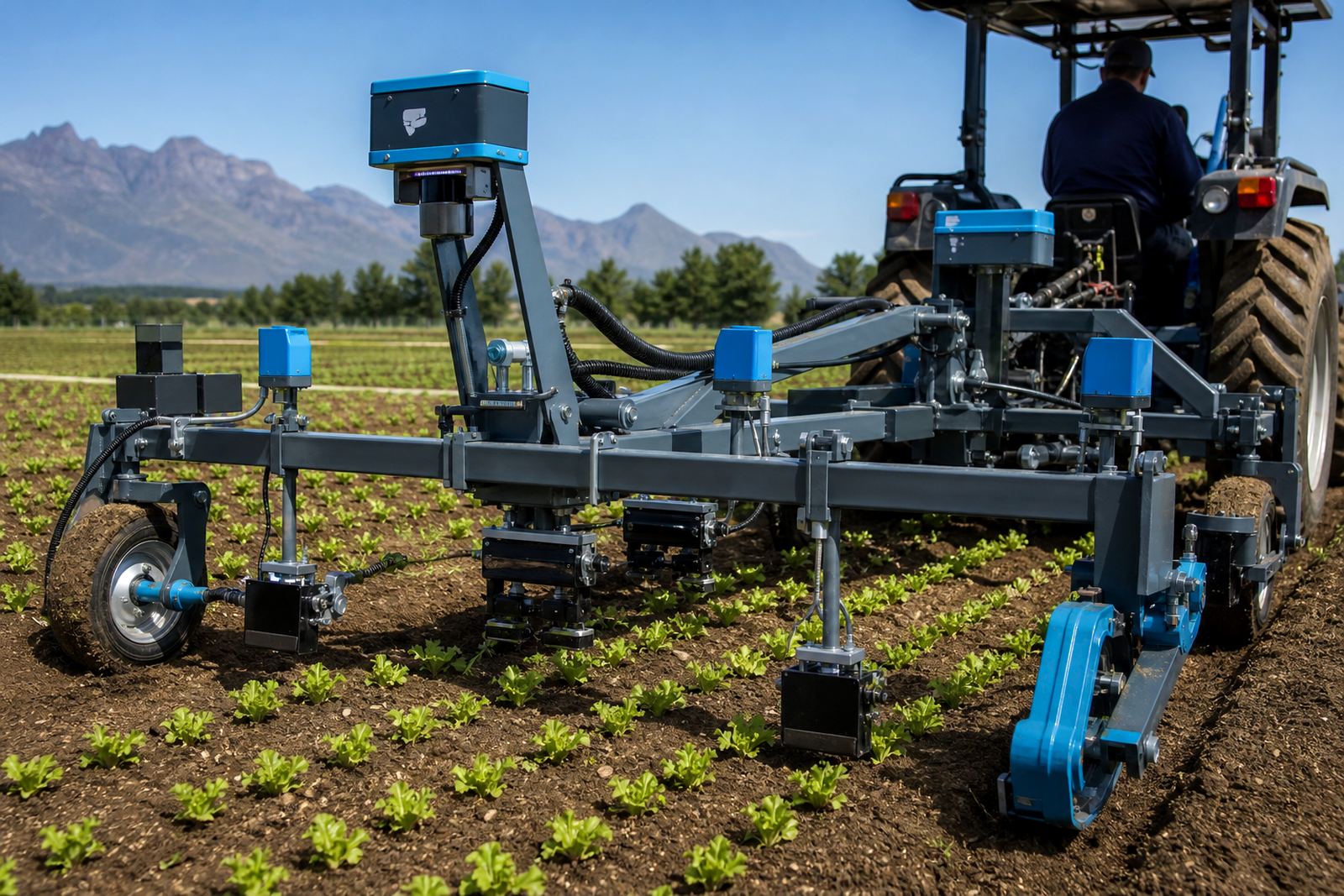
Laser weeding depends on the machine seeing the weed and placing energy on the growing point, not just the leaf surface. When weeds are still small, the plant structure is simpler and the growing point is easier to target before it hardens, branches or gets shaded by crop leaves.
That matters in rows of onions, carrots, lettuce and brassicas, where weeds in the row and between plants can move quickly from visible to awkward. A field with tiny flushes after irrigation or rain can usually be assessed differently from one where weeds have already stretched and spread across the bed shoulder.
- Seedling stage weeds are usually more uniform and easier to spot.
- Older weeds can hide behind crop leaves or overlap each other.
- Timing after germination is often more important than weed height alone.
- Patchy emergence calls for closer field inspection before a pass.
In practice, the crop stage matters too. If the crop canopy has already closed in, the operator has less open ground to work with and visibility becomes less forgiving. The pass still follows the same principle, but the window for neat targeting gets tighter.
Timing after rain or irrigation changes the whole block
Weed flushes do not appear at the same pace across every part of a farm. Low spots, sandy strips and areas that hold moisture differently can bring up weeds days apart. A laser pass scheduled too early can miss a second flush, while waiting too long can leave the weeds beyond the easiest stage for treatment.
Growers around Philippi, Grabouw and Ceres know how quickly a block can move after good moisture and mild weather. In hotter areas such as Tzaneen or Nelspruit, growth can move fast enough that a timing plan needs to follow field conditions rather than the calendar alone.
- Watch for fresh flushes after irrigation or rainfall.
- Check the first 10 to 20 metres and the low-lying areas.
- Look at weed stage in the row and on the bed edge.
- Plan around crop growth, not only around labour availability.
A trial strip run helps show whether the block is ready. It gives the operator and grower a real look at weed size, crop spacing and visibility before the full area is scheduled.
Field speed shifts with weed pressure
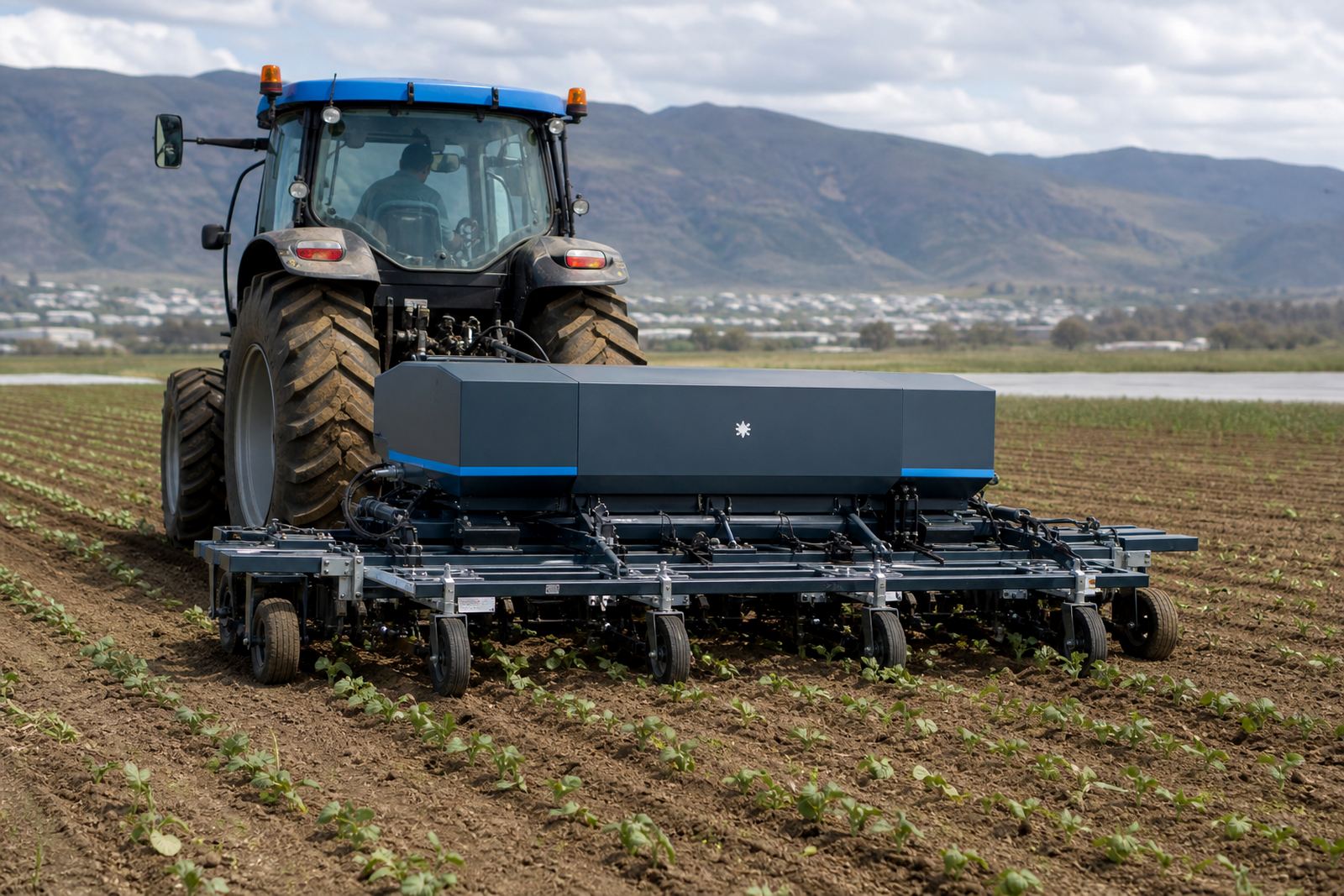
Field speed is not fixed. A lighter weed burden usually allows a steadier pace, while heavier pressure can mean slower travel and more careful scanning. That is because the operator needs enough time for the camera-guided system to detect the weed and direct the laser accurately to the growing point.
In vegetable work, speed must fit the weed stage, the crop spacing and how clean the row is. Tight beds with mixed weed sizes may call for more measured work than a uniform young flush on open ground. That is especially true where the field has irregular emergence or where some rows are already shading others.
When the block is organised as a multi farm programme, the scheduling team also looks at travel between areas, whether the site is in Bela-Bela, Howick or Bethlehem, and how much of the block is ready at the same stage. Better planning can reduce rushed decisions and help the machine spend its time where the weeds are at the right point for treatment.
Why the crop row is not the same as the open ground
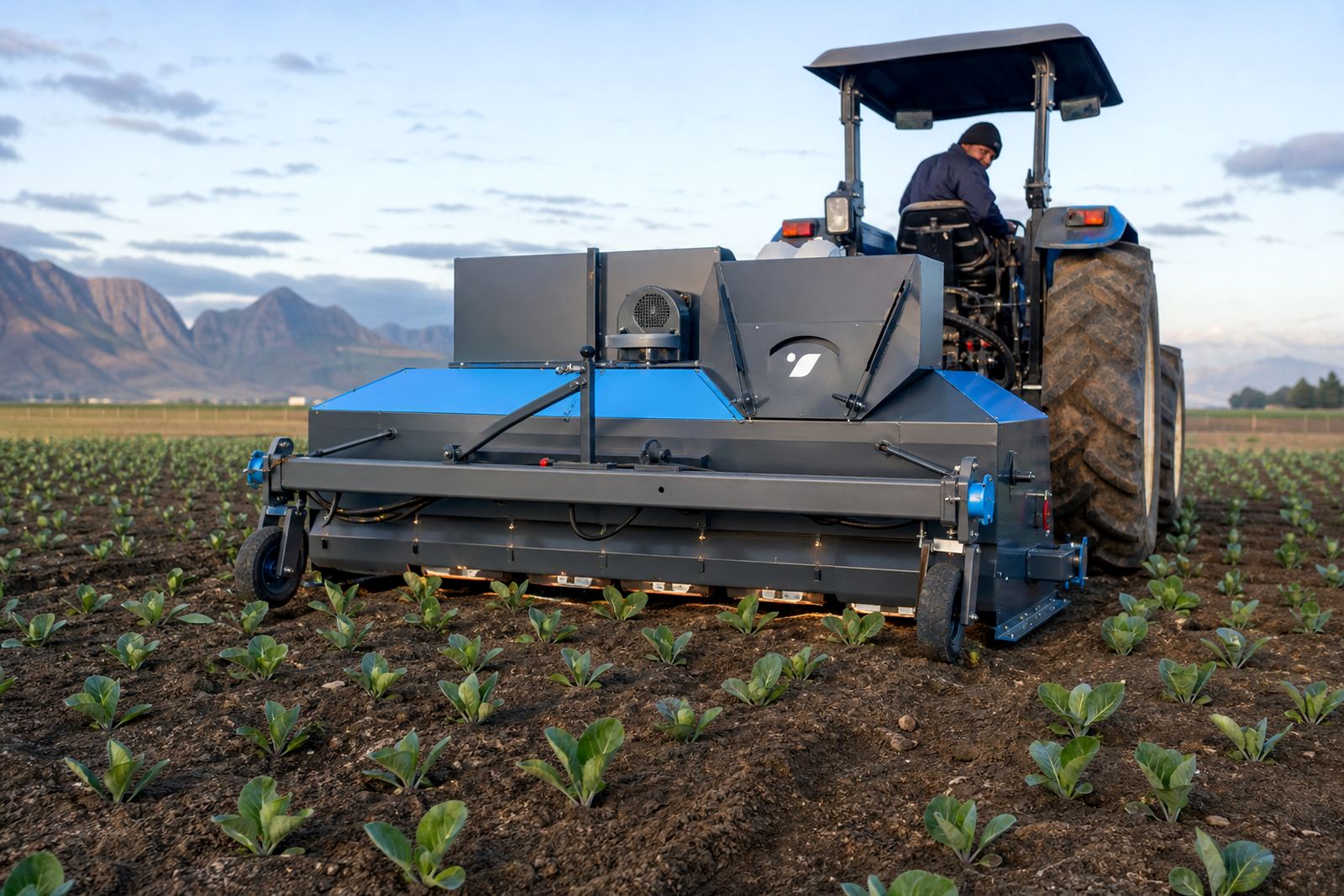
The laser can work without soil disturbance, which matters in fine seedbeds and in crops where the soil surface should stay settled. But weed stage still decides how easy it is to keep the beam off the crop and on target. Small weeds in the open inter-row space are usually simpler than weeds tucked under leaves or leaning into the crop row.
Anele Khoza and Johan Daniels often look at crop spacing, weed size and row definition together. In a planted block with neat lines and a young weed flush, the work is more straightforward than in a field where the crop has uneven gaps or where weeds have already grown past the seedling stage.
- Clear row definition helps the camera system read the field.
- Small weeds are easier to separate from crop plants.
- Late weeds can sit under leaves and reduce visibility.
- No soil throw means the surface stays settled after the pass.
That is one reason growers ask for arrival site checks before a season booking is locked in. A block that looked manageable on paper may need a different pass plan once the weeds and crop are seen together in the field.
A Philippi example from the vegetable belt
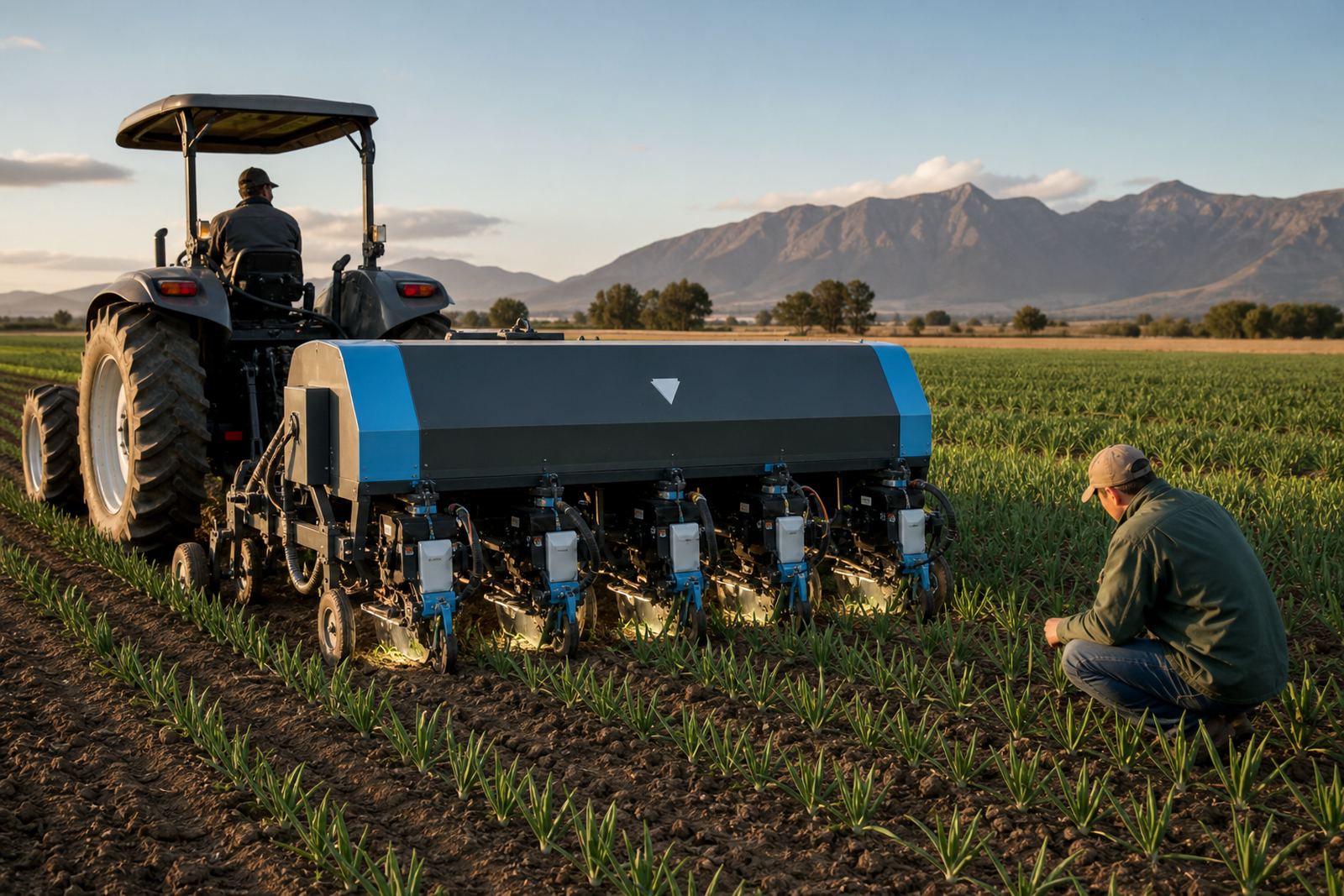
On a Philippi vegetable block, a grower dealing with onions and brassicas may see two very different weed stages in the same week. One section can have tiny flushes after moisture, while another section has older weeds along the border where the soil dries more slowly. Those two areas do not call for the same approach.
In that kind of setting, field scheduling, trial strip runs and post pass reporting all work together. Pieter Mokoena can map which blocks are ready first, while Lerato Letsoalo keeps the grower side of the booking clear and practical. If a repeat pass is needed later in the season, the timing is based on what the field shows rather than a fixed routine.
The point is not to chase every weed at any stage. The point is to catch the block when the target weeds are still small enough for the laser to do clean work between and around the crop plants.
What growers should watch before a laser pass
A useful timing check does not need to be complicated. It starts with a walk through the block and a look at weed size in several places, not only at the headland. Wetter corners, shaded strips and uneven beds often tell the real story.
Ruan Mkhabela and the workshop team also keep an eye on machine readiness, because a clean field plan means little if the unit is not matched to the job. Travel coordination matters too when the schedule covers Western Cape, Limpopo, Mpumalanga, KwaZulu-Natal and the Free State.
- Inspect low spots, edges and tighter row sections.
- Check whether weeds are at seedling stage or already larger.
- Note if crop leaves are closing over the row.
- Compare fields that were irrigated or rained on at different times.
- Record which blocks need a follow-up pass later in the cycle.
When weed stage is right, the pass is easier to plan and the field notes make more sense afterwards. That is the practical value of timing: not speed for its own sake, but work done at the stage where the weed is most exposed and the crop is best protected.