Why one pass rarely tells the whole story
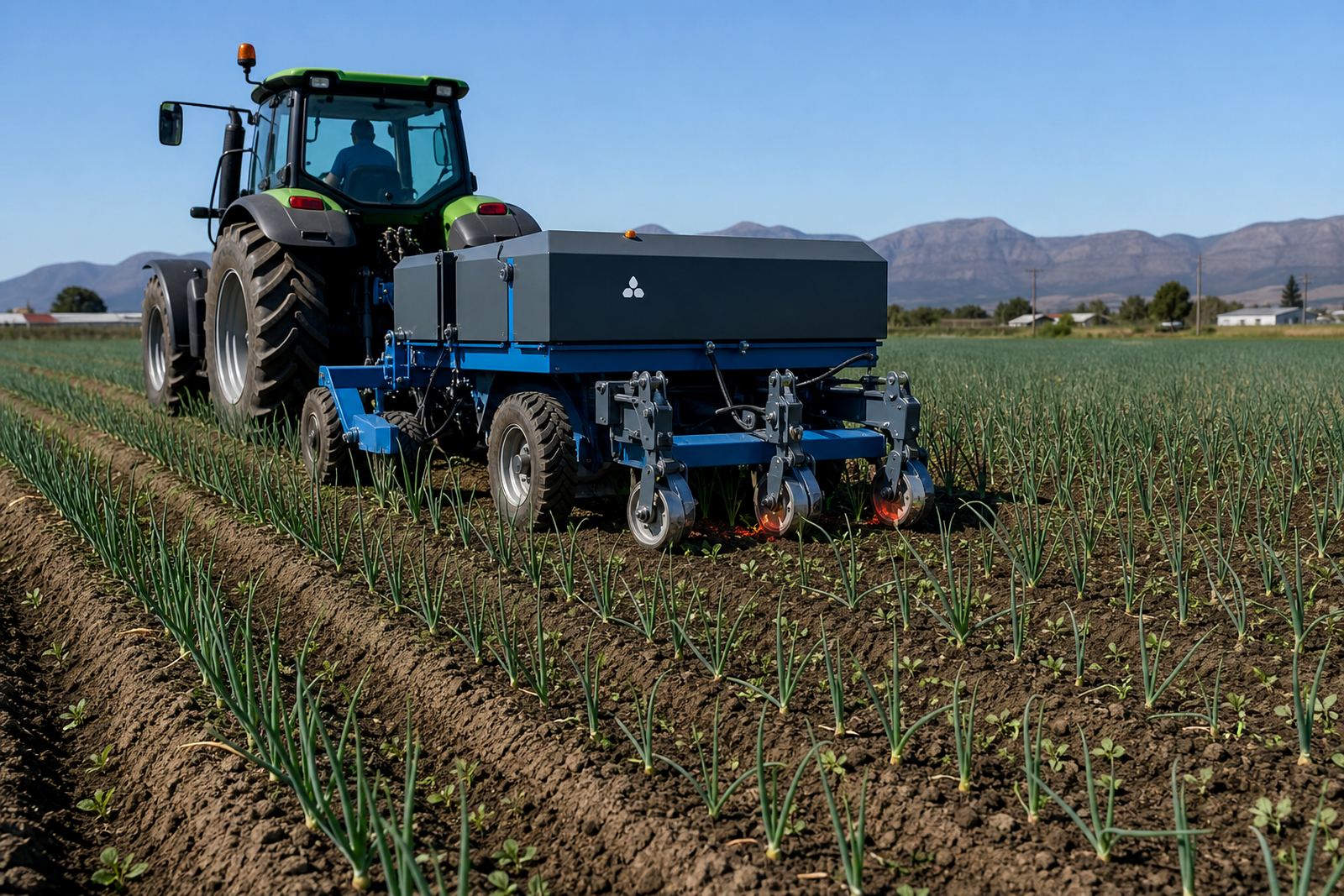
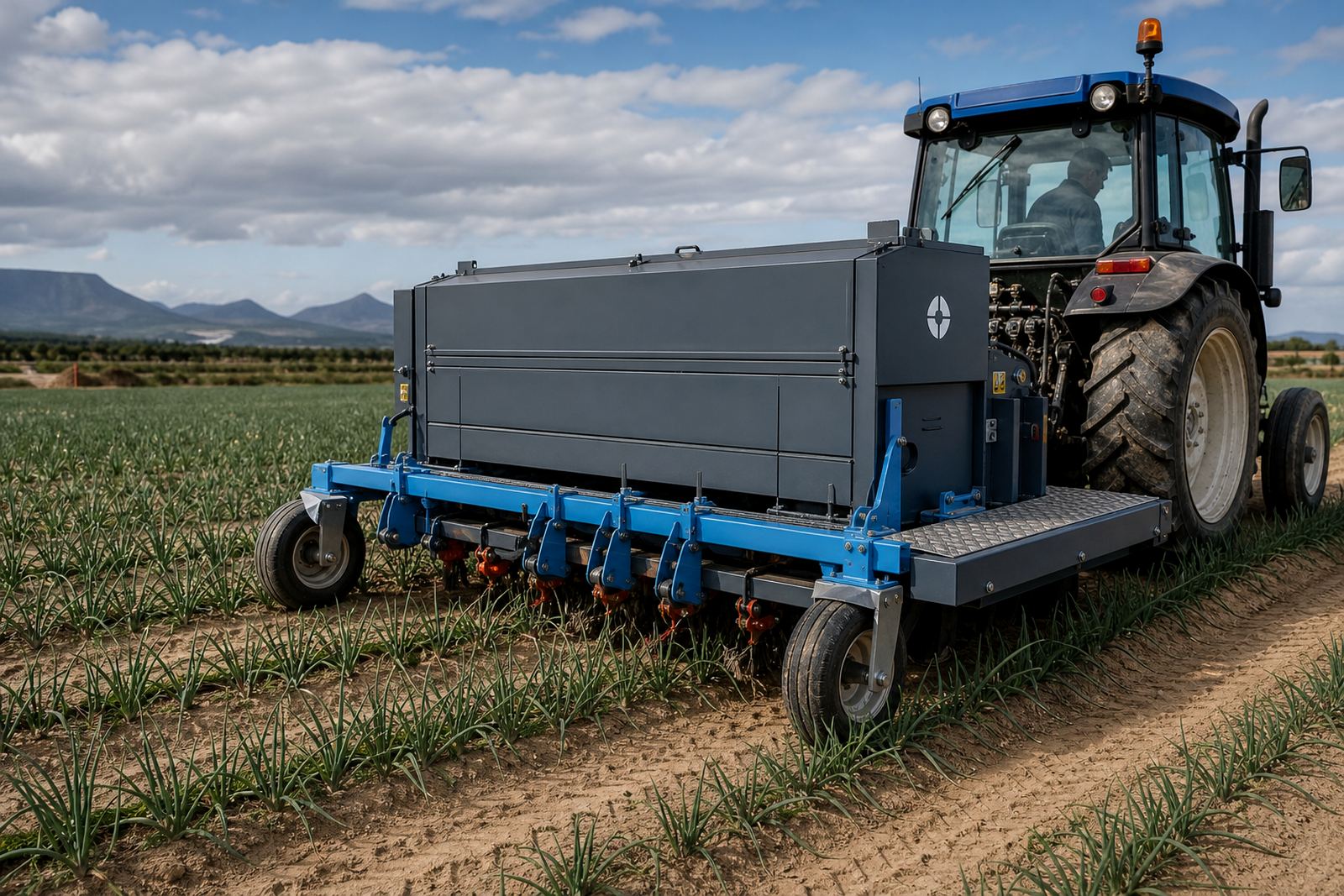
Laser weeding works by finding weeds with cameras and targeting the growing points with laser energy, while the crop row stays out of the line of fire. That makes it useful in onions, carrots, lettuce and brassicas, especially where growers want herbicide-free weed control and no soil disturbance. Even so, a field can show a second wave of weeds after the first pass, because seed banks do not all germinate at once.
That is where repeat planning starts. A follow-up pass is not about doing the same job twice for the sake of it, but about meeting weeds at the right stage. Small weeds are easier to target than older ones with thicker stems and better root reserves. If a field has uneven emergence, or if irrigation and warm weather trigger a fresh flush, a later return may be the cleaner option.
What pushes a field toward a later return
New weed flushes often follow moisture. In the Western Cape, a wet spell or a planned irrigation cycle can wake up a second layer of weeds after the first pass. In hotter areas such as Limpopo and Mpumalanga, pressure can build quickly when soils warm up after rain. The crop stage matters too, because a young crop may need a calmer schedule while it is still filling the row.
- Rain after the first pass can trigger fresh germination.
- Warm soil temperatures can speed up weed emergence.
- Uneven planting can leave open ground for later weeds.
- Heavier weed pressure can slow field speed and change timing.
- Some crops close the row slowly, so gaps stay open longer.
Repeat passes are usually easier to plan when the first walk-through notes how dense the weeds were, which parts of the block were hotter, and whether the crop was already shading the row. A field near Philippi may behave differently from one outside Bethlehem, and that local pattern matters more than a fixed calendar slot.
Timing the second pass around crop stage
The best time for a repeat pass is guided by weed stage, crop growth and the weather that followed the first visit. If weeds are still at cotyledon or early true-leaf stage, the laser can target them before they harden off. If the crop has grown wider, access through the row can also change, which is why timing is never just about the weed count.
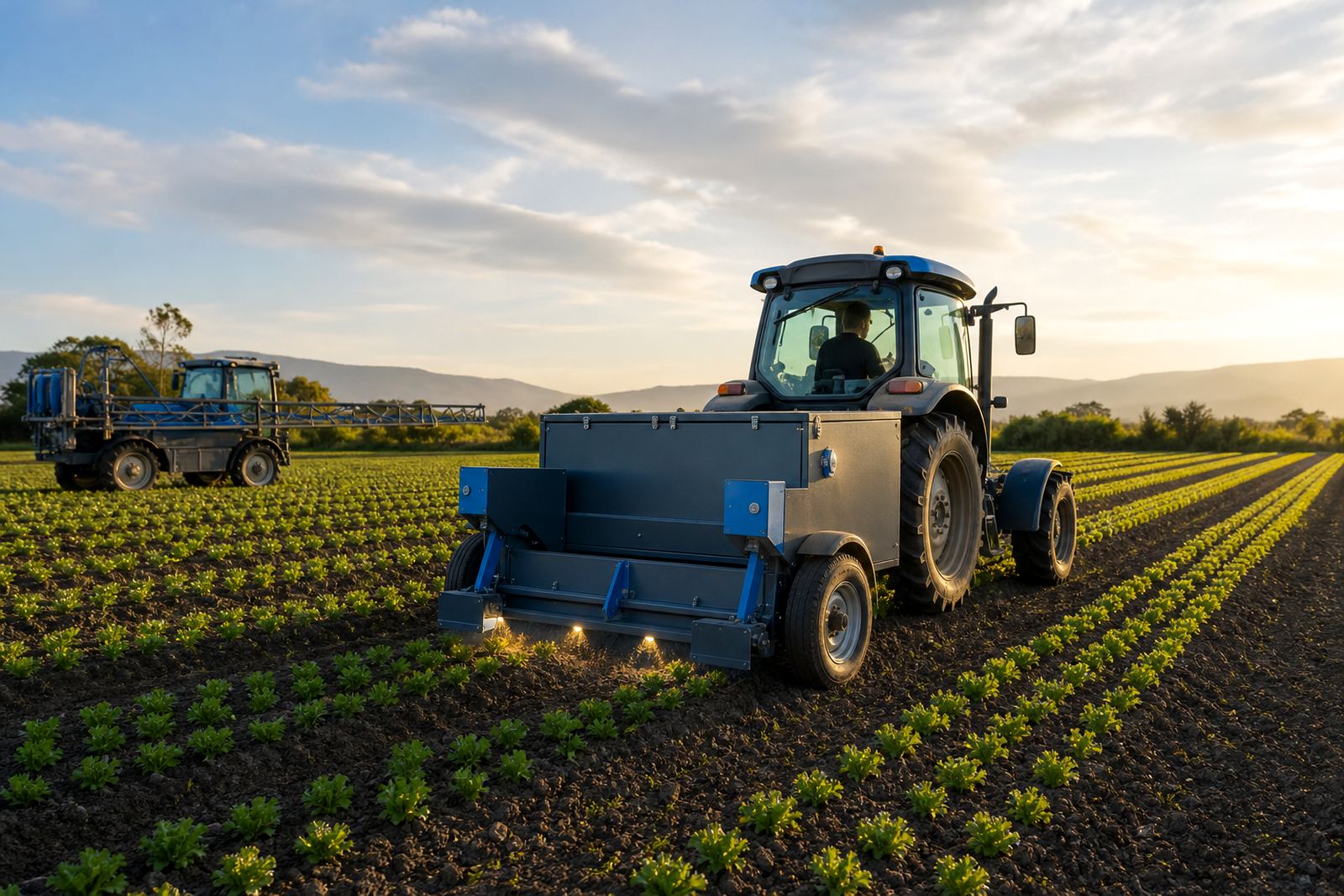
For lettuce and brassicas, a second visit may be needed sooner if the block was uneven at planting or if the field carries a high weed seed load. On carrots and onions, timing can be shaped by how open the canopy remains and how much new light is reaching the soil surface. The operator also looks at visibility in the row, because dust, dew or residue can affect how the cameras read the field.
Field speed shifts with pressure. In a light block, the unit may move more freely. In a dense block, the pace changes so the operator can keep the laser work precise around the crop plants.
What a repeat pass plan should carry
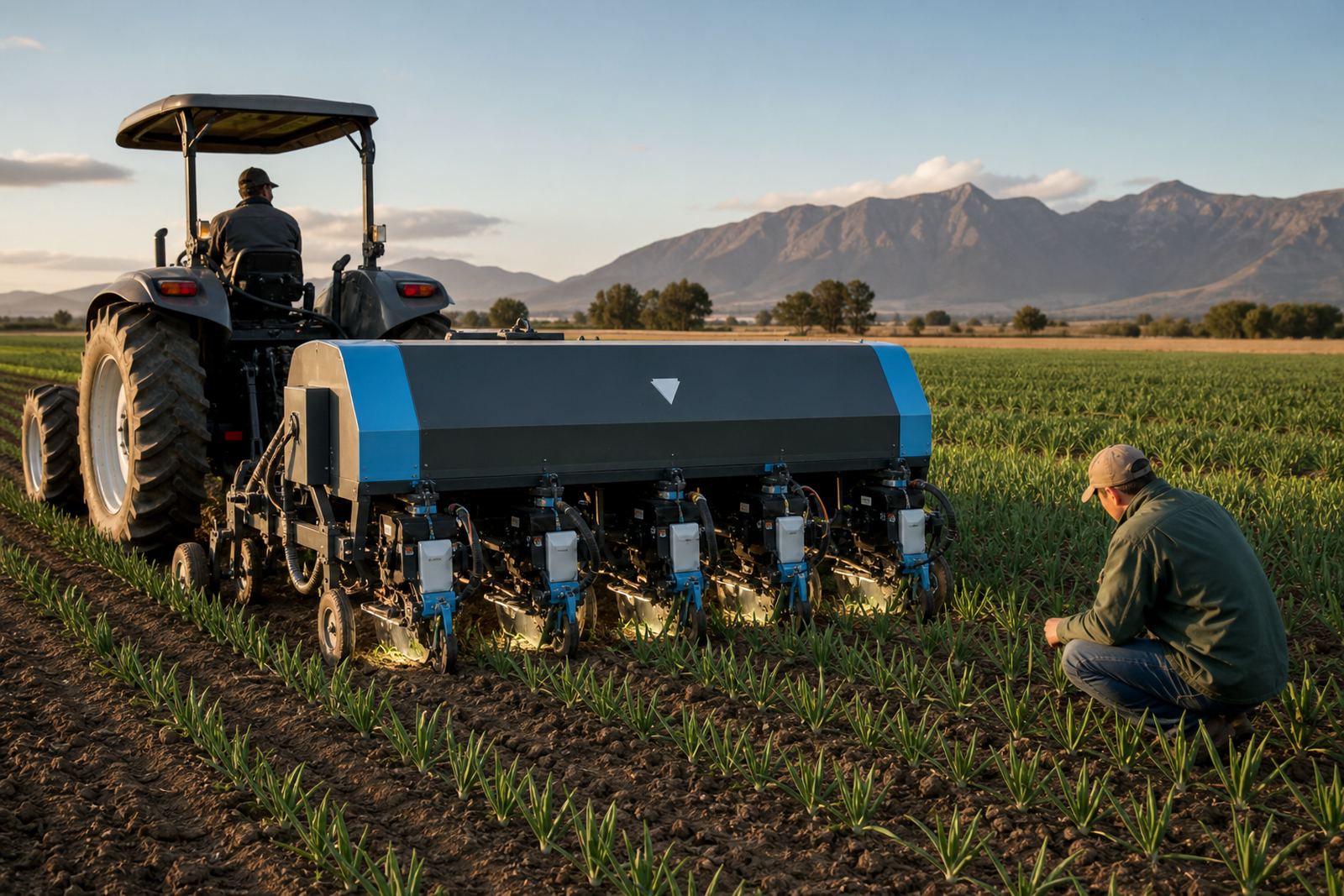
A repeat plan is strongest when it is written as field-by-field notes, not a generic season promise. At LaserWeeder Hire we use field assessments, crop timing plans and post pass reporting to decide whether a later return fits the block. That keeps the schedule honest when growers are moving across several farms at once.
- Block name, crop type and planting date
- Weed stage seen on the first visit
- Rain, irrigation and soil moisture notes
- Row spacing and canopy cover
- Any tricky edges, corners or wet patches
- Whether the next pass is for the whole block or selected sections
For growers with multiple farms in Grabouw, Ceres or Howick, a multi farm programme can help keep the order of visits sensible. A block with a fresh flush may need to move ahead of a field that is already closing canopy. That sort of adjustment is normal in vegetable production, and it usually saves awkward decisions later in the week.
A Philippi example from a mixed vegetable run
On a Philippi vegetable block, a grower may plant a mix of lettuce and brassicas while nearby rows have different emergence speeds. The first laser pass removes the weeds that have already broken through, but a light rain a few days later can bring a second line of seedlings up in the open spaces. If the crop is still small, the block may need a later return before those weeds move beyond the easy stage.
In that sort of run, the operator, scheduling lead and grower liaison may all work from the same notes. One part of the field may be ready for a repeat pass while another section is better left until the crop has put on more leaf. That is especially useful when the unit is travelling across the Western Cape or heading north to Tzaneen or Bela-Bela, where field windows are often tight and a missed weed stage can change the whole plan.
The practical lesson is plain: a repeat pass is not a failure of the first one. It is the follow-up that keeps pace with what the field is actually doing.
What growers usually want settled before the next visit
A later return works best when the next visit is tied to the crop rather than to guesswork. The team needs to know which blocks are next in line, what the weed flush looks like and whether the farm prefers a full block pass or only the sections that are moving ahead fast. Travel coordination matters too, especially when a programme stretches between Cape Town, the Free State and KwaZulu-Natal.
These are the points that usually shape the next booking:
- Which weed flush is active now
- Whether the crop is still open enough for laser work
- How much new emergence followed the last pass
- Which farms need to be grouped together on the route
- Whether the next visit is a full pass or a trial strip run first
When the plan is clear, a repeat visit becomes part of normal weed control rather than a last-minute scramble. That matters on commercial farms where labour, moisture and crop stage all shift at the same time.