The field notes that save back-and-forth
Start with the crop, the block size and the weed pressure you are seeing in the rows. A patch with small broadleaf weeds in young onions asks for different timing from a wetter block with mixed grasses around brassicas, and that matters before anyone sets a tractor in motion.
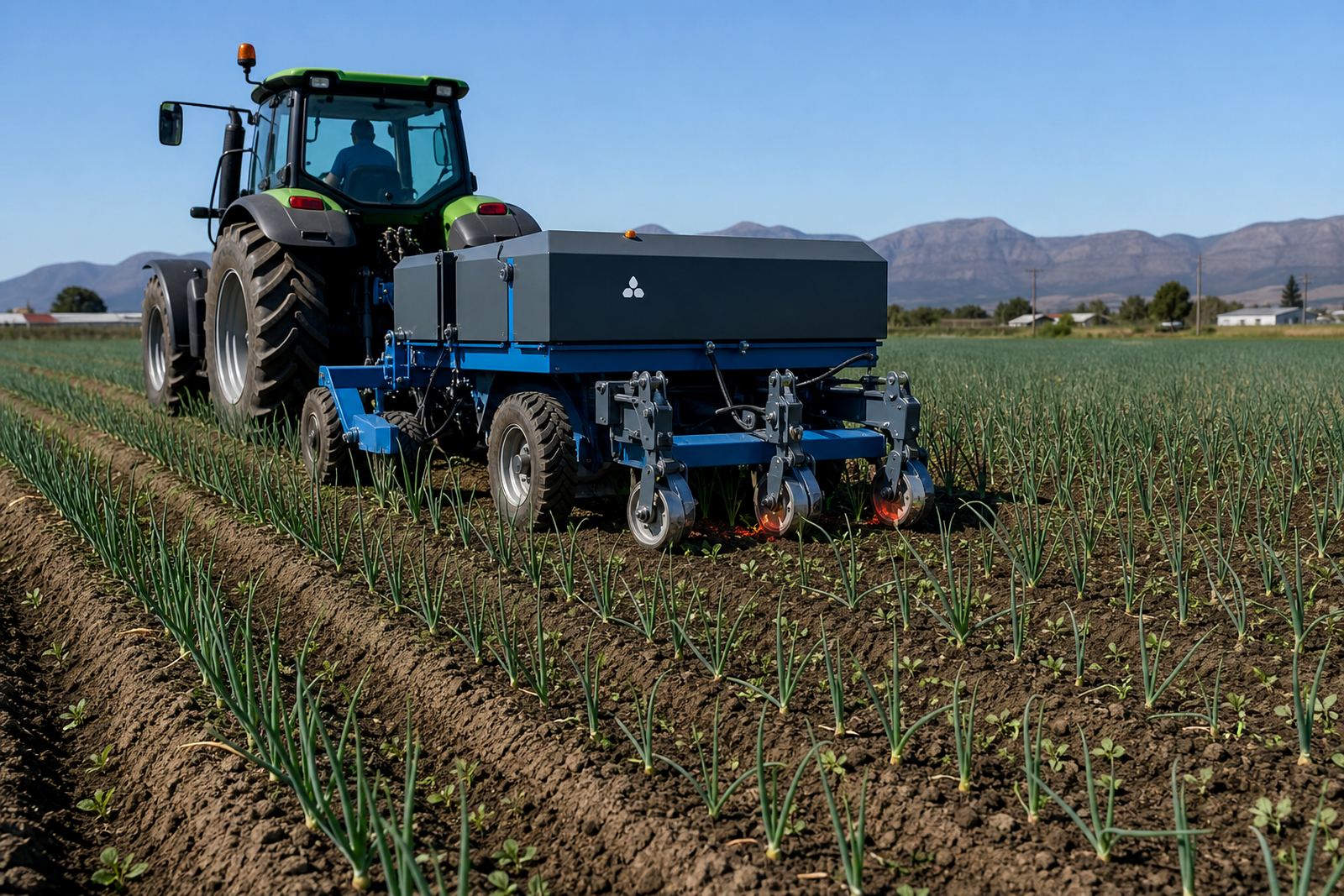
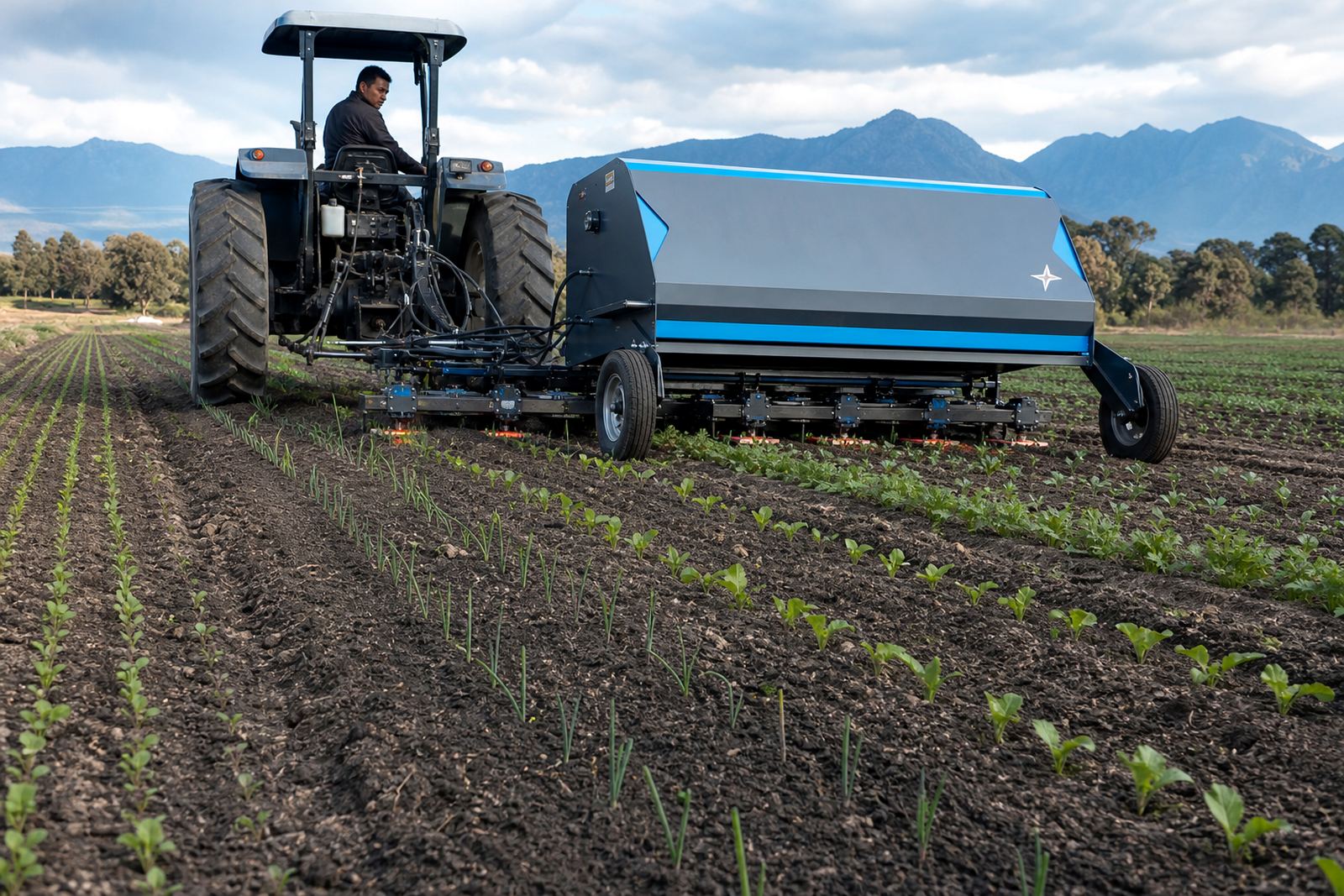
It helps to note whether the crop is on beds or flat ground, the row spacing, and whether the field has tight turns, soft patches or awkward gate access. Those details guide the operator, the scheduling plan and the pace of the pass, because laser weeding is about working close to the crop without touching the soil.
- Crop name and variety group
- Approximate hectares or bed length
- Row spacing and planting date
- Weed stage and the main weed types seen
- Access points, turning space and gate width
Timing the pass to the weed stage
Laser weeding works best when the weeds are at the right stage for targeting. Young weeds are easier to identify by camera and easier for the laser to hit at the growing point, while older weeds may need a different pass plan or a second visit over the same block.
For row crops such as onions, carrots, lettuce and brassicas, the crop stage matters as much as the weed stage. Young crops need careful clearance around the row, and the field notes should say whether the canopy is still open or whether leaves are beginning to cover the row centre.
If there has been rain, irrigation or a flush after cultivation, tell us that too. Moist soil, rapid weed flushes and uneven emergence all change how a tractor-drawn laser unit moves through the block and what field speed is sensible for that day.
What a grower should have ready before booking
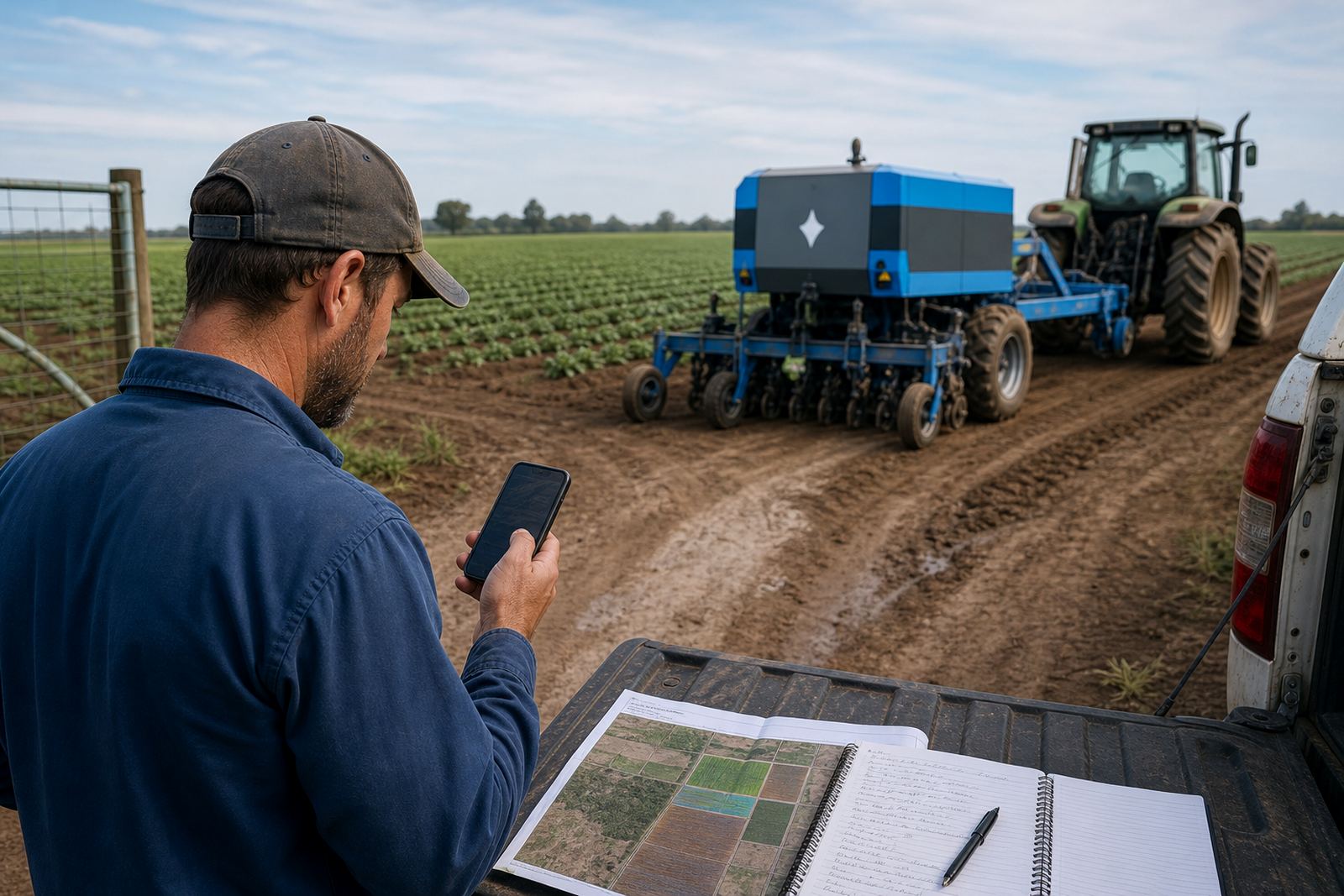
A clean booking sheet is not about formality, it is about making the field job practical. Our team uses the details to plan the operator, travel, site checks and the right order of fields when more than one farm is on the run.
- Farm name, contact person and gate directions
- Block map or a simple sketch of the fields
- Crop type, planting date and expected harvest window
- Weed history, especially problem areas from earlier passes
- Waterlogged spots, drainage lines or rough ground
- Preferred days for access and any biosecurity rules on site
For growers managing several blocks across Philippi, Ceres, Grabouw or farther afield in Limpopo or KwaZulu-Natal, this sort of information helps us place the right unit in the right place. It also cuts down on avoidable field delays, which is useful when a season is moving fast and each block has its own weed pressure.
How the booking plan changes from farm to farm
A single farm can still have several different booking needs. One block may be set for a trial strip run, while another block needs a repeat pass plan because the crop came away unevenly after rain. That is normal with vegetable work, and the booking should reflect the field rather than a generic schedule.
Where a grower wants multi farm programmes, the practical details become even more important. We look at travel between farms, field readiness, the likely order of blocks and whether operator supplied work will be needed for the whole route or only selected fields. If a farm in Tzaneen is ready before a block in Bethlehem, the schedule has to match the crop, not the wish list.
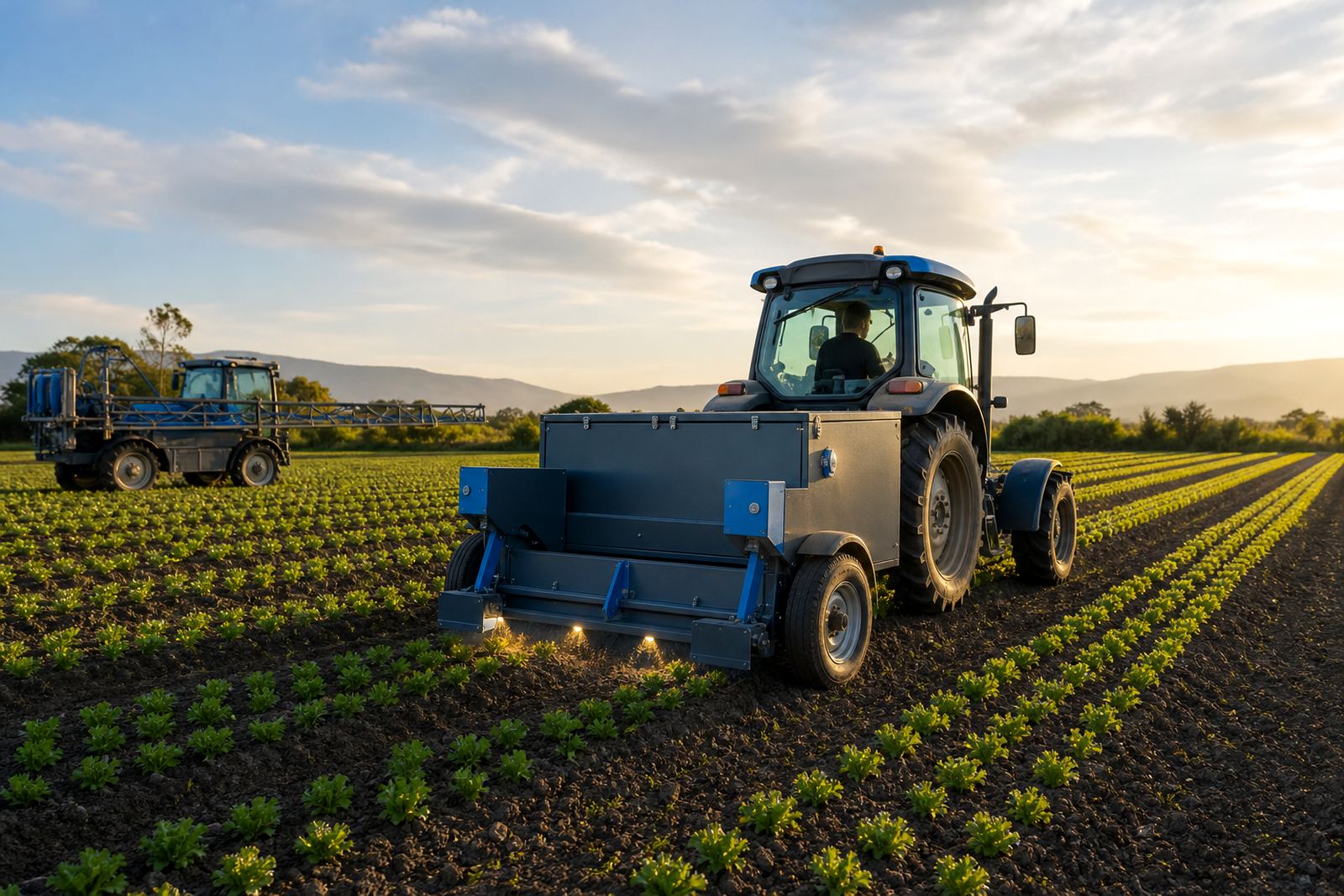
Local example: a Philippi grower with lettuce blocks and brassicas may want one early trial strip in the youngest crop, then a wider plan once the field pattern is clear. The notes from that first block can guide later passes, but only if the booking details were precise enough to begin with.
Arrival site checks and the small things that matter
When the unit arrives, the site check is not only about the crop. The ground under the tractor matters too. Soft edges, wheel ruts, wet corners and low branches can all change how the pass is made, especially where the row spacing is tight and the operator needs clear movement along the block.
It also helps to flag anything that sits near the field boundary, such as irrigation gear, fences or uneven headlands. Laser weeding is designed to remove weeds without herbicide sprays and without soil disturbance, but the unit still needs a field that is ready for careful travel and clear line of movement.
- Check gate width and turning space
- Mark wet patches or sandy areas
- Keep loose equipment off the headlands
- Point out any low hanging lines or branches
- Confirm which block is first in the day’s order
Season bookings need a wider view than one pass
Many vegetable farms do better with a season plan than with one off bookings. Weed pressure changes as planting dates shift, rainfall moves through the district and crop emergence lands unevenly across the farm. A season booking gives room for repeat pass planning, post pass reporting and field scheduling that follows the crop rather than forcing the crop to fit the diary.
That wider view matters in places as different as Grabouw, Howick or Bela-Bela, where field conditions, transport and crop timing all pull the plan in different directions. A clear booking note lets the grower liaison and field scheduling lead line up the blocks properly, while the operator knows what stage the crop should be in before the tractor-drawn laser unit starts.
For a first enquiry, the best packet of information is still plain and practical: crop, field size, location, weed stage, access and the kind of work needed. With that in hand, our contact form has something useful to carry into the next step, and the farm side keeps its focus on the crop.