The field does not read the clock the same way we do
A grower planning a visit is usually not asking for a neat appointment slot, they are weighing sunlight, soil surface, crop stage and whether the block is ready for a machine to move through it. In Cape Town, and on farms up the road to Ceres or across to Grabouw, a morning slot can suit a block that is still holding dew, while an afternoon visit may suit another block once leaves have dried and the rows are easier to work.
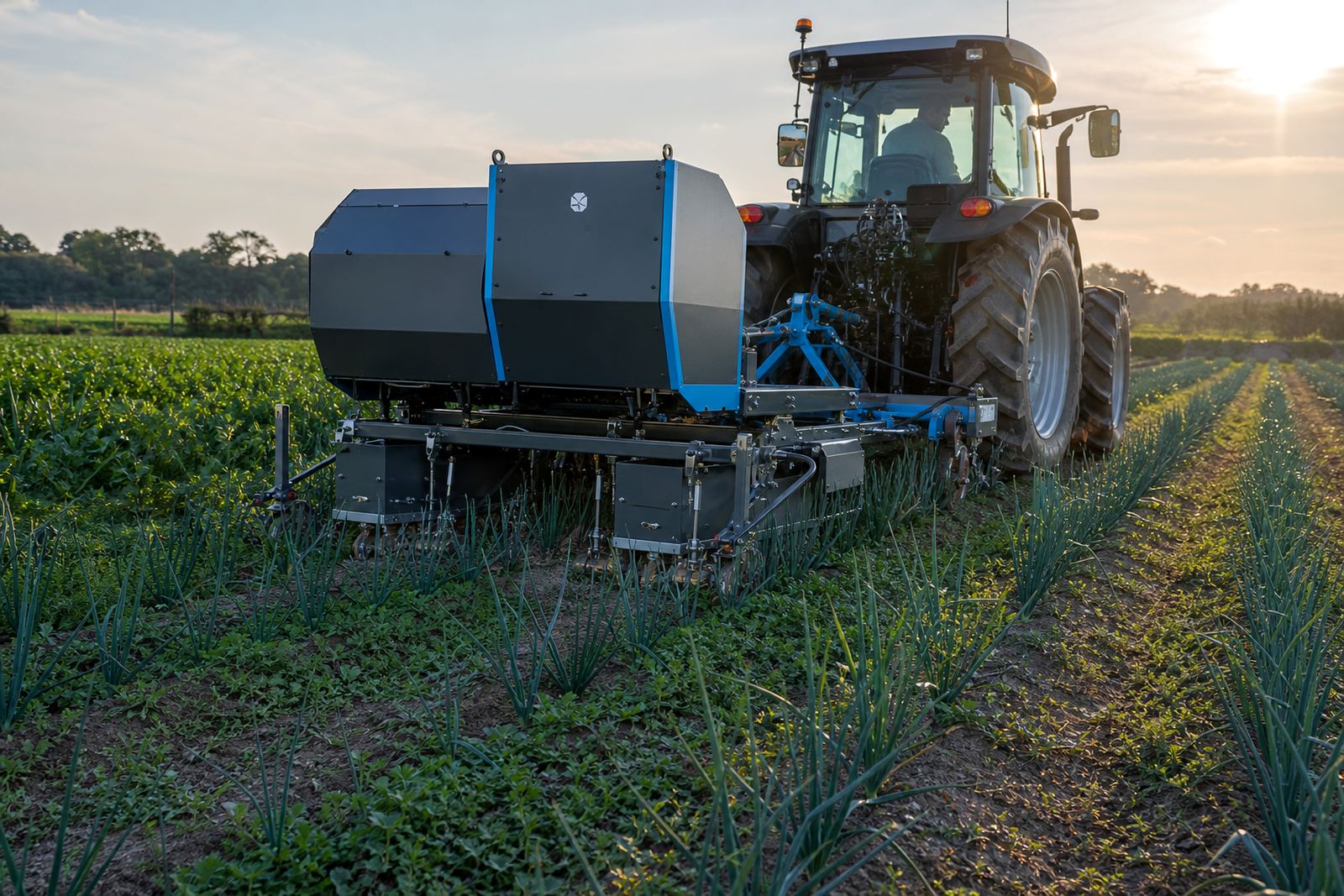
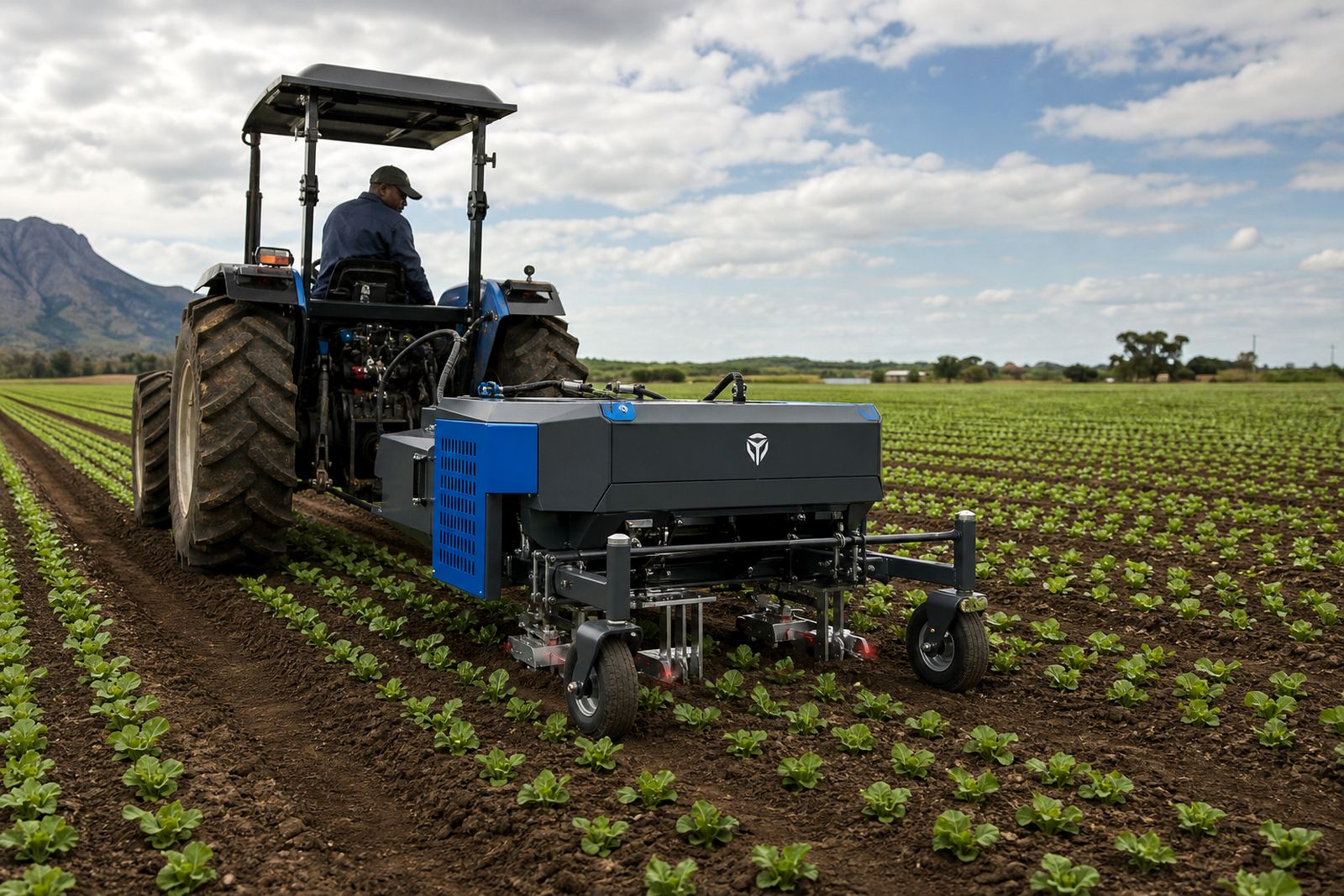
Laser weeding is not a blanket pass over the land. Camera guided units look for weeds between and around crop plants, then target the growing points with light energy. That means the stage of the weed matters, and the day’s window matters too. Small weeds in the right stage are usually the best fit, while larger growth can slow the run and need a different plan.
Morning work often suits blocks with tighter crop canopies
Some growers prefer an early start because the block is easier to assess before the heat builds. Cooler air can make travel planning simpler on longer routes, and there is often a steadier feel to the ground after the night. In a lettuce or brassica block, early checks can help our operator judge row alignment, crop size and whether the patch is ready for a trial strip run or a full pass.
Morning does have its own limits. Dew can sit on leaves for a while, and that can make plant surfaces look different under the cameras. We watch the block rather than forcing the clock, because the machine must read the crop cleanly and move without disturbing the soil more than needed.
- Good for first inspections after overnight moisture has lifted
- Useful when crop rows are still clearly defined
- Can suit blocks where travel and set-up need extra time
Afternoon visits can fit dry leaves and clearer detection
By afternoon, many blocks have dried out enough for a cleaner read on the weed population. That can help on row crops such as onions, carrots and brassicas, where the gap between crop plants and weeds must be seen properly before the unit starts moving. The day may also be warmer, so the operator can keep an eye on field pressure, dust, and how the unit is tracking through the rows.
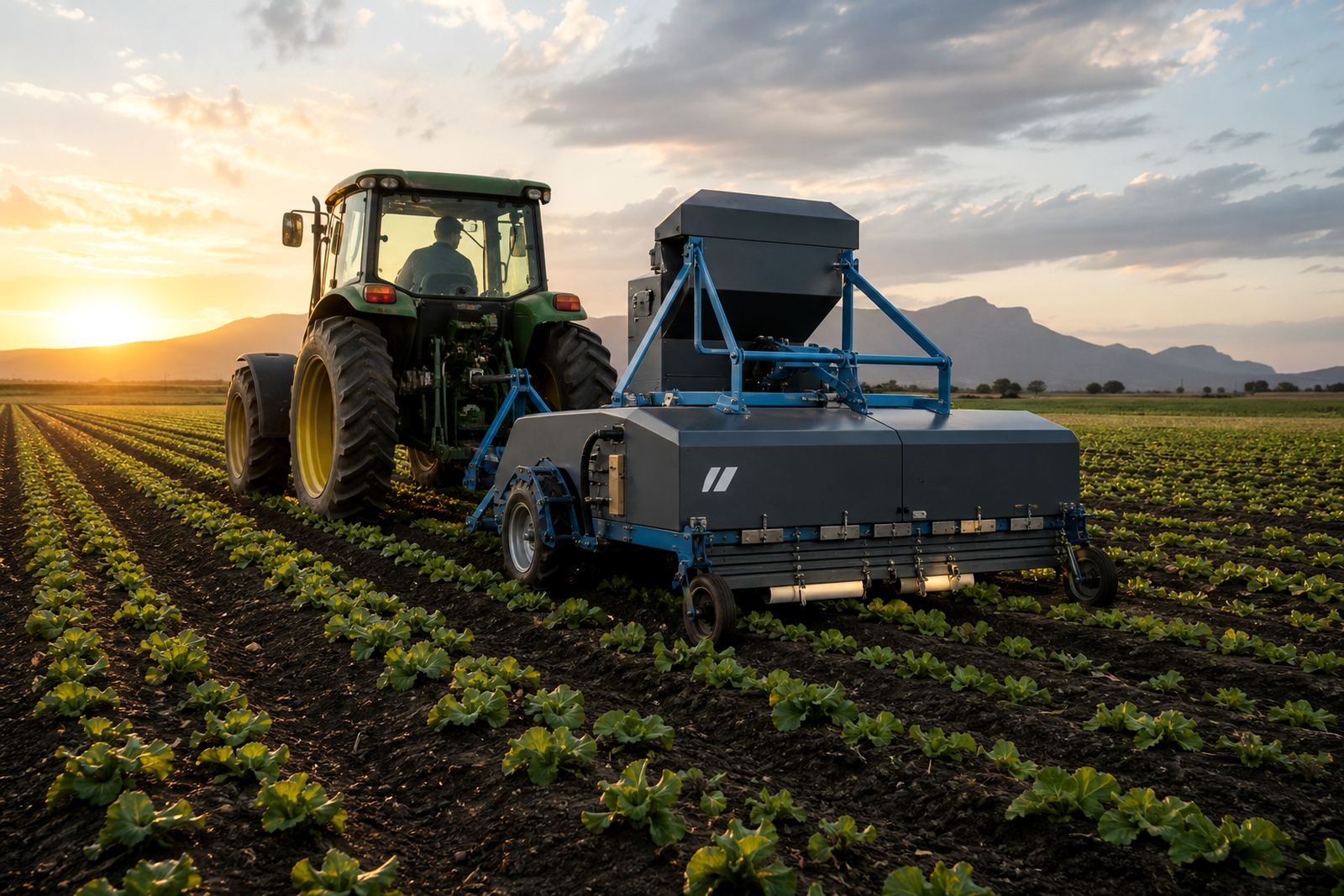
Afternoon work is not automatically better. In some Western Cape and Limpopo blocks, wind picks up later in the day and that can change how the field feels for both the operator and the grower walking the land. The better window is the one where the block is ready, the timing suits the crop stage, and the pass can be done without forcing the machine through awkward conditions.
Timing is tied to weed stage more than the hour on the watch
Growers often think in terms of sunrise or lunch time, but the laser work depends more on weed stage and crop stage. A young weed with a small growing point is usually a better candidate than one that has already spread too far. That is why crop timing plans matter, because a missed window can mean a heavier block the next time around.
For a field visit, the useful question is not only morning or afternoon. It is whether the block is at the stage where a laser pass can work cleanly, whether the rows are passable, and whether the grower wants a single trial strip run or a full schedule across more than one farm. In parts of KwaZulu-Natal and the Free State, travel coordination also matters because different blocks may need different times on the same day.
- Young weeds are easier to target than mature growth
- Crop stage affects how close the unit can work
- Repeat pass planning helps where germination comes in waves
A day in Philippi shows how the window shifts
A Philippi vegetable grower may want an early arrival site check, then a later block once the sun has lifted the last of the morning moisture. Another farm nearby may want the first pass before lunch, then a second field after the operator has reviewed the row shape and weed pressure. The time of day is chosen around the ground, not around a fixed pattern.
That is where field scheduling matters. Our team can line up field assessments, travel coordination, operator supplied work and post pass reporting around the blocks that are ready. If the morning block is suited to one farm in Grabouw and the afternoon block fits another near Ceres, the schedule should follow the crop, not the other way around.
What growers usually want settled before the visit
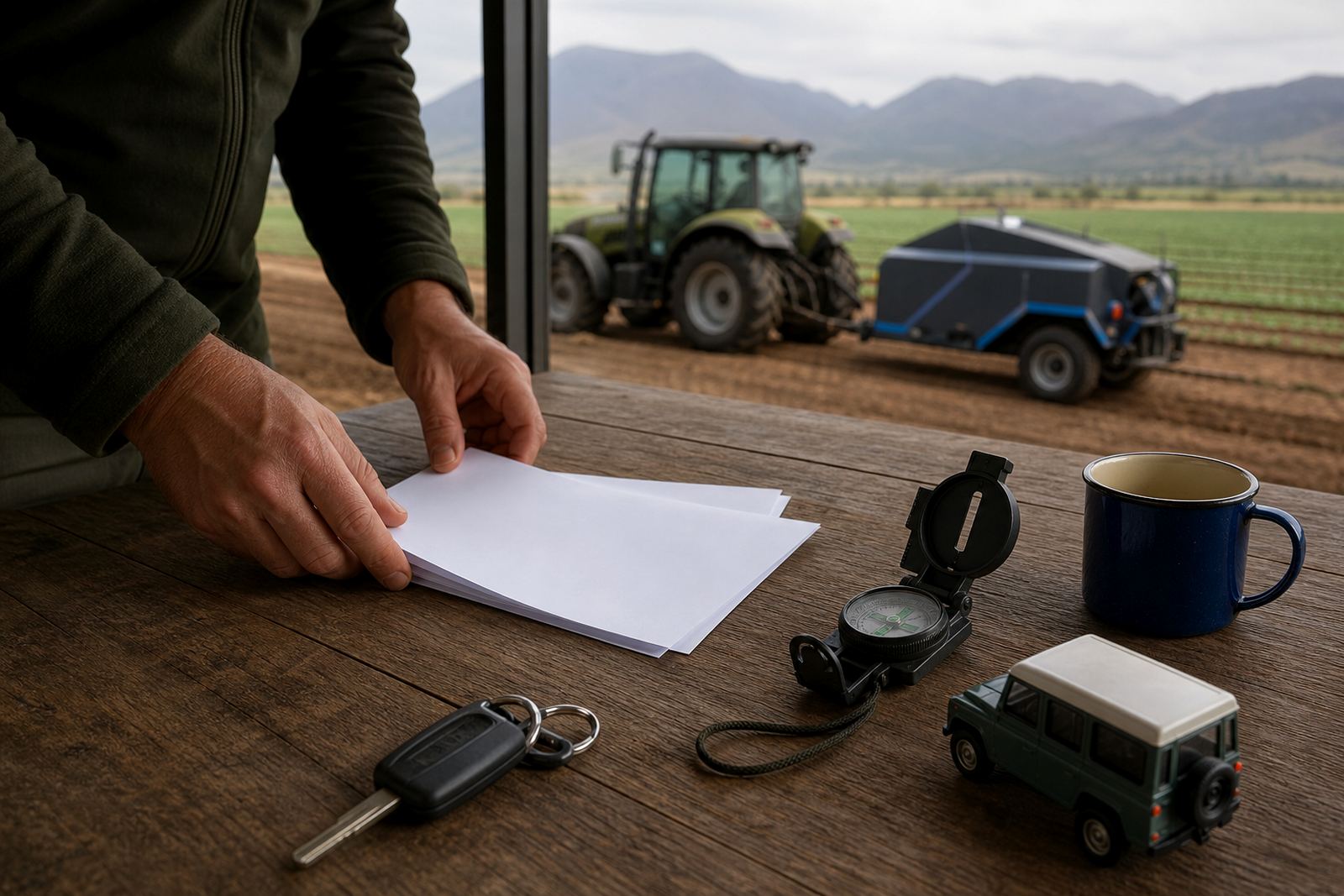
Most growers are not chasing a long discussion, they want the working details clear. They need to know whether the block can be assessed, whether a trial strip run makes sense, and whether there is a practical slot for the machine and operator to enter the farm without wasting daylight. Clear planning reduces the chance of a half-ready block sitting in the queue.
- Crop type and row spacing
- Weed stage and how far the block has progressed
- Access for the tractor-drawn unit
- Whether the visit is for one field or a multi farm programme
- Any municipal or farm access rules that affect arrival
For growers from Tzaneen to Bela-Bela, and from Nelspruit to Howick, the same rule holds. The best field window is the one that matches crop condition, travel plan and the weed stage on the day. Morning or afternoon matters, but only after the block itself has had its say.
A working habit that keeps the schedule honest
Our contact form is the place to send block details, crop type, timing preferences and any notes on weed pressure. That helps us plan assessments, scheduling and operator movement without making promises that the field cannot support. In laser weeding, the day works best when the crop tells the story and the machine follows it.
For growers, the aim is not to force a favourite hour onto every block. It is to place the visit where the crop, the weed stage and the field conditions line up well enough for careful work, with no soil disturbance and no herbicide spray in the mix.