When weed numbers start to crowd the row
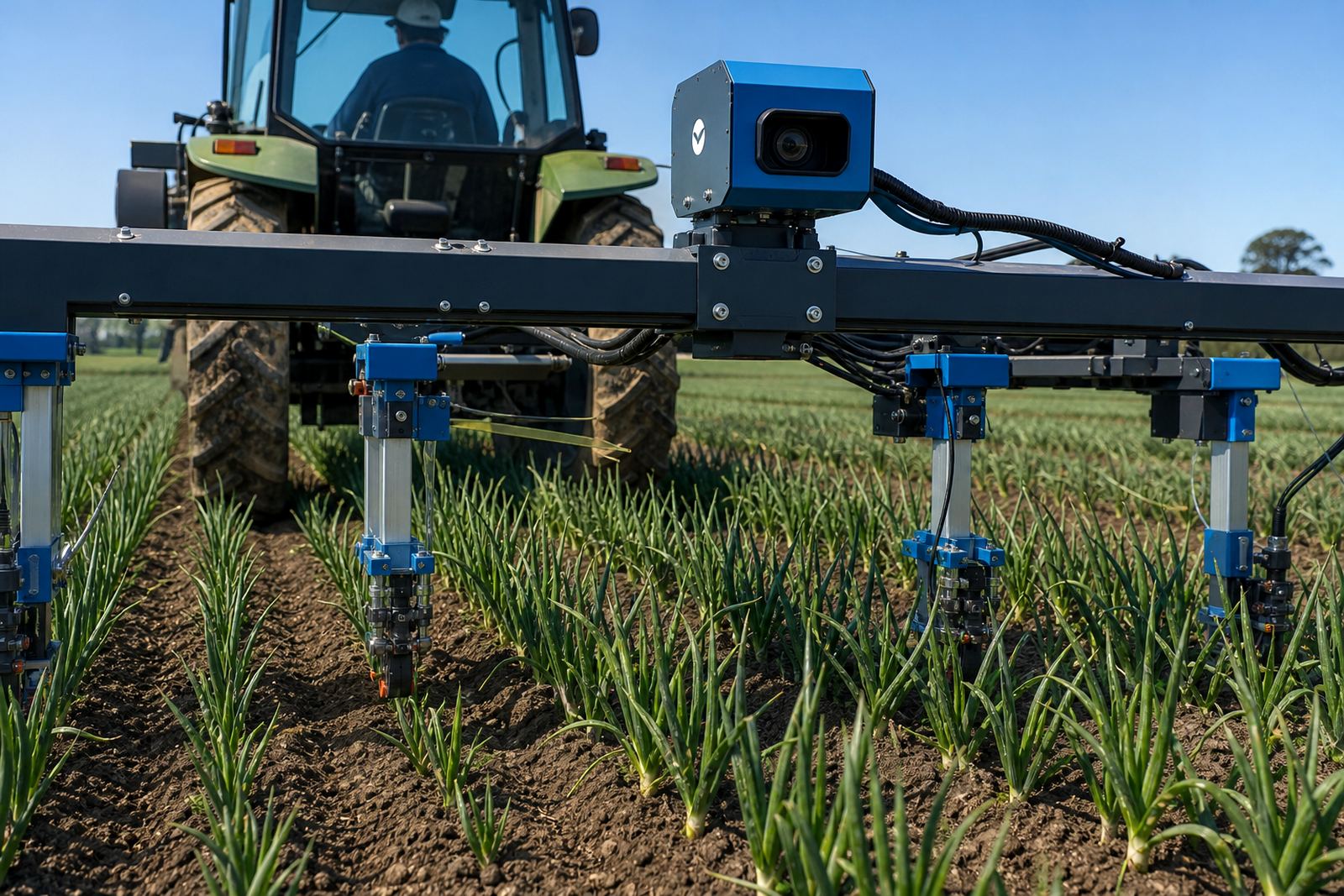
Laser weeding works best when the weeds are still at a stage where the growing point can be targeted cleanly. When a block carries a light flush, the unit can move through the rows with fewer stops and a steadier pace. Once weed numbers climb, the operator spends more time reading the crop line, watching for overlaps, and keeping the laser on the right plant tissue.
In practical terms, heavy pressure does not just mean more weeds. It usually means more variation in plant size, more escapes tucked close to the crop, and more decision making at the machine. That changes the field rhythm, especially in row crops such as onions, carrots, lettuce and brassicas where plant spacing and weed position matter every few metres.
Why timing matters more as weeds get older
The earlier a block is treated, the easier it is to keep work moving at a reasonable field speed. Small weeds are simpler to identify and less likely to sit hard against the crop canopy. Older weeds can shade each other, hide under leaves, or grow at different heights, which makes camera guided detection work harder and slows the pass.
Weed stage also affects whether one pass is enough or whether follow-up work needs to be built into the schedule. A grower with a mixed flush in warm weather may need a tighter sequence than a block where emergence is more even. That is why field timing is not a side note, it sits right in the middle of the plan.
- Small weeds are easier to target cleanly
- Mixed stages need slower, more careful machine movement
- Dense flushes usually need more planning between passes
- Crop cover can make later weeds harder to separate from the row
What heavier pressure does to the day in the field
A heavier weed load can slow a crew in ways that are easy to miss from the headland. The operator may need to check row alignment more often, adjust travel speed to suit the patch, and work around areas where germination has been uneven. That does not change the method, but it does change how the day is shaped.
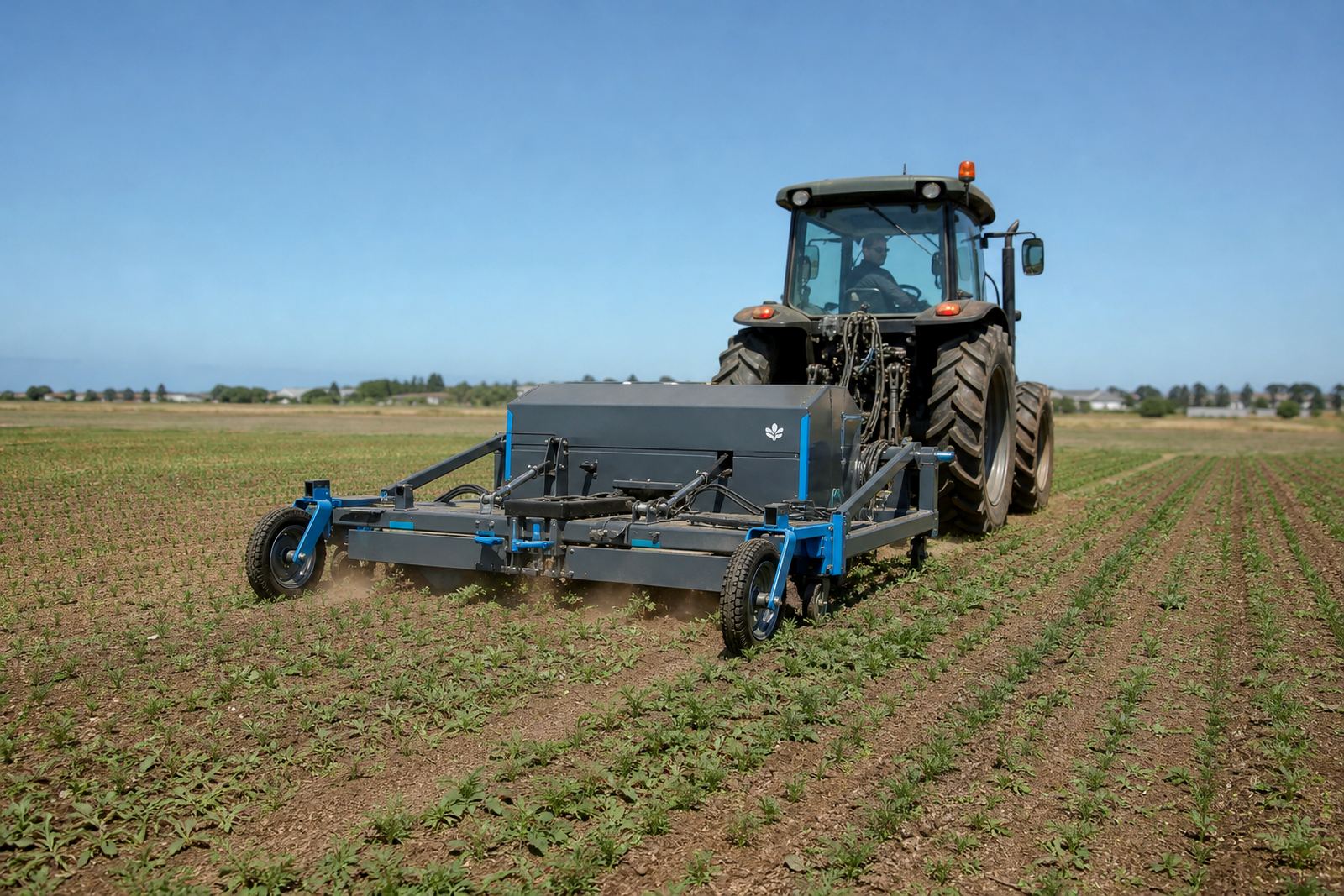
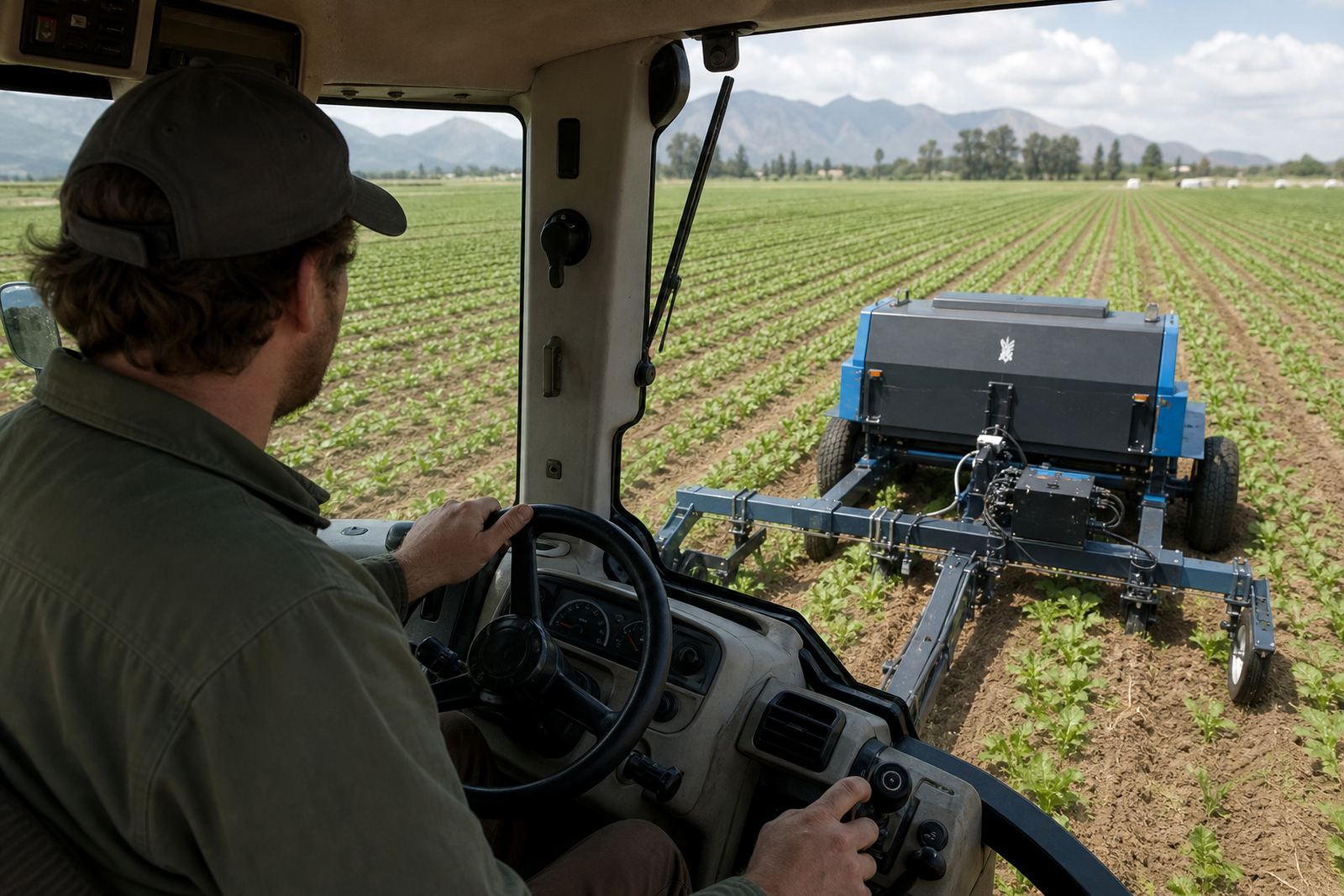
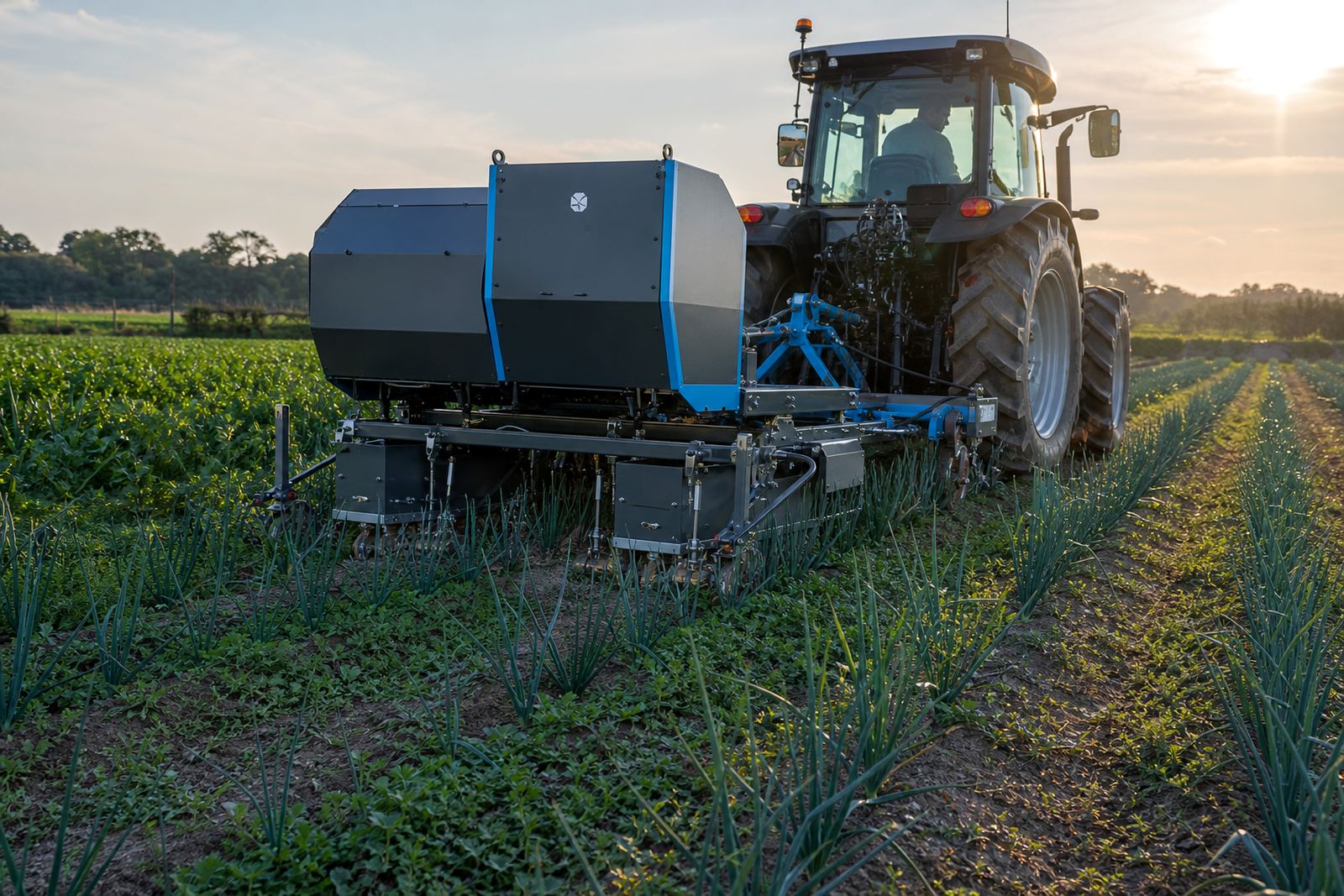
Laser units are tractor-drawn and the system depends on steady movement, clear row definition, and a readable crop pattern. Where weed pressure is high, the field may need more caution at the start of each block, especially after irrigation or rain when fresh weeds can appear in clusters. Heavier pressure can also mean more time spent on arrival site checks and post pass reporting, because the grower needs a clear record of what was treated and where the pressure was strongest.
- Firmer headland planning keeps movement orderly
- Uneven emergence can reduce travel speed in parts of the block
- Wet periods often bring new weed flushes in patches
- Clear block notes help with repeat pass planning
The local picture around Philippi and the western cape
On vegetable farms around Philippi, the wind, sandy soils and quick turnaround between plantings all shape weed control choices. In open land near Ceres and Grabouw, cooler conditions can slow some weed growth, while coastal humidity in parts of the Western Cape can push fresh flushes after irrigation. That means one block may sit clean for days and the next may need attention sooner than expected.
A local example is an onion block that has been planted in a staggered window. The earlier section may have lighter weed pressure and move at a steadier pace, while the later section shows a thicker flush close to the rows. In that case the scheduling team may split the work, send the operator with a tighter field plan, and use a trial strip run to check how the crop and weed pattern are reading on the day.
Growers in Limpopo, Mpumalanga, KwaZulu-Natal and the Free State see similar pattern shifts, only the timing changes with heat, rainfall and irrigation cycles. That is why field scheduling is less about a fixed date and more about crop stage, weed stage and the shape of the block.
How contract planning changes when pressure climbs
Heavier weed pressure can affect more than the machine pass. It can shift which farm gets scheduled first, whether a block is broken into parts, and how much travel coordination is needed across farms. When pressure is high, the order of work often follows crop risk rather than distance alone.
Our field team uses a practical approach that brings the block, the operator and the grower into one plan. That includes trial strip runs where useful, repeat pass planning where weed pressure is expected to bounce back, and multi farm programmes where several blocks need to be grouped for the season. The point is to keep the work matched to the field, not the other way around.
- Field assessments help set the starting pace
- Crop timing plans link weed stage to crop stage
- Season bookings help sequence farms across regions
- Travel coordination matters when several blocks need attention
What the weed pressure tells you before the machine arrives
Before a laser unit enters the block, the weed profile already gives clues about how the day will go. Thick patches near irrigation lines, broadleaf weeds in one section and grasses in another, or a row that has shaded over faster than the rest all point to a different working pattern. Those details help set expectations on field speed and on how much attention the operator must give each pass.
Growers often get better results from planning when the weed picture is honest. A clean, young flush is one kind of day. A block that has been left too long is another. The method can still be useful, but it works best when the scheduling matches the pressure in front of it. That is the practical part of laser weeding and it matters on every farm from Philippi to Bethlehem.