Carrot rows tell the story first
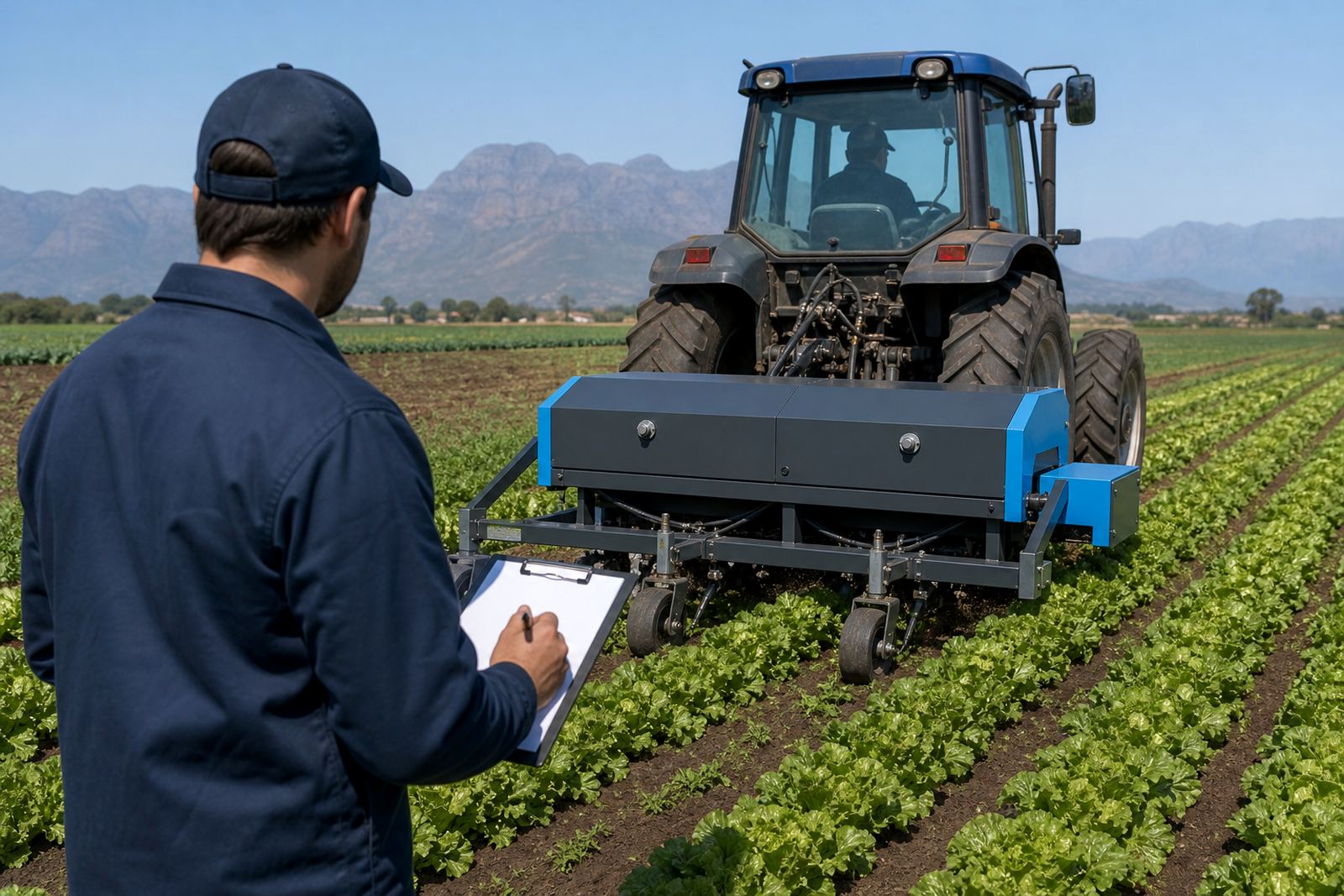
Carrots are unforgiving when the crop stand is uneven or the beds have soft shoulders that slump under traffic. Before any laser unit enters the block, the field should be read row by row, with attention to spacing, weed flushes, headlands and where the crop sits under the canopy.
Laser weeding works best when the crop is already established enough to guide the operator through the row, but not so dense that weeds are hiding under leaves and side growth. In carrot blocks around Philippi and similar coastal growing areas, a brief spell of warm weather can push weed germination hard, so the timing of the pass matters just as much as the equipment itself.
Weed stage matters more than weed count
Not every weed presents the same challenge. Tiny seedlings are easier to target because the growing point is exposed and the plant has not yet built much leaf cover. Once weeds get larger, the risk of missed tissue rises and the laser pass may need slower field speeds or a second visit later in the programme.
- Seedling weeds are usually the first window for treatment.
- Mixed weed sizes in one block can slow the work.
- Dense patches near wet spots often need special attention.
- Leaf cover from the carrot crop can hide late weeds in the row.
That is why a field assessment should not stop at the block edge. It should check the inside rows, the corners, the damp patches and any area where germination is uneven. A poor read on weed stage can throw the whole schedule out.
Camera guidance still needs clean field conditions
Laser weeding units rely on camera-guided weed detection, so visibility counts. Strong contrast between crop and weed helps the operator and machine read the row, while muddy wheel tracks, heavy residue or dust on leaves can interfere with that read. The crop does not need perfect conditions, but it does need a field that can be scanned without confusion.
Carrot beds in higher humidity areas may also carry more surface moisture in the early part of the day. That can be useful for soil condition, yet it may not be the best moment for every pass. The team has to judge leaf wetness, soil firmness and what the row looks like under real field light, not just on a schedule sheet.
No soil disturbance suits carrot production
One reason laser weeding is considered for carrots is that it works without disturbing the soil surface. That matters where growers have already invested in bed shape, irrigation layout and a fine tilth that should not be broken up by mechanical cultivation. The unit targets weed growing points and leaves the bed structure intact.
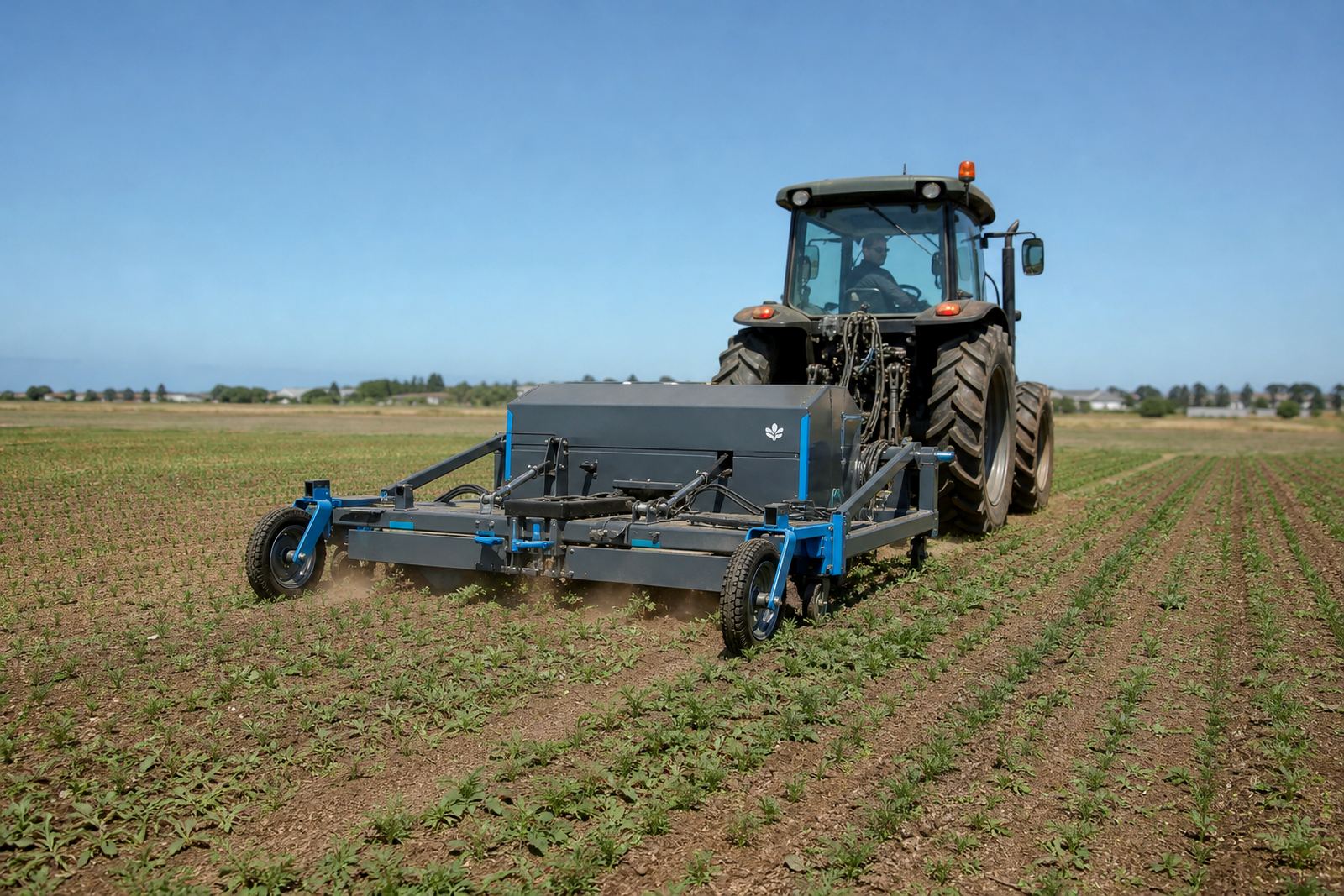
For carrot producers, that can be useful in rows where the crop is close to the surface and the bed has little room for rough treatment. The process is herbicide-free, but it is still a field operation that needs planning around crop age, soil moisture and access for the tractor-drawn unit.
Field access and turning space can slow the day
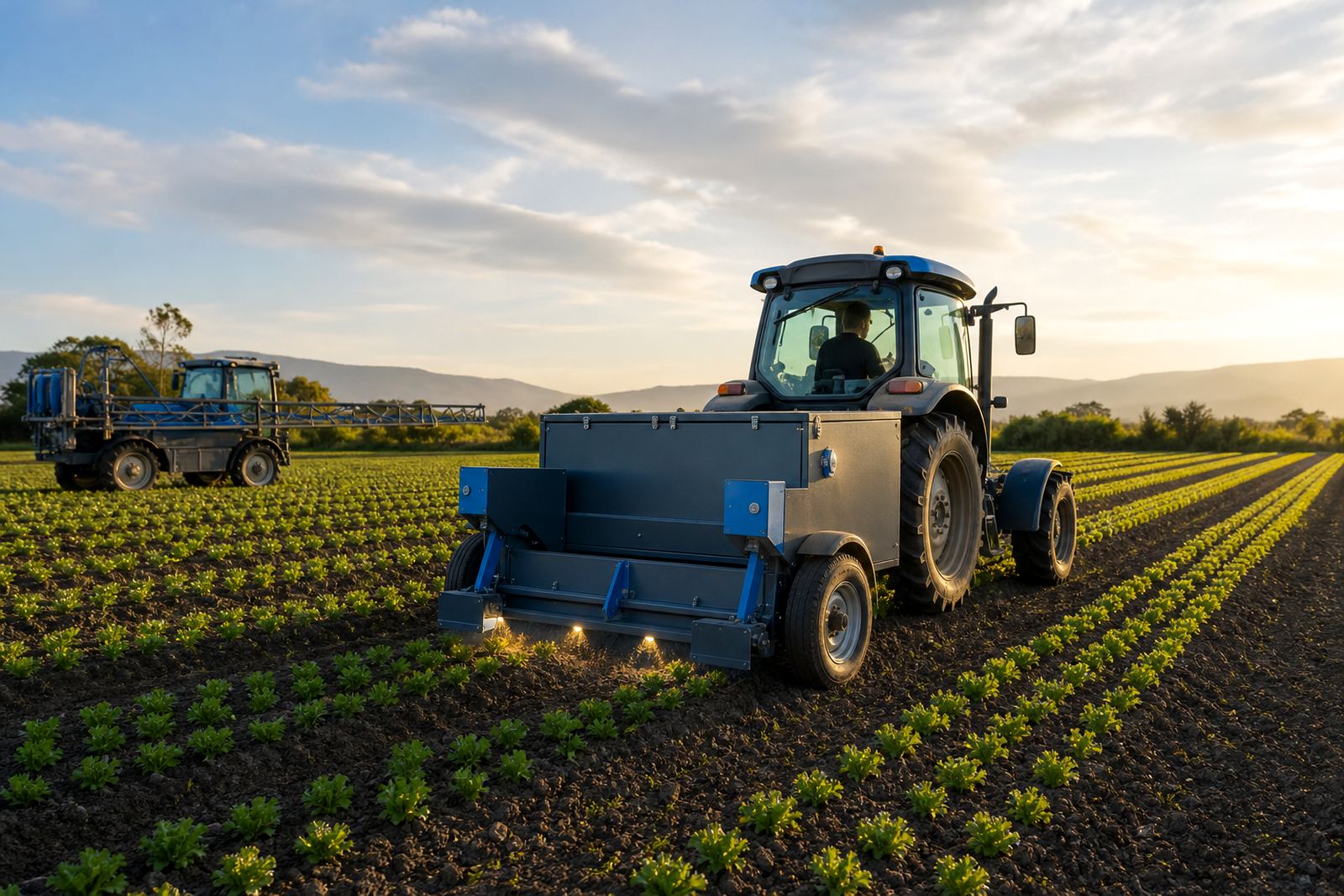
Tractor-drawn laser units need practical movement through the block. Tight gateways, soft turning areas, irrigation lines, uneven entrances and narrow headlands all affect how the work is laid out. A good assessment should note where the tractor enters, where it turns and whether the block can be worked in a clean sequence.
- Check that headlands are wide enough for safe turning.
- Look for soft patches after rain or irrigation.
- Note any stakes, pipes or low obstacles near the row ends.
- Mark blocks that need separate scheduling because of access.
In a multi-farm programme, these small details save a lot of wasted movement. Pieter Mokoena, who leads field scheduling at our Philippi, Cape Town base, often works from maps and block notes first, then builds the route around the crop rather than forcing the crop to fit the route.
A Philippi carrot block can teach the lesson well
A grower outside Philippi with carrots planted on lighter soil may see a flush of weeds after irrigation and warm winds. If the weeds are still at seedling stage, a laser pass can target the row while leaving the soil untouched. If the same block is left too long, the weed size changes the field speed and the job becomes less tidy to schedule.
That is the kind of case where a trial strip run helps. It gives the grower and operator a real look at how the crop reads under the camera, how the row presents after the first pass and whether a repeat pass should be set in the season plan. The point is not to force a one-size answer, but to read the block properly.
What to have ready before the assessment
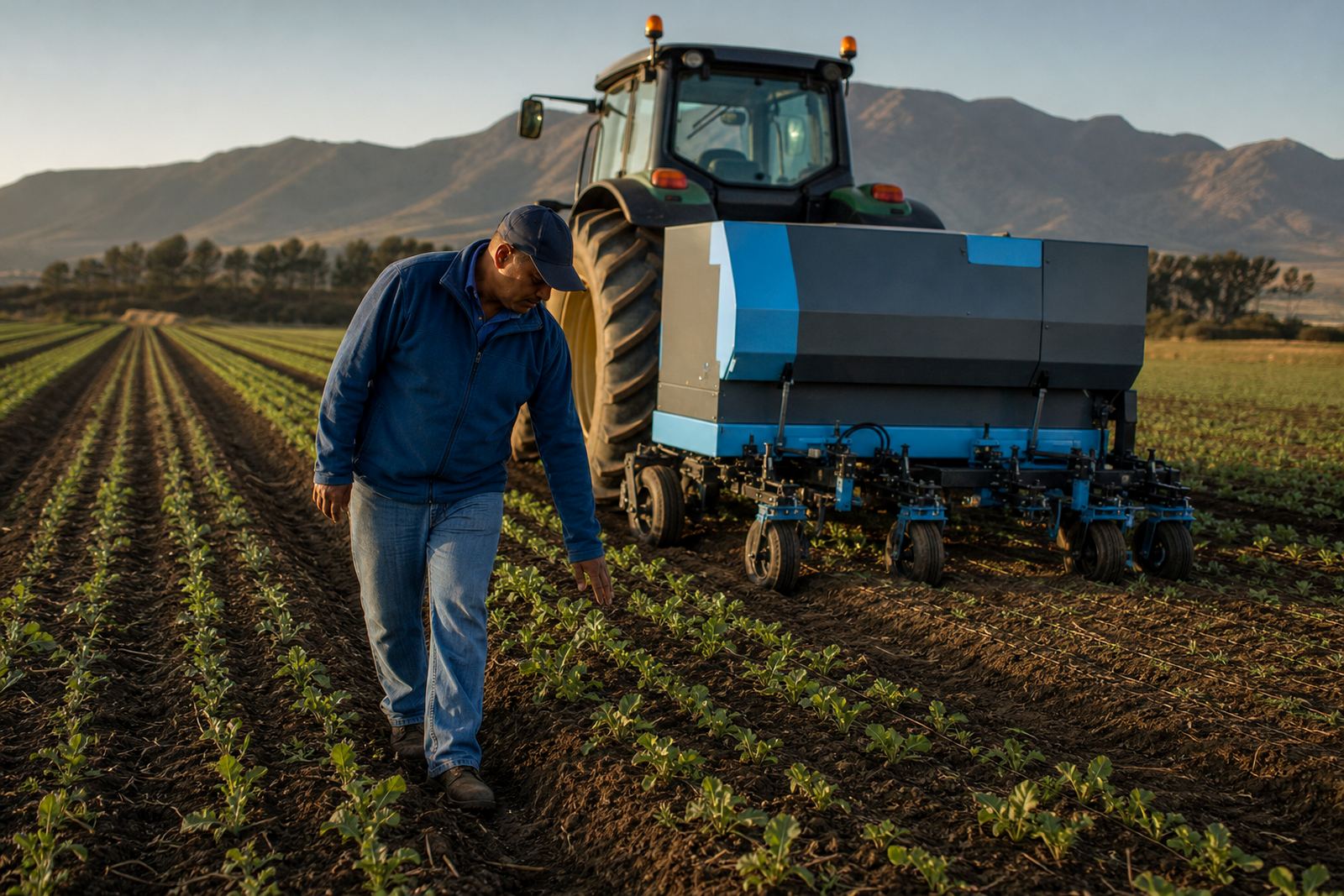
Carrot growers usually get the most useful assessment when they can point out crop age, row spacing, weed pressure, irrigation pattern and any blocks that have different soil conditions. A walk through the field with the grower or farm manager helps the team set up the right programme, whether the need is a single pass or a wider season booking.
LaserWeeder Hire works with growers across the Western Cape, Limpopo, Mpumalanga, KwaZulu-Natal and the Free State, with tractor-drawn laser weeding units, trained operators and field scheduling from our Philippi, Cape Town base. For a carrot block that needs careful timing, our contact form on the contact page is the cleanest way to start the assessment, and it keeps the block details together in one place.