Start with a field that can be read from the cab
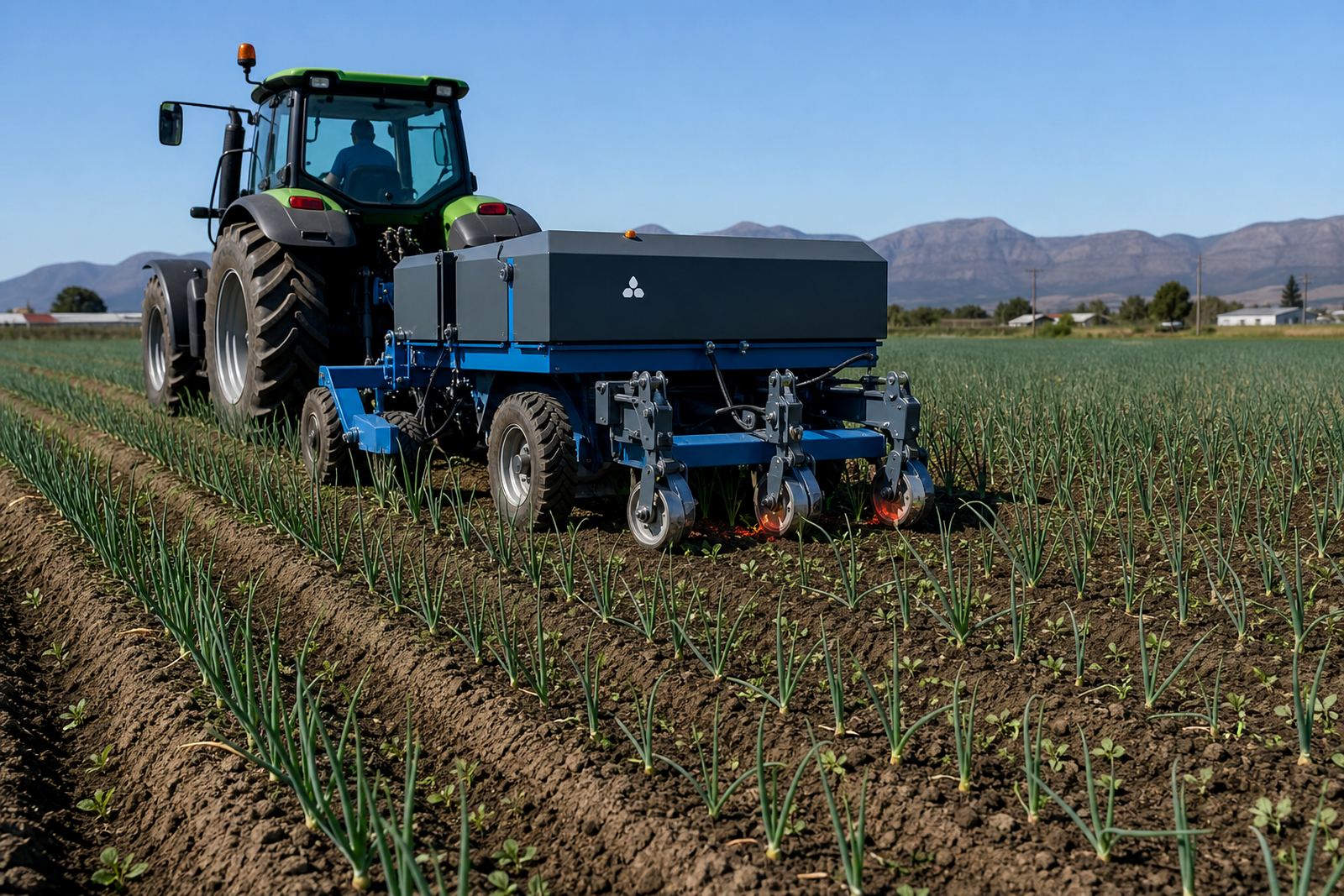
Before a tractor-drawn laser unit enters the block, the crop rows need to be easy to read and the field edges must make sense for turning. The operator depends on visible row structure, clear headlands and a surface that allows steady travel without sudden dips, wet patches or hidden debris. In leafy crops and row vegetables, a tidy block is often easier to treat than a field that has grown unevenly after wind, rain or missed cultivation.
On a Philippi vegetable block, for example, a grower may have onion rows close to lettuce beds with short headlands at one end. That still works, but the pass plan needs the layout mapped first so the machine does not waste time rechecking the same ground. A clean line of approach also helps where irrigation pipes, drip tape ends or temporary markers are in place.
- Mark block edges clearly.
- Remove loose wire, stones and fallen branches.
- Leave turning space at the headlands.
- Point out low spots that hold water after rain.
Weed stage matters more than a long weed list
Laser weeding is strongest when the weeds are still small and actively growing. Camera-guided detection looks for the target plant among the crop, then the lasers aim at the weed growing point. If weeds have already spread wide, leaned over the row or started to flower, the pass can be slower and the operator may need to adjust the plan. Timing matters in brassicas, carrots and lettuce especially, because the crop canopy changes the working window quite quickly.
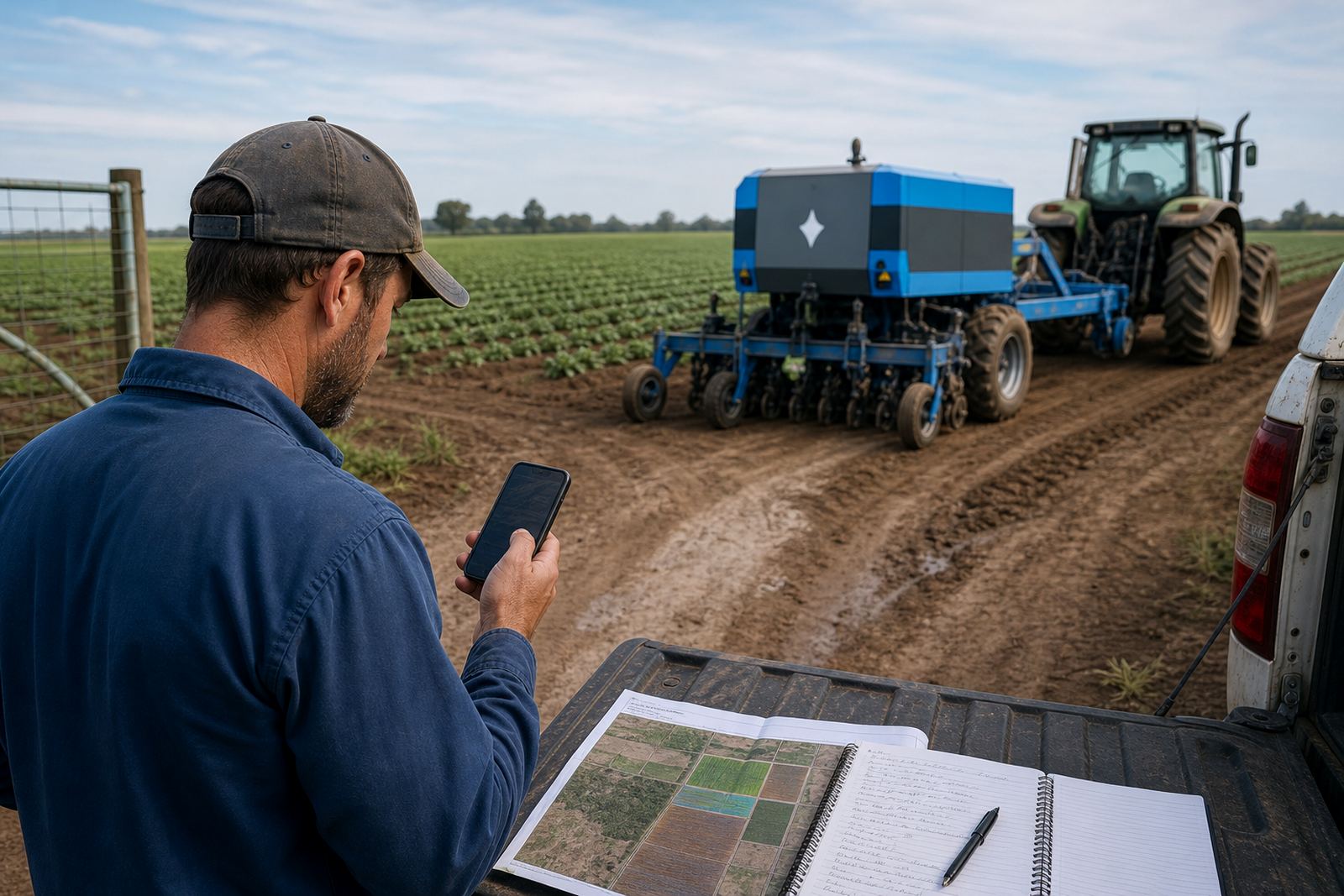
Growers usually get better field preparation results when they walk the block a day or two before the visit and note where the first flush is appearing. A patch with tiny broadleaf weeds is a different job from a block where grass weeds are thicker near the irrigation line. The more exact the picture, the easier it is to match field speed to weed pressure.
- Check which weeds are emerging most strongly.
- Note if the weeds are at seedling stage or larger.
- Flag any patch with heavy pressure.
- Keep a record of where the first flush began.
Crop spacing and row discipline save time in the block
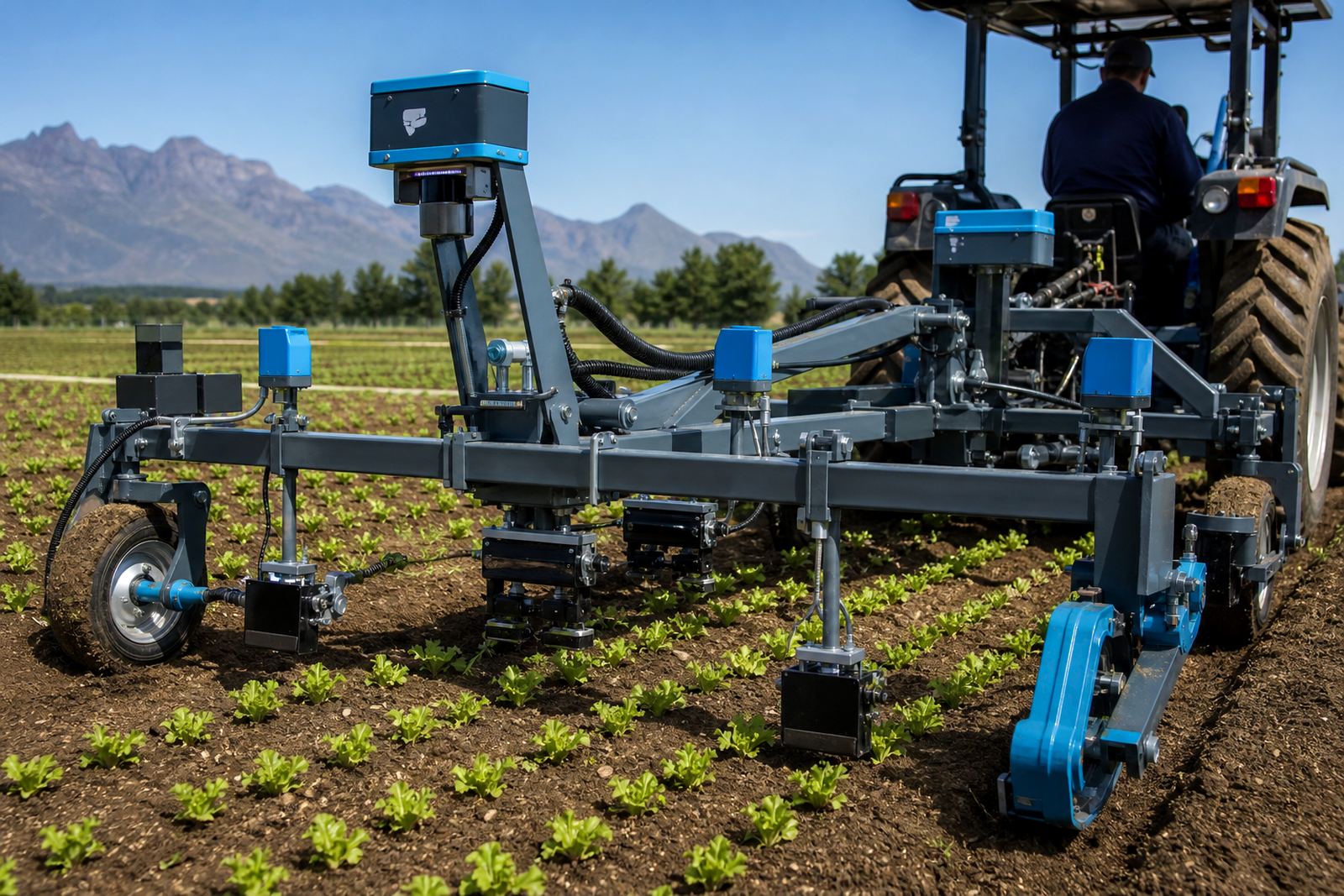
Laser equipment works in rows, so the crop arrangement needs to be consistent. Uneven transplant spacing, wandering lines or missing plants can make the camera read the block less cleanly. That does not mean the farm must be perfect, but the more even the row structure, the steadier the operator can work. This is especially useful in onions and carrots where the crop line is narrow and the margin between plant and weed is tight.
If a grower expects a multi farm programme across the Western Cape or further afield in Limpopo, the same row discipline helps from block to block. One patch may be ready for a trial strip run while another needs a later pass because the crop is still too small. The job becomes easier when each block is labelled, the cultivar and planting date are clear, and any irregular sections are pointed out before the tractor enters.
- Confirm row width and bed width.
- Point out skips, thick patches and replant areas.
- Identify crops with mixed growth stages.
- Label blocks that need a trial strip before full coverage.
Watering, mud and surface condition need a straight answer
Soil disturbance is not the aim here, which means the surface needs to support a steady pass. A field that is too wet can leave tracks, slow the unit and make it harder to maintain even travel. Very dry, cloddy ground can also be awkward where the tractor needs to keep a controlled line. In coastal areas such as Philippi and Grabouw, moisture can change the field from one morning to the next, so the condition needs checking close to the visit.
Drip lines, movable irrigation parts and temporary markers should be settled before the unit arrives. If a block has just been irrigated, the grower should be honest about the surface rather than hoping the ground will firm up in time. A clear conversation on field condition makes the plan more realistic, especially when the block is part of a larger schedule across several farms.
- Avoid working on ground that is holding water.
- Lift or secure loose irrigation parts.
- Tell the team about soft patches and wheel ruts.
- Check access after rainfall or heavy watering.
Access, turning space and travel planning are not side issues
Contract laser weeding often involves moving between farms, sometimes across long distances and through busy harvest weeks. Travel coordination matters, but so does the final metres into the block. A gate that is too narrow, a road shoulder blocked by crates, or a turning point shared with another operation can slow the whole day. For growers in Tzaneen, Bela-Bela or Bethlehem, that part of the plan is worth sorting early.
Arrival site checks help here because the operator can see where to park, where to turn and where to begin the pass. If the farm has multiple blocks, the order of work should match access, crop stage and weed pressure rather than only the farm map. That keeps the visit practical and avoids awkward repositioning across soft ground or around busy packhouse traffic.
- Keep gates open and routes clear.
- Move parked equipment away from turning points.
- Show the best line to each block.
- Tell the team about livestock, staff traffic or shared roads.
A local example from Philippi to the next block
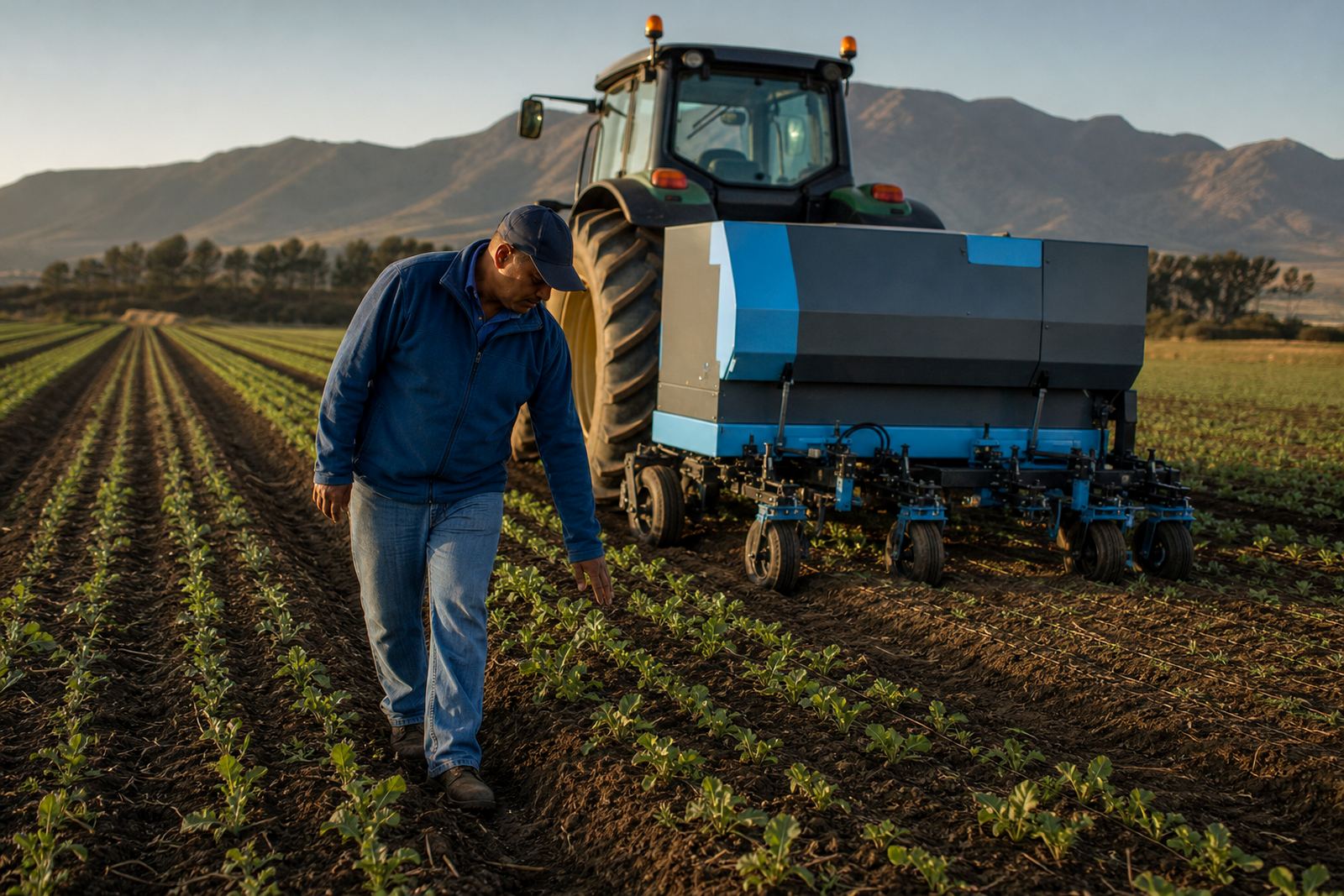
A Philippi grower with lettuce and brassicas may want a laser pass after a weed flush following irrigation. The field is flat, but the beds have a few low spots and the headland is busy with crate movement. In that case, the grower prepares the block by clearing the access lane, flagging the wet patch and pointing out the rows that were replanted after wind damage. The operator can then set up a slower section where pressure is heavier and a steadier section where the crop is more uniform.
The same approach works in Ceres or Nelspruit, where crop timing and row condition may shift from one valley to another. A trial strip run can show how the unit behaves in that field before the full pass starts. After the visit, post pass reporting is useful because it records where the work was clean, where a repeat pass may be needed and which blocks should be scheduled earlier next time.
- Share the planting date and crop stage.
- Point out any block that needs a slower first pass.
- Note where weeds are already taller than the crop line.
- Keep the follow-up plan linked to the actual field condition.