Gate In, Map Out, Walk the Headlands
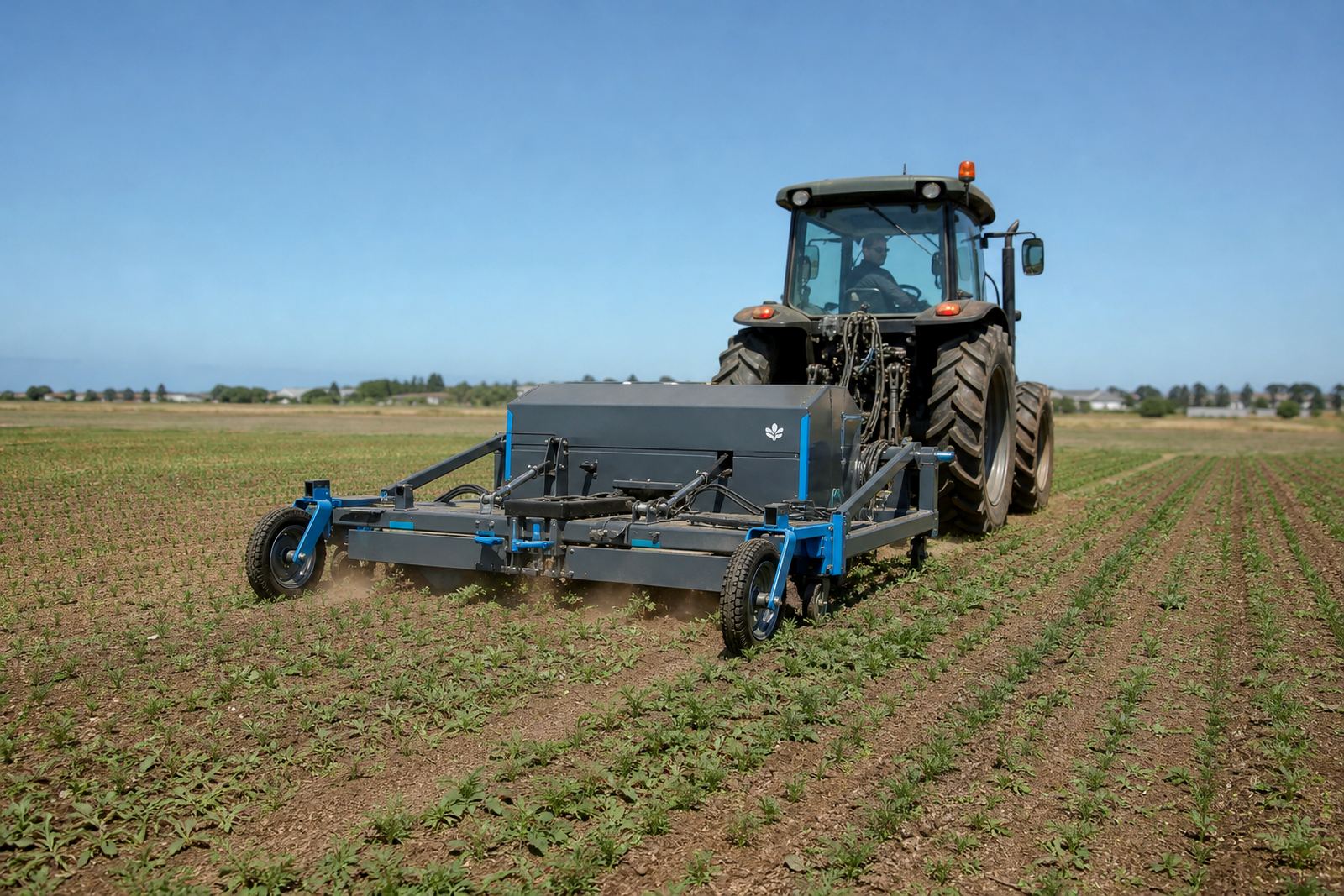
The first job is a careful walk from the gate to the blocks that need work. We check where the tractor can enter, where the unit can turn, and whether the headlands are firm enough for safe travel after irrigation or rain.
On vegetable farms around Philippi and out toward Grabouw, a soft edge or narrow entrance can slow the whole programme. A quick look at gates, lanes, wash bays and parked equipment helps the day run in the right order, not the rushed one.
- Confirm the correct block and row count.
- Check access for the tractor-drawn unit.
- Note tight corners, low wires and soft patches.
- Agree on where staff can park and move on foot.
Crop Stage Decides the First Pass
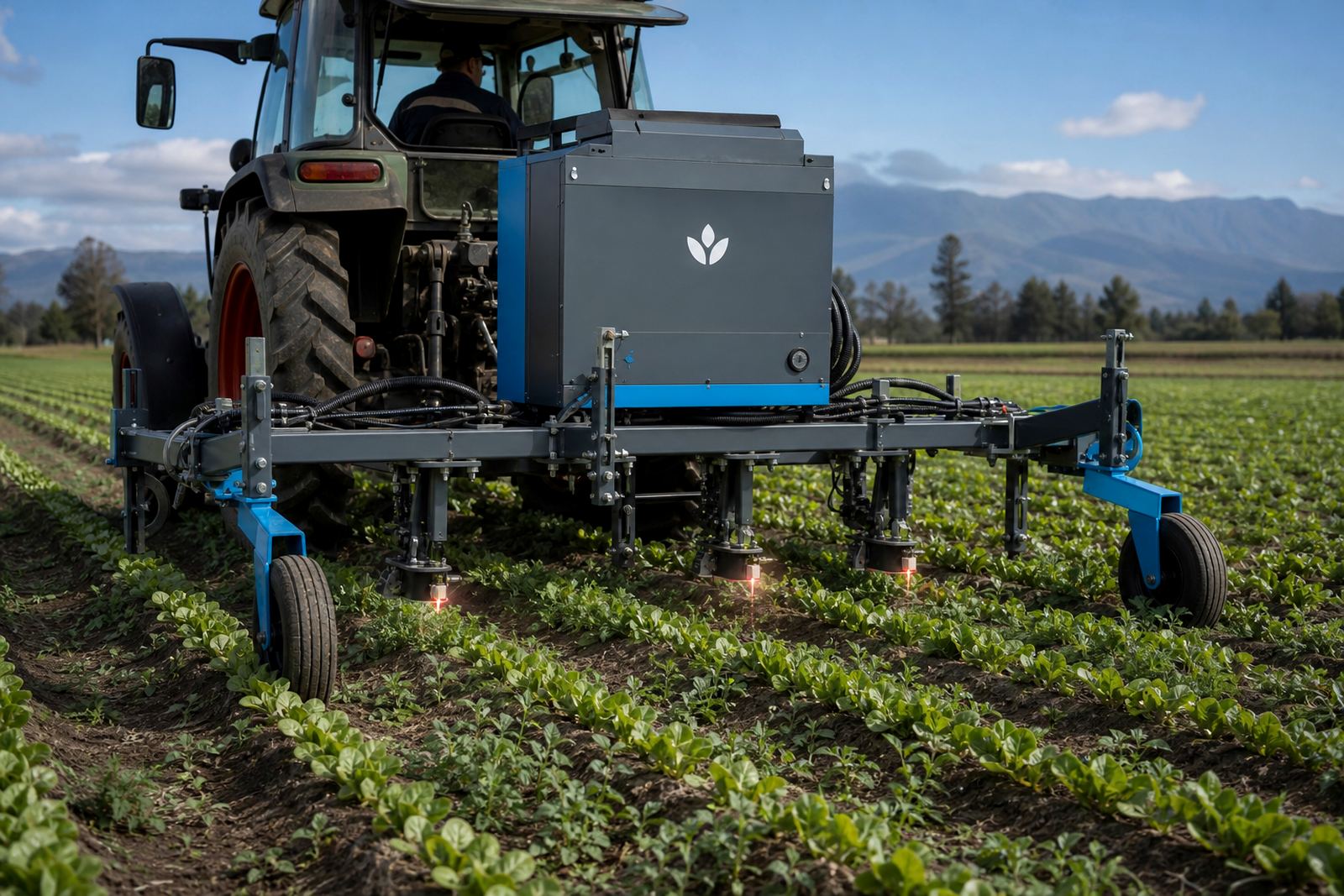
Laser weeding works best when the crop and the weeds are at the right stage for the planned pass. The operator and grower look at spacing, weed size, bed shape and how far the crop has closed over the row. That timing matters more than a long wish list of tasks.
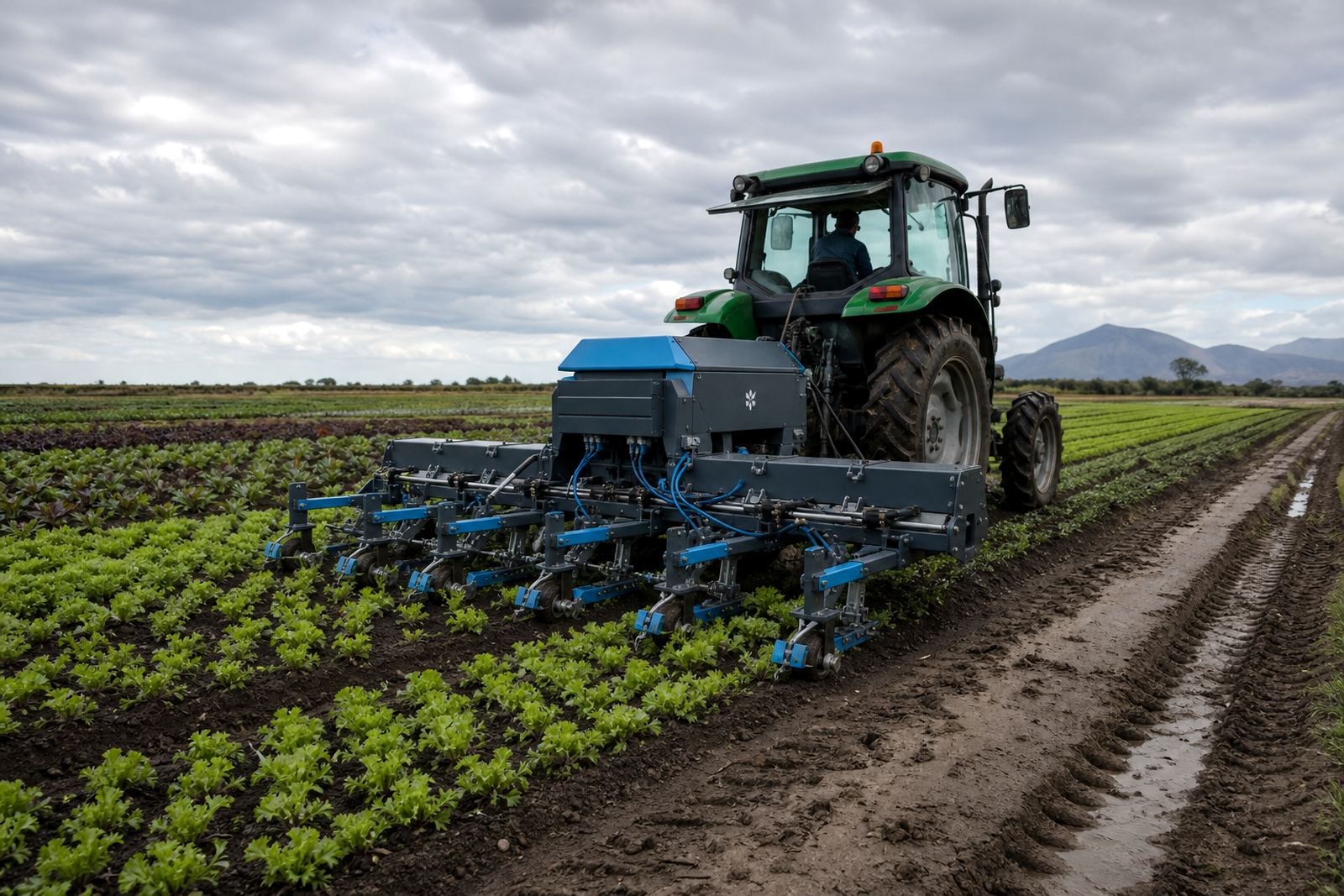
On onions, carrots, lettuce and brassicas, small weeds are easier to target before they are deep rooted or tangled into the canopy. If the field is uneven, we note that too, because camera-guided detection works best when rows are readable and the crop is established enough for safe movement through the block.
- Check crop spacing and row visibility.
- Look at weed stage in the row and between rows.
- Confirm whether a trial strip is needed first.
- Note any patches that need slower travel.
Operator Handover Without the Guesswork
Before the first pass, the grower or farm manager points out the crop plan and the areas that need special care. Our operator then confirms the settings, the sequence of blocks, and any parts of the farm that are out of bounds for that day. Clear handover avoids confusion once the tractor is moving.
We also check whether the farm wants one pass, a repeat pass, or a staggered run over several blocks. On mixed vegetable operations in Limpopo or the Free State, the order can change with irrigation schedules, harvest crews and the crop stage in each field.
- Review block names and the order of work.
- Confirm crop rows, turns and no-go areas.
- Agree on who opens gates and guides access.
- Set the sequence for trial strips or full rows.
Timing, Soil Condition and Field Speed
Laser weeding is not just about switching on the unit and going. The team checks soil firmness, moisture on the surface, and whether the block can carry the tractor without leaving marks that will bother later field work. No soil disturbance is one of the reasons growers use this method, but the ground still needs proper judgement on the day.
Field speed changes with weed pressure, row complexity and visibility in the crop. A light infestation in neat rows may move faster than a heavy flush after rain. The aim is steady work, not a hurried pass that misses small weeds tucked close to the plants.
Travel Notes for the Road Between Farms
Where a season includes more than one farm, travel planning matters as much as the field itself. The team confirms the order of stops, refuelling points, towing needs and the safest route for moving the unit between sites. This is useful for growers working across Cape Town, Ceres, Howick, Tzaneen or Bela-Bela.
For multi farm programmes, arrival day also includes a short check on documents and block notes, so the next site is ready without confusion. A missed road turn or unclear farm name can cost more time than a weed patch, especially when a crew is covering several blocks in one run.
- Confirm route notes and farm entrance details.
- Check the next block in the sequence.
- Carry the crop and field notes for each stop.
- Keep contact details for the farm office on hand.
Post Pass Reporting Starts on the Same Day
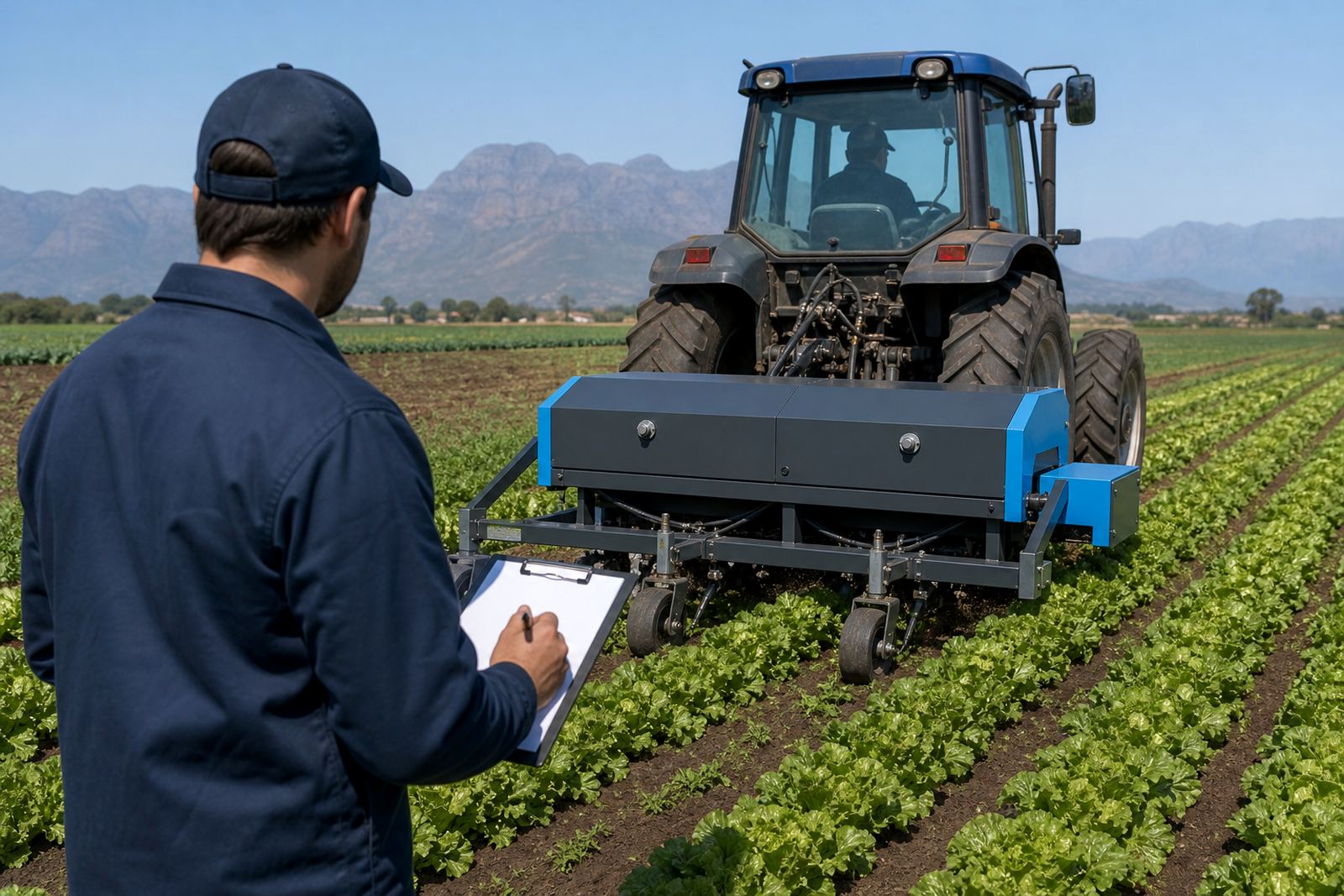
Once the first pass is complete, we note what was covered, which rows needed slower travel, and where weed pressure may call for a follow-up pass. This gives the grower a clear field record rather than a quick verbal summary that gets forgotten by the afternoon.
For brassicas in coastal conditions or carrots in a drier inland block, the notes help with repeat planning and later crop timing. The point is practical: each farm gets a record of what was seen, what was treated and what needs watching next.