Reading the row before the laser ever fires
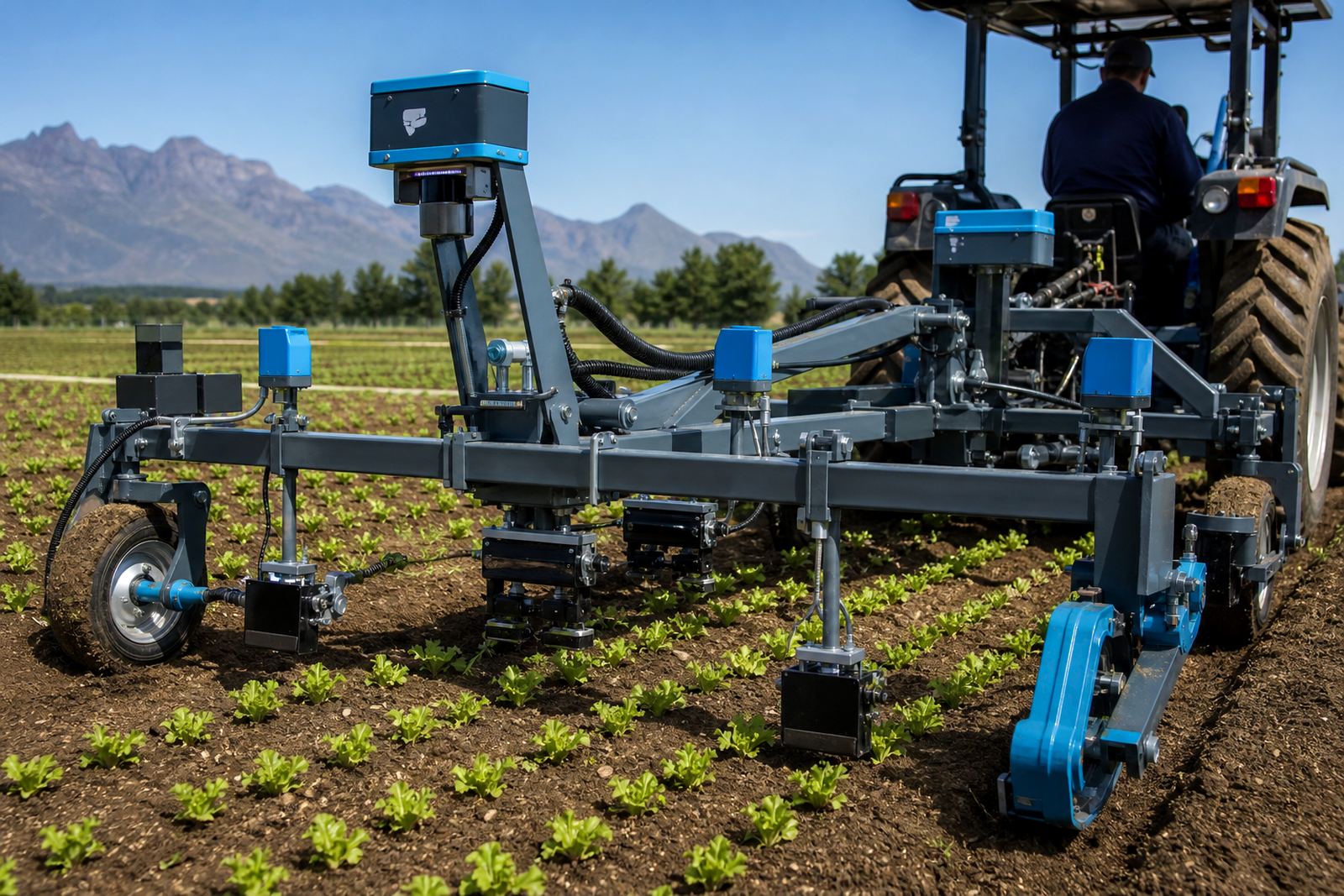
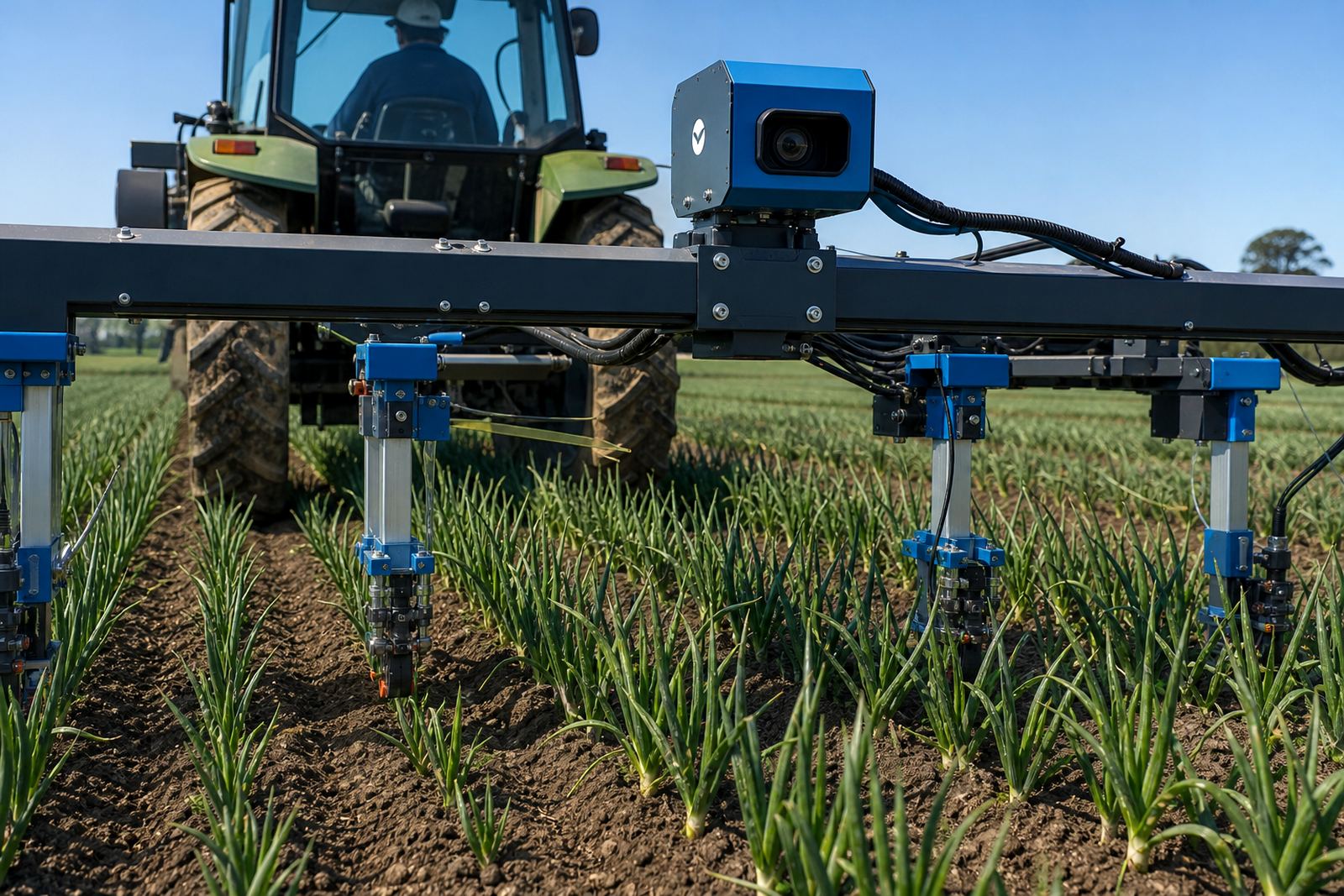
Camera guided detection starts with the machine looking ahead of the laser beam. The camera system reads colour, shape and spacing so the unit can recognise crop lines and spot growth that does not belong there. On vegetable farms, that means the machine is not just cutting across a bed, it is working with the row layout that the grower has already put in the ground.
The camera does not remove the need for an experienced operator. A trained operator still watches the crop stage, the weed pressure and the travel line through the block. When the crop is small and the weeds are still young, the system has a better chance of picking out the growing points that matter. When weeds are taller or the stand is uneven, the operator may slow the pass, adjust the run or plan a follow up pass.
What the camera sees in onions, carrots and brassicas
Row crops such as onions, carrots, lettuce and brassicas are the usual fit for this method because the crop sits in a line and the open space between rows gives the camera something to read. The camera looks for repeated spacing, leaf shape and the position of each plant in the bed. Weeds that break that pattern are flagged for the laser treatment.
- Onions and carrots often need early recognition because the crop can be small and the weeds can move fast in warm conditions.
- Lettuce beds usually demand close attention to row spacing and even planting.
- Brassicas can vary in leaf shape, so the operator needs clean crop lines and good field timing.
In coastal areas around Philippi and inland blocks in the Free State, the timing of the pass can change with moisture, heat and how quickly the weeds have moved from seedling stage to a harder stem. The camera works best when the crop has clear line structure and the weeds have not grown into a dense mat.
Why weed stage matters more than field noise
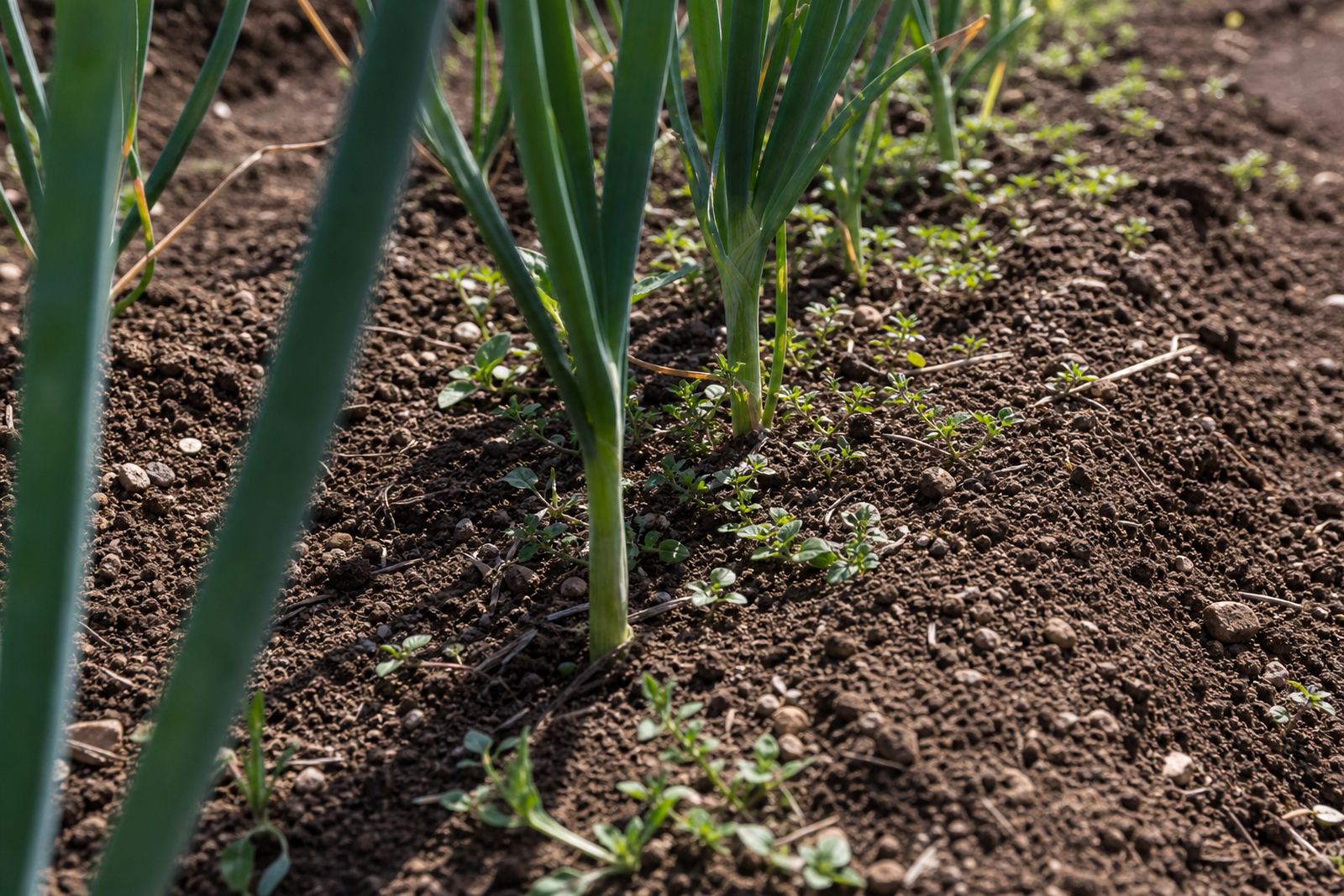
Weed stage is one of the biggest factors in camera guided detection. Small weeds are easier to separate from the crop line because the plant shape is still simple and the growing point is exposed. Once a weed spreads leaves across the row, the camera has more visual clutter to sort through. That is when the operator must work more carefully and field speed may need to drop.
Field noise can come from uneven planting, soil clods, mixed growth after rain, or crop leaves leaning across the row. A good operator reads those details before the pass starts. In practical terms, the best pass is often the one scheduled before the field becomes crowded with weed growth. That is where crop timing plans and repeat pass planning matter, especially on larger multi farm programmes.
- Early stage weeds are easier to target at the growing point.
- Dense weed pressure can slow travel speed through the block.
- Uniform planting helps the camera separate crop from weed.
- Wind bent leaves and soil movement can change what the lens sees.
How the laser targets the weed, not the whole bed
Once the camera identifies the weed position, the laser is directed at the growing point. The aim is to heat the plant tissue at the point where growth is active, while leaving the crop line untouched. Because the system works above the soil, there is no cultivation blade moving through the bed and no soil disturbance from the pass itself.
That matters on lighter soils and on beds where moisture conservation is being watched closely. It also helps where the grower wants to reduce herbicide sprays without opening the soil surface. The method is herbicide-free, but it still depends on correct timing, clean line reading and a steady machine set up. If the row is too late in the season or the weed pressure is too high, the pass may need to be split into sections rather than run as one blanket job.
A Philippi field example with tight rows and mixed pressure
A vegetable block near Philippi can change character from one end to the other. One section may have neat rows with light weed pressure, while another has patchy germination after a wet spell. In that kind of field, camera guided detection gives the operator a working picture of where the crop stands and where the weeds have pushed through. The camera reads the row, the operator checks the line and the tractor-drawn unit carries the pass across the bed.
For growers sending work from Western Cape, Limpopo, Mpumalanga, KwaZulu-Natal and the Free State, this is often the point where field scheduling becomes as important as the machine itself. Travel coordination, arrival site checks and post pass reporting help keep the plan clear across separate farms. On a season booking, the same crop may need different timing from one block to the next, because weed stage rarely stays identical across a whole programme.
- Arrival site checks help confirm row spacing and block access before the unit moves in.
- Trial strip runs can show how the camera reads a specific crop stand.
- Repeat pass planning is useful where weeds are emerging in waves.
- Post pass reporting gives the grower a record of what was covered.
What the operator watches while the camera works
The camera carries the visual read, but the operator still controls the field pace and the work pattern. That means watching crop stress, checking the angle of the rows, and deciding whether the field should be run in one direction or split into shorter sections. On some farms the first pass is about getting the camera system tuned to the crop line. On others the job is about holding a steady pace through a long day of rows.
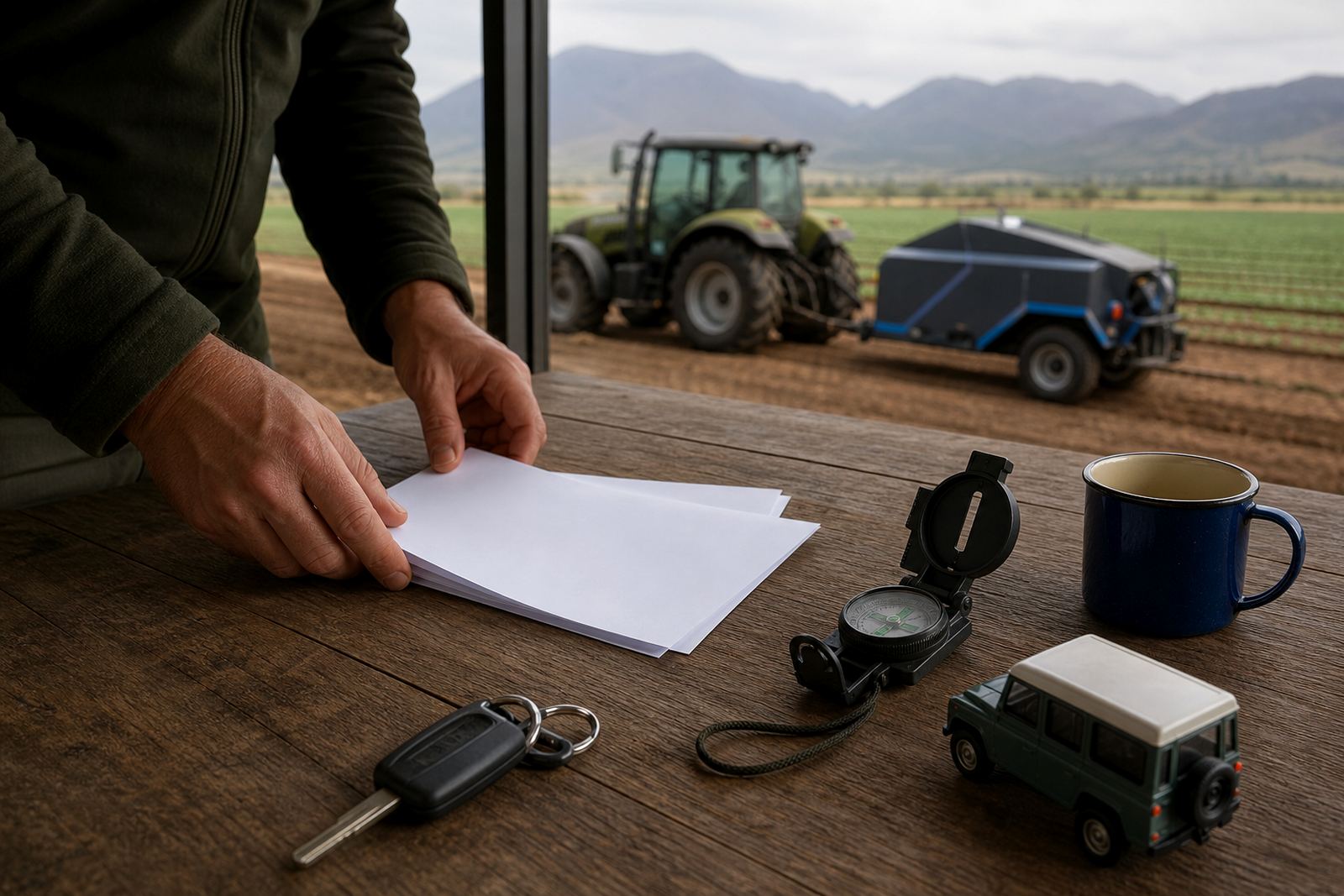
Our team in Philippi includes operators and field planners who work with growers on crop timing plans, operator supplied work and field scheduling. That practical support matters when blocks sit in different towns or when a farm in Ceres needs a different field window from a farm near Tzaneen. The machine can only read what is in front of it, so the field plan has to make sense before the tractor enters the row.
- Crop timing plans align the pass with weed stage.
- Field scheduling helps group blocks by location and crop type.
- Grower consultation keeps the plan tied to the real field layout.
- Service coordination helps when several farms need work across a season.
When visual recognition gives the best result
Camera guided detection works best in fields with clear rows, young weeds and a crop that has settled into a visible pattern. It suits growers who want herbicide-free weed control with no soil disturbance and a tractor-drawn unit that can work between and around crop plants. It is not a magic fix and it should not be treated that way. The field still has to be read properly, the weeds still have to be caught at the right stage, and the pass still has to match the crop.
For growers who need that kind of field judgement, LaserWeeder Hire provides contract laser weeding from Philippi, Cape Town with trained operators, field scheduling and travel support. The service covers vegetable farms across South Africa, including blocks in the Western Cape, Limpopo, Mpumalanga, KwaZulu-Natal and the Free State. Questions can go through our contact form on our contact page, and the work can be set against the actual crop stage rather than a fixed guess.