Why loam feels easier under a tractor-drawn laser unit
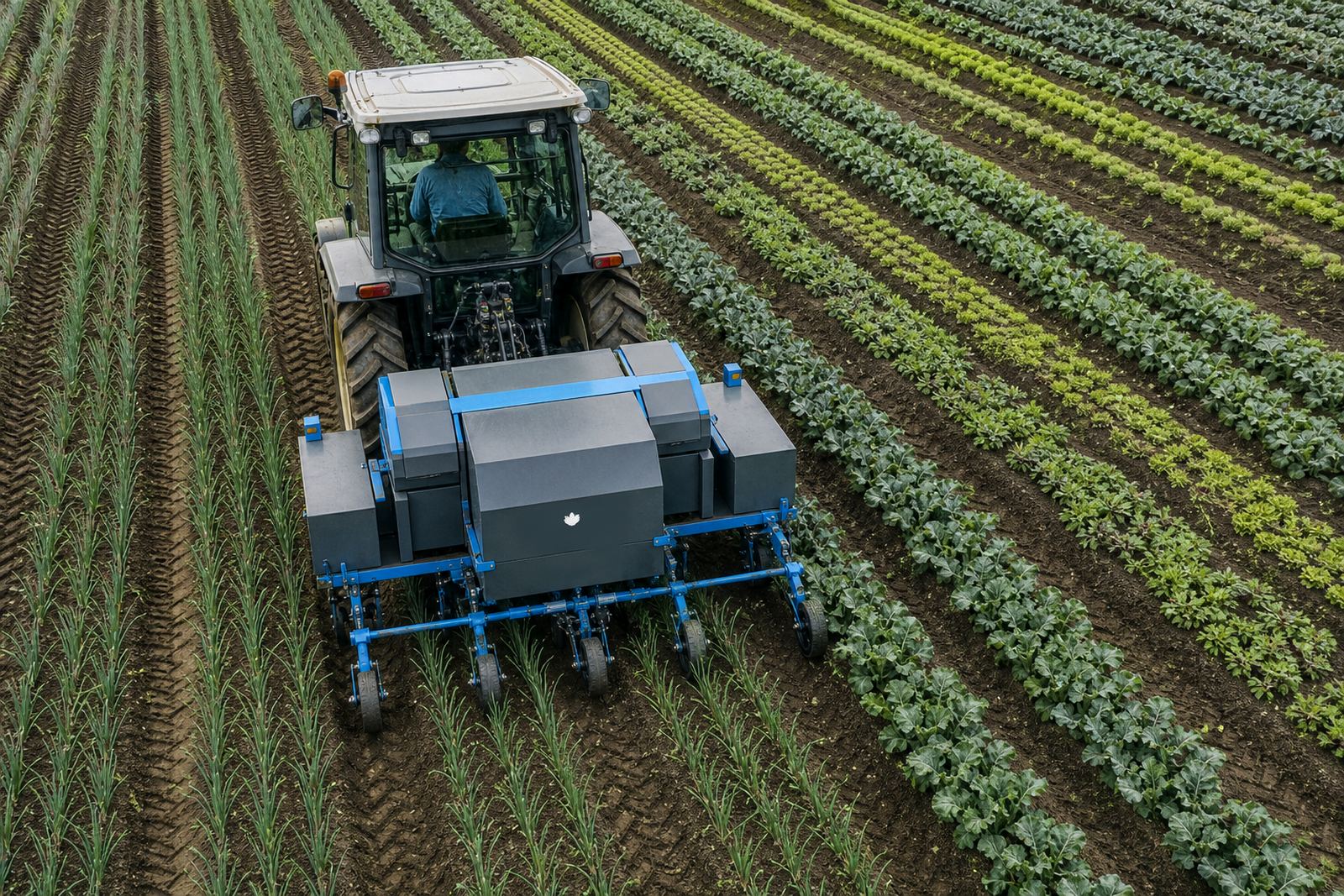
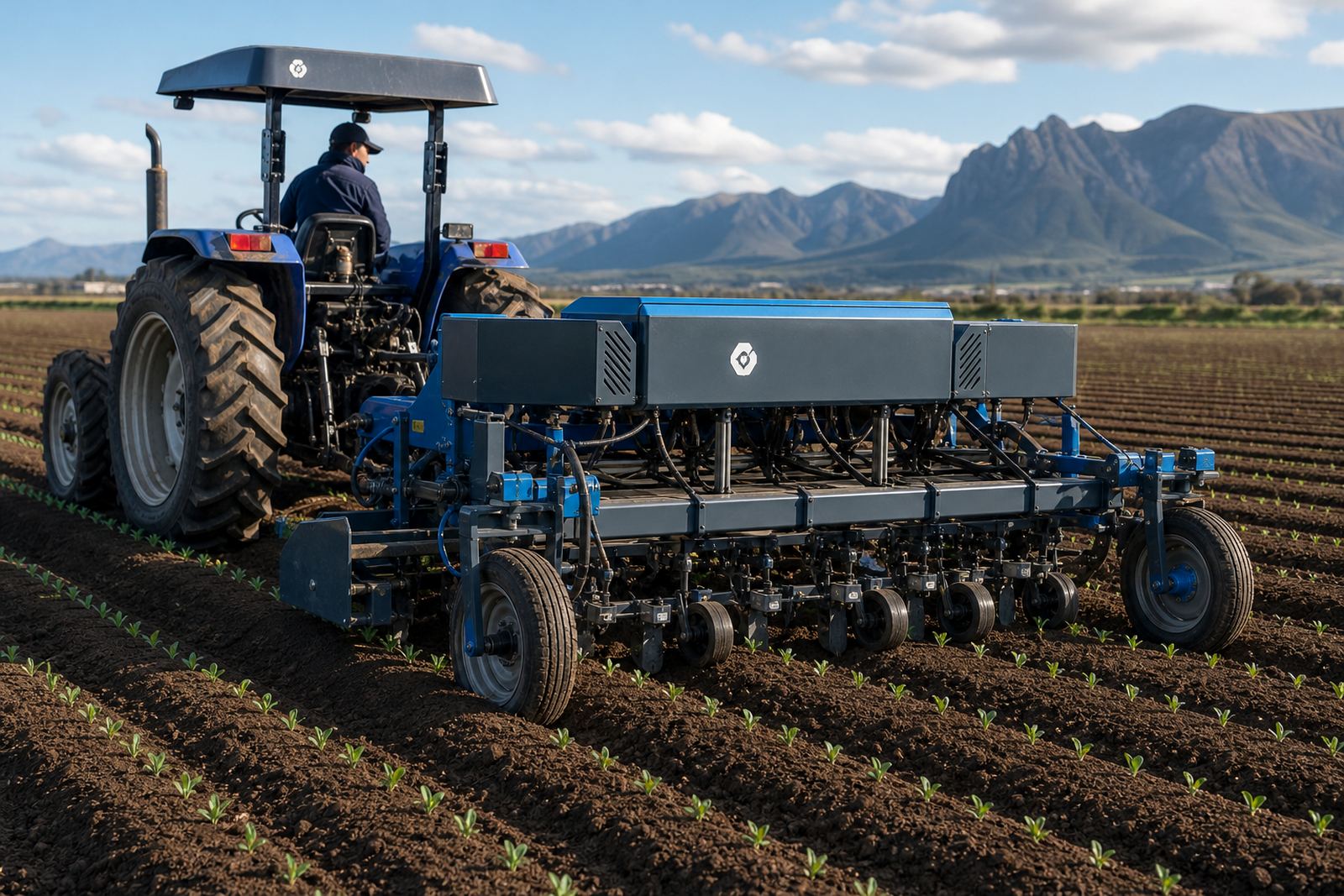
Loam usually sits in the middle ground between tight clay and loose sand, so the tractor carries the unit with a more even pull. On a level block, the operator can keep the machine centred between rows without fighting dips, wheel bite, or sudden side slip, which helps the camera-guided system keep reading crop and weed positions clearly.
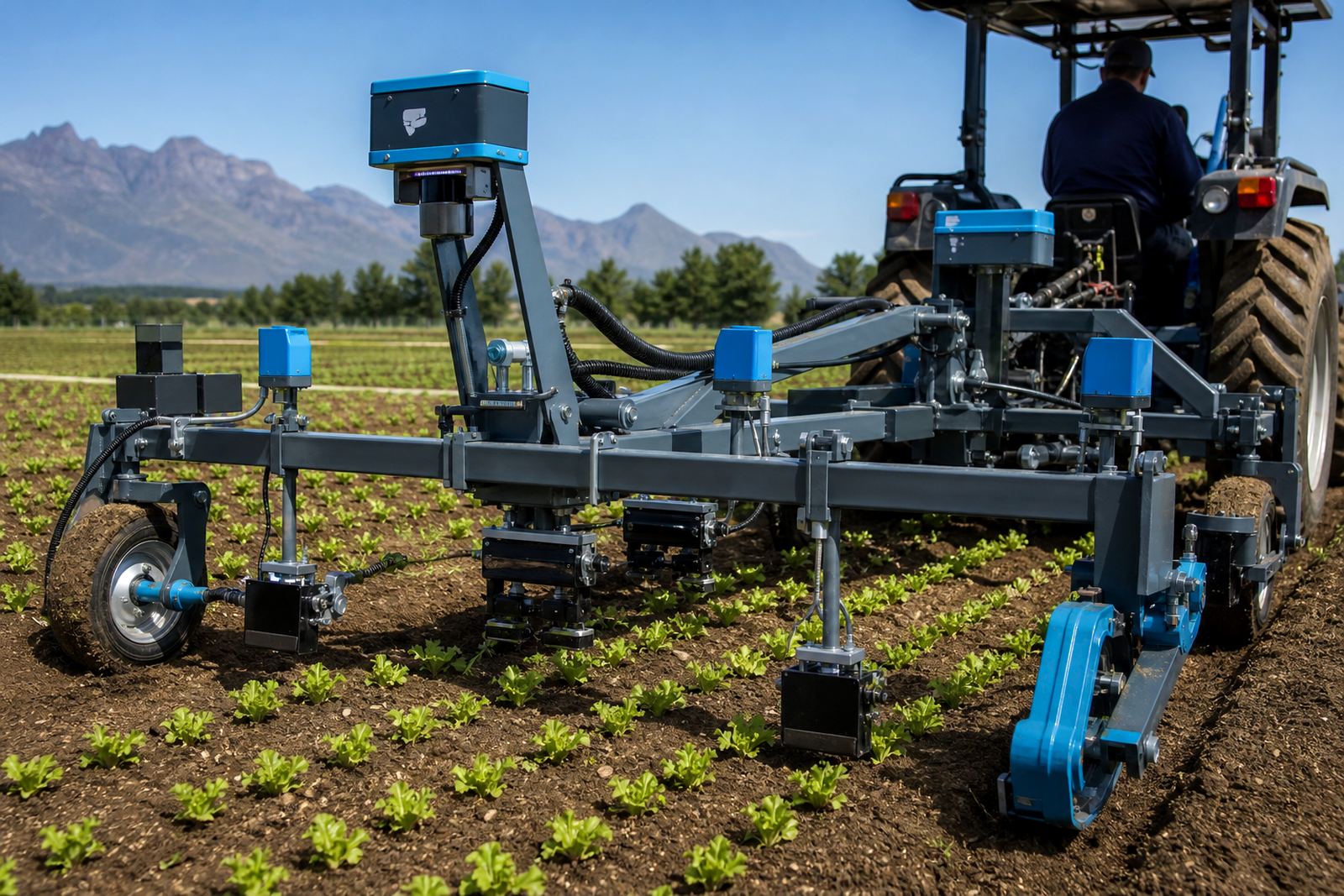
In practice, that steadier travel helps on onion, carrot, lettuce and brassica blocks where rows are narrow and the gap between plants matters. The laser unit is looking for weed growing points, so the cleaner the run, the more consistent the targeting window tends to be. When a field is uneven, the machine still works, but the operator spends more time adjusting pace and line.
Loam is not only about comfort in the cab, it also helps the row pattern stay visible after earlier cultivation. A light ripple is manageable, but hard wheel ruts, waterlogged patches, or old ridge collapse can make the rows harder to read. In Philippi and the broader Cape Flats, that kind of fine-textured soil can set up well after cultivation if drainage is sound and the block is not worked too wet.
Row tracking starts before the unit enters the block
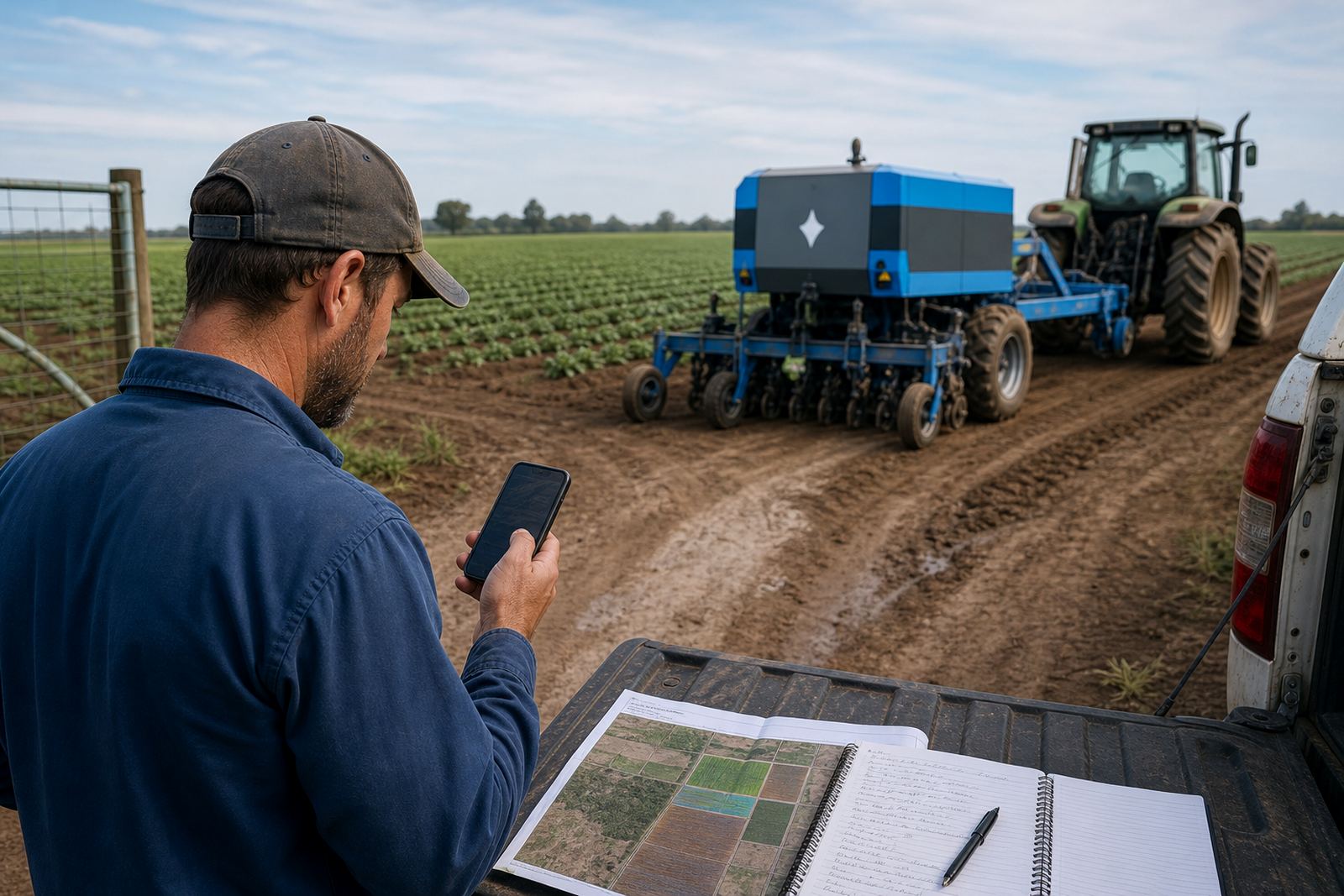
Good travel begins with the row map, not the laser head. Before a pass, the field assessment should check row spacing, headlands, turns, surface level, and any patches where previous passes left a narrow ridge or soft shoulder. That is where the tractor may wander, even when the crop itself is straight.
On loam, especially after irrigation or rain, the surface can crust lightly and then break into small clods. Those clods are not a major issue on their own, but they can hide volunteer weeds or make the wheel line look uneven. A clear start line at the headland and a clean entry into the first row reduce the chance of crossing into the crop canopy.
- Mark the first row clearly before the machine enters the block.
- Check that turns at the headland leave enough room for the next pass.
- Keep the crop spacing readable, especially on young brassicas and lettuce.
- Walk soft patches before scheduling the pass, so the tractor is not surprised by them.
Where blocks are split into several pieces, travel planning matters as much as the work itself. A shorter transfer between sections saves time, but it also limits extra compaction on wet loam. That is useful for farms near Grabouw or Ceres, where one block may carry well and the next can hold moisture longer after irrigation.
Weed stage sets the pace more than the soil does
Laser weeding works best when weeds are still small and the growing point is exposed enough for the system to target cleanly. On loam, the machine may move at a comfortable field speed when weed pressure is light, but the pace usually changes when the block carries thicker flushes or mixed weed stages. The soil type does not set the speed on its own, the weed stage does much of that work.
For vegetable farms, that timing is often the difference between a tidy first pass and a hard clean-up run. Younger weeds are easier to target, while older weeds can shade the row gap and force the operator to slow down for closer control. That is why repeat pass planning sits alongside the first booking, not after the fact.
It also helps to match the pass to crop stage. A young crop may leave more open ground for the camera to work with, while a larger canopy can narrow the safe working window. On loam, that window is often clear and forgiving, but the operator still has to read the crop, the row, and the weed pressure together.
- Book early enough for the first flush, not after the block is overrun.
- Use trial strip runs where row visibility is uncertain.
- Review post pass reporting so the next pass fits the field condition.
- Plan for mixed weed stages in the same block, because they rarely stay even.
No soil disturbance still needs careful ground reading
One of the main advantages of laser weeding is that it does not disturb the soil in the way a mechanical hoe can. That matters on loam because each new cultivation pass can bring up fresh weed seed or break the surface in a way that later holds moisture unevenly. A laser pass works above the soil line, targeting weed growing points without cutting or throwing soil.
Even so, the block still needs proper reading. Loose topsoil, surface crust, and small irrigation wash lines can affect how the tractor sits. If the ground is soft in one corner and firm in another, the machine may ride differently across the same field. The operator should know where the block changes underfoot, not only what the crop looks like from the cab.
That is where arrival site checks earn their keep. A quick look at the headlands, water tracks, and entry points helps avoid surprise lean or sink. In a level loam field, the pass can stay measured and orderly, which is useful for crops where the row gap stays narrow right through the season.
A Philippi block in winter, and what the ground showed
On a vegetable block in Philippi, the loam held a clean profile after irrigation, but one edge near the access track had settled lower than the rest. The rows were straight, though the first turn in and out of the block needed a slower hand. The operator used the flatter centre of the field for the main run, then treated the edge rows with extra care where the tractor had a slight lean.
That kind of field is a good reminder that level ground does not mean identical ground. Even in one block, the shoulders may be firmer than the middle, and the row ends may carry more wheel traffic than the centre. The right schedule leaves room for that variation, instead of forcing the same pace everywhere.
Grower consultation helps when blocks are split between crops or planting dates. An onion section may be ready while a carrot section still needs a few more days, or a brassica block may carry a tighter canopy than the lettuce nearby. The field plan should follow those differences, not flatten them into one neat rule.
What a loam-friendly programme usually needs
A strong programme on loam depends on clear field notes, measured timing, and a practical route across the farm. The machine is one element of the work Operator supplied work, travel coordination, and repeat pass planning all matter because the field changes from week to week. On farms from Tzaneen to Bethlehem, the soil may differ, but the need for straight travel and good row visibility stays familiar.
For longer season bookings, it helps to treat each block as its own working unit. That means one field may need a trial strip run first, while another can go straight into the full pass. The schedule should also account for how many farms sit on the route, since a multi farm programme changes arrival order and field rhythm.
- Keep a record of crop stage and weed stage for each block.
- Note where the loam holds water after irrigation or rain.
- Separate young plantings from thicker canopy blocks in the schedule.
- Use post pass reporting to guide the next round of field work.
When a field is level and the rows are readable, laser weeding can move in a steady, disciplined way. Loam does not do the work for you, but it gives the tractor and operator a better surface to work from, and that is often what keeps the pass predictable.