Brassica rows leave little room for guesswork
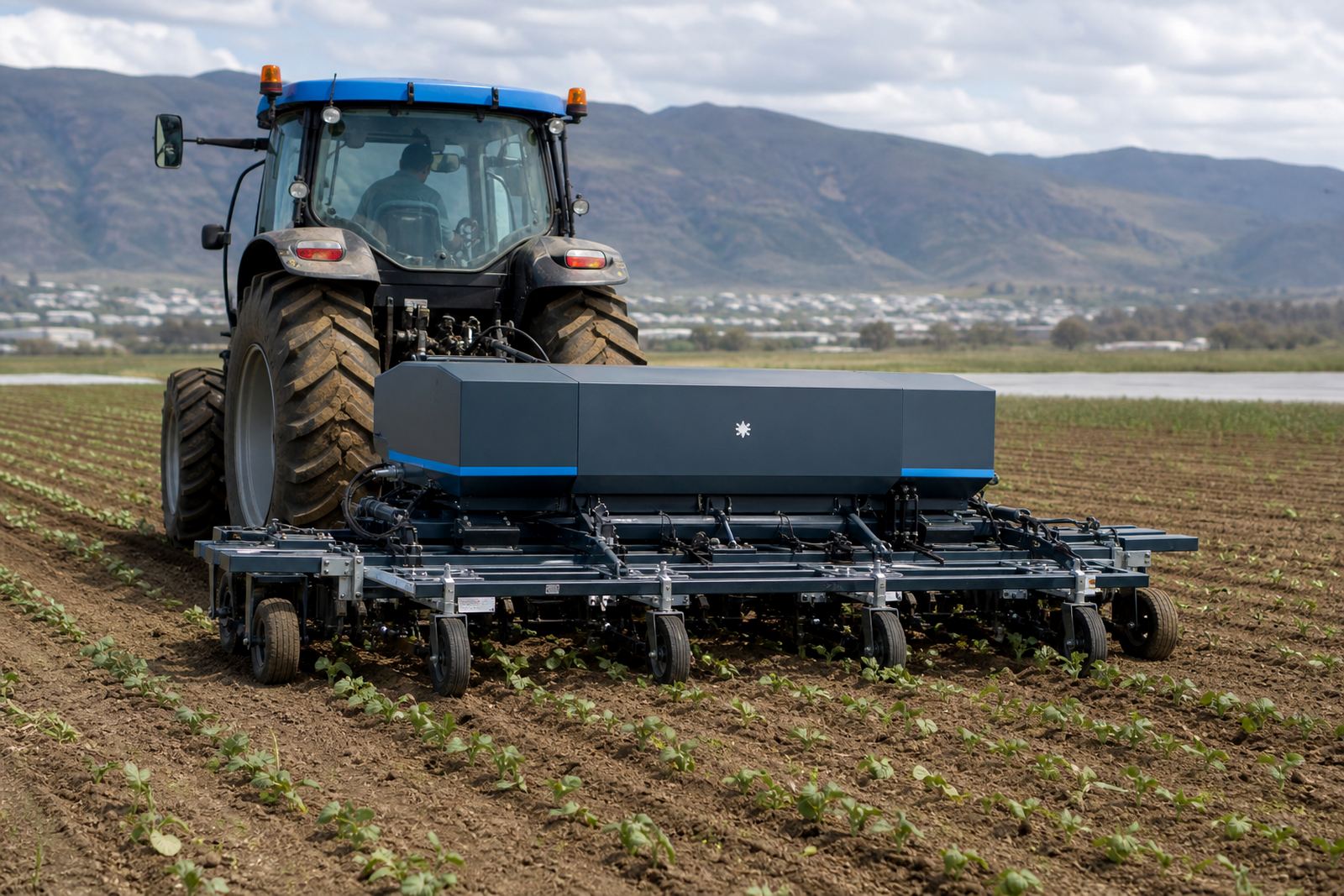
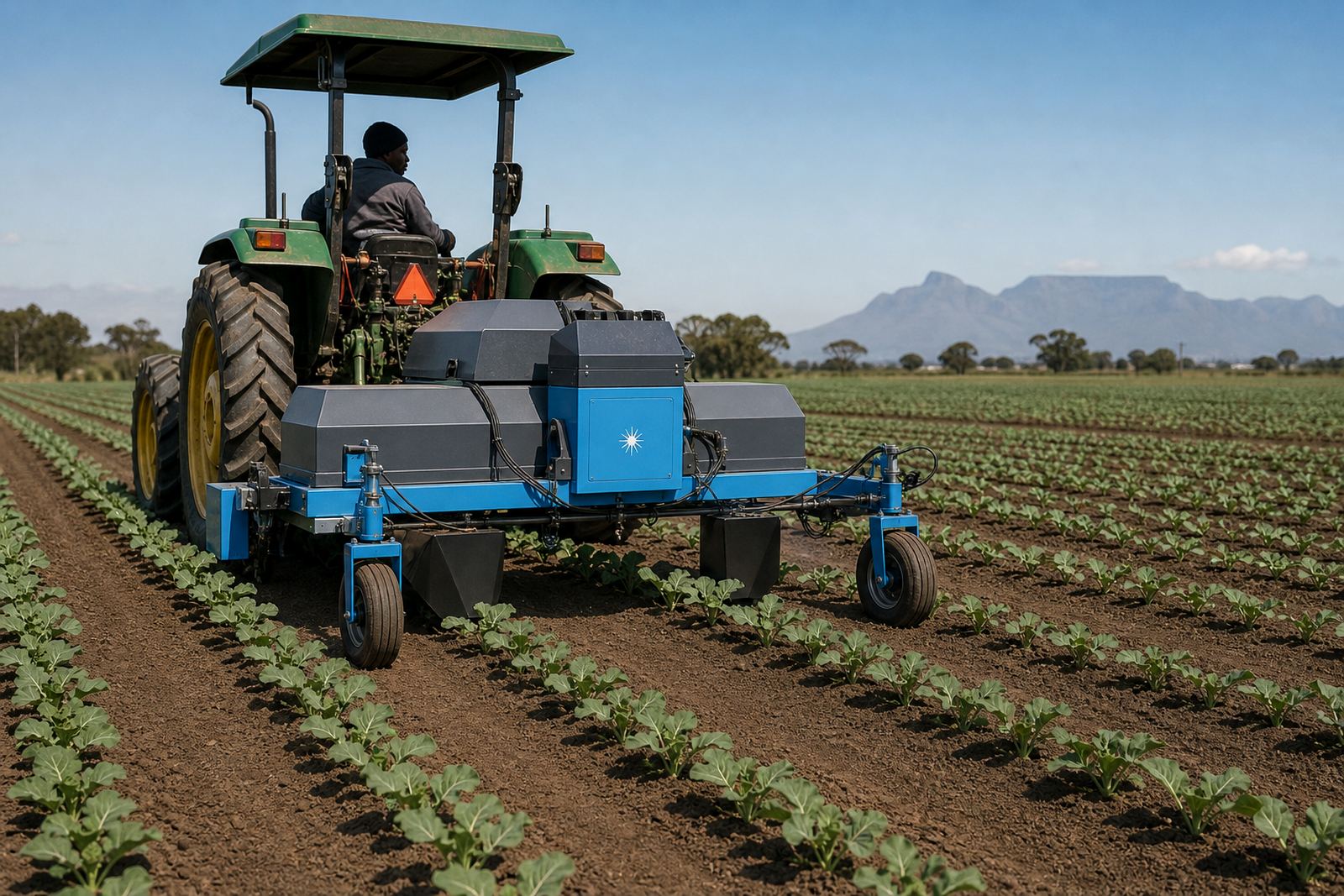
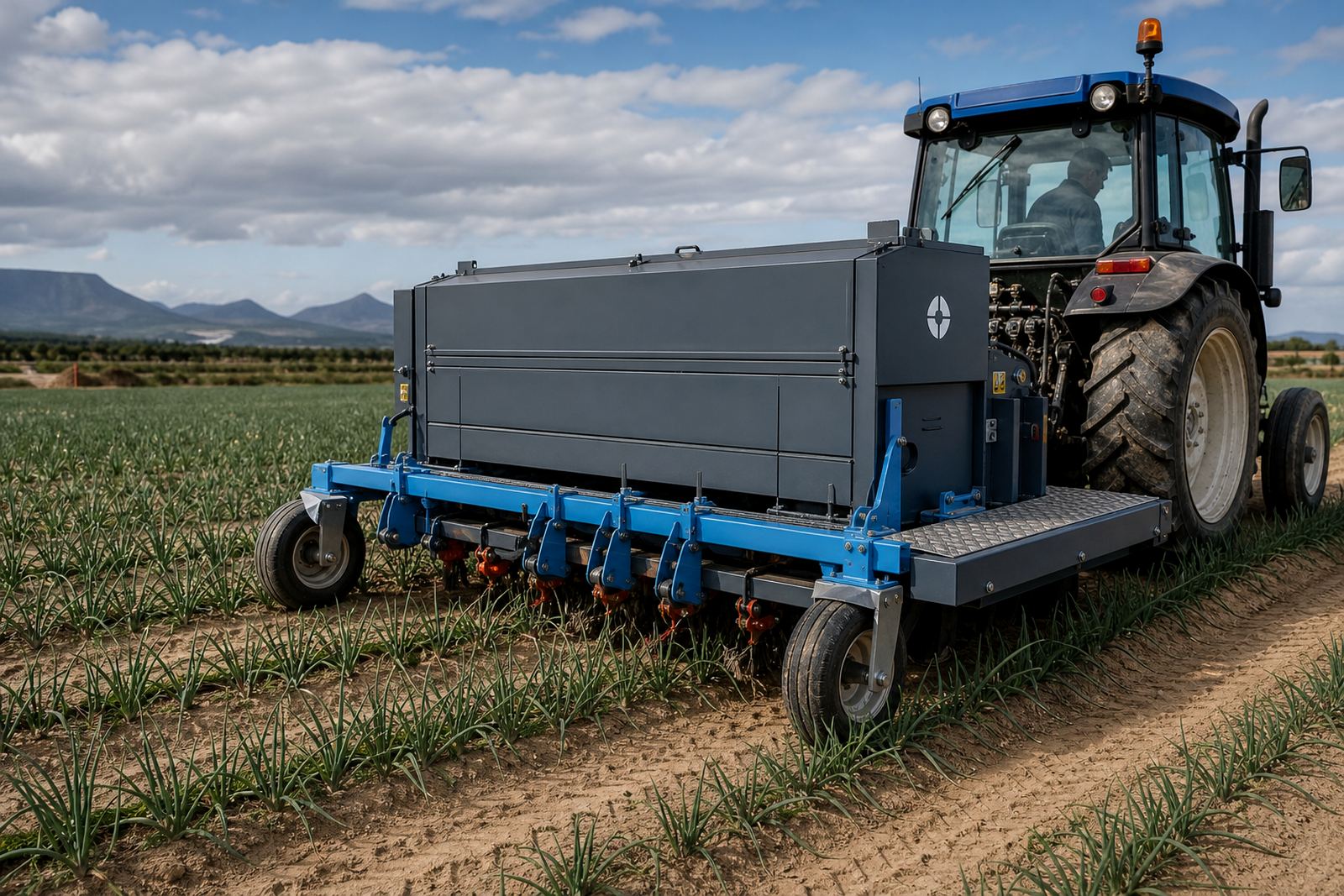
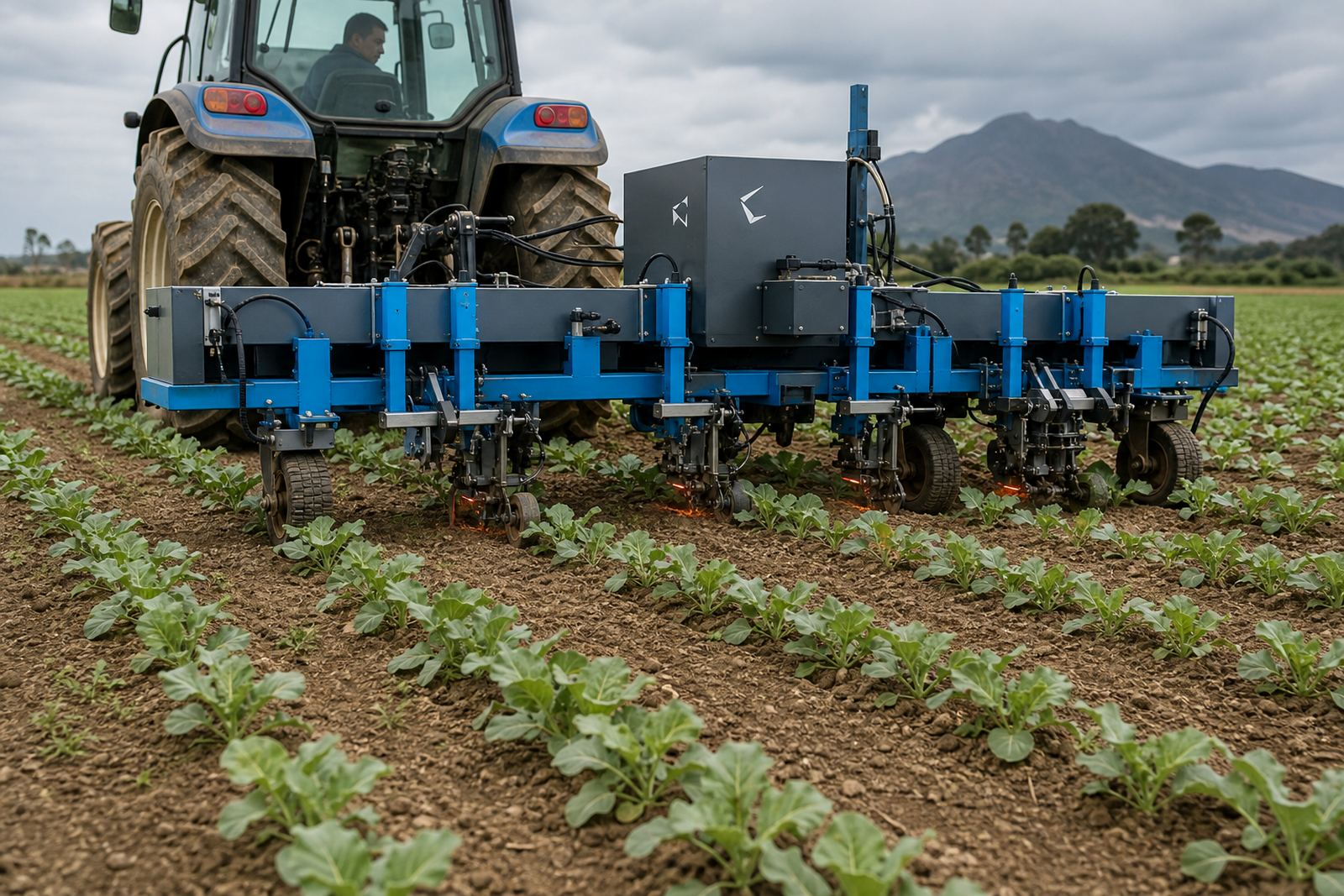
Cabbage, broccoli and cauliflower usually sit in tight row systems, and that layout is what makes laser weeding practical in the first place. The camera-guided unit reads the crop line and targets weed growing points between and around plants, so the operator is working to the row pattern rather than trying to treat the whole block as one flat surface.
That matters on brassicas because the crop canopy changes fast. A block that looked open on Monday can close in well before the next pass, and the narrow gaps start to trap small weeds. If the crop is too advanced for a planned pass, the machine still works, but access becomes tighter and the margin for neat work narrows with it.
For coastal and inland farms alike, the first pass is usually planned against the crop stage, not the calendar alone. Younger brassicas give the system cleaner sight lines, and small weeds are easier to target before stems thicken or roots anchor harder in the line.
Weed stage changes the job more than most growers expect
Laser weeding is strongest when the weed is at an early stage, before it has built enough size to compete hard with the crop. On brassicas, the common challenge is not only the weed species but the mix of ages in one block. Some patches are flushes after moisture, while other strips are already past the easy stage.
That is why trial strip runs are useful on cabbage, broccoli and cauliflower. A short treated strip shows how the field reads, where misses might appear and whether the stand is even enough for a full pass plan. It also helps with repeat pass planning, because some blocks need a second visit after a fresh germination cycle starts.
Field speed changes with weed pressure too. A light weed load allows a steadier pace, while dense pressure asks for slower work and tighter attention from the operator. The job is still guided by the same principle, but the machine has to spend more time reading each section of row.
No soil disturbance suits brassica ground that must stay even
Brassica growers often care about keeping the bed surface stable. Laser weeding has an advantage here because it is herbicide-free and it does not stir the soil the way mechanical hoeing or cultivation can. The crop row stays intact, and the surface does not get dragged open after each visit.
That lower disturbance is useful where the soil crusts after heavy rain or where fine tilth has already been prepared for transplanting. It also helps on blocks where extra movement could expose fresh weed seed. With cabbages, broccoli and cauliflower, the main concern is staying close to the crop without knocking the bed out of shape.
In wetter parts of the Western Cape, a block may need careful timing after rainfall so the ground carries the tractor cleanly. In the warmer northern areas, timing may lean more on morning field moisture and how quickly the weeds are moving through their early stage.
A Philippi example from mixed brassica planning
On a brassica block near Philippi, a grower with cabbage and cauliflower in separate sections needed a field plan that respected different crop ages. The younger cauliflower rows were still open enough for the camera system to read cleanly, while the cabbage section had more leaf spread and tighter access between plants. One field, two timing needs.
The solution was to break the work into blocks and schedule the tractor-drawn unit around the best window for each section. The operator started with the cleaner lines, then moved to the parts where weed pressure was slightly heavier but still within an early stage. That kind of split planning avoids forcing every hectare into the same pattern.
Across South Africa, the same logic shows up in Limopopo irrigation belts, Mpumalanga vegetable ground, KwaZulu-Natal coastal growing areas and the Free State where weather swings can be sharp. Brassicas are forgiving in some ways and fussy in others, so a plan that fits one block may need reshaping for the next farm.
What the operator looks for before the pass starts
Before the unit moves, the operator and field team check the crop line, the row spacing, the headlands and the likely weed pattern. A brassica block can look fine from the road and still hide problem strips near the ends, especially where irrigation has moved unevenly or where transplants took hold at different speeds.
Arrival site checks matter because small field faults change the whole run. Tight turns, soft patches, broken rows and odd gaps all affect how the camera reads the crop. The team also looks at whether a trial strip run would help confirm the pass line before the rest of the block is treated.
For multi farm programmes, the scheduling plan has to fit more than one grower and more than one crop stage. That is where the field scheduling lead, grower liaison and operator work together so the tractor is sent where the block is actually ready, not where the diary is easiest.
Planning brassica work across a full season
Brassica timing does not sit still for long. Cabbage, broccoli and cauliflower can move from open rows to closing canopy in a short stretch, so the season plan needs room for repeated visits when weed flushes continue. That is where repeat pass planning, grower consultation and travel coordination all pull in the same direction.
A good field plan tracks block age, transplant date, expected weed flushes and access conditions on the farm. It also keeps an eye on the wider district. A wet week in Grabouw, a dry spell in Tzaneen or a stretch of strong growth near Bethlehem changes how the next block should be handled.
Laser weeding is most useful in brassicas when it is treated as part of the crop programme, not as a one-off fix. The goal is straightforward to say and harder to deliver: keep the rows clean, protect the crop line, and work the field while the weeds are still small enough to target well.