What this setup covers on loose ground
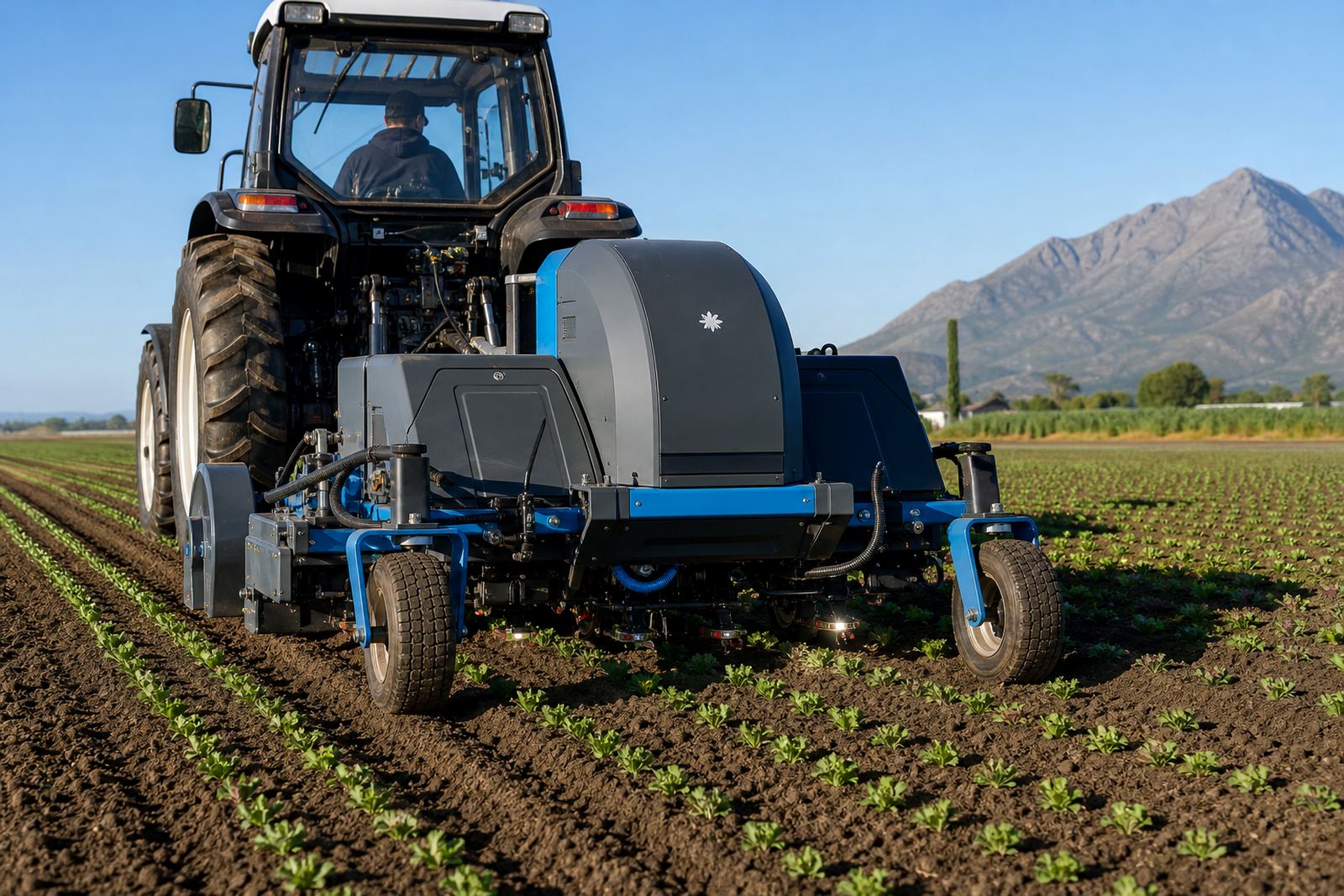
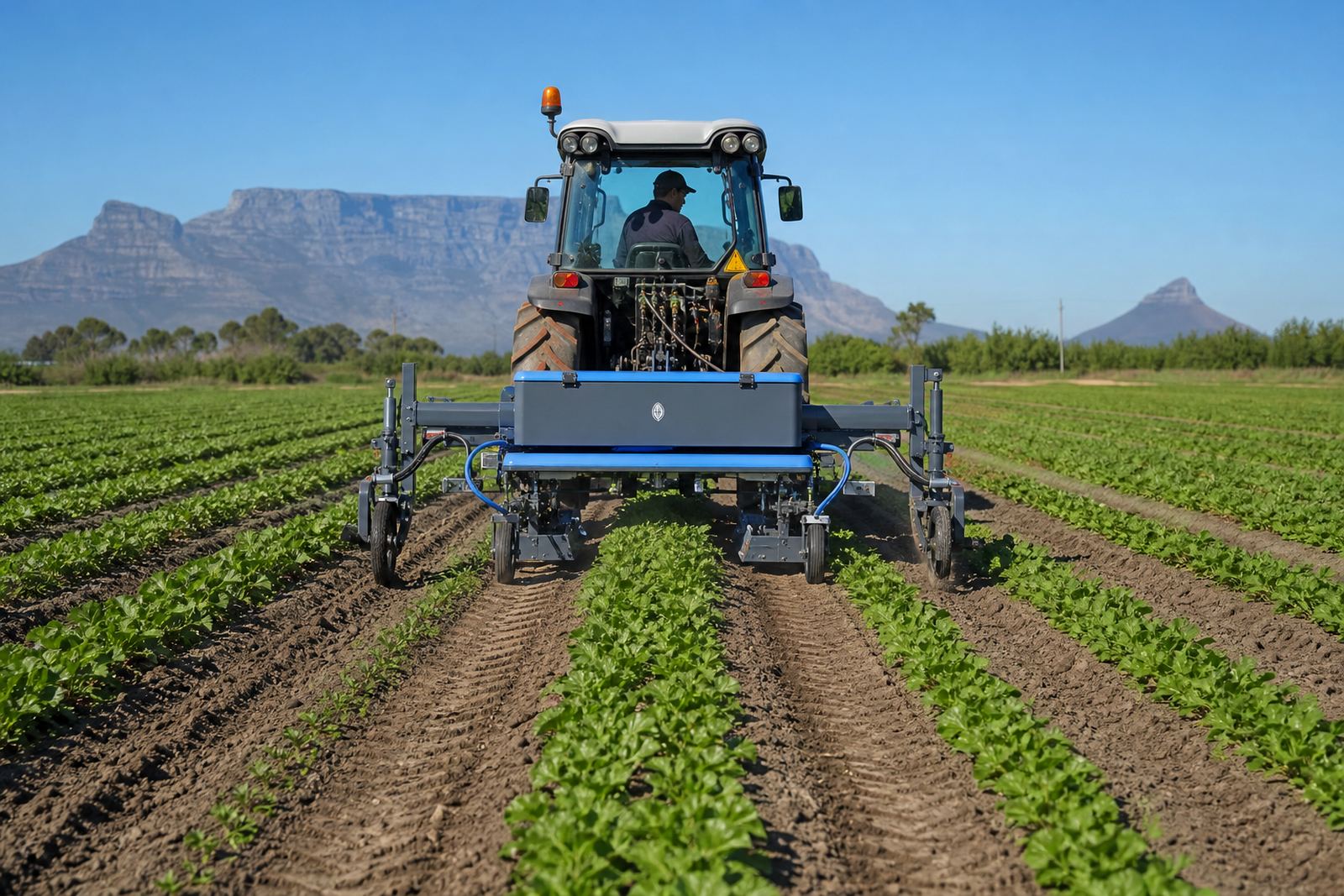
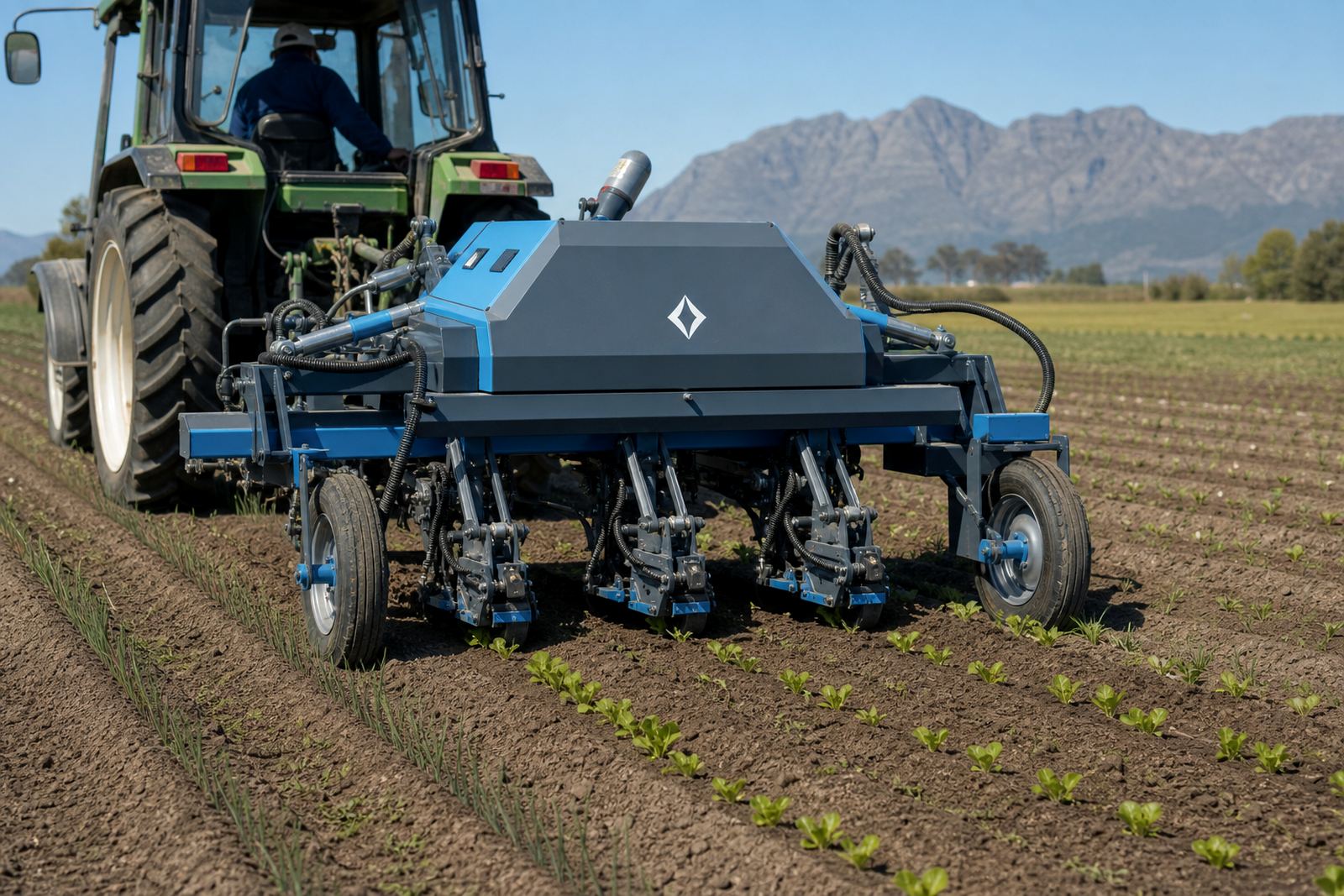
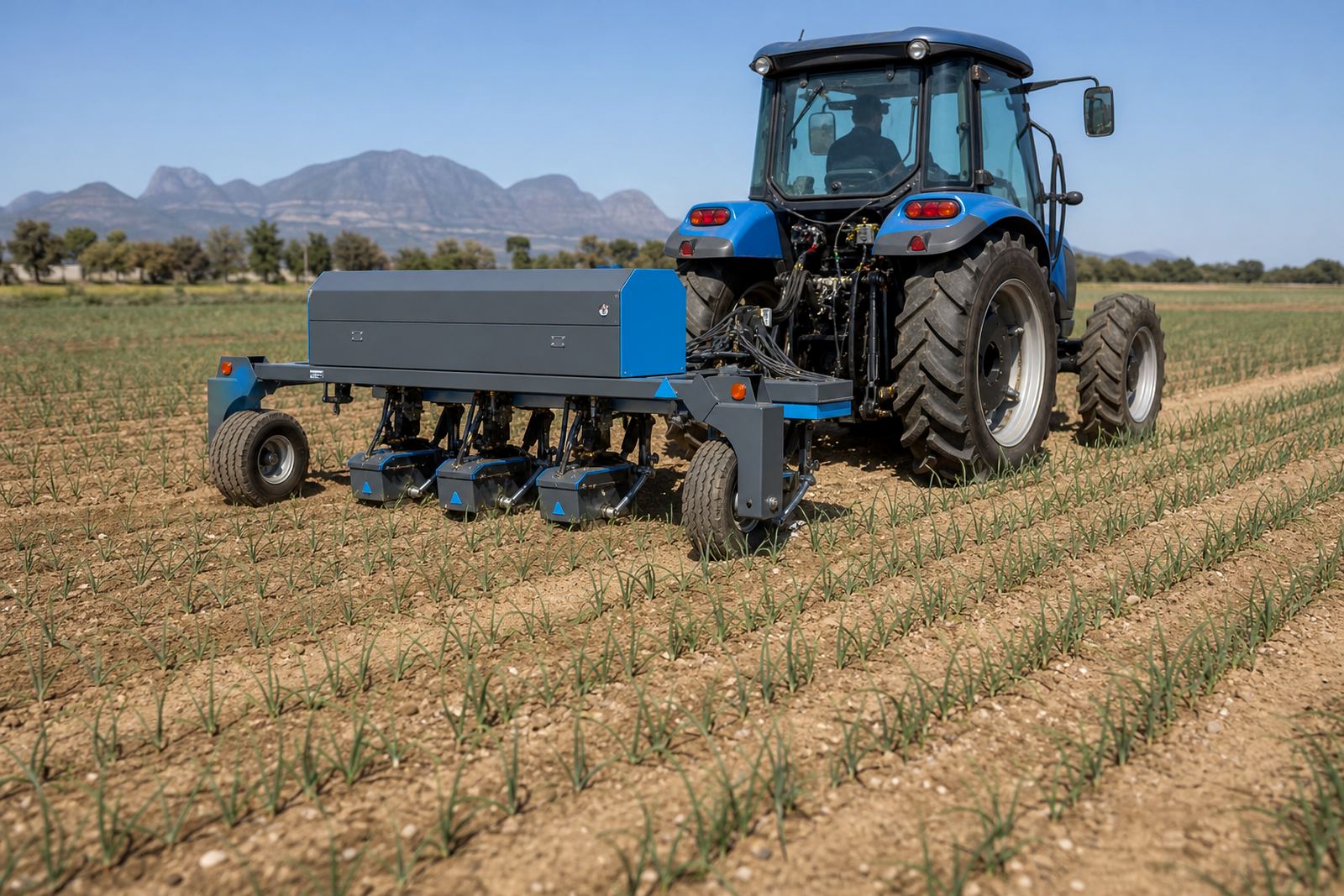
Sandy Soil Setup is the field setup package for contract laser weeding where the surface is light, shifting, and the crop rows need a firmer visual guide. It suits tractor-drawn laser units working between and close to the crop line, with the operator keeping a steady pace while the camera system follows weed growth in the row gap.
The main job is to keep the unit aligned when the soil gives way under the wheels. That means checking tyre pressure, ride height, row visibility and the best working line before the pass starts. On sandy blocks near Philippi, and also in places like Ceres or Bela-Bela, row drift can show up fast if the field has loose patches or uneven wheel tracks.
- Camera-guided weed detection for early stage weeds
- Laser targeting of weed growing points above or at the soil line
- Tractor-drawn operation with a trained field operator
- Setups for low disturbance passes in planted rows
Where it suits and where the soil asks for care
This setup suits row crops where the plants are already spaced for machine access, especially onions, carrots, lettuce and brassicas. Sandy ground is common in coastal and irrigated farming areas, and the loose top layer can move under load, so the machine needs clear row markers and a path that stays true from start to finish.
It is useful for growers who want herbicide-free weed control without working the soil more than necessary. The method fits early season blocks, established rows with visible spacing, and fields where weed pressure is light to moderate and timing is still within the window for laser targeting. When weeds are too advanced, the pass needs slower field speed and a tighter plan around the crop stage.
- Freshly prepared sandy beds with clear row spacing
- Irrigated blocks where wheel track control matters
- Fields with visible crop lines and young weeds
- Sites where cultivation would disturb the bed structure
Machine settings that matter in sand
The unit setup changes with soil firmness, moisture, row width and how well the crop stands against the background. On sand, the operator may need a slower pass, more careful steering corrections and a sharper check on camera alignment before the first working run. If the soil has dry loose patches, the wheels can sink a little and change the angle of the laser head, so the setup must account for that before the day starts.
Field speed depends on weed pressure, crop spacing and how steady the tractor sits in the row. A lighter weed flush allows a more confident run, while heavier pressure often means a slower pass and more careful attention to the plant stage. The laser works by hitting the weed growth point, so small weeds at the right stage are the best fit for this kind of work.
- Row width checked against crop planting layout
- Wheel spacing adjusted for stable tracking
- Camera angle set for clear plant and weed separation
- Pass speed matched to weed stage and soil firmness
Fitting and field preparation before the first pass
For sandy soil, fitting is less about permanent change and more about getting the machine set correctly for that block. The tractor-drawn unit must be hitched level, the camera line needs a clean view, and the operator should have enough space to turn without cutting across a loose edge. If the field is uneven, a short trial strip helps confirm whether the row line holds or drifts.
Trial strip runs are useful where the crop is young and the soil is unstable. They show how the machine sits in the bed, how the camera reads the weeds, and whether the row spacing gives enough room for consistent movement. On some farms the best result comes from a slightly narrower working approach, especially where the crop canopy has begun to close and the sand is shifting under the tyres.
- Hitch and height check before entering the block
- Trial strip run on a representative section
- Arrival site check for access, turning space and row condition
- Clear handover on crop stage and weed stage
Care after a sandy block is finished
Sand is hard on moving parts and housings, so post-pass care matters. The team clears dust from lenses, guards and link points, then checks for wear where fine grit may have worked into the machine during the run. Loose soil can also leave residue on the tyres and underframe, so a proper clean helps keep the next block accurate.
Field scheduling is easier when the condition of each block is noted after the pass. That includes how the tractor tracked, whether the row line stayed readable, and whether the next visit should be moved earlier or later in the weed cycle. Post pass reporting gives the grower a clear note on what was treated and what needs to be watched for the next visit.
- Lens and sensor surfaces cleaned after use
- Underframe checked for packed sand and grit
- Wear points inspected before the next farm move
- Post pass notes recorded for future scheduling
Details to confirm before field scheduling
Before a sandy field is booked, the important details are the crop type, row spacing, block size, weed stage and whether the surface is firm enough for steady tractor travel. The team also needs the farm location, access route, irrigation layout and any narrow turns or soft patches that could affect the pass. Multi farm programmes are easier to plan when the blocks are listed in order and the row widths are consistent.
For growers across the Western Cape, Limpopo, Mpumalanga, KwaZulu-Natal and the Free State, those notes help us plan travel and the order of visits from one area to the next. Our contact form is the quickest way to share the block details, the crop window and any special site limits. If the setup needs repeat pass planning, that can be built into the season booking and field schedule.
- Crop type and growth stage
- Row spacing and bed width
- Weed stage and block size
- Access points, turning room and sandy patches
Key facts
| Product type | Sandy Soil Setup for contract laser weeding |
|---|---|
| Use case | Loose soil blocks where tractor stability and row tracking matter |
| Working method | Camera-guided weed detection with laser targeting |
| Best crop fits | Onions, carrots, lettuce and brassicas |
| Field fit | Herbicide-free row weeding with low soil disturbance |
| Service areas | Philippi, Cape Town and farms across South Africa |