1. Is the crop at the right stage for laser weeding?
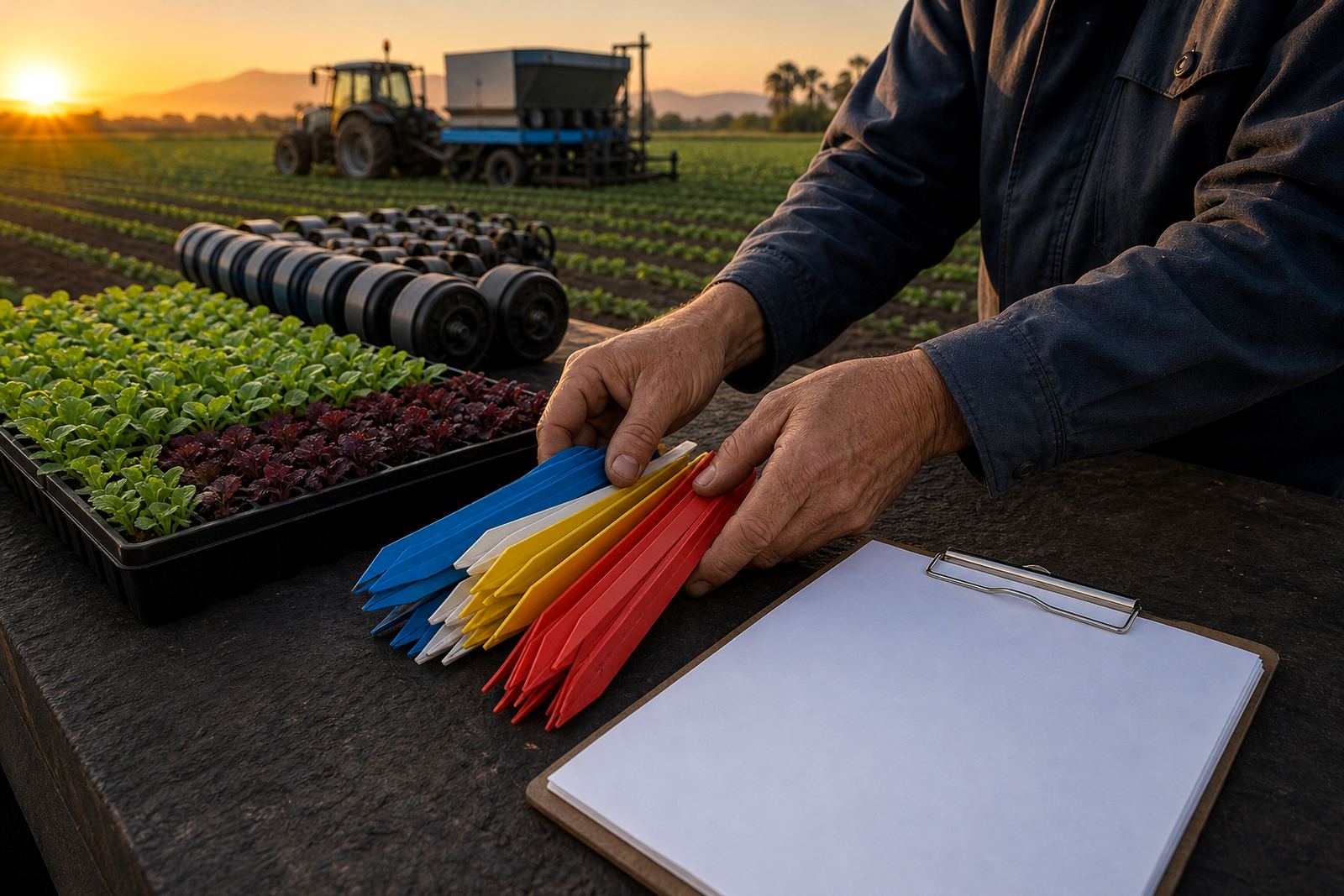
The first question is about crop stage, not just crop type. Laser weeding works best when weeds are still small and easier to target, while the crop itself is far enough along for the rows to be read cleanly by the camera system. Ask how the field will be checked for weed size, crop spacing and row definition before a booking is confirmed.
It also helps to ask whether the block has a history of mixed weed pressure, wet edges or patchy emergence. On some farms, onions and carrots need a different pass plan to lettuce or brassicas, because the canopy and row visibility change quickly. Timing is part of the job, and a field that looks ready in the morning may not suit the same plan after a week of growth.
2. What should we know about the field before the unit arrives?
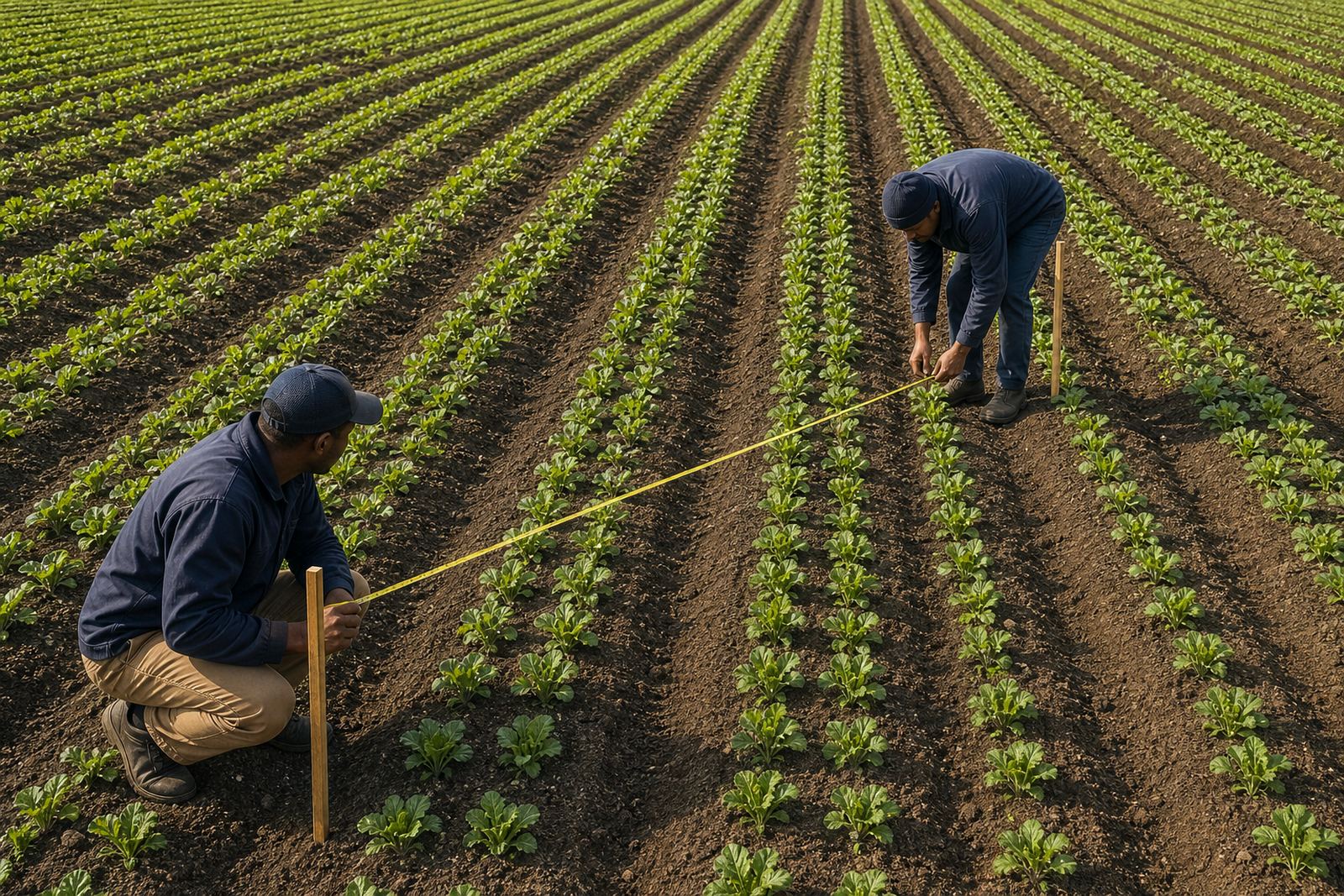
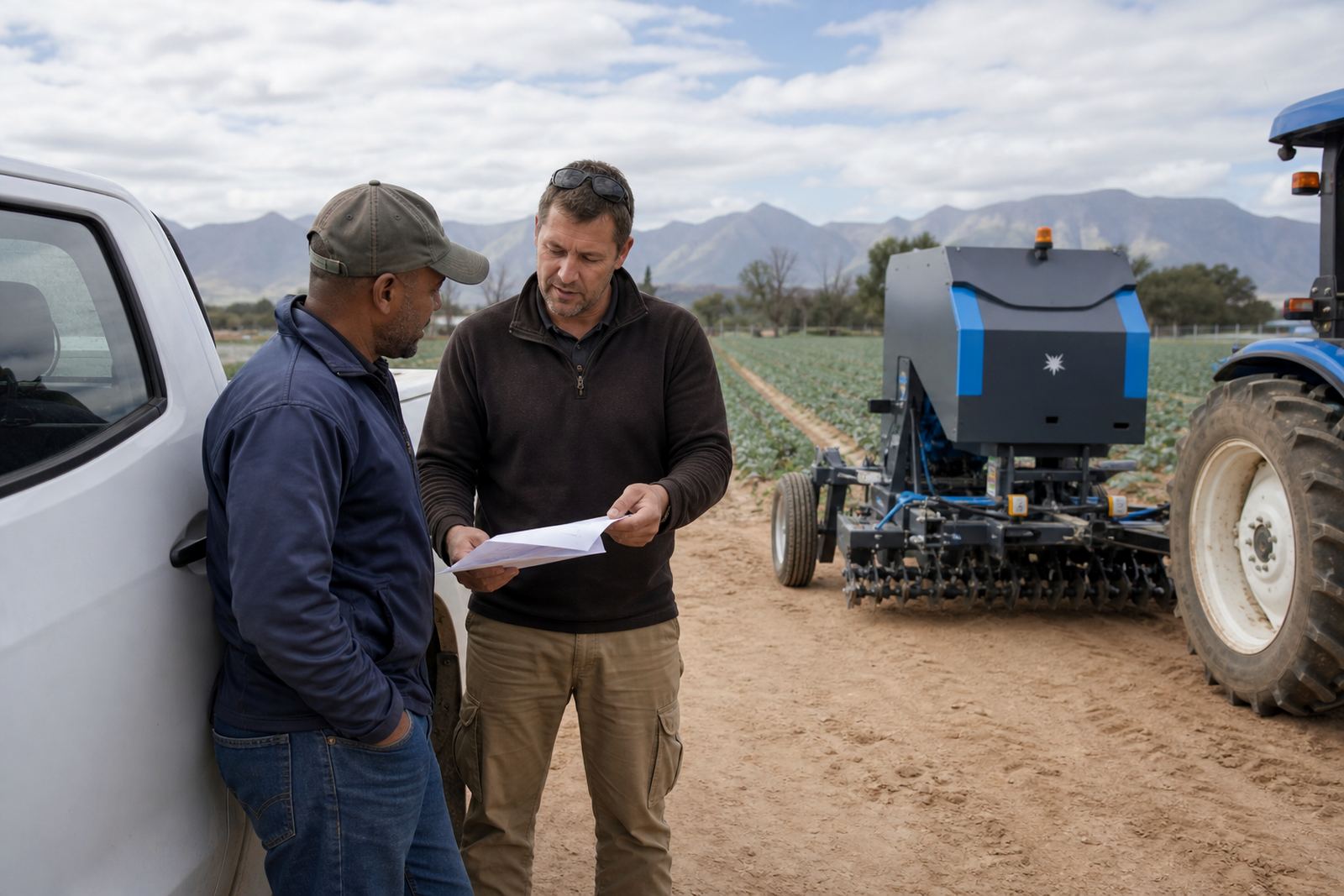
A useful booking starts with the field itself. The operator needs a practical view of row width, turning space, soil condition and access for a tractor-drawn unit. If there are soft patches, tight headlands or uneven entrances, those details should be raised early so the field schedule can be set properly.
- Row spacing and crop layout
- Field size and shape
- Access gates, tracks and turning points
- Soft ground, furrows or waterlogged sections
- Any areas with heavy weed pressure or re-growth
Growers in Philippi, Ceres, Grabouw, Tzaneen, Bela-Bela, Nelspruit, Howick and Bethlehem often work with different soil moisture patterns and wind exposure, so it is worth sharing those field notes up front. Coastal humidity near Cape Town can also change how quickly weeds move through the early stages, and that affects planning.
3. How does the tractor-drawn laser unit work in practice?
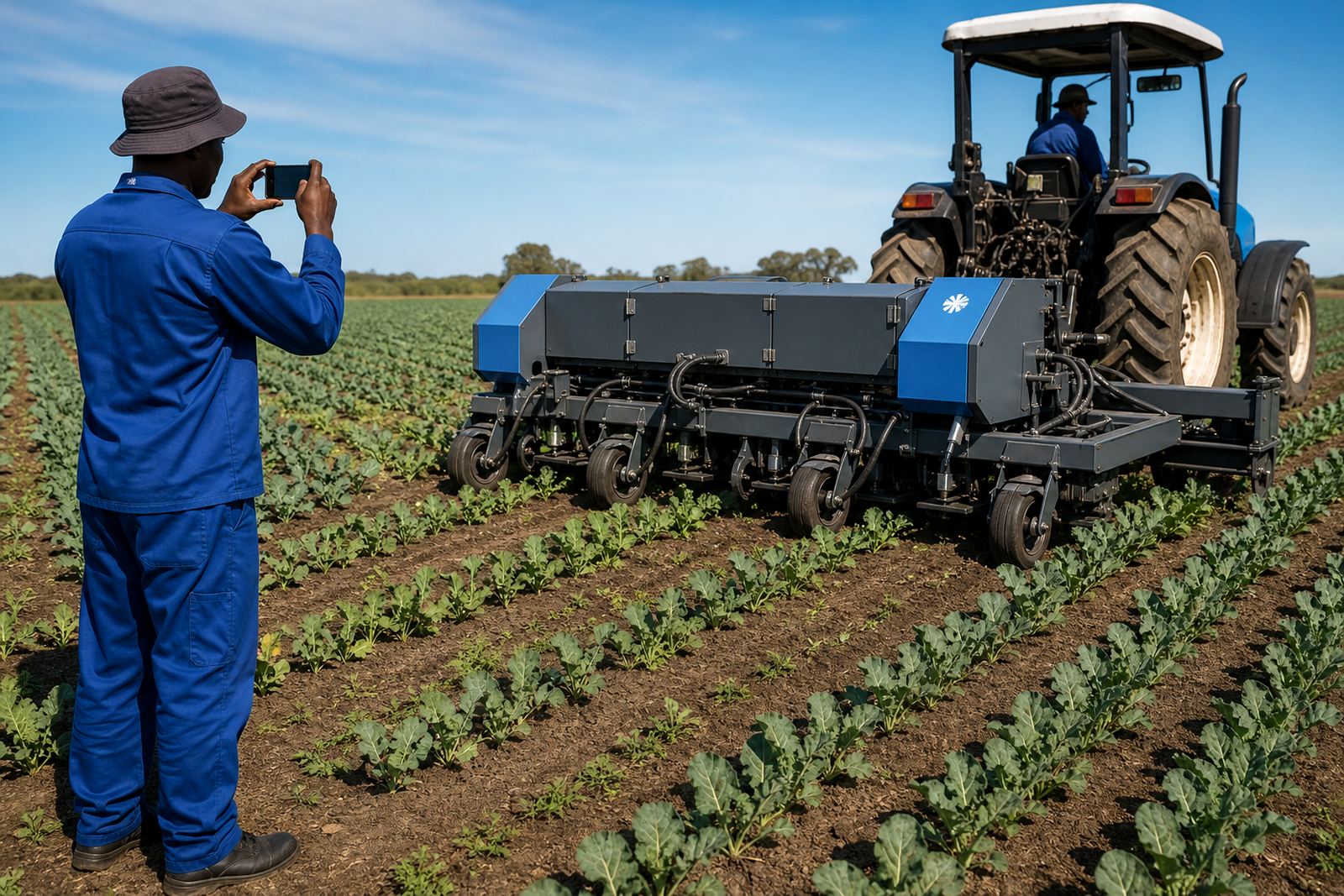
Ask how the unit identifies weeds and what the operator needs to see in the row. In general terms, camera-guided systems scan the bed, separate crop from weed growth and direct lasers at the weed growing points. The machine is drawn by a tractor and the operator manages the field pass, so the setup depends on visibility, alignment and steady movement through the block.
It is worth asking whether the crop line needs any special preparation before the pass, and whether narrow beds, double rows or irregular planting will change the way the unit is used. The question is not only about the machine, but also about how the field is read in real conditions. That is where a trained operator makes the difference between a rushed pass and a controlled one.
4. What questions should growers ask about weeds and pass timing?
Weed stage drives the whole decision. Small weeds are easier to target, while older weeds can be harder to manage in one pass. Ask how the team decides when to enter a block, whether the plan is based on weed flushes, and what happens if the field is not yet at the right stage.
- Which weed stages are visible now
- Whether the block needs a first pass or a repeat pass
- If the crop will tolerate another visit later in the season
- Whether the schedule should be tied to rainfall or irrigation cycles
- How field speed changes when weed pressure is heavier
Field speed is not fixed. A lighter block may allow a smoother pace, while dense weed patches often require slower travel and more careful reading of the row. That is one reason growers should ask for crop timing plans rather than booking on a date alone.
5. What takes place on the day we come to the field?
Day-of questions should focus on access, checks and the order of work. A solid plan normally includes arrival site checks, a quick look at the block and confirmation that the machine can move through the rows without disturbing the soil. Laser weeding is herbicide-free and avoids soil disturbance, so the ground conditions and row profile still need attention.
Ask whether the operator will make a trial strip run before the main pass, especially on a first visit to a new farm. That short strip can show how the unit reads the crop, how weeds sit in the bed and whether any section needs a different approach. It also gives the grower a clear view of how the pass is being set up.
6. How do repeat passes and season bookings work?
Many vegetable blocks need more than one visit across a season. Ask whether the plan allows for repeat pass planning, especially where new weed flushes are expected after irrigation or rain. If a farm has several blocks in different growth stages, a multi farm programme may suit the calendar better than a single booking.
Good questions here include whether the same operator will handle the field, how travel is coordinated between areas, and how the schedule changes if one block dries out faster than another. For growers in the Western Cape, Limpopo, Mpumalanga, KwaZulu-Natal and the Free State, distance matters, but so does matching the right block to the right pass window.
7. What reporting should the grower expect after the pass?
After the field work, ask what notes are captured and how they are shared. Post pass reporting should cover the block worked, any sections that needed slower movement, and whether another visit should be considered. This is useful when a farm is balancing labour, harvest dates and weed pressure across several crops.
It also helps to ask who is the main contact for day-to-day coordination. On a contract service, the practical answers usually move through the grower liaison and the field scheduling lead, while the operator and workshop team handle the machine side. Clear roles keep the booking organised when weather or field conditions shift.