When the planting calendar is split across blocks
Most vegetable farms do not plant one clean block and wait for the rest of the season to sort itself out. Onions may go in one week, carrots the next, then lettuce or brassicas after a gap for irrigation, labour or market timing. That pattern matters because laser weeding works best when the crop row is readable, the weeds are still at a treatable stage and the field can be worked without rushing the operator between very different blocks.
Where sowing is staggered, we map each planting date against likely weed flushes and crop development. A bed planted ten days later is not just a later job, it may carry a different weed mix, different row visibility and a different pass speed. The schedule has to hold that detail or a farm ends up with too many fields asking for the same tractor at the same time.
How crop stage changes the window
Laser weeding is not planned only by crop name. Seedling size, row spacing and the stage of the weeds decide when a field is ready for a pass. A young onion block with clear rows can often be entered earlier than a thicker canopy crop, while carrots and lettuce call for close attention to seedling height and row definition. Brassicas may close over faster and narrow the working window if the timing slips.
We look at what is visible above ground, what is still small enough to target, and where the crop itself needs extra space. The laser unit uses camera-guided detection to find weeds and direct energy at the growing point, so the row shape and the weed height both matter. If the weeds have gone too far, the window changes and the plan has to shift with it.
- Newly emerged weeds are easier to target than older, tougher growth
- Crop rows must stay visible enough for stable machine guidance
- Drying winds, rain or irrigation can change the field’s readiness
- Different blocks on the same farm may need different pass orders
Building a farm plan from staggered sowing dates
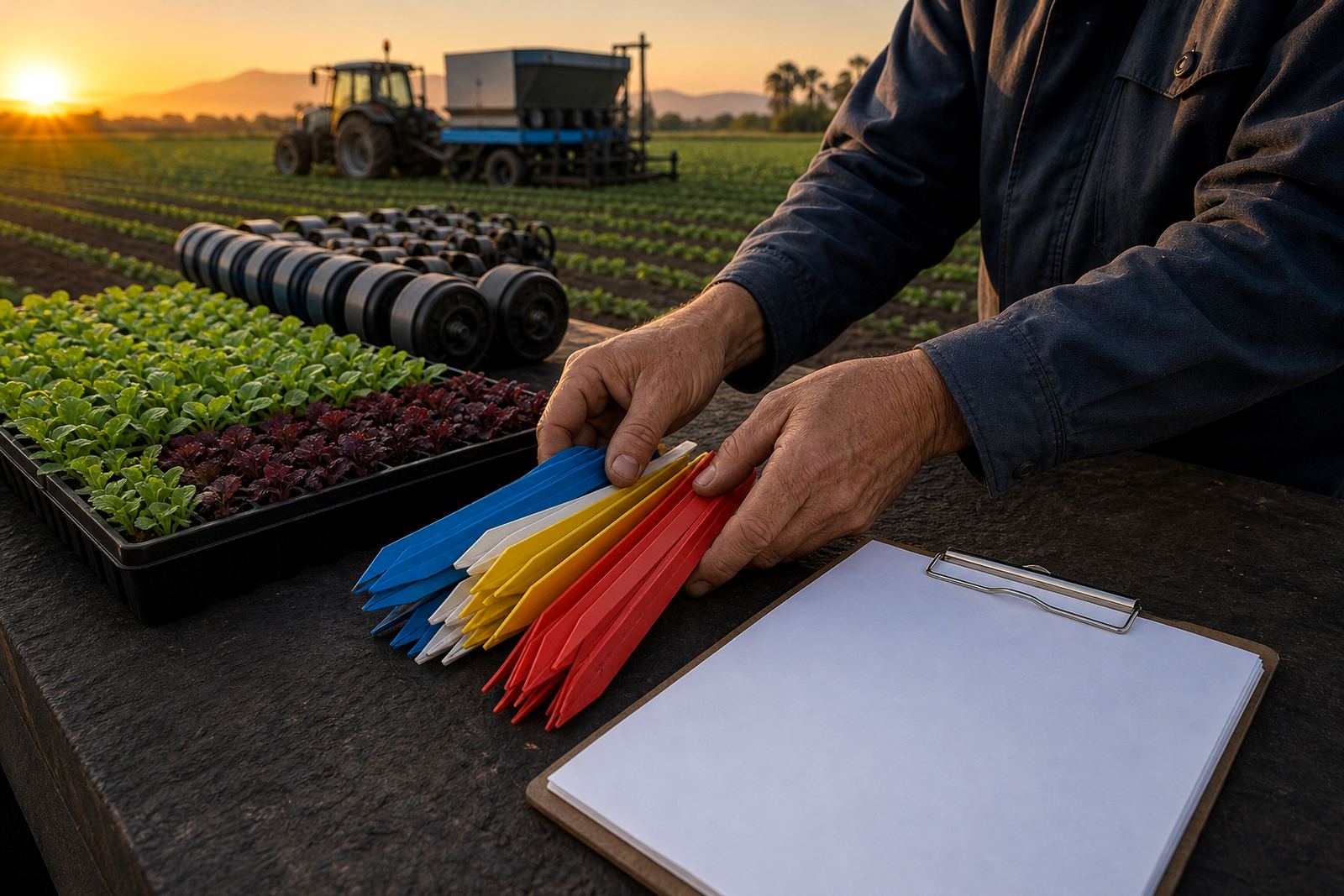
For growers with several planting dates, a useful plan starts with a simple field register. Each block needs the crop type, sowing or transplant date, row spacing, irrigation note and the expected weed pressure. That gives us a working map for field scheduling, travel coordination and operator planning across Philippi, Ceres, Grabouw, Tzaneen, Bela-Bela, Nelspruit, Howick and Bethlehem.
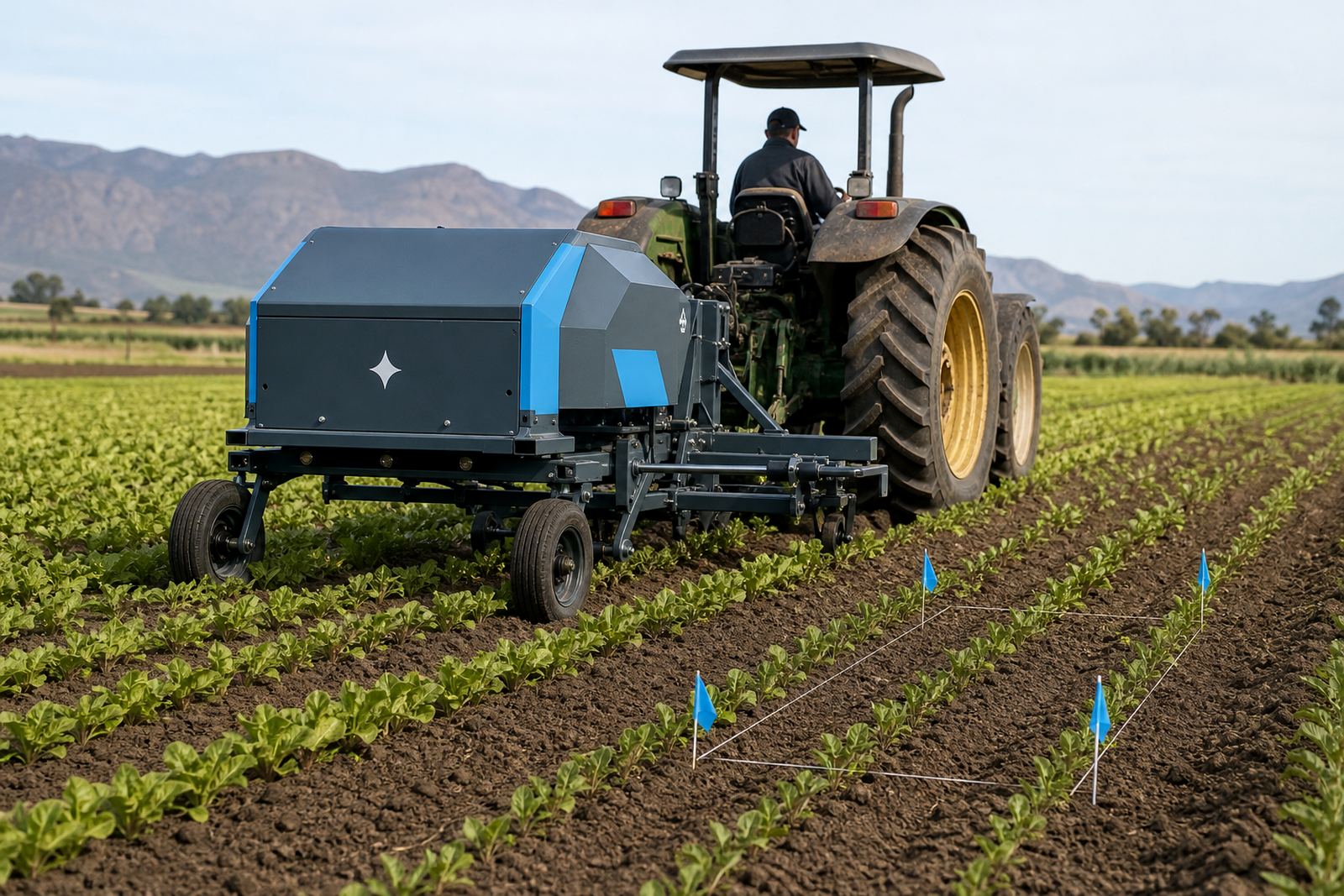
From there we group fields by readiness rather than by province or distance alone. A tractor-drawn laser weeding unit is most efficient when several nearby blocks can be done in a sensible order. If one farm has onions ready and carrots still too small, the better move may be to do an arrival site check, then hold the carrot block for a later pass while the onion block is worked first.
- List each field by block name, crop and planting date
- Note which crops were transplanted and which were direct sown
- Record irrigation events that may affect soil moisture and access
- Mark fields with heavier weed pressure for closer monitoring
What weed pressure does to field speed
Field speed changes with weed pressure, crop spacing and the amount of time since emergence. A light flush in an even row block may allow a steadier pace, while dense weed patches need slower working lines and tighter attention around the crop plants. That is one reason repeat pass planning matters on commercial vegetable farms, especially where sowing dates are spread out across several weeks.
We do not treat every block as if it is identical. A field that was planted first may need a different return window from one planted later, because the first block might carry a thicker second flush while the later block is still in its earliest stage. The right schedule avoids forcing one speed across the whole farm, which is usually where crop stress and missed weeds start to show.
Keeping operator time and travel in the right order
When scheduling stretches across several towns, travel coordination becomes part of the crop plan. The operator, field scheduling lead and grower liaison work off the same field list so the day is not built on guesswork. If a farm near Grabouw has a short workable window and another block in Philippi is ready the following morning, the route has to reflect that rather than the other way round.
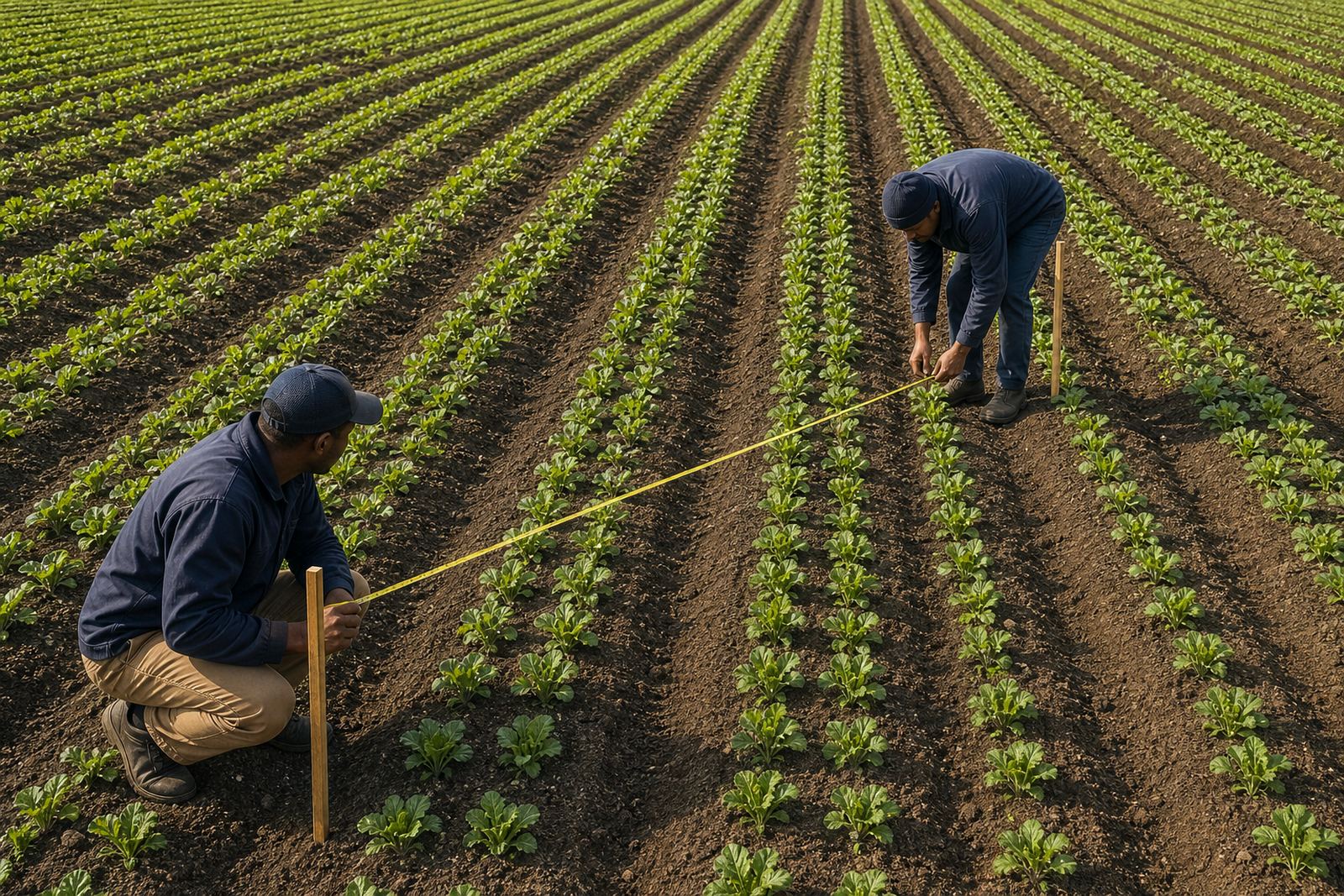
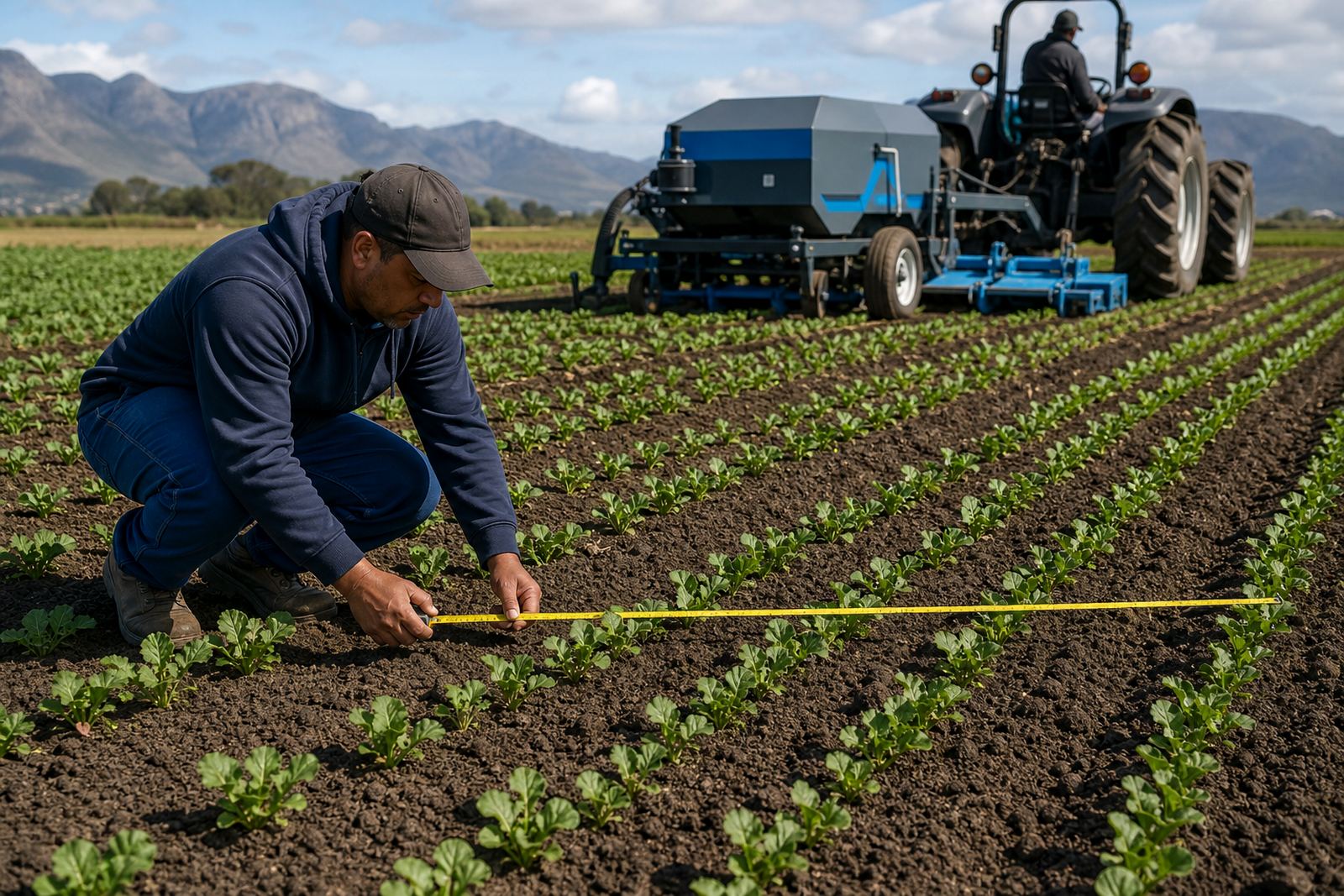
We also use trial strip runs where a grower wants to test the fit of the timing before committing a larger programme. That helps with row conditions, weed stage and how the tractor sits in the field. For farms with mixed planting dates, a trial strip can show which block should go first and which one should wait for a later pass.
- Keep one contact person for block changes and access notes
- Confirm gate access, turning space and field entry points
- Share any transplant blocks that sit behind younger direct-sown crops
- Flag wet corners, wheel tracks or awkward headlands before arrival
Checks before a staggered planting block is booked in
A staggered planting block is easier to schedule when the farm sends the same kind of detail each time. The crop list, planting dates and field map need to stay current, especially where beds are opened in phases. If the farm uses multiple sites, one block in Limpopo may be ready while another in the Free State is still too early, so the programme should be split rather than forced into one round.
Our contact form is the best place to send the block details, the crop mix and any timing notes that affect the field plan. From there, the booking can be aligned to the likely weed stage, the crop size and the tractor route. That keeps the work tied to the field instead of the calendar alone.
- Crop name and row spacing for each block
- Planting or transplant date for each field
- Known weed pressure or a short field note
- Access notes for the site and any shared farm roads
When a season needs more than one pass
Some farms want one pass per block, others need repeat pass planning across the season. Staggered sowing often creates this need because younger plantings are still entering the critical stage while older blocks are already moving on. The result is a programme that has to be checked field by field, not treated as a single booking across the whole farm.
Post pass reporting helps the grower keep track of what was done, where the gaps were and which block should be watched next. For multi farm programmes, that record matters even more. It gives a cleaner view of the season, especially where weather shifts, irrigation intervals and planting dates all pull the schedule in different directions.
Laser weeding does not remove the need for timing discipline. It rewards farms that know their planting sequence and keep their blocks organised. When that happens, the work can be set around the crop rather than making the crop fit the work.