Start at the row centres, not the bed edges
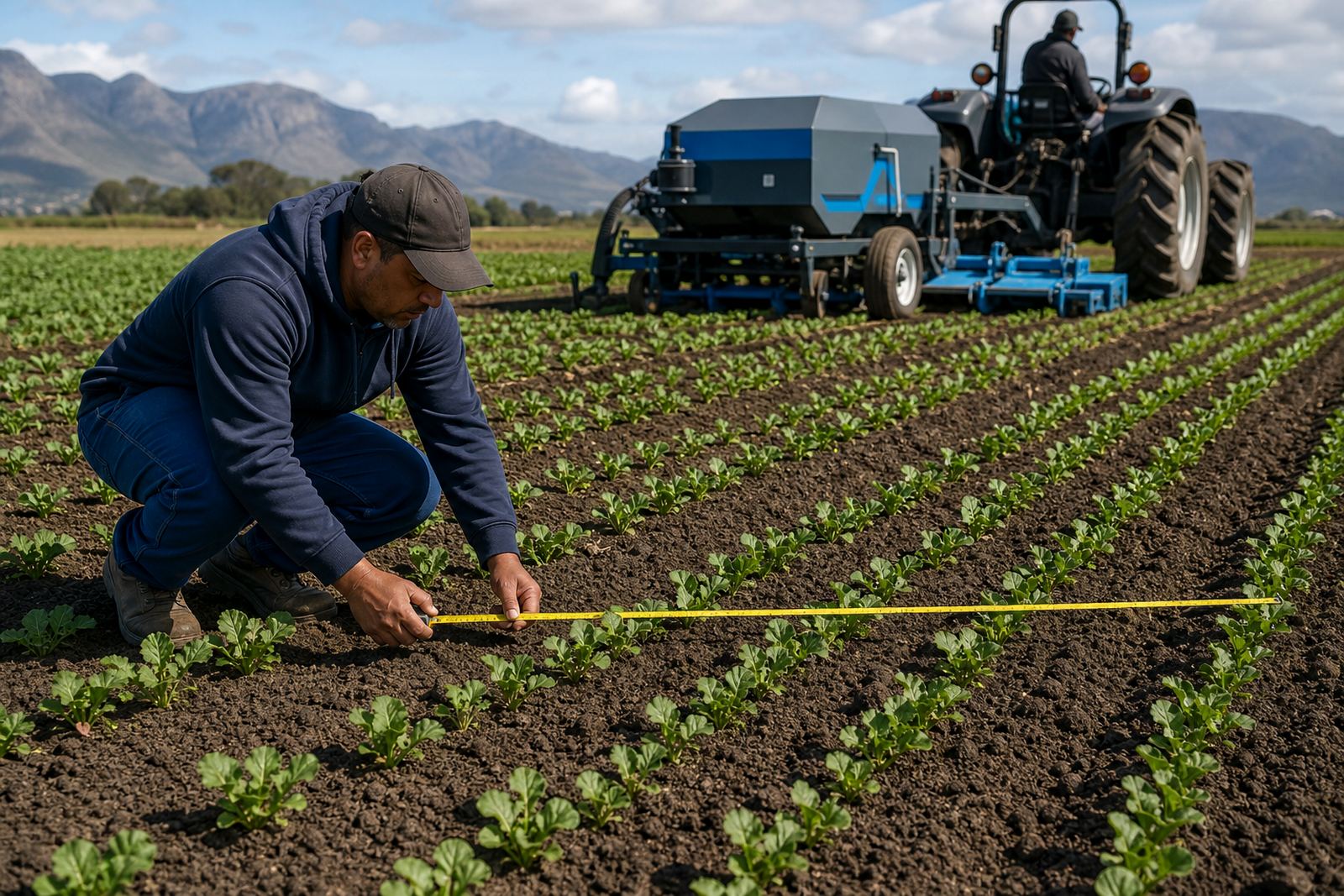
Row spacing is measured from the centre of one crop row to the centre of the next. That matters because bed shoulders, seed lines and irrigation marks can all make a block look wider or tighter than it really is. For onions, carrots, lettuce and brassicas, the centre line gives a far better working picture than the outer edge of the bed.
Walk a few parts of the block, not just the headland. Beds can open out near gates or narrow after repairs, and a measurement from one corner does not always match the rest of the field. If the crop is already up, use the plant line as your guide and keep the tape level with the row, not pulled across ridges at an angle.
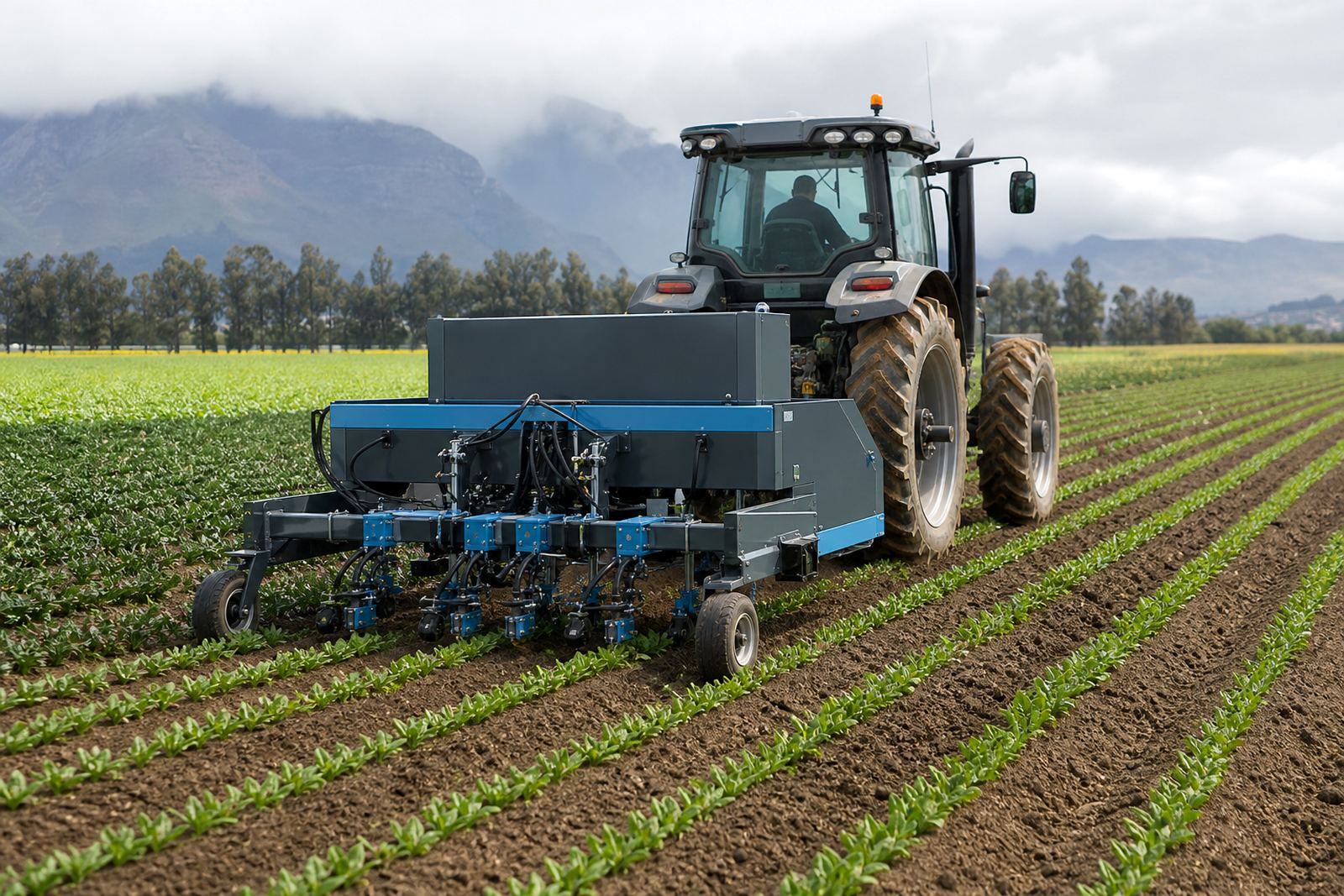
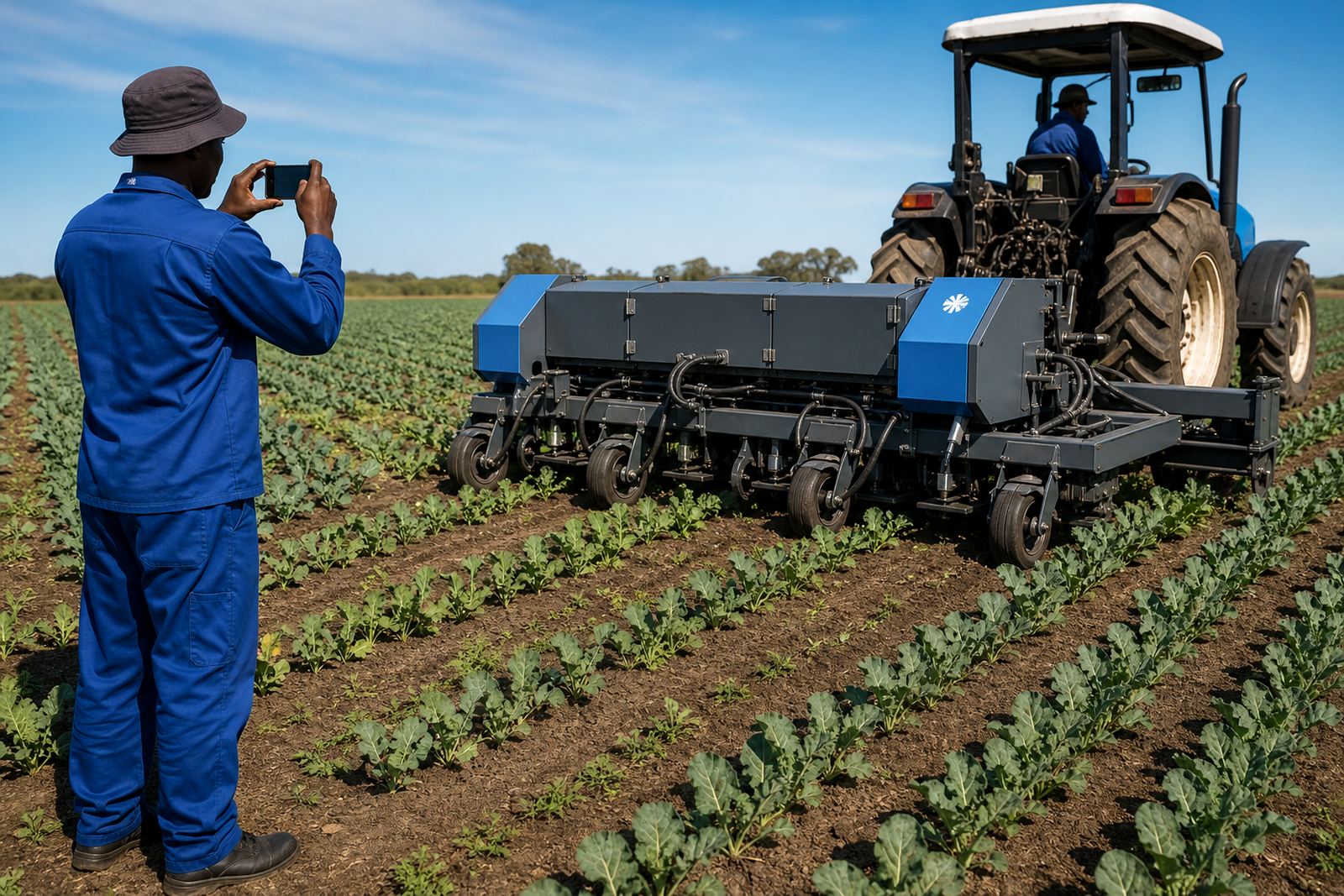
On a tractor-drawn laser unit, small differences in row spacing can affect travel line, wheel clearance and how the operator sets the pass. That is why we look for the average spacing over the block, plus any sections that need slower work or a different entry point.
Tools that keep the measurement honest
You do not need a full survey kit for a useful measurement. A steel tape, marked rope or measuring wheel can do the job if the row line is straight. For longer blocks, a second person helps keep the tape flat and avoids pulling it over clods, drip lines or loose soil.
- Measure at least three sections in the block.
- Check both the main run and the awkward corners.
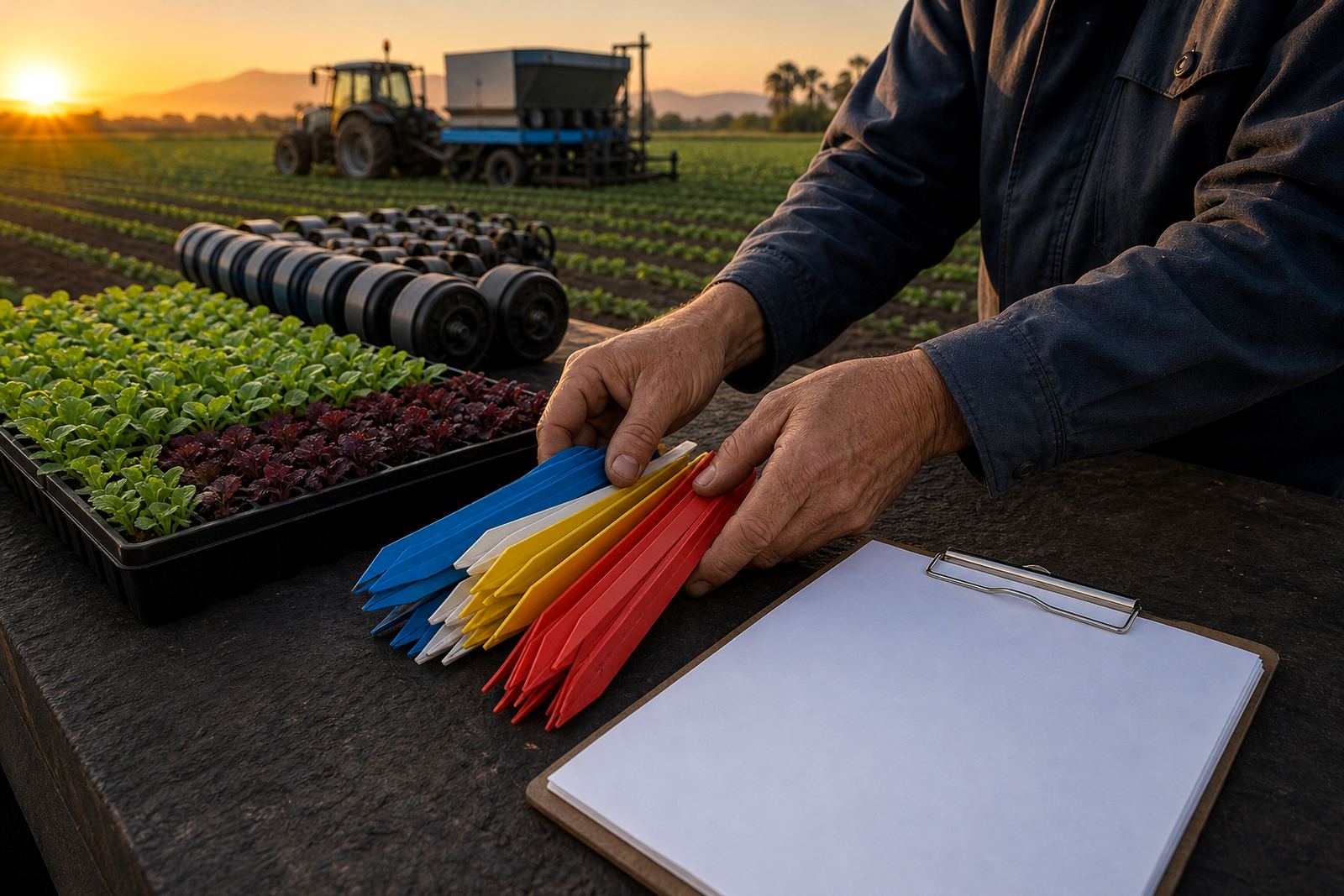
- Record the crop type and planting date alongside the spacing.
- Note where rows bend, split or disappear under soil movement.
- Mark any patch where the tape had to skip around obstacles.
If the field has windy edges or a slope, take care with the tape line. A loose tape can give a wider reading than the true centre-to-centre distance. It helps to use the same method across the whole block so the figures stay comparable when planning field scheduling and operator work.
Spacing patterns that suit laser weeding
Laser weeding is generally used on row crops where the crop line is clear enough for camera-guided detection to separate plant from weed. Even so, spacing still needs to be checked against crop stage and weed pressure. Tighter rows can limit tractor movement, while wider rows may leave more room for weed growth between passes.
On many vegetable blocks, the row spacing also tells us how stable the crop line will be at the time of service. Young onions and carrots often need careful timing because the crop is still small and weeds can be close to the growing point. Brassicas and lettuce may need a different pass plan if the canopy is already spreading across the inter-row area.
We look at spacing as part of the field picture, not in isolation. A block with even rows and light weed pressure is easier to plan than one with broken lines, wet patches or mixed spacing from previous work. Timing, stage and spacing all sit together.
What to note before a field assessment
A useful field note does not need much detail, but it should be clear. We use the spacing figure alongside crop type, block size, access points and any areas that have already been cultivated. That gives us a better base for crop timing plans and trial strip runs where needed.
- Crop name and approximate growth stage.
- Measured row spacing in millimetres or centimetres.
- Whether the rows are straight, curved or partly blocked.
- Any wet, stony or compacted patches.
- Headland width and turning room for the tractor.
- Weed stage, especially where weeds are already past the early cotyledon stage.
A block with narrow headlands or sharp turns may need different scheduling from a long open run, even if the row spacing is the same. We also check whether a multi farm programme needs the same setup across several sites or whether each block needs its own pass plan.
Why weed stage matters as much as the tape
Row spacing helps with access, but weed stage decides how the laser work is timed. Small weeds are easier to target because the growing point is still exposed and the crop is easier to read between the rows. Once weeds get larger, they can crowd the row or sit close to the crop plant, which changes how the pass is planned.
That is also why repeat pass planning matters. A field measured in the morning can look very different after a warm week or a rain break. If the weed flush is uneven, a field may need a lighter first pass and a follow-up later, rather than a single rushed run.
For growers in Philippi, Ceres, Grabouw, Tzaneen, Bela-Bela, Nelspruit, Howick and Bethlehem, spacing notes help with travel coordination too. A clear block list makes it easier to plan which farms fit together in one run and which blocks need their own window.
A short field checklist for growers and block managers
Before a service visit, it helps to walk the block with the same eye each time. The aim is not perfection, just enough detail for practical planning. A neat row measurement and a few field notes save time on the day and reduce confusion at the gate.
- Confirm the crop and the planting pattern.
- Measure row spacing in several places.
- Check for missing plants, broken lines or reshaped beds.
- Note weed pressure by section, not only by field.
- Look at access for the tractor-drawn unit and operator.
- Record any sections that need post pass reporting later.
When the spacing is clear, our team can set the work around the crop instead of guessing at it. The same block may need a different approach after rain, after a cultivation pass or once the canopy closes in.
How the spacing note fits the service plan
Once the spacing is known, it supports the rest of the service plan. Field assessments, operator supplied work, field scheduling and arrival site checks all depend on the block being understood properly. That includes the little things, such as whether the rows stay true through the middle of the field or drift out near the edges.
Mandla Adonis leads the business from our Philippi, Cape Town base, with Anele Khoza on operations, Pieter Mokoena on field scheduling, Zanele Naidoo on grower liaison, Johan Daniels as lead operator, Lerato Letsoalo on service coordination and Ruan Mkhabela in the workshop. The team works across vegetable farms in the Western Cape, Limpopo, Mpumalanga, KwaZulu-Natal and the Free State.
If you are sending block details through our contact form, include the crop, spacing and field shape. That gives us a cleaner starting point for laser weeding planning, especially where several farms need to sit into one season booking or a wider multi farm programme.