What Sets the Pace in a Laser Weeding Pass
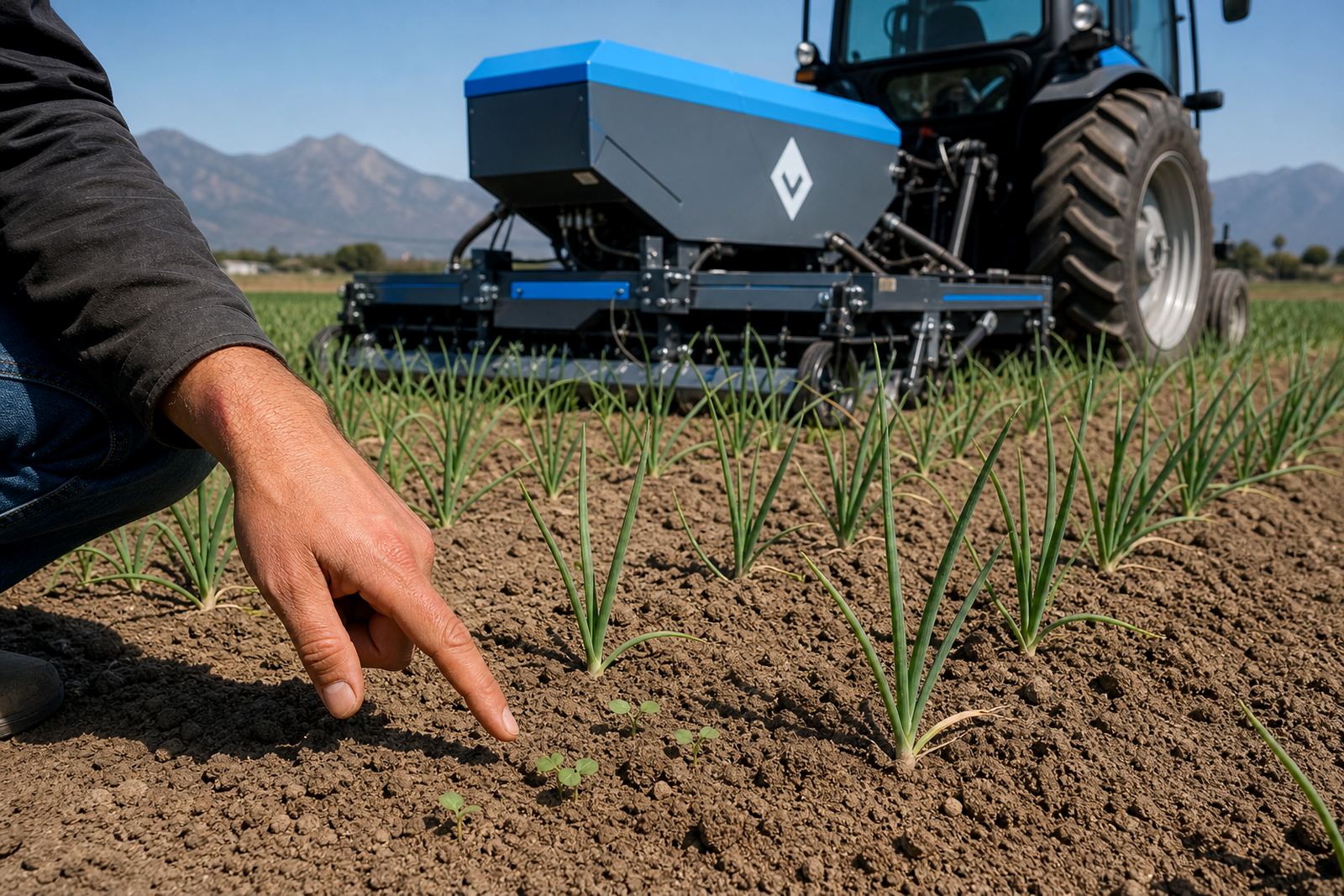
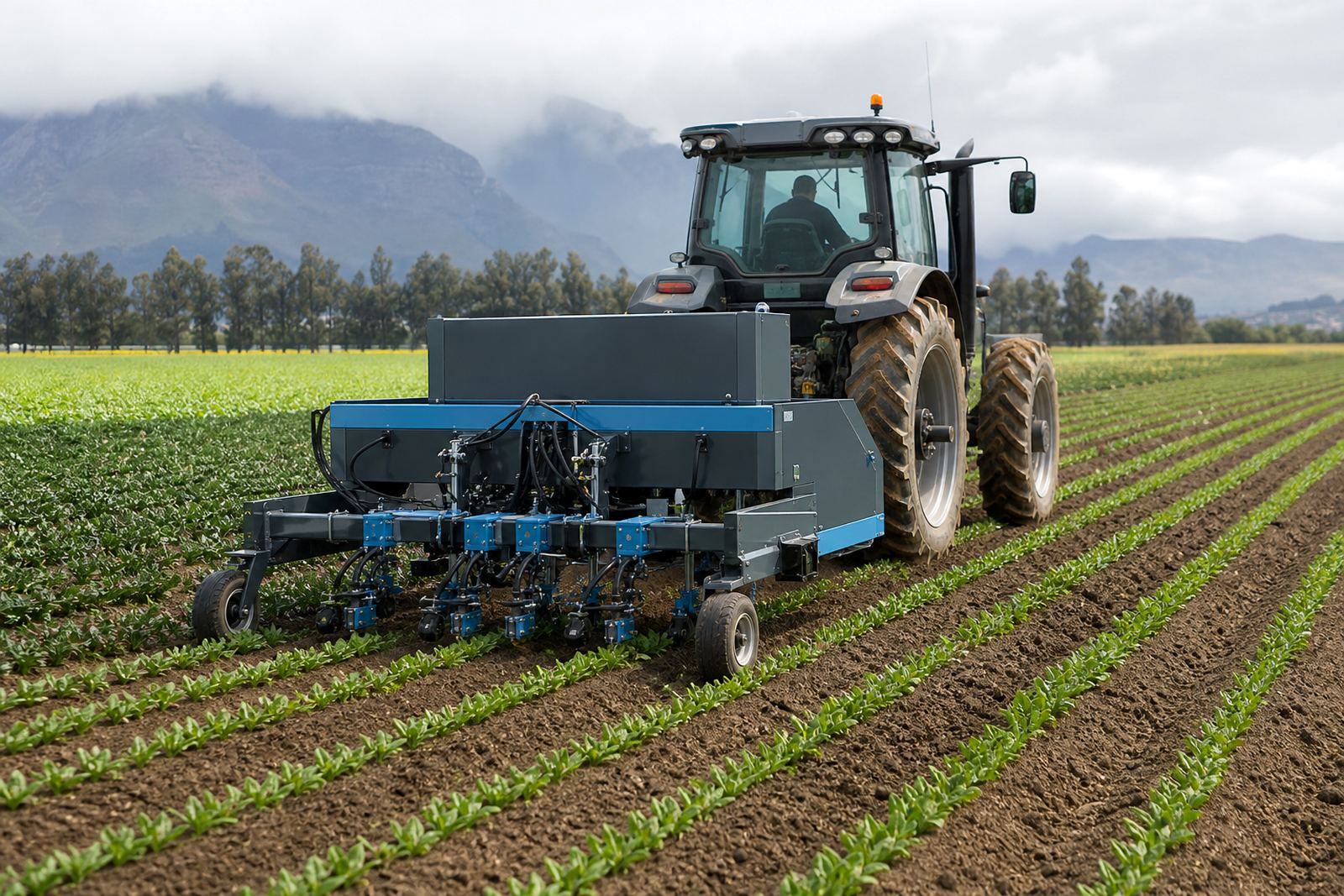
Laser weeding works best when the target weeds are still small and easy to distinguish from the crop. A camera-guided unit scans the row, identifies the weed growing points, then directs laser energy at those points while the tractor moves through the block. When weeds are young and evenly distributed, the unit can cover more ground. When weed pressure is heavy or the crop is in a tight stage, the operator slows the pass to keep treatment focused around each plant.
Row crops such as onions, carrots, lettuce and brassicas are common candidates because the row layout gives the system a clear path to work with. The speed of travel is only one part of the story, though. Plant spacing, bed shape, row width and the amount of leaf cover all change how much can be treated in a day.
The Field Conditions That Change Daily Coverage
Weather and ground condition matter more than many growers expect. Soft ground after rain can limit tractor movement and make turning on headlands slower. Dusty conditions can also call for more care around camera visibility and operator checks. In coastal areas, humidity and early morning dew can affect the first pass of the day, while inland blocks often dry faster and open sooner.
Field layout also shapes daily coverage. Blocks with narrow access, tight corners or long travel between sections take more time than a clean rectangular field. If several farms sit in one programme, travel coordination becomes part of the work rate too. A well planned route saves time without rushing the actual treatment.
- Soil firmness and moisture
- Weed size and density
- Crop growth stage and canopy cover
- Row spacing and bed uniformity
- Headlands, gates and turning space
- Travel between blocks and farm access
Why Weed Stage Matters More Than Weed Count Alone
Two fields can look similar from a distance and still need very different working speeds. A lighter weed count with larger, tougher weeds can be slower than a denser stand of tiny seedlings. Laser weeding depends on timing because the system targets the parts of the weed that drive regrowth. Once weeds are bigger, the operator may need to reduce speed so the cameras hold each target clearly and the laser action stays accurate.
That is why crop timing plans matter. A field assessment helps place the first pass at the right stage, then repeat pass planning keeps later work aligned with the crop window. If the first pass happens too late, daily coverage drops. If it happens at the right stage, the tractor can keep a steadier pace across more of the block.
How Operator Work Shapes the Day
Laser weeding is not a set-and-forget job. The operator watches row alignment, crop spacing and weed pattern while the unit runs. If the crop stand is uneven, the machine may need more careful steering and more frequent checks. That is normal on real farms, especially where transplanting or germination has not been perfectly even.
Operator supplied service makes a difference because the person in the cab is also managing field judgement. They look at the crop, the weeds and the machine flow together. A skilled operator can keep the tractor moving at a sensible pace, but never at the cost of treating the wrong plant. That balance is what keeps work rates practical rather than theoretical.
- Check row centre before the first run
- Confirm crop stage and weed stage together
- Watch for missing plants or uneven emergence
- Slow for tight blocks and awkward turns
- Adjust speed when weed pressure changes
Planning a Pass So the Farm Does Not Lose Time
A good schedule starts before the tractor arrives. Field assessments help identify which blocks are ready, which need a short delay, and which should move first. That planning matters on vegetable farms where harvest, irrigation and labour all have to share the same space. When a programme covers more than one farm, travel coordination and arrival site checks help the day stay orderly.
Growers often ask for multi farm programmes when several blocks need to be covered through the season. In that setup, work rates are worked into the route plan rather than treated as a guess. Trial strip runs can show how the crop and weed mix behaves on that field, then the follow-up schedule can be matched to that pattern. It is a cleaner way to plan than assuming every block will run at the same pace.
What to Watch After the Pass
Post pass reporting is part of making the next visit more useful. A grower needs to know where weed pressure was heavier, which rows slowed the team down, and where spacing or crop stage changed the flow. That note is not about paperwork for its own sake. It is about shaping the next block so the field crew is not surprised by the same patch twice.
Repeat pass planning usually works better when the first pass notes are kept close to the crop calendar. If a field is moving quickly through a growth stage, the next visit may need a different pace from the first. If weed flushes are uneven, the schedule can be split by block rather than pushed into one long run. That keeps the work practical for growers in Philippi, Ceres, Grabouw, Tzaneen, Bela-Bela, Nelspruit, Howick and Bethlehem.
A Straightforward Checklist for Growers
Before a laser weeding programme starts, it helps to walk the field with the operator or grower liaison and look at the same practical points. The aim is not to overcomplicate the visit. It is to match the machine to the crop stage and the block layout, so field speed is based on real conditions instead of hopeful estimates.
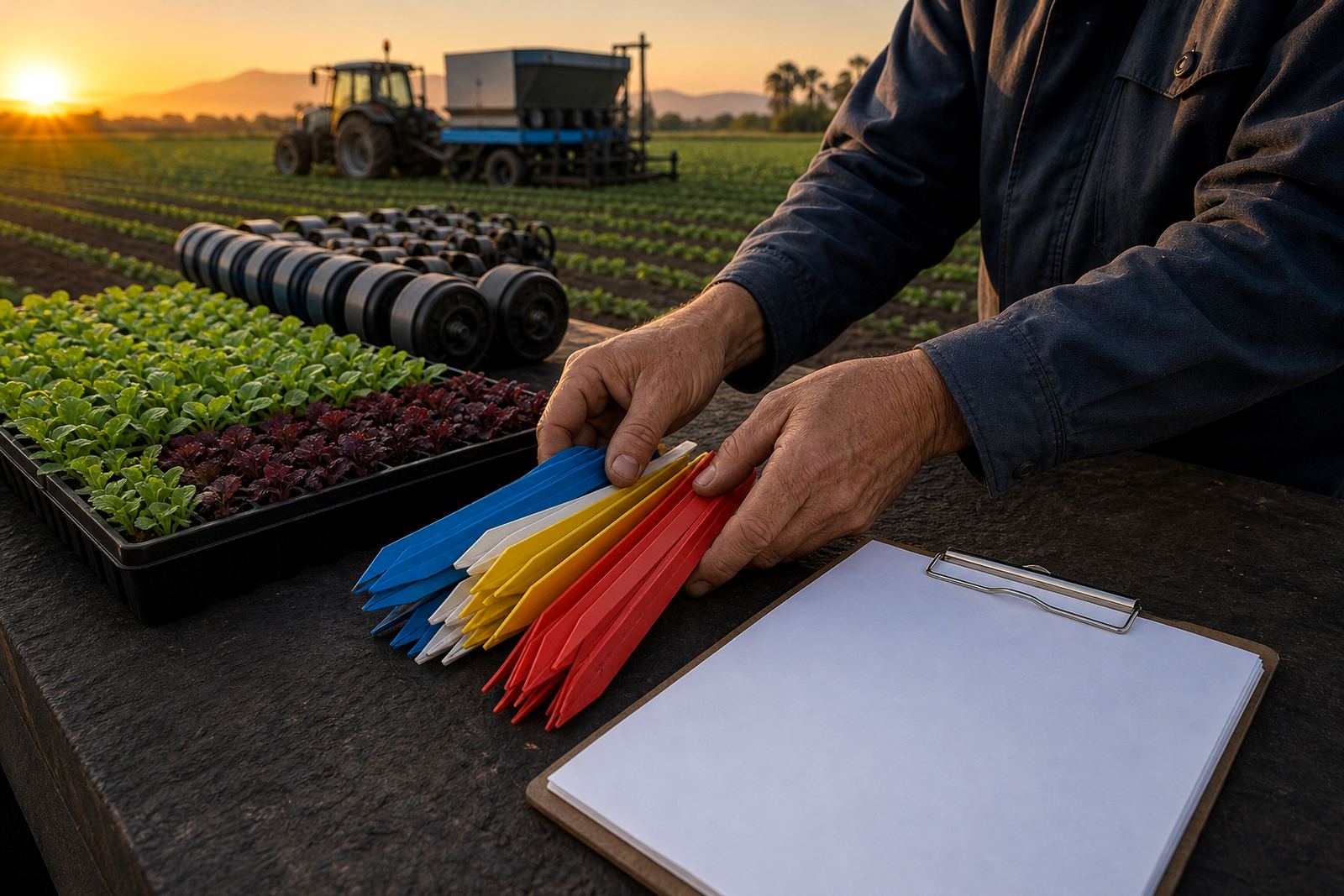
- Confirm crop type, row spacing and block size
- Note the weed stage in each section
- Mark wet patches, rough turns and access points
- Set the first pass around crop timing, not guesswork
- Plan follow-up passes for the next growth window
- Keep a record of blocks that slow the tractor pace
That approach gives growers a clearer picture of what a day in the field can hold. It also helps the team at our Philippi, Cape Town base organise field scheduling, travel coordination and operator cover without forcing one farm to fit another farm's pattern.