Start with the weed, not the crop row
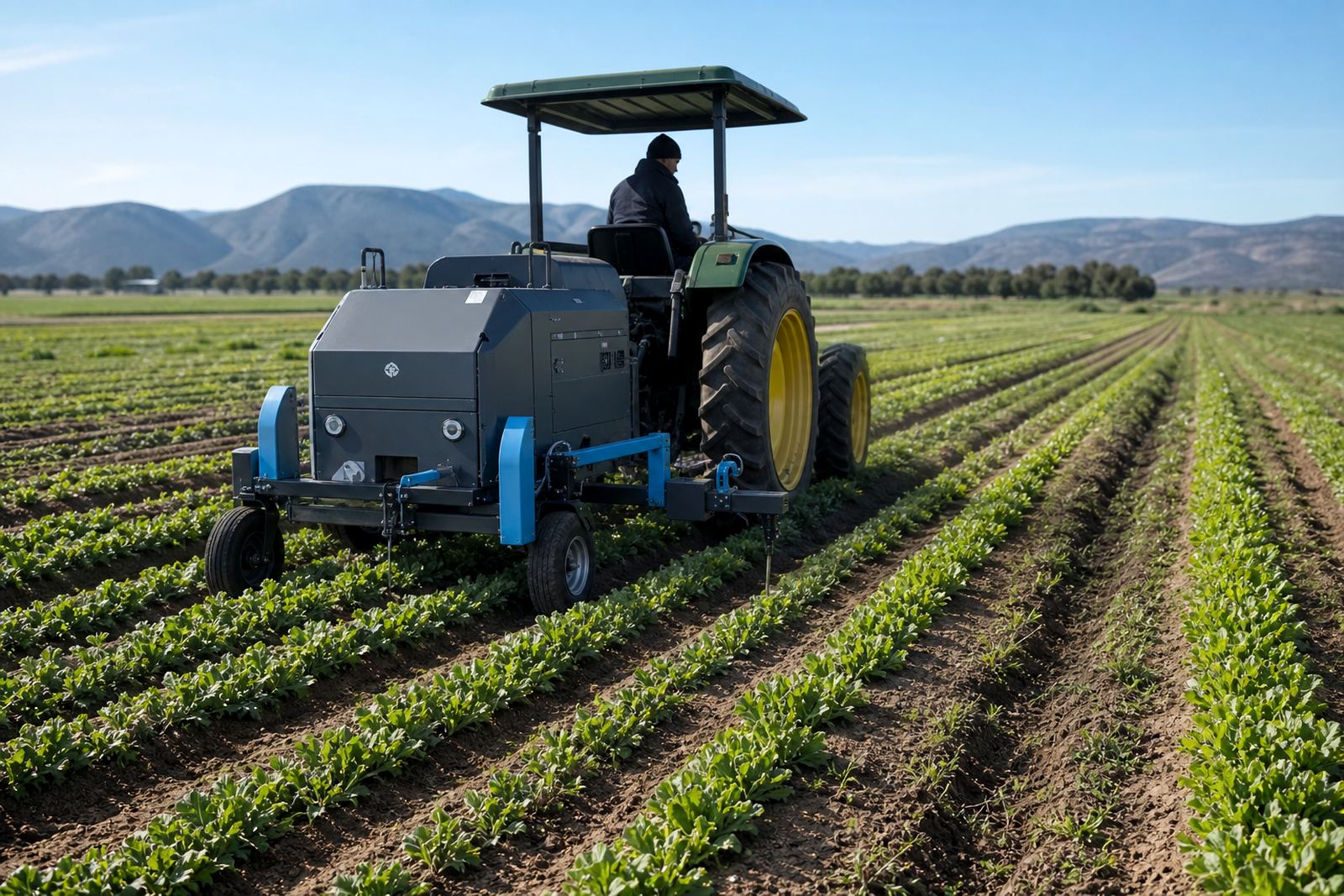
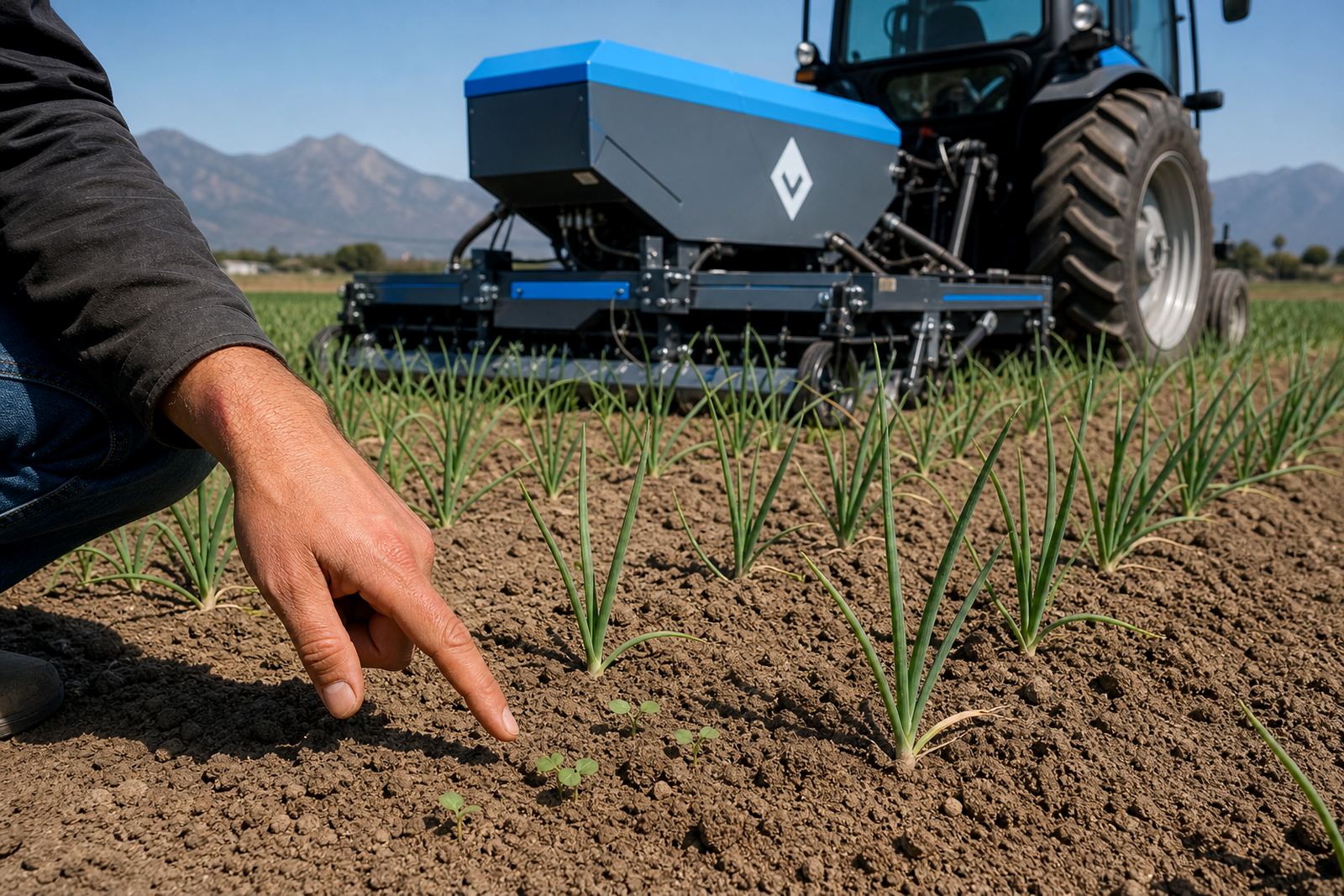
Walk the block and look at the weeds in the row gap, on the row edge and in any tight spots around crop plants. The first question is not whether the crop is an onion, carrot, lettuce or brassica, but whether the weeds are at a stage where a camera-guided laser system can recognise them clearly and target the growing point.
Young weeds usually show a neat pair of cotyledons or a small true-leaf stage. At that point they are easier to separate from the soil surface and from the crop canopy. Once weeds are taller, branching, or leaning into the crop line, the block may still be workable but the pass needs more care and the operator may recommend a different timing plan.
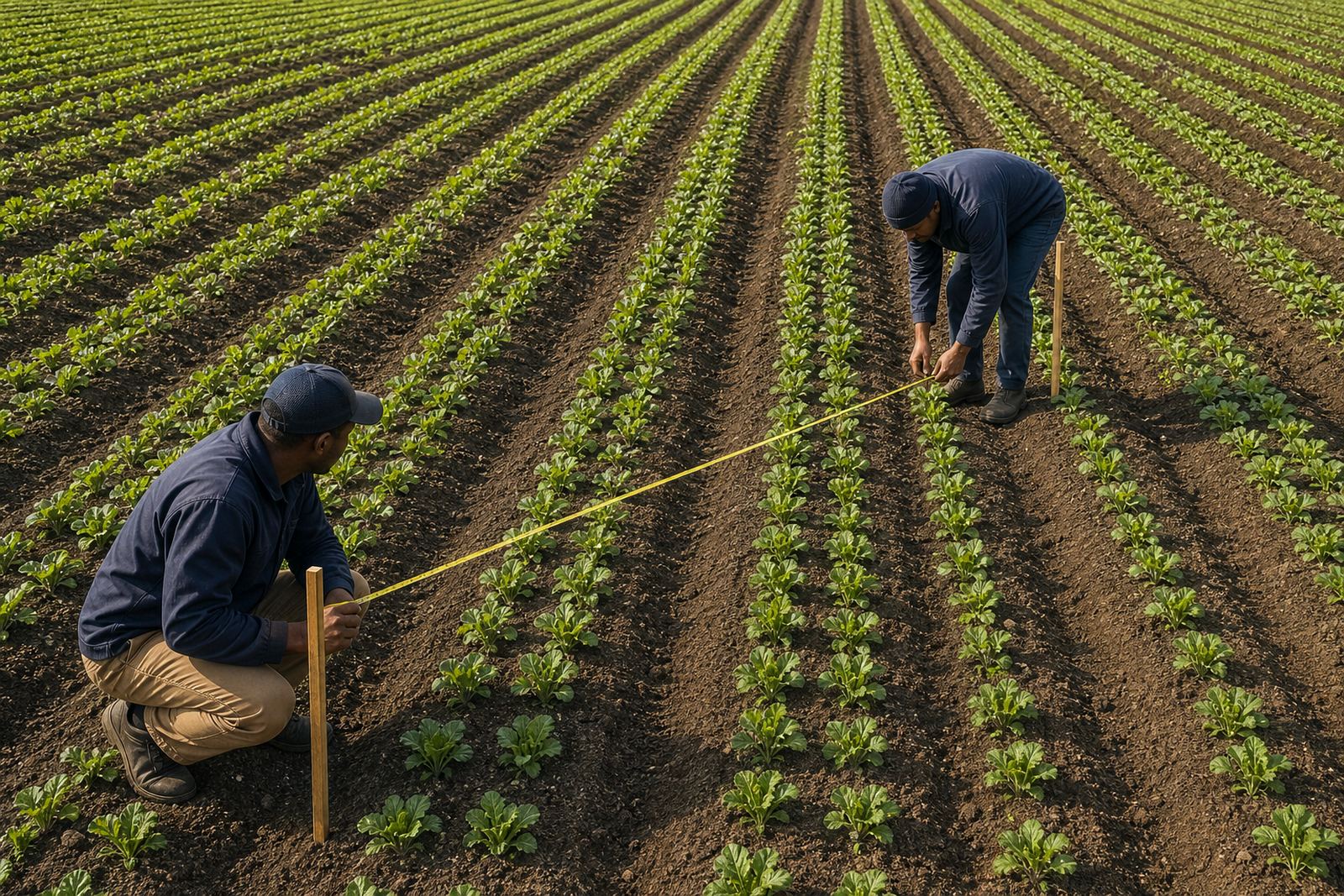
Measure the patch in practical field terms
Do not judge the whole block from one clean corner. A good assessment covers the headlands, middle rows, low spots and any wetter patches where weeds often move faster. In a practical check, the team looks at weed density, whether the block has one dominant weed flush or several flushes, and whether the crop rows give the tractor-drawn unit enough line of travel.
Timing matters because weed stage shifts quickly after rain or irrigation. A block that looked fine five days ago may now have weeds that are a little too advanced in the warm parts of the field. In cooler coastal or highland conditions the same crop may hold a workable window for longer, but it still needs a fresh look before scheduling.
Signs a block may suit laser weeding
Some fields give a clear yes for a trial strip run. These are usually blocks with defined crop rows, weeds still at an early stage, and enough open space between plants for the system to identify the target. Row crops such as onions, carrots, lettuce and brassicas are often the most practical place to start, provided the crop is well established and the weeds have not closed over the row.
The method works without herbicide sprays and without disturbing the soil, which is useful where growers want to avoid dragging up fresh weed seed. It suits a block better when the weed pressure is even enough for a sensible pass plan. When patches vary a lot, the schedule may need to split the field into smaller sections.
Signs the timing may need a second look
Late weed stage is the most common reason a field needs a revised plan. If weeds have become woody, fallen over, or spread across the row crown, the operator may not be able to treat every plant in one pass. Dense flushes can also slow field speed, because the unit and operator need more time to identify each weed and keep the crop safe.
That does not mean the block is out of range. It may mean a trial strip, a repeat pass plan, or a later timing slot after a fresh flush has emerged. The best result comes from honest weed scouting before the block is scheduled, not after the tractor has reached the gate.
What to note before field scheduling
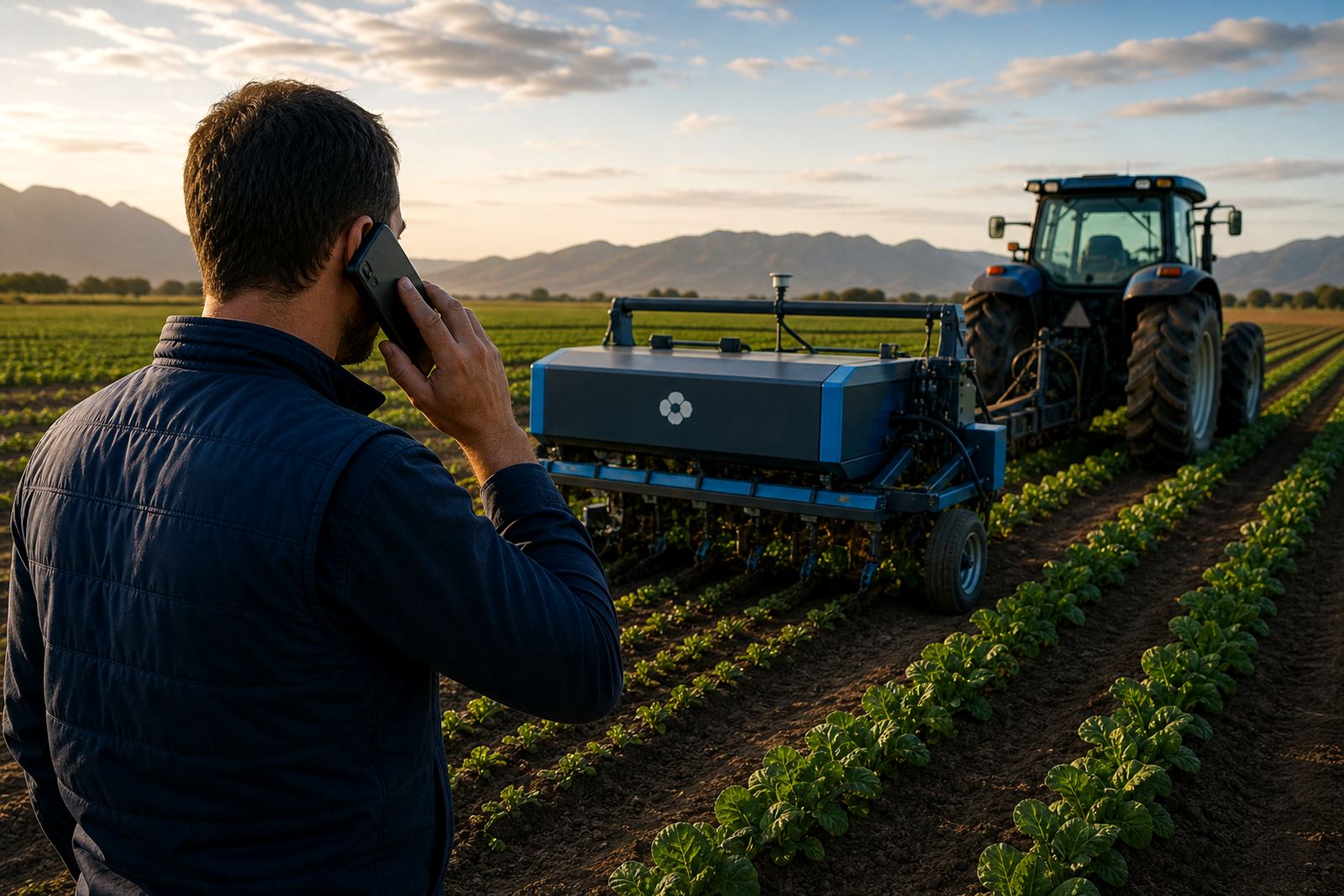
A proper note set helps the scheduling team match the block to the right operator and travel plan. The useful details are practical, not fancy: crop type, row spacing, weed stage, block size, access roads, and whether there are multiple farms in the run. If the block is far from Philippi, Cape Town, or part of a broader programme in the Western Cape, Limpopo, Mpumalanga, KwaZulu-Natal or the Free State, travel and sequence planning matter just as much as the field itself.
For growers working on several farms, a simple record keeps the season easier to manage. It helps with arrival site checks, post pass reporting and follow-up passes where a second flush is expected. A short note on the field can prevent a rushed judgement when the weeds are already changing shape.
A field walk that gives a fair answer
When checking weed stage, walk slowly and look from more than one angle. Bend down, count the weed leaves, and compare weeds near the row with weeds in the open furrow. If the block has a mixed flush, take notes on the youngest and oldest weeds, because that gap can affect field speed and the pass plan.
For a clean assessment, it helps to keep the conversation practical. Bring photos from a few points in the block, note the crop spacing, and show where weeds are hardest to separate from the crop line. That gives a better basis for a grower consultation, trial strip run or season booking than a broad statement that the block is simply