Read the field, not the calendar
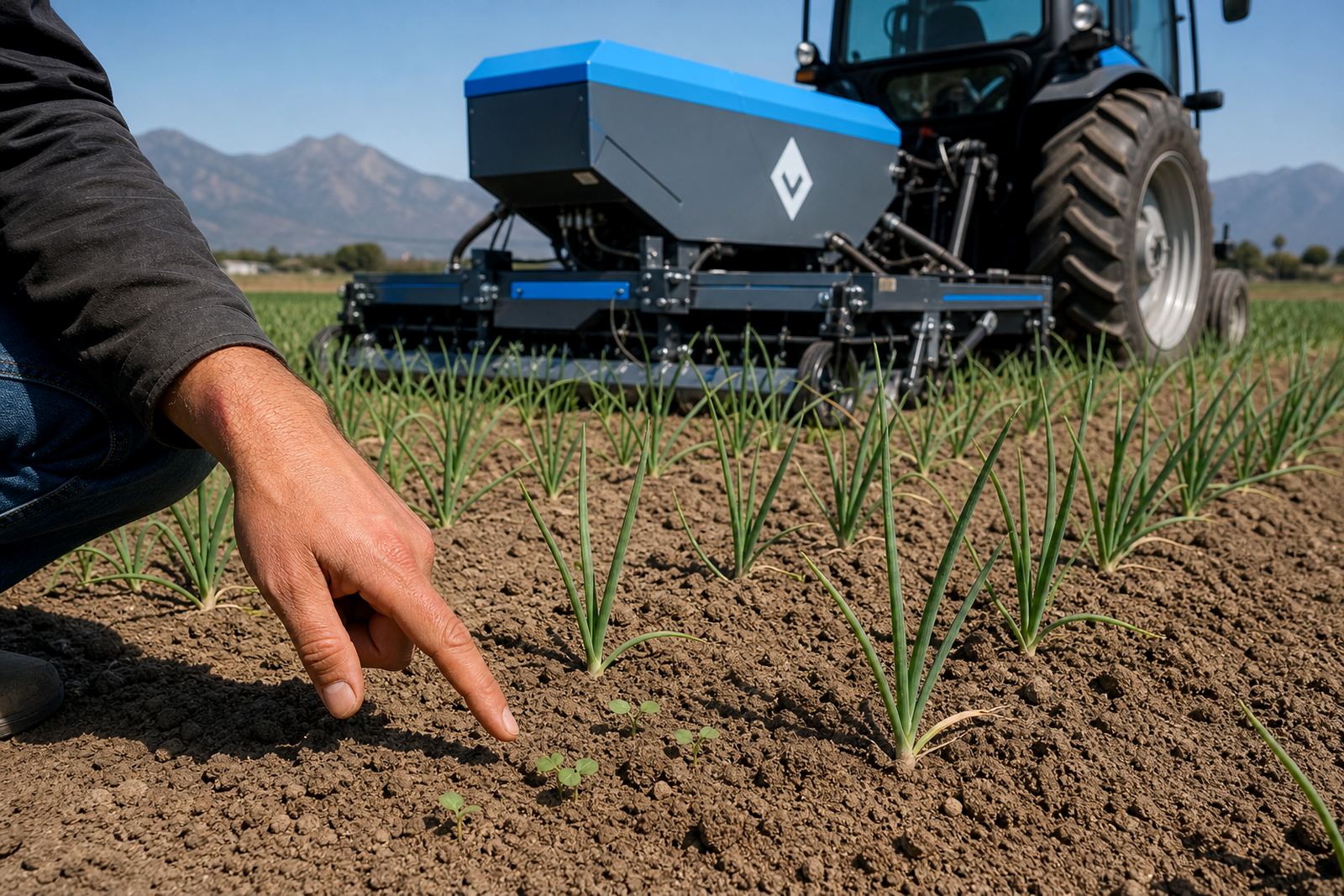
A repeat pass starts with the field itself. After the first booked visit, the operator and grower look at weed flushes, crop size, row closure, and how much bare ground is still open between the plants. In vegetables like onions, carrots, lettuce and brassicas, a second visit only makes sense when new weeds have appeared at a stage that can still be picked out by camera-guided systems and treated without touching the crop.
The best timing is often tied to rainfall, irrigation and soil warmth. A flush that looked small a week ago can change fast in summer, and a field that was clean on the first run can carry a fresh wave along the row centres or around missed pockets near the crop line.
Signals that point to a second visit
Some fields show their need early. Others hold steady for a few days then push up a new set of weeds after the first pass. The decision is easier when you walk the field and compare what is growing now with the weeds that were present at the first visit.
- New weeds are at a small growth stage and still upright enough for detection
- The crop canopy has not closed enough to block camera view down the row
- Wet weather or irrigation has triggered a fresh flush
- There are missed patches at row ends, turn areas, or uneven sections
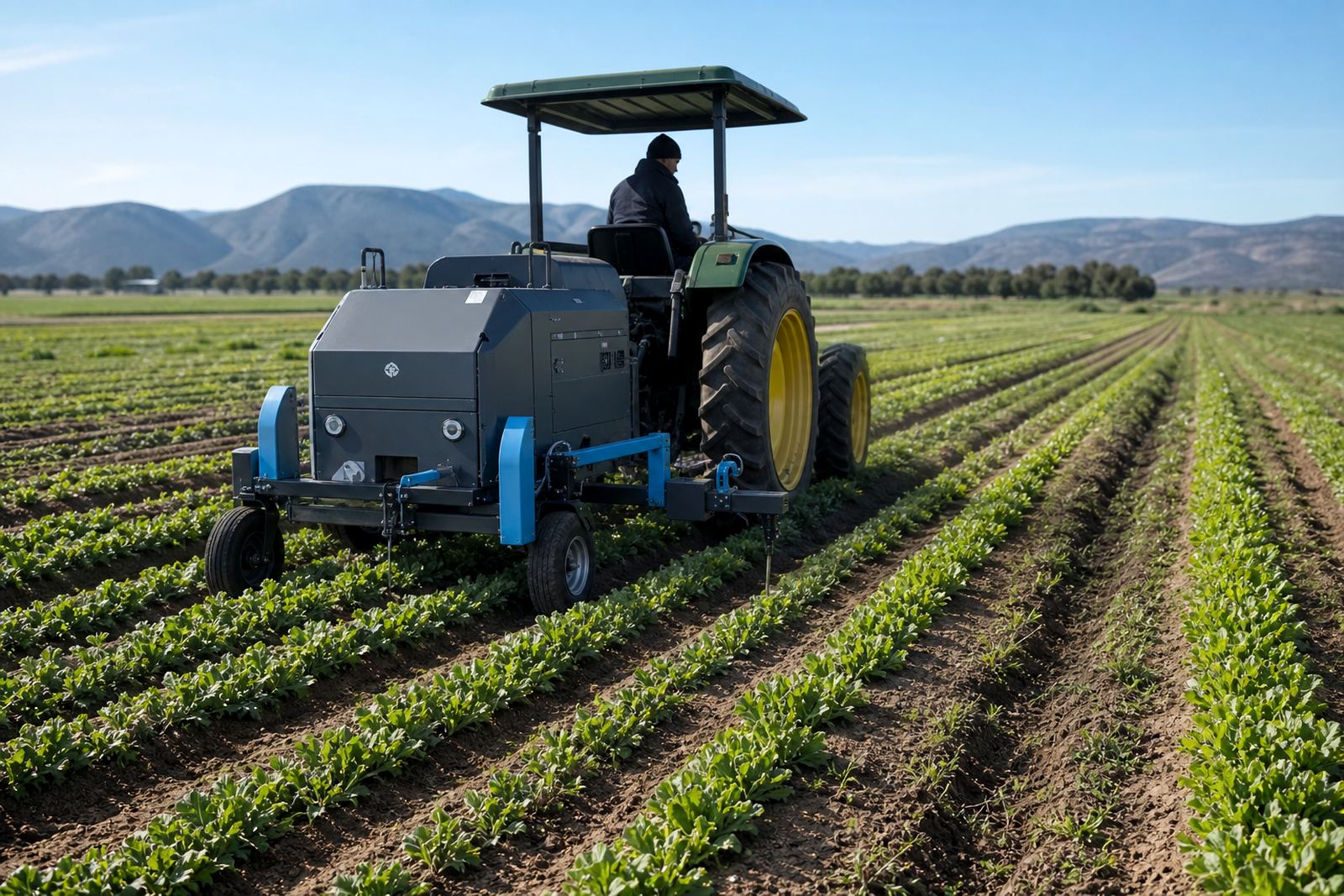
- The crop is still within a practical window for tractor-drawn work
If weeds are already too advanced, the next pass may be of limited value and the field may need a different plan. That is where the timing plan matters, because laser weeding works best when the target weed is still vulnerable and the crop can be driven past at a workable field speed.
What a second pass tries to fix
A repeat visit is not there to repeat the first result line for line. It is used to catch later-emerging weeds, clean up misses around tricky areas, and tighten control where weed pressure was uneven across the block. In a row crop, one part of the field may have received the first flush and another part may have stayed quiet until after the machine moved on.
Laser units use detection cameras and targeted energy to reach the weed growing points. Because the method does not disturb the soil, it avoids bringing buried seed to the surface the way some mechanical methods can. That is useful where the same block has been carrying a long weed history and where repeat passes have to be planned with care.
A practical checklist before booking the next pass
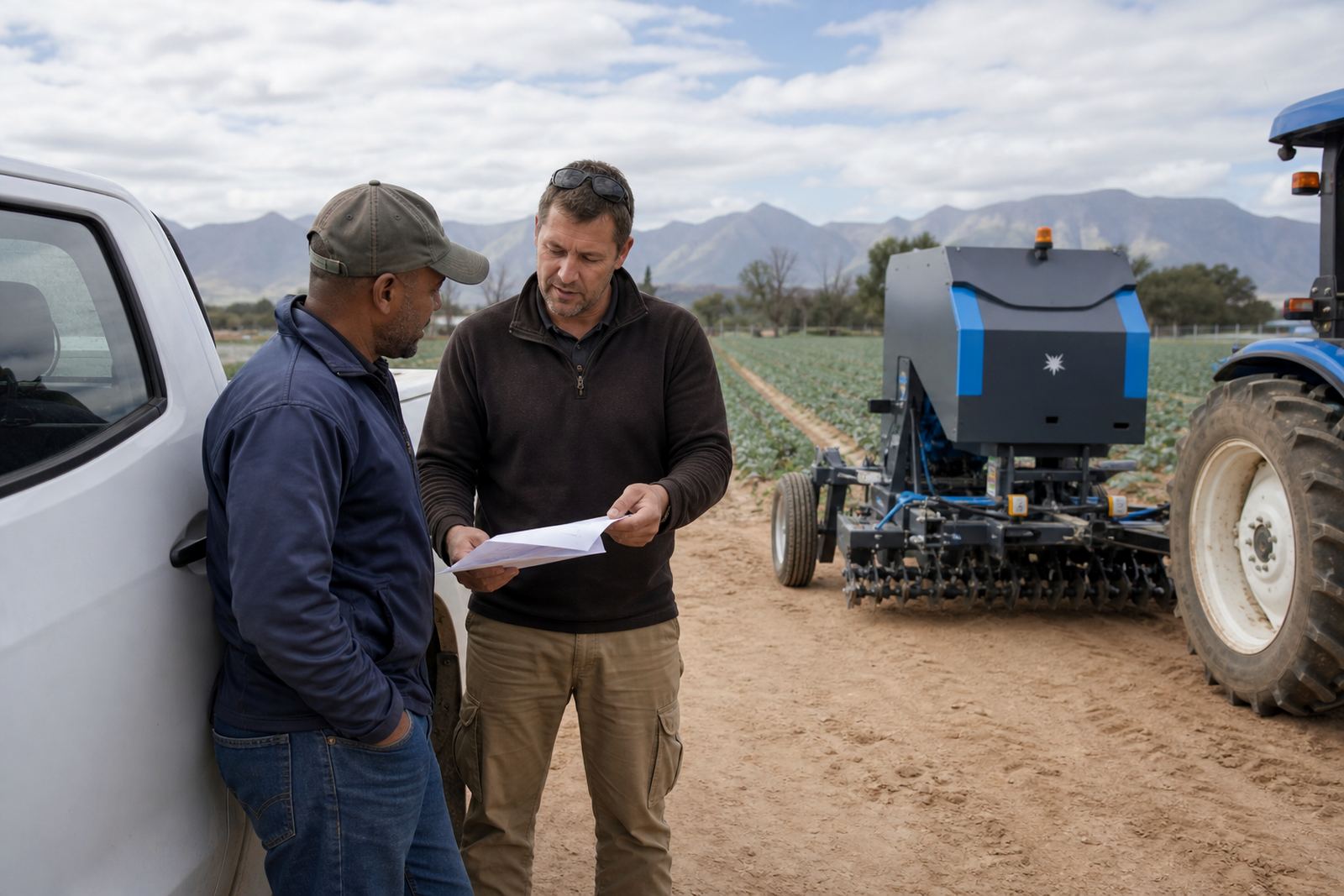
The second visit works best when the team has clear field notes. A short checklist keeps the discussion grounded in what is visible on the ground, not guesswork.
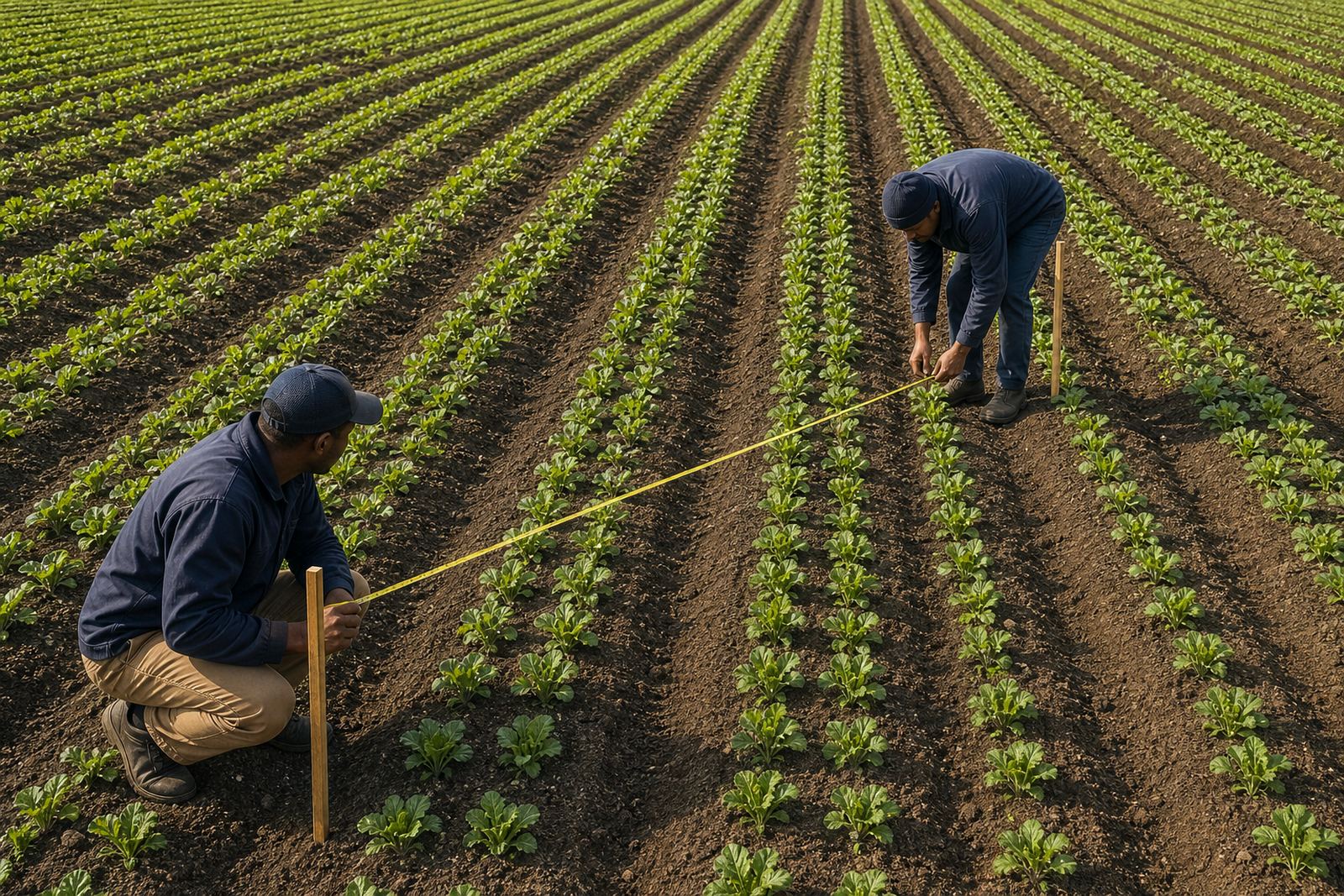
- Confirm the crop stage and row spacing on the affected block
- Walk the worst sections and note where weeds are strongest
- Check whether the new weeds are still small enough for laser targeting
- Look for crop damage, lodged plants, stones or wet patches that may affect travel
- Identify whether the issue is across the whole field or only in strips
- Note whether the first pass covered the full area or only selected zones
When those points are clear, our contact form can be used to send the field details and request a repeat pass plan. That helps the scheduling team line up the tractor-drawn unit, operator and travel coordination for the correct block, whether the farm is near Philippi or further afield in Limpopo, Mpumalanga, KwaZulu-Natal or the Free State.
How timing changes with weed pressure
Field speed, weed density and crop stage all matter. A light flush across a clean block usually moves differently from a field where weeds have come through in thick patches. Heavy weed pressure can slow the work because the operator needs more careful coverage around the crop, and dense sections may need closer attention to maintain consistent treatment.
It is also worth watching how soon the next flush is likely to appear. In warm conditions, a repeat pass can be useful before the weeds thicken. In cooler weather or after a dry spell, the field may hold longer and the team can plan a later visit without losing the useful window.
Repeat passes across several farms
Growers running multiple blocks often need more than one decision at once. One field may need a follow-up straight away, while another can wait for the next weed emergence. Multi farm programmes work better when each block is treated on its own timing, instead of forcing every field into the same slot.
That approach is useful across Ceres, Grabouw, Tzaneen, Bela-Bela, Nelspruit, Howick and Bethlehem, where weather, planting dates and crop stage can vary a lot. A second visit may be linked to arrival site checks, travel coordination, grower consultation or post pass reporting, depending on how the first block performed and what the next inspection shows.
What to include in the note to our team
A short, plain note keeps the second pass discussion useful. Include the crop, block size, current weed stage, whether the field is still open enough for camera-guided work, and what changed since the first visit. If there were missed strips, muddy areas or uneven emergence, say so directly.
For growers who need a second-look plan rather than a fixed booking, that detail helps us set the right sequence for the next field assessment, crop timing plan or trial strip run. The aim is to decide if the weed pressure calls for another laser pass now, a delayed visit, or a different timing window altogether.