How route planning starts on our side
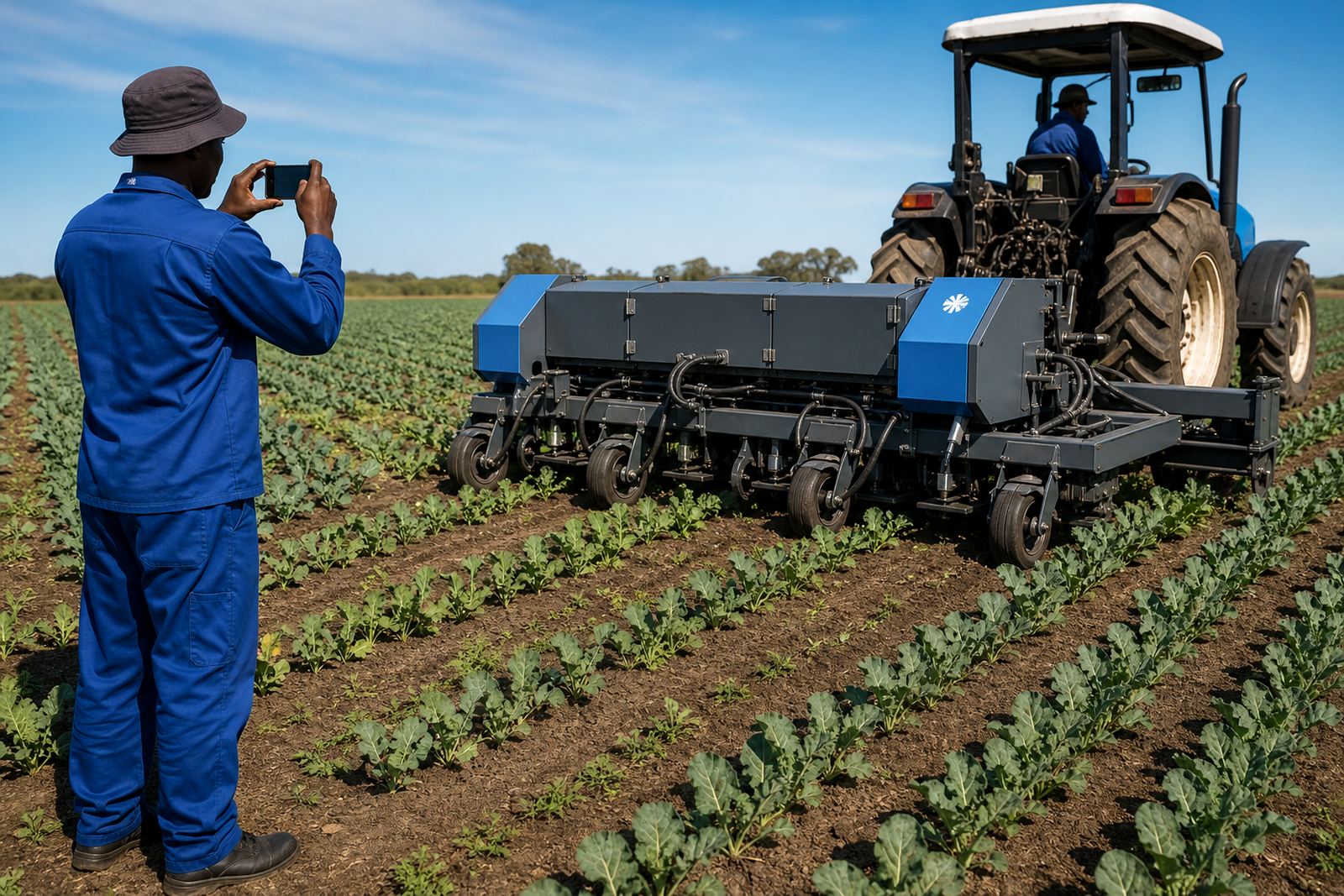
Travel planning begins with the crop block list, the farm map and the timing window for each field. A tractor-drawn laser unit needs the right entry points, turning space and a sequence that suits the weed stage, so the route is mapped before the team leaves Philippi, Cape Town.
For growers in Limpopo, Mpumalanga, KwaZulu-Natal and the Free State, the main task is not just distance. It is lining up the right block at the right growth stage, then placing other blocks in an order that reduces backtracking, road delays and idle time on site.
What we ask for before dates are fixed
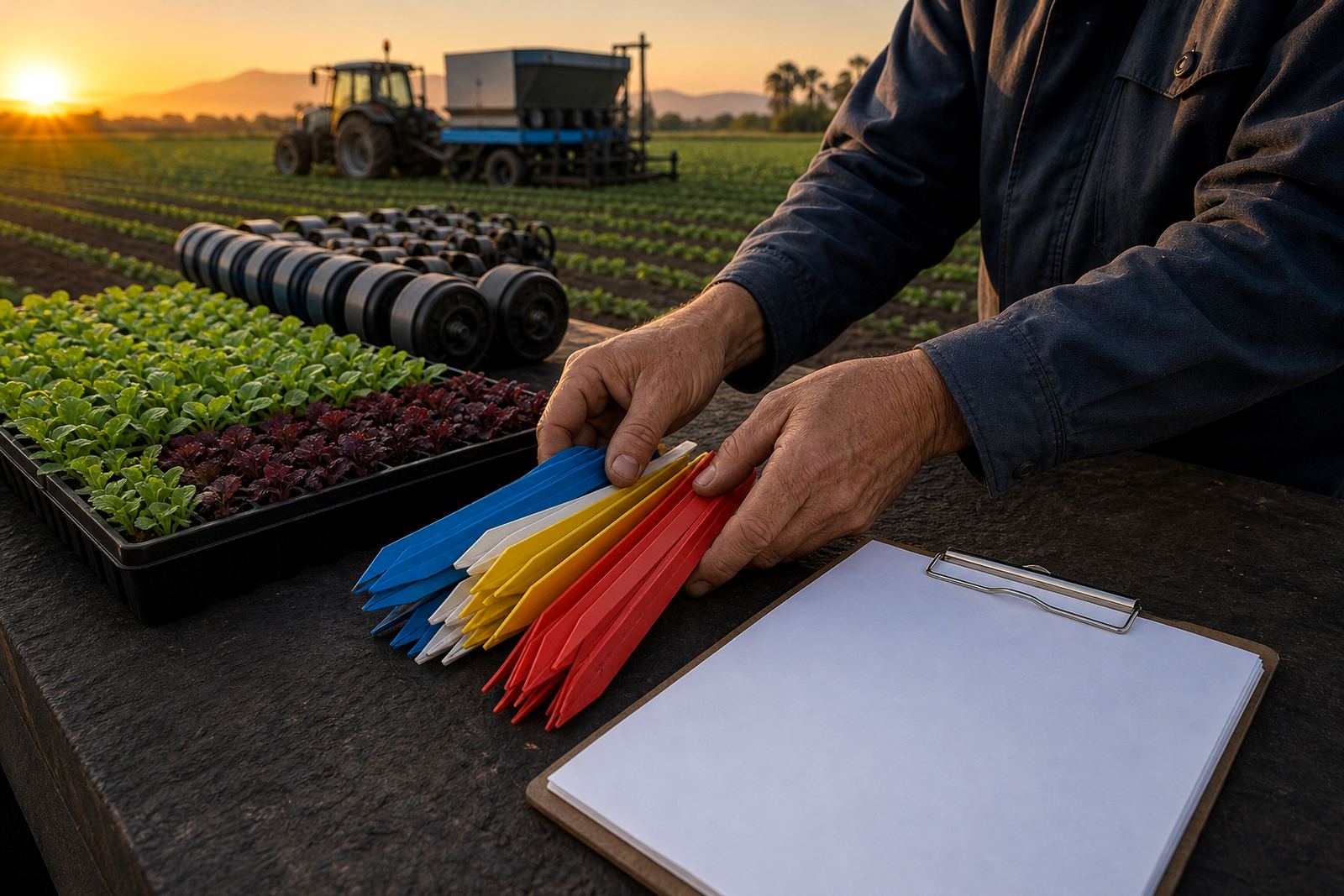
Once a grower is considering a visit, the planning file usually needs a few basic details. Those details shape the field order, the travel load and whether one block should be treated before another if the weed flush is uneven.
- Farm location and nearest town, plus gate access notes
- Crop type, row spacing and approximate hectares per block
- Weed pressure and the stage of the weeds in each block
- Irrigation lines, headlands, soft ground or tight turning areas
- Any harvest movement, spraying window or labour activity already booked
With those notes in hand, our contact form gives the team enough detail to start matching a route to the farm schedule. If the farm has more than one site, the blocks can be grouped by distance, road condition and crop stage rather than treated as a single stop.
Timing blocks around weed stage
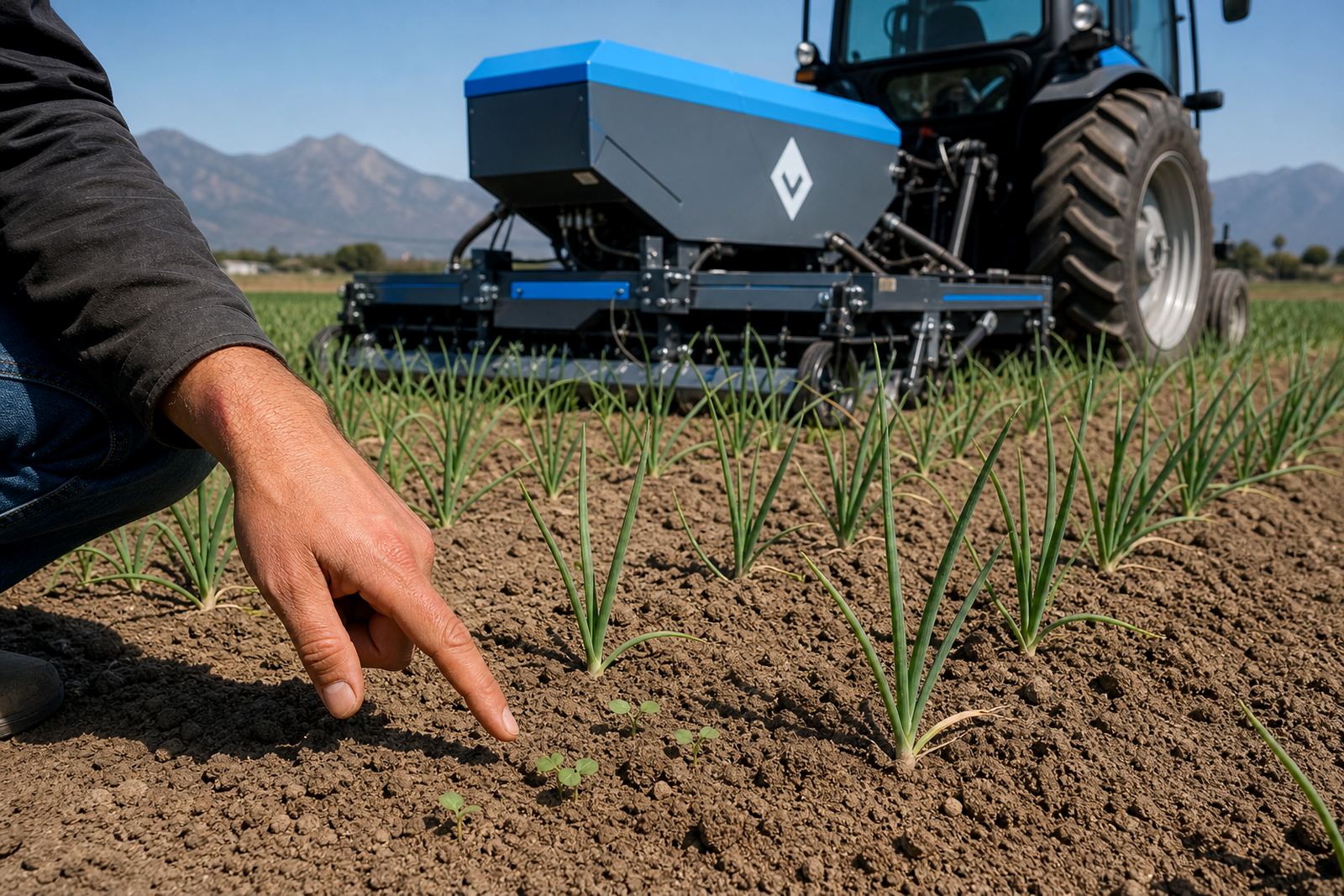
Laser weeding works best when the weeds are still at a stage where the growing point can be targeted cleanly. That timing matters more than the province name on the map. A crop block in Bethlehem may need a different date from one in Grabouw, even if both belong to the same programme.
We normally look at crop type, row width and the size of the weeds already present. Young weeds are easier to manage between the rows and around crop plants, while larger weeds can slow the field pace. The route plan therefore has to fit the agronomy plan, not sit apart from it.
- Onions, carrots, lettuce and brassicas often need tight timing
- Repeat passes may be planned where weed flushes are staggered
- Trial strip runs can help confirm field fit before a full block is booked
Roads, weather and farm access near the coast and inland
Western Cape farms can have windy days, coastal humidity and softer margins after irrigation or rain, while inland farms may deal with long drives between blocks and wider temperature swings. Those differences affect departure timing, not just the work on the field.
For Philippi, Ceres and Grabouw, the team often looks at gate access, road width and where the unit can park without blocking farm traffic. For Tzaneen, Bela-Bela, Nelspruit, Howick and Bethlehem, the road plan also has to account for distance between blocks and the order in which the operator can work each site without retracing the same route.
Arrival site checks help confirm the turning space, the entrance line and the safe position for the tractor-drawn unit before the work starts. That keeps the schedule grounded in what the farm can actually handle, not just what the map suggests.
Making one visit cover several farms
Multi farm programmes work well when nearby growers want the same operator and the same unit in a single travel run. The field list can then be grouped by province, crop stage and road access so the machine is not moving in circles between farms.
In practice, that means one grower may have a lettuce block booked before sunrise, while another farm on the same route waits for later in the day because the field is drier or the crop is at a better stage. A good sequence matters more than cramming too much into one day.
- Group farms by area, not only by province
- Keep each block order tied to weed stage
- Leave space for field checks if the ground changes after rain
- Use post pass reporting to guide the next pass
What growers can prepare at site level
Farm preparation makes the visit smoother and cuts down on avoidable stops. The unit needs a clear route into the block, enough space at the headlands and a farm contact who knows the day plan. If the block is large, split notes by section so the team can move through it in the right order.
It also helps to have staff ready to point out soft patches, odd corners, blocked gates or irrigation fittings close to the rows. Laser weeding is herbicide-free and causes no soil disturbance, but the field still has to be set up sensibly for the tractor and operator.
- Mark the block boundaries clearly
- Keep access roads open for the tractor and trailer movement
- Point out areas where row ends are tight
- Share any changes to the crop or weed pattern before the visit
After the pass: notes that shape the next trip
Post pass reporting is useful because travel planning does not end when the tractor leaves the field. The report helps show which blocks need a repeat pass, which parts of the farm were ready early and where the next route should be adjusted for the weed flush.
That is especially useful for growers managing seasonal programmes across several provinces. A field in one district may need a tighter revisit window than another, and the next booking can be shaped around that rather than treated as a fixed round trip.
When the schedule is built from field conditions, route order and crop stage, the travel plan becomes practical. That suits growers who need a crew that can move between province, farm and block without losing sight of the work in front of the tractor.