Start at the gate and work inward
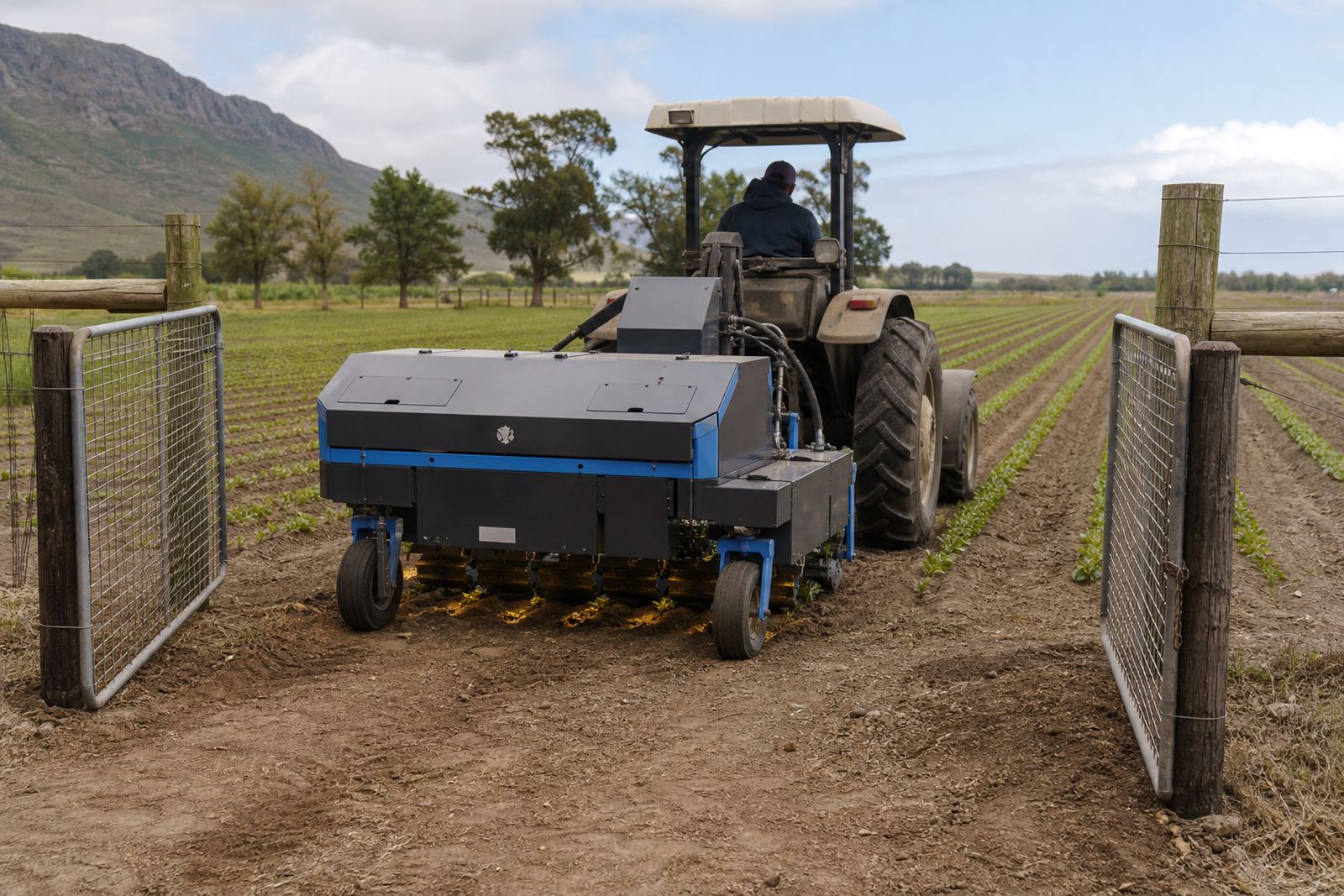
Before a laser weeding job starts, the first job is getting the tractor in and out without stress on gates, fence lines or crop rows. Measure the gate opening, check the swing of the gate and look for soft shoulders where a loaded tractor may sink after rain or irrigation. In the Western Cape, coastal moisture can leave clay ground tacky by morning, while inland blocks around Tzaneen or Bela-Bela can hold dust that reduces visibility near entry points.
Keep the approach line free of loose wire, irrigation fittings, old debris and low branches. If the entrance sits off a gravel road, allow enough space for the tractor and implement to align before the first turn. A narrow entry that forces a sharp angle can waste time and raise the risk of crop edge damage.
- Check gate width against tractor and implement width
- Trim overhanging branches near the entrance
- Remove wire, stones and broken stakes from the approach
- Mark any soft or washed-out spots before arrival
Give the tractor room to turn cleanly
Laser weeding in row crops works best when the unit can enter, line up and turn without backing into planted areas. Headlands need enough width for a smooth turn, especially where blocks are long and the rows run close to a drain, bund or fence. Tight turning space slows field movement and makes the operator work harder to keep the machine aligned through the pass.
If a field has several blocks, plan the order of entry so the tractor does not cross freshly worked ground more than necessary. Where possible, leave a clear lane for the next block and avoid double handling around corners. In windy conditions, especially in open Free State areas, loose plastic, twine and netting should be removed before the unit enters the field.
- Keep headlands open for turning and straightening up
- Use a single planned route between blocks
- Remove loose material that can catch on moving parts
- Leave space for a controlled exit at the end of the block
Row layout and crop stage matter
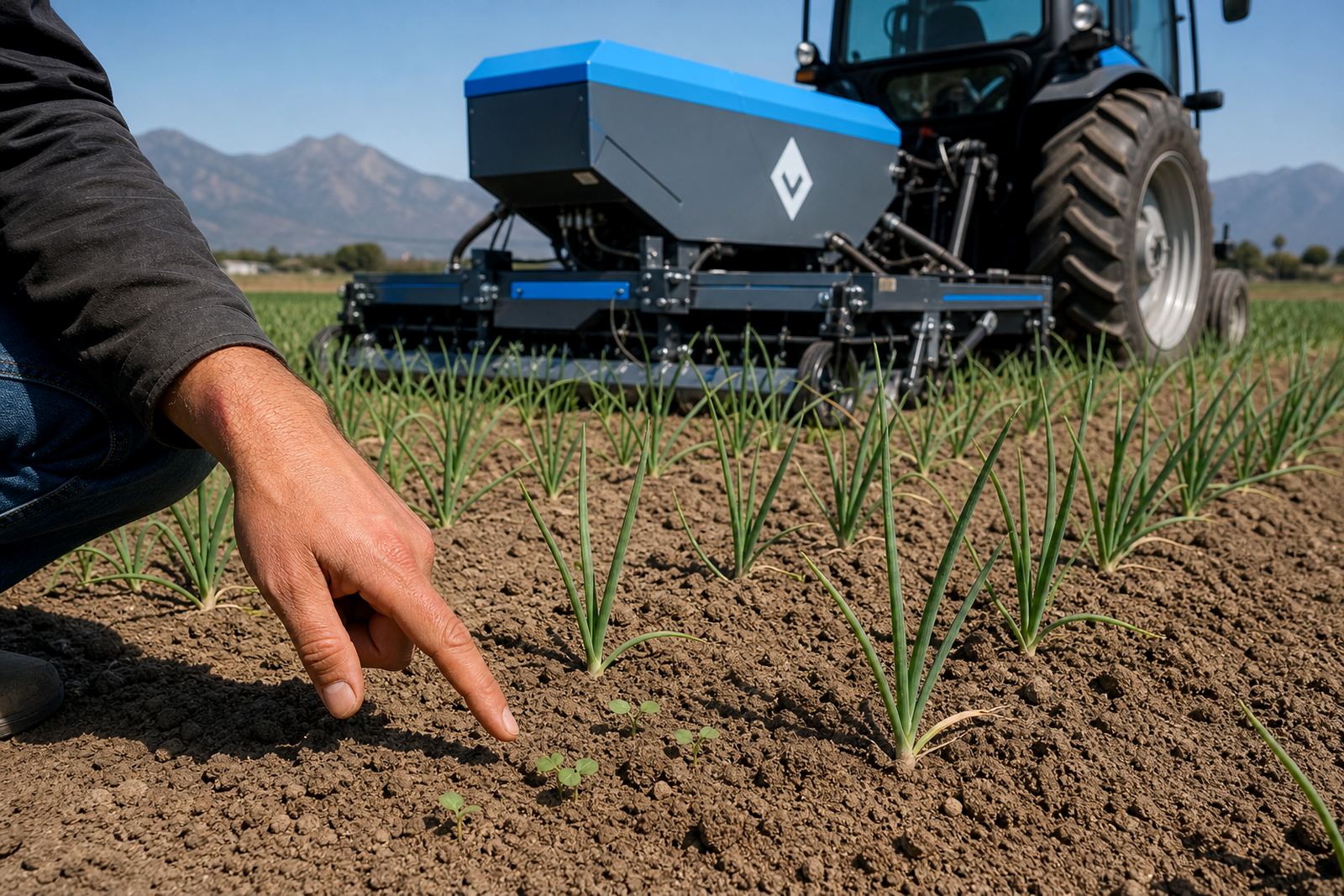
Laser weed detection works best when crop rows are clear and the weeds are at a stage where targeting is still practical. Straight, visible rows help the camera follow the crop line and separate weeds from the plants being protected. Crops such as onions, carrots, lettuce and brassicas are common candidates, but timing always depends on weed pressure, crop spacing and how far the crop has developed.
Fields with hidden gaps, collapsed beds or heavy surface residue need more attention before the first pass. If the crop canopy has already closed in some sections and not others, the operator may need a different pace or a split plan for those areas. Good access is not only about roads and gates, it also includes the shape of the rows and the consistency of the block.
- Keep rows clearly visible from the entry point
- Flag damaged sections, gaps and wheel tracks
- Note areas with heavier weed pressure
- Tell the team where crop stages differ across the block
Water, drainage and soil condition can change the day
A field that looks fine from the road can behave very differently under a tractor. Waterlogged strips, cracked clay, loose sand or a recently irrigated block can all change traction and movement. Because laser weeding is a ground operation, no soil disturbance is ideal, so the surface should support steady travel without unnecessary rutting or slippage.
Drain lines, furrows and low spots should be mapped before the unit enters. If the route crosses a section that holds water after rain, give that detail early so the operator can decide on access sequence and travel direction. In humid coastal areas near Cape Town, a field may dry unevenly, so a surface check at the start of the day matters more than a quick look from the farm road.
What the farm should have ready before arrival
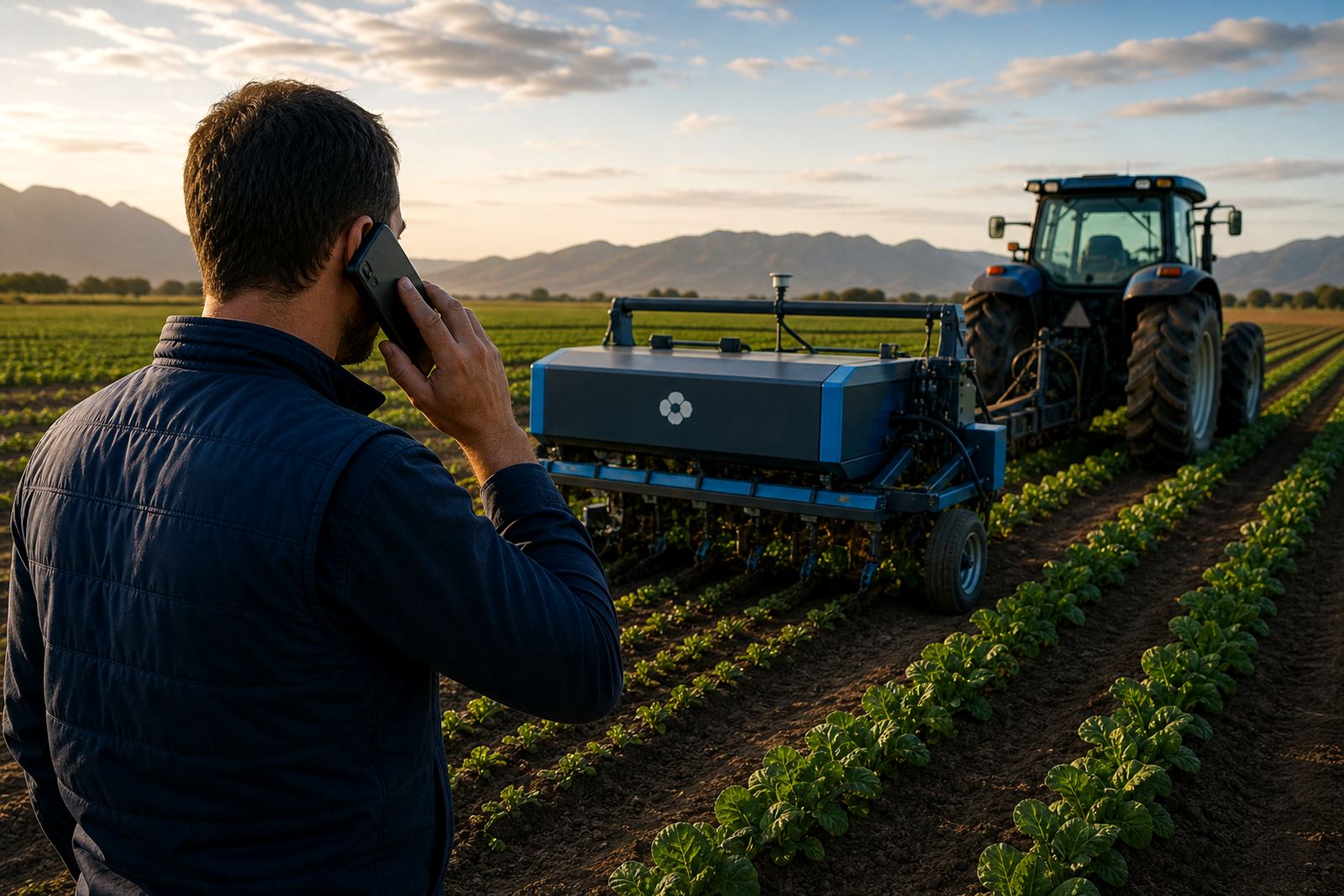
A few small preparations make the whole block easier to work. The team needs clear directions to the correct gate, a contact person on site if access points change and enough information about any livestock, irrigation lines or temporary structures near the rows. If there are multiple farms in one programme, label each block clearly so the tractor does not waste time at the wrong entrance.
Keep the block boundary visible where possible and tell the team where vehicles may park without blocking the route. A clean, organised access plan matters on farms around Philippi, Ceres, Grabouw, Howick, Nelspruit and Bethlehem, where mixed traffic and narrow service roads are common. Our work often begins with a field assessment, then a crop timing plan, travel coordination and a site check before the pass.
- Mark the correct gate and block name
- Keep access roads clear of parked vehicles
- Move livestock away from the working area
- Protect irrigation fittings near the entry line
After the pass, keep the route open
Once the tractor leaves a block, the same access route should stay usable for the next pass or a later inspection. If a headland has been cut up by traffic or rain, that should be noted for the next visit so the route can be adjusted. Good post pass reporting helps the grower see where turning was tight, where the ground softened and where access needs a small change before the next booking.
For multi farm programmes, repeated access problems usually come from the same causes: overgrown entrances, poor turning space and missing block markers. Fixing those points early keeps the programme orderly and helps the field team move across the season with fewer delays and less confusion.