When a second field visit makes sense
Repeat pass planning is used where the first laser weeding pass has cleaned up an early flush, but fresh weeds are likely to emerge after rain, irrigation or a warm spell. In row crops such as onions, carrots, lettuce and brassicas, timing matters because a later flush can sit in the same row shoulder or between plants and need a separate visit, not a rushed patch-up.
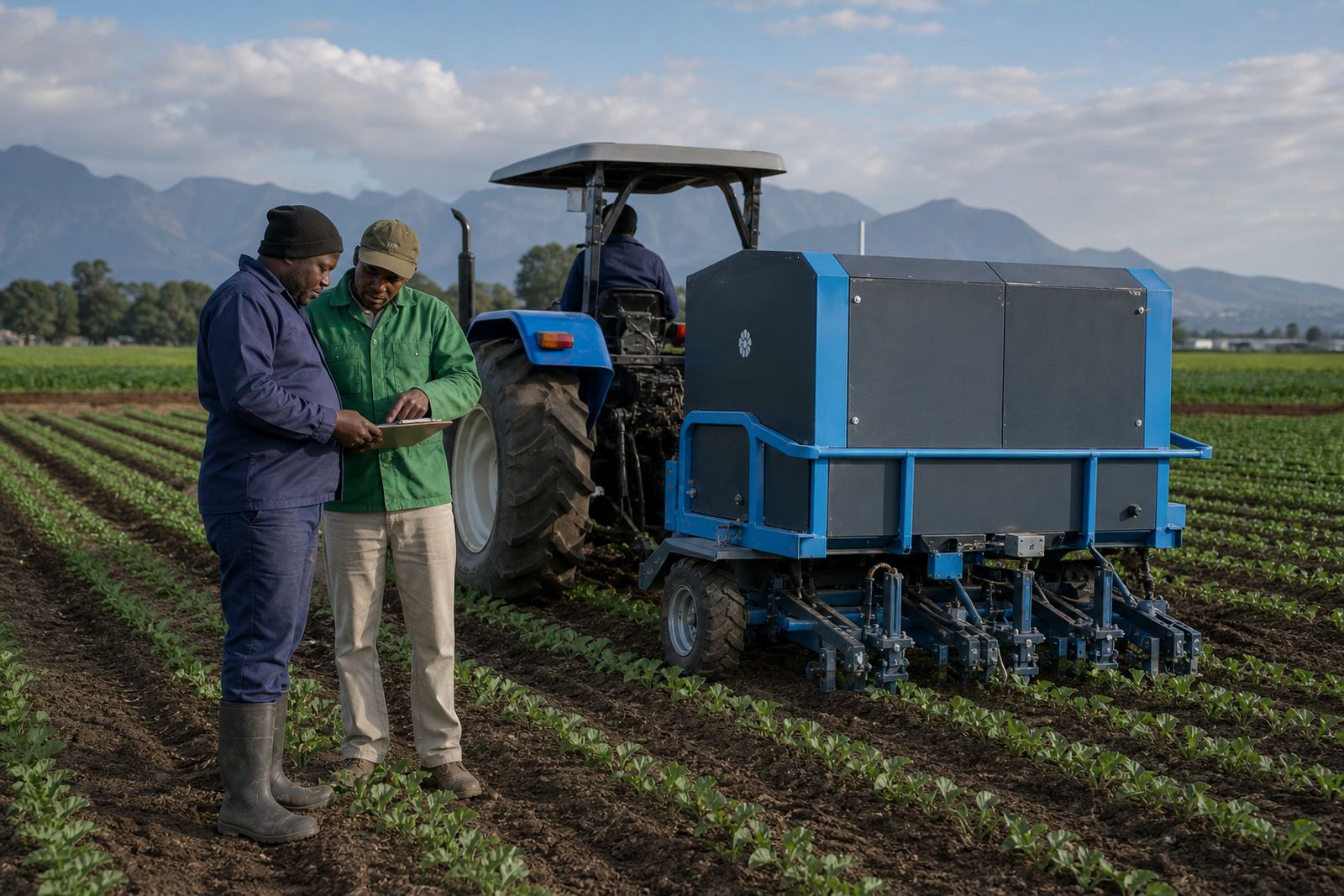
We look at crop stage, weed stage and the shape of the block before setting the next pass. The goal is to keep the weed control window practical for the field, not to force a visit when the crop is too young or the weeds are already past the best stage for laser treatment. That judgement is field led, and it changes from block to block.
What the repeat pass plan covers
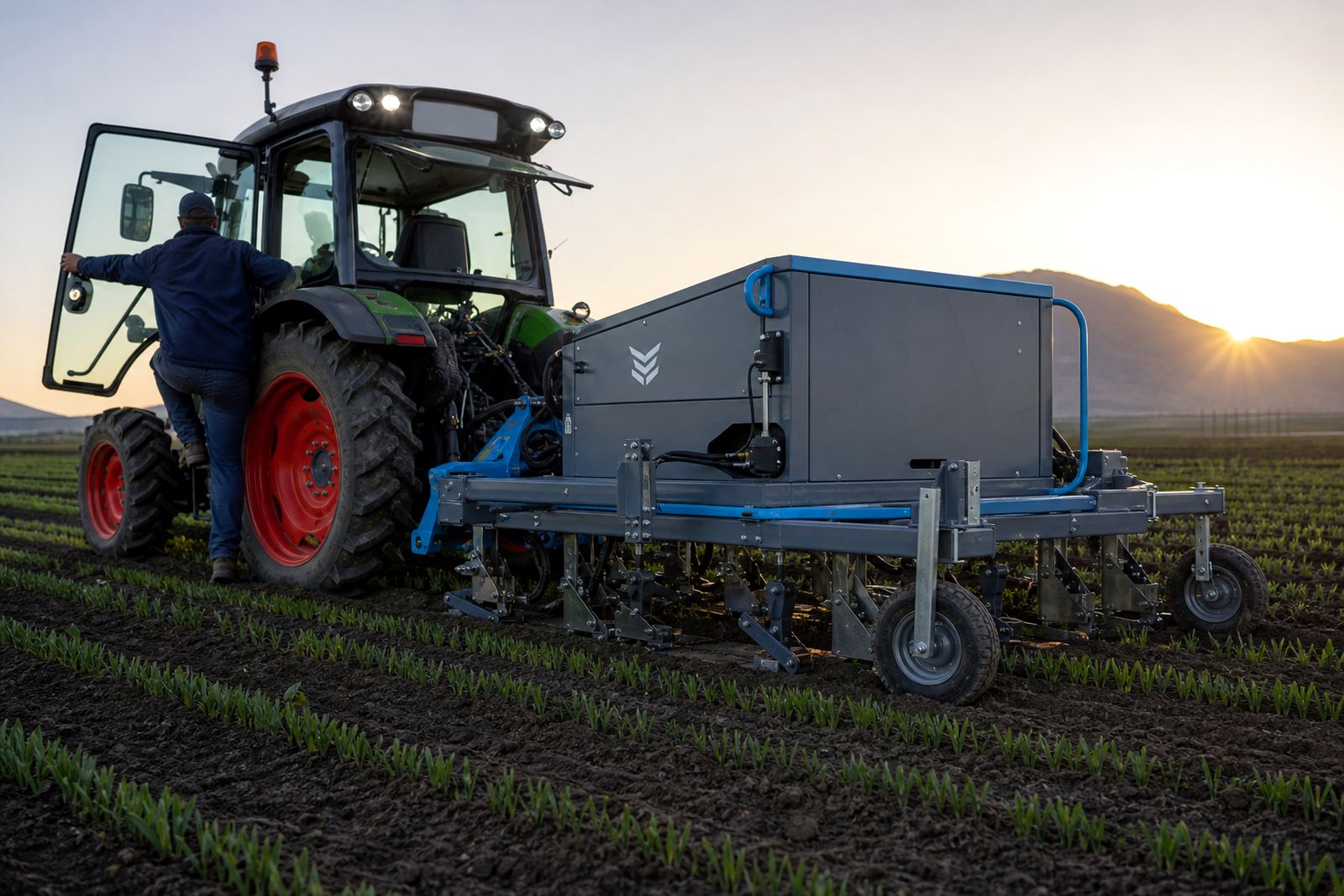
A repeat pass is not just a date on a calendar. It is a working plan for the next visit, with the likely weed flush, access route and block conditions written into the schedule. Tractor-drawn laser units are used again, with a trained operator and the same attention to crop spacing, plant size and the way the bed was established.
- Block-by-block follow-up scheduling
- Crop timing review against the earlier pass
- Weed pressure check for new flushes
- Field access and turning space notes
- Operator supplied visit planning
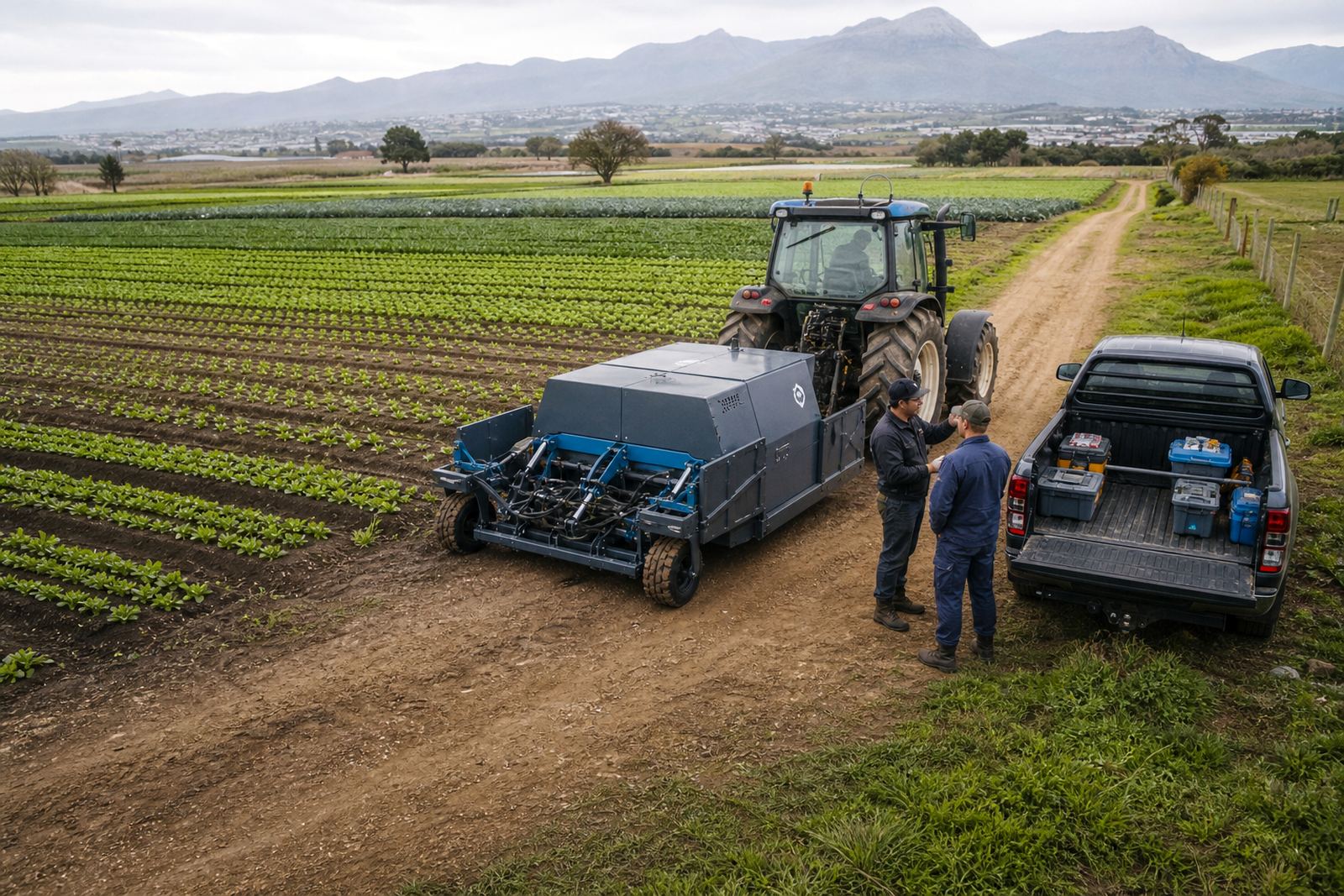
- Arrival site checks before the unit enters the block
If a field has several blocks at different stages, the plan can split them into separate visits. That helps keep the work orderly when one section is ready and another still needs more growing time.
How the scheduling is built
We start with the crop type, planting dates and the pattern of weed emergence that was seen on the first visit. Then we map the likely follow-up window around rainfall, irrigation cycles and the pace at which weeds are returning. In coastal areas and warmer inland zones, a block can change quickly after moisture is available, while cooler sites may hold the timing differently.
Our field scheduling team also looks at travel distance between farms, the order of blocks for the day and whether another crop is reaching its best treatment stage. That is useful for growers with sites in Philippi, Ceres, Grabouw, Tzaneen, Bela-Bela, Nelspruit, Howick and Bethlehem, where one trip can need careful sequencing across more than one farm.
What happens on the follow-up visit
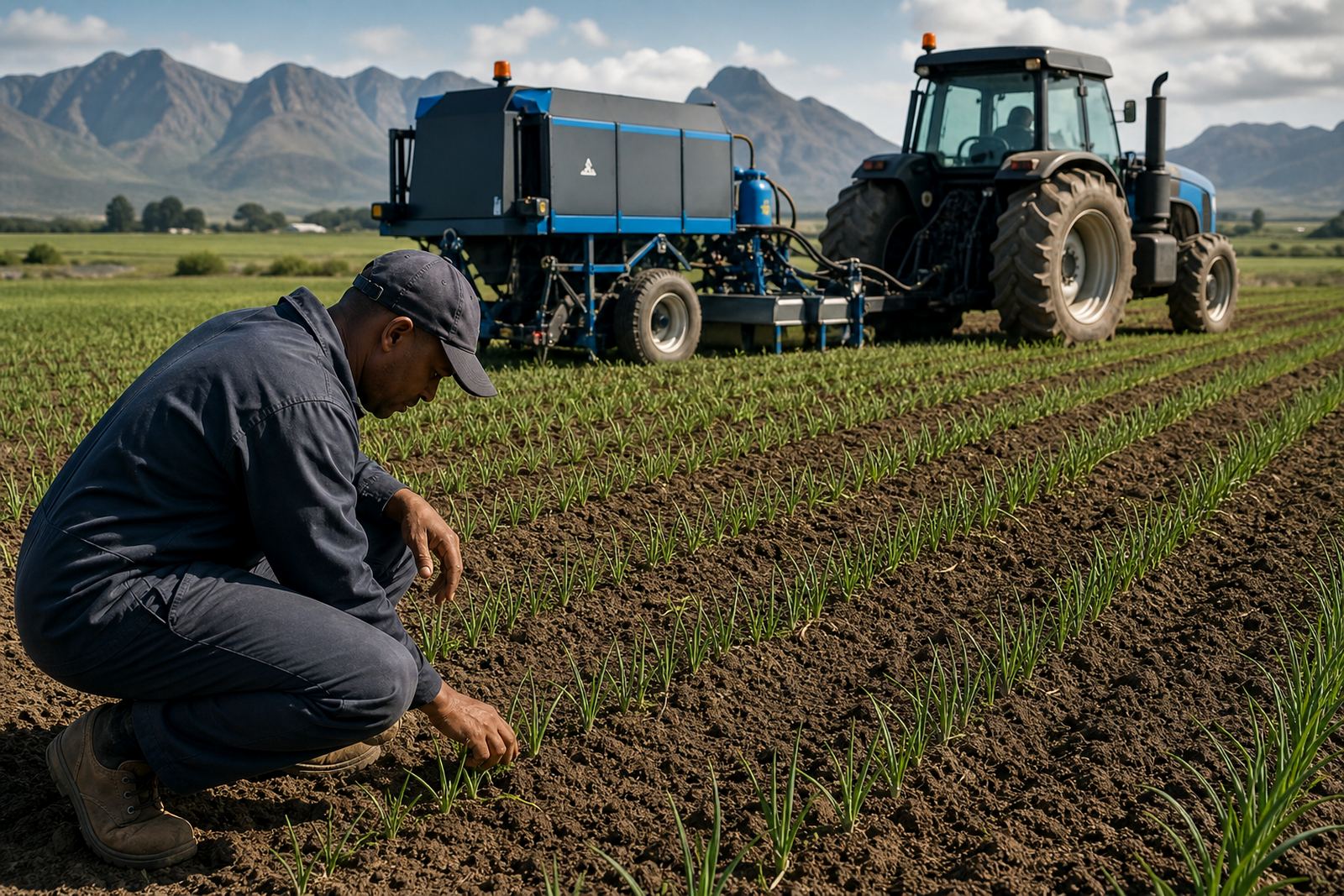
The repeat visit begins with an arrival site check, then the operator confirms the crop line, the weed growth stage and any changes in soil surface or moisture. Laser weeding works best when weeds are still small enough for the system to target the growing points cleanly, and when the crop is at the agreed stage for safe movement through the block.
Field speed depends on weed pressure, bed layout and how much fine movement the unit needs along the row. Heavier pressure usually means a slower pace, because the operator needs more time to keep the treatment accurate around the crop plants. After the pass, we note what was covered and where a later revisit may still be needed if new germination is likely.
- Arrival site check and block confirmation
- Weed stage review before entry
- Tractor-drawn laser unit operation
- Crop-safe movement between and around plants
- Post pass reporting for the next schedule step
Pricing approach for repeated visits
Pricing for repeat pass planning is shaped by block size, number of farm visits, travel distance and the amount of operator time needed on site. A single light follow-up on one block is handled differently from a multi farm programme that needs several dates and tighter field coordination. The amount of weed pressure also matters, because a block that has moved beyond an early flush can need slower work and longer time in the field.
We do not package this as a one-size line, because the work depends on crop timing and the field itself. Some growers want a trial strip run before the wider follow-up is set, while others need a full season booking with repeat pass planning built into the schedule from the start. The pricing approach follows that practical split.
Aftercare that keeps the schedule honest
After the visit, growers get a plain report on what was treated and where the next weed flush may show up. That helps with crop timing plans, especially where a later flush is expected after rain or irrigation. If a block is not ready for another visit, the plan waits for the right stage rather than forcing the unit in too soon.
This is also where multi farm programmes stay manageable. One farm may need a short revisit, while another only needs checking later in the cycle. Our grower consultation service and field scheduling work together so the next step is based on the crop, not on guesswork.
Repeat pass planning is useful where herbicide-free weed control and no soil disturbance are part of the production plan. It gives the farm a clear follow-up path without pushing the block outside its useful treatment window.
Key facts
| Service area | Philippi, Cape Town base with field work across South Africa |
|---|---|
| Crop types | Onions, carrots, lettuce and brassicas |
| Method | Camera-guided laser weeding with tractor-drawn units |
| Follow-up basis | Later weed flush, crop stage and weed stage |
| Travel footprint | Available to vegetable farms in Limpopo, Mpumalanga, KwaZulu Natal, the Western Cape and the Free State |
| Team support | Operations, scheduling, operator and grower liaison |