What gets checked at the field edge
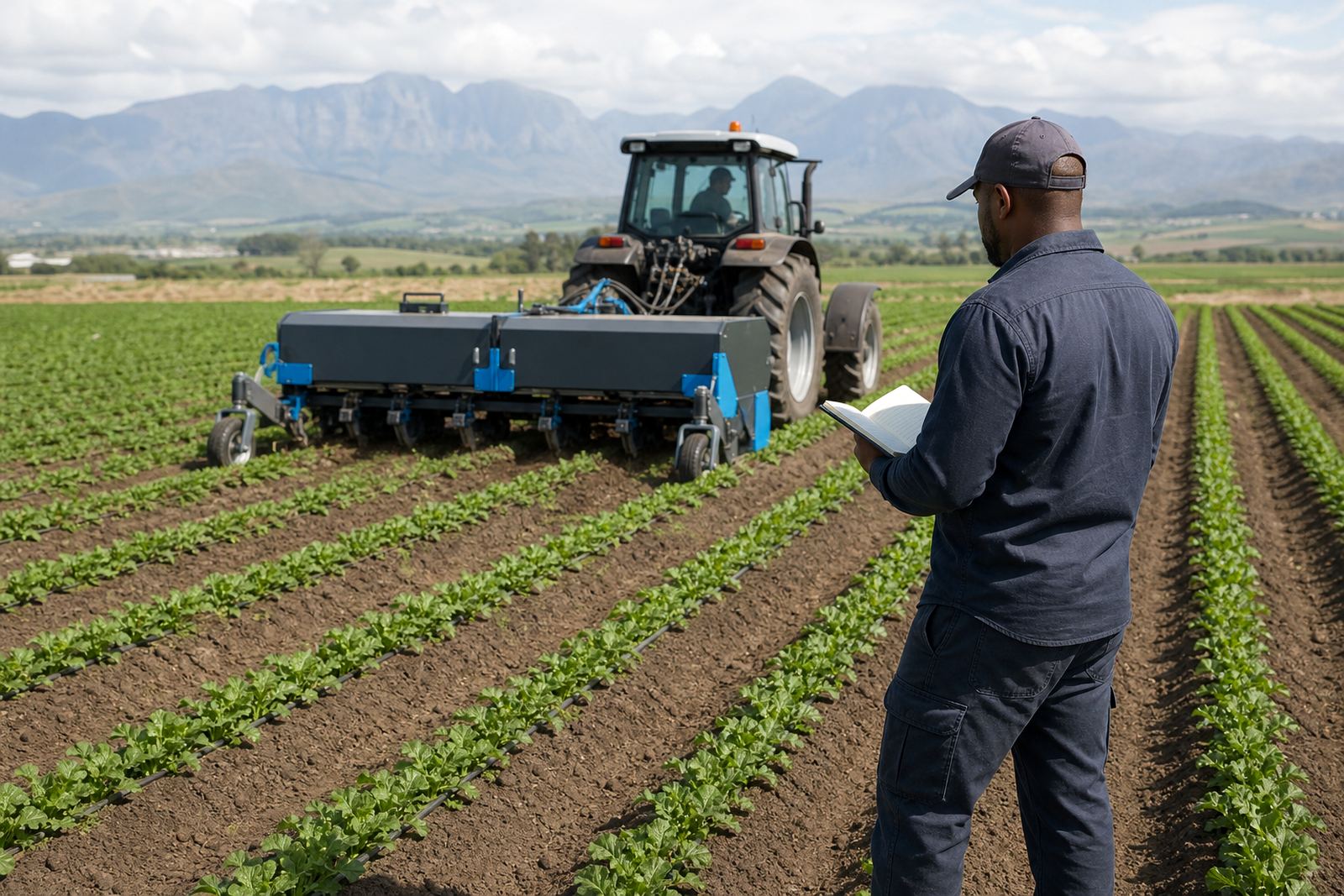
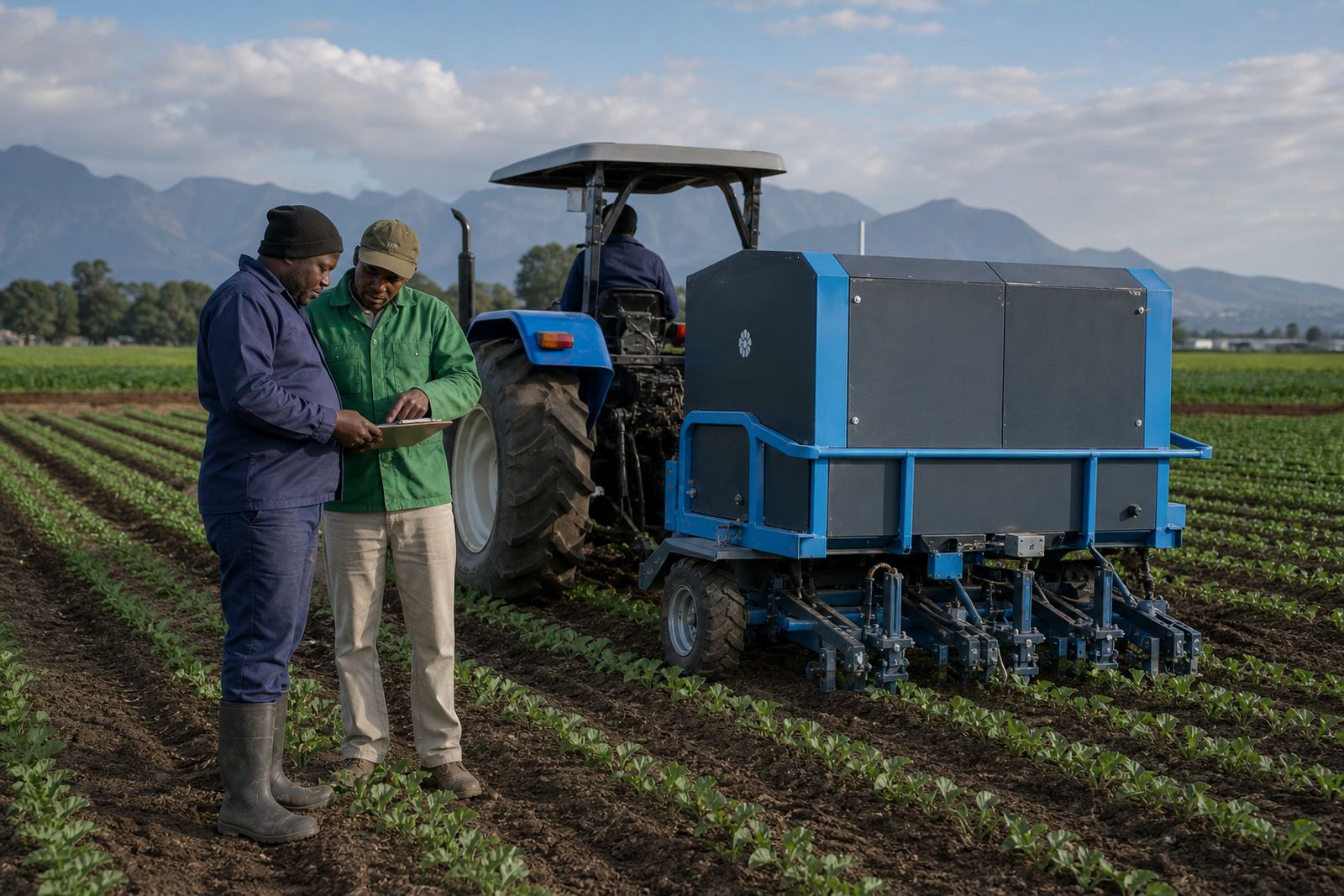
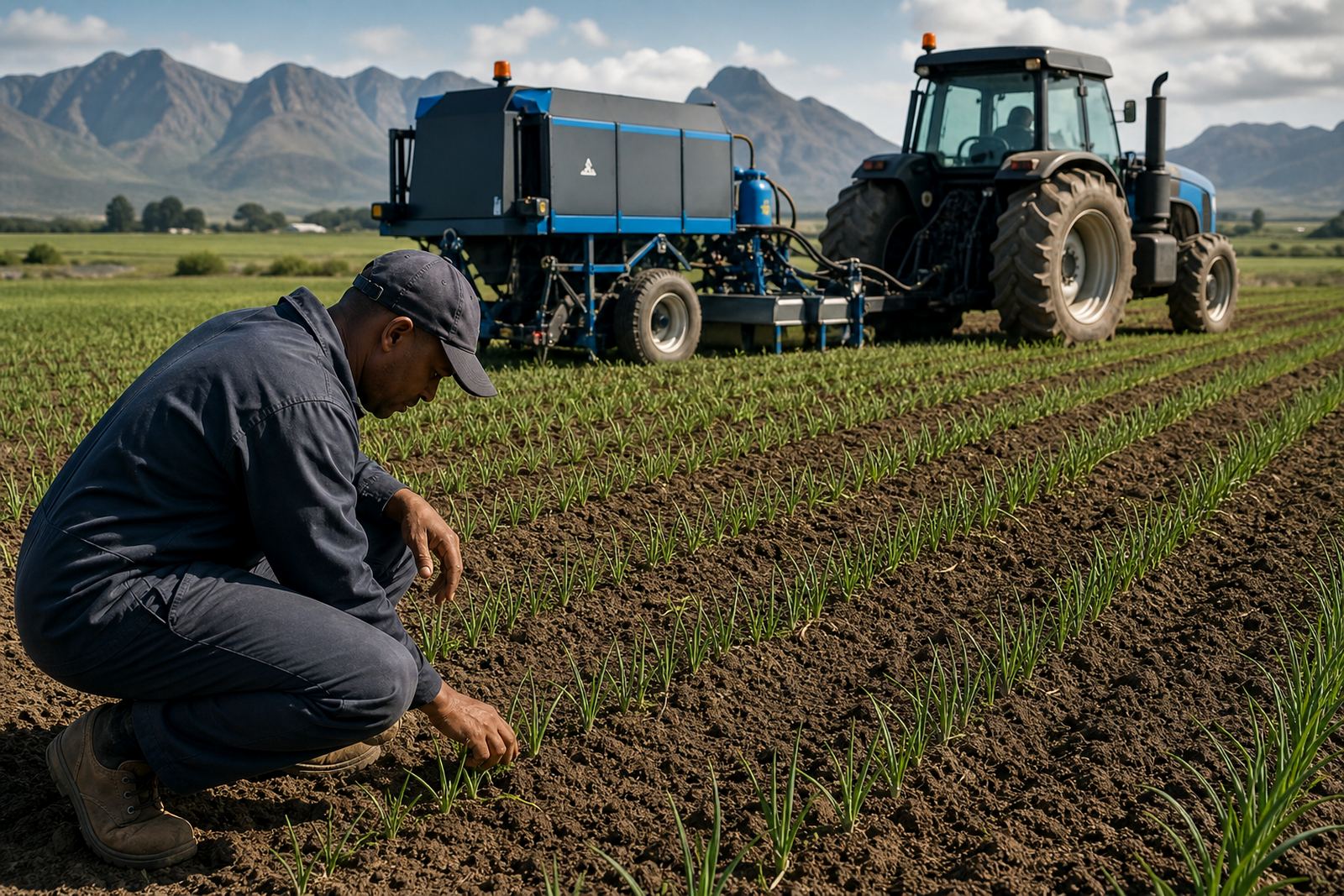
The check starts with a walk of the block and then a slow drive along the rows where needed. Our team notes whether the crop rows are straight enough for camera-guided weed detection, whether the inter-row space is clear, and whether there are spots where the tractor unit needs a different approach.
That visit gives the grower a practical picture of what the day will need. It can lead to a trial strip run, a revised field order, or a split pass plan for blocks that are not uniform. No soil disturbance is part of the method, so the field check also looks at the surface condition and how firm the ground is after rain or irrigation.
- Camera line visibility between the crop plants
- Headland width for turns and set-up
- Surface firmness after rain or irrigation
- Block sequence for multi farm programmes
- Need for a trial strip run before the full pass
How the visit shapes the work plan
Laser weeding uses a tractor-drawn unit with cameras that detect weed growth and target the weed growing points with laser energy. The arrival check helps place that equipment in the right block, at the right weed stage, with the right pace for the pressure in the field. If a block is too wet, too tangled or too uneven, it may need to wait rather than force a poor pass.
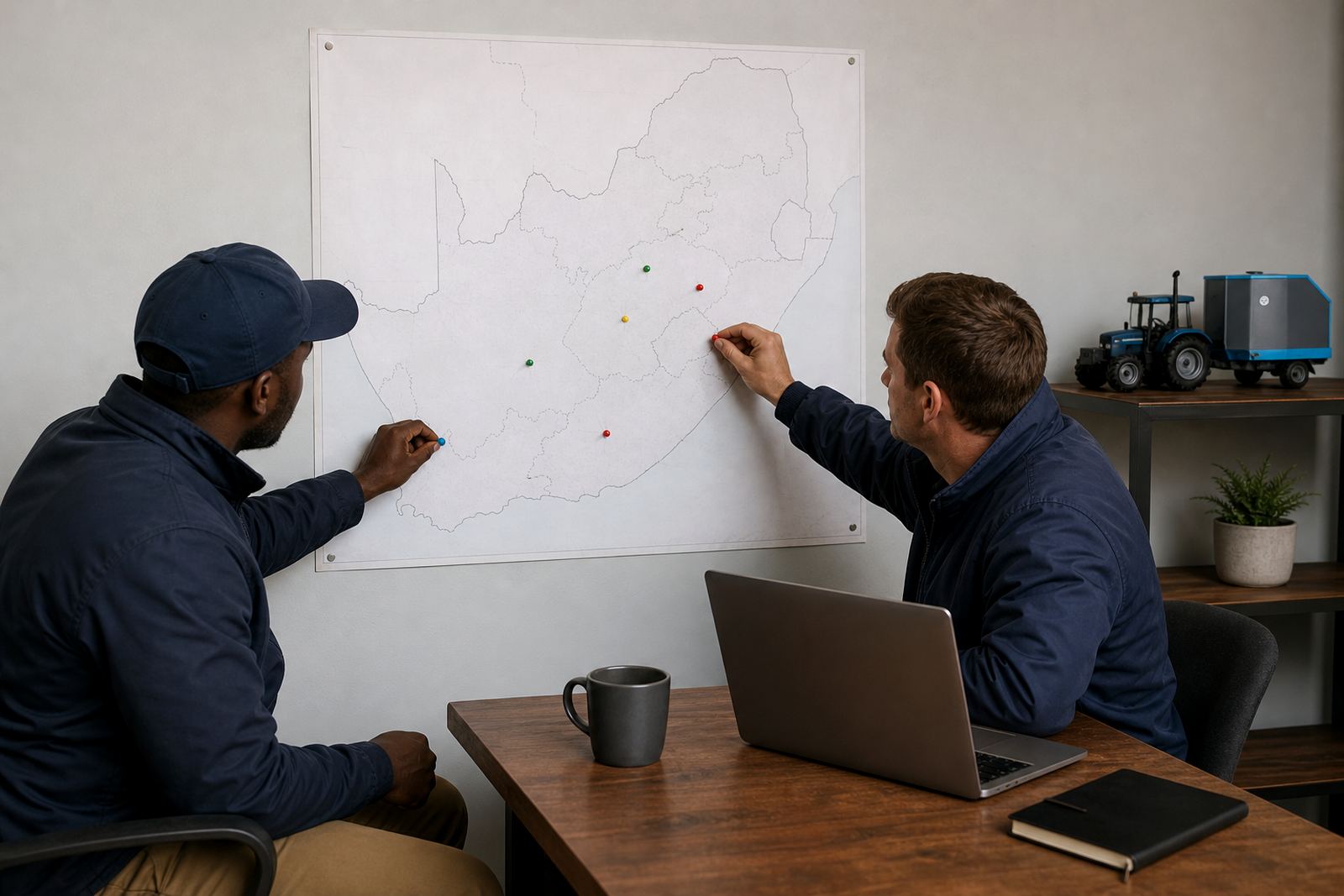
For growers managing several farms across the Western Cape or further afield, the check also helps sequence travel, operator time and field order. That matters when blocks are spread across towns such as Philippi, Ceres, Grabouw, Tzaneen, Bela-Bela, Nelspruit, Howick and Bethlehem.
- Block order for the day or week
- Operator assignment for each farm
- Travel and gate access planning
- Field speed expected from weed pressure
- Whether repeat pass planning is needed
What growers receive after the site visit
After the visit, the grower gets a clear field note with the important points from the block. That usually covers crop condition, weed stage, row clarity, access issues and any changes needed before work starts. If a block is ready, the note will show the planned sequence and the team needed on site.
If the field needs more time, the note explains what is holding it back in practical terms. That can be poor row visibility, soft ground, uneven emergence or weed growth that is still too small or too uneven for the planned pass. The point is to reduce guesswork before the tractor arrives.
- Block readiness summary
- Safety and access notes
- Field sequence notes for the season
- Any follow-up grower consultation points
- Optional post pass reporting structure
Pricing approach for arrival checks
Pricing is shaped by travel distance, block count, field complexity and whether the check is tied to a larger season booking or a one-off block. A single nearby farm in Philippi is not priced the same way as a multi farm programme across provinces. Where several blocks sit on one route, the visit may be bundled with field scheduling or trial strip runs.
The aim is to keep the pricing tied to the work needed on the ground, not to a fixed formula that ignores distance, crop stage or access. If a farm has different planting dates or mixed row conditions, that can change the amount of time spent on site and the planning that follows.
- Travel from the Philippi, Cape Town base
- Number of blocks or farms on the route
- Crop type and planting pattern
- Need for a second visit before work starts
- Link to season bookings or multi farm programmes
Aftercare that keeps the next pass practical
After the arrival check, our team can keep the follow-up practical by adjusting the field order, updating the grower brief and preparing the operator notes for the next visit. If the crop is not ready, the note helps avoid rushed decisions and keeps the block in line for the next workable window.
For farms that are already on a rolling plan, the site check fits into the wider programme with crop timing plans, operator supplied work, travel coordination and repeat pass planning. That way the next tractor entry is based on what was seen in the field, not on assumptions made from a map alone.
- Updated field notes for the operator
- Changes to block sequence where needed
- Support for repeat pass planning
- Link into season bookings and travel coordination
- Clear record for the grower liaison team
Key facts
| Service area | Philippi, Cape Town base with travel across South Africa |
|---|---|
| Crop types | Onions, carrots, lettuce, brassicas and similar row crops |
| Method | Field inspection before tractor-drawn laser weeding begins |
| Main checks | Safety, crop condition, row clarity, access and surface firmness |
| Outcome | A working note that supports scheduling and block readiness |
| Team | Operations, scheduling, operator and grower liaison support |