What the field assessment covers on the ground
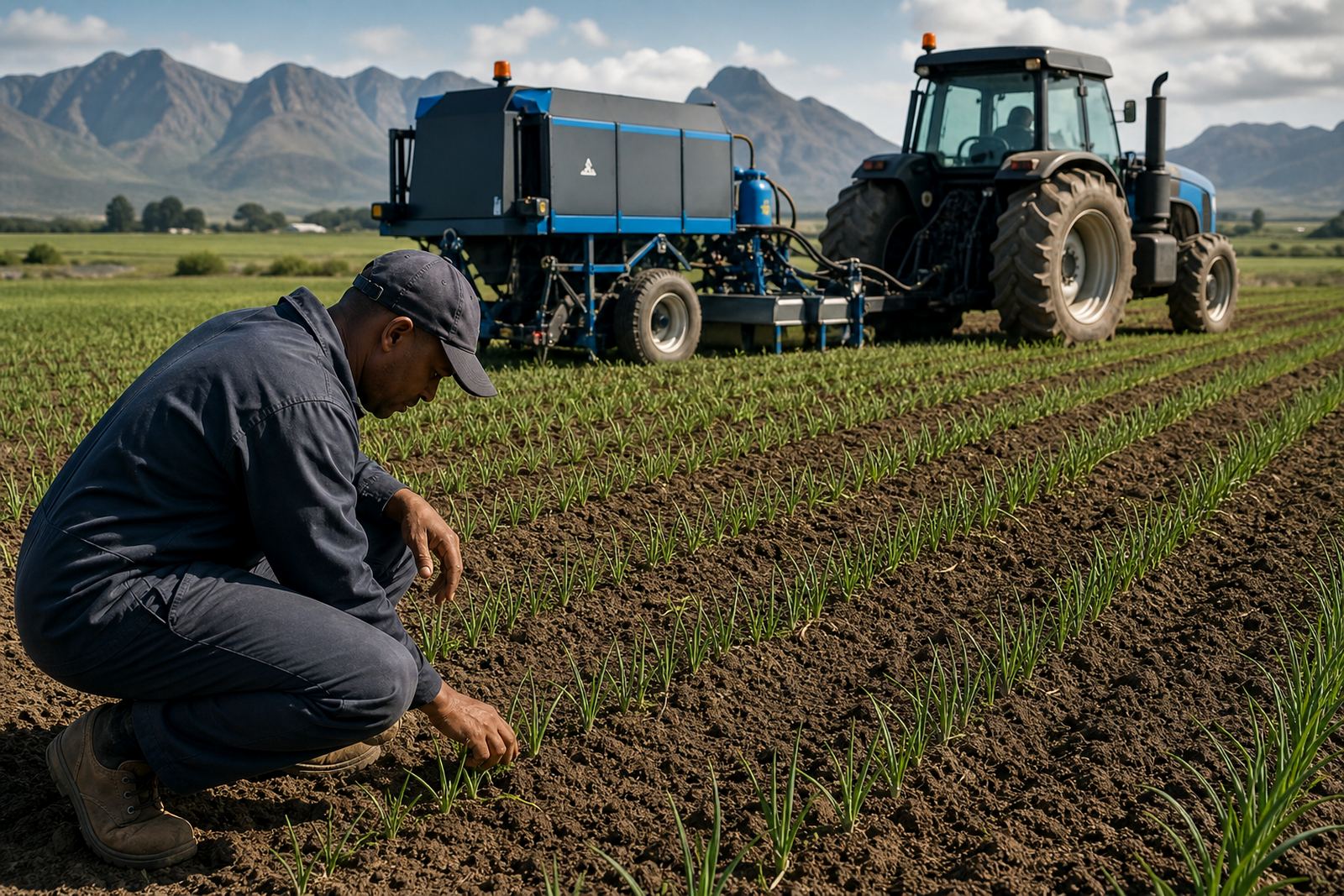
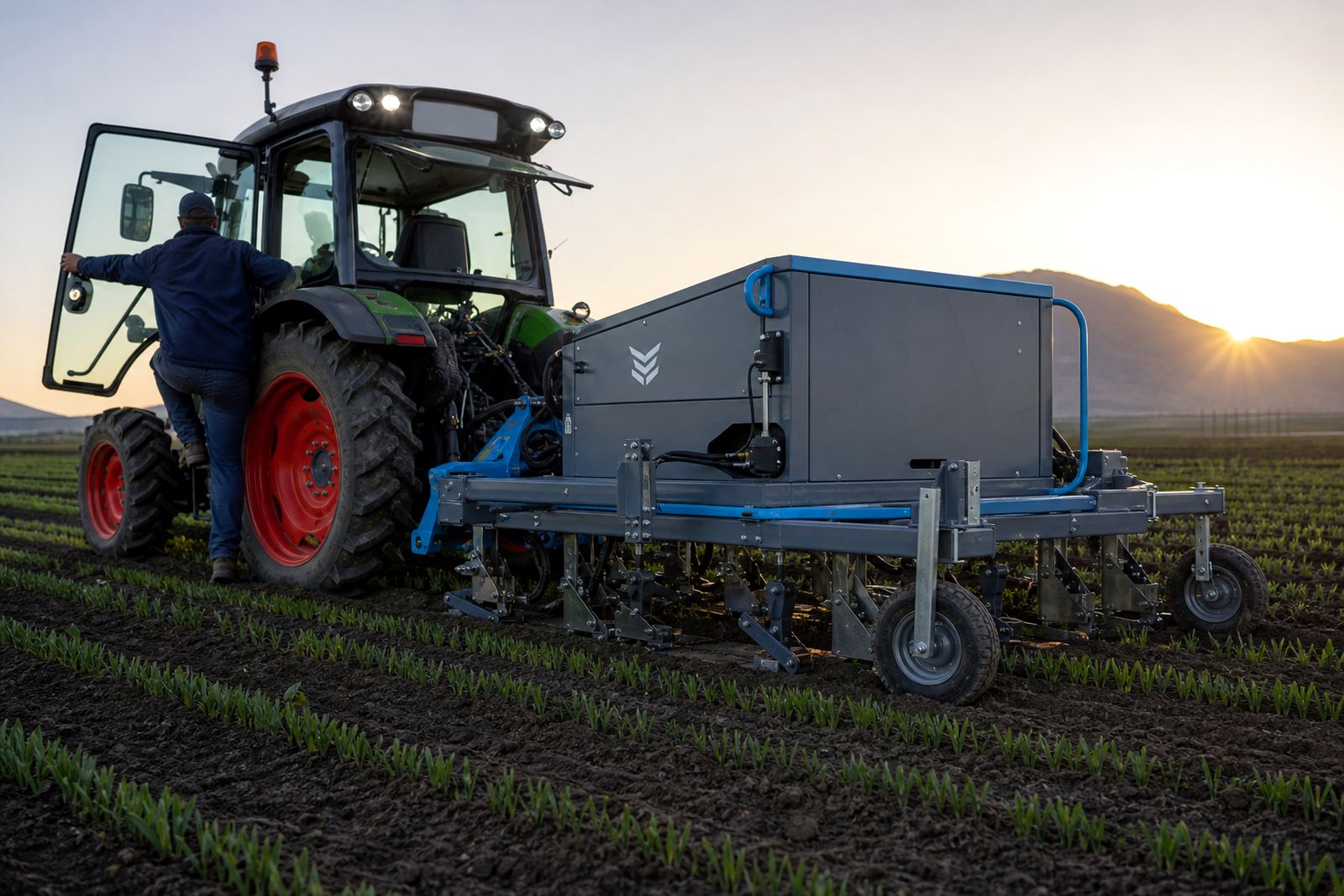
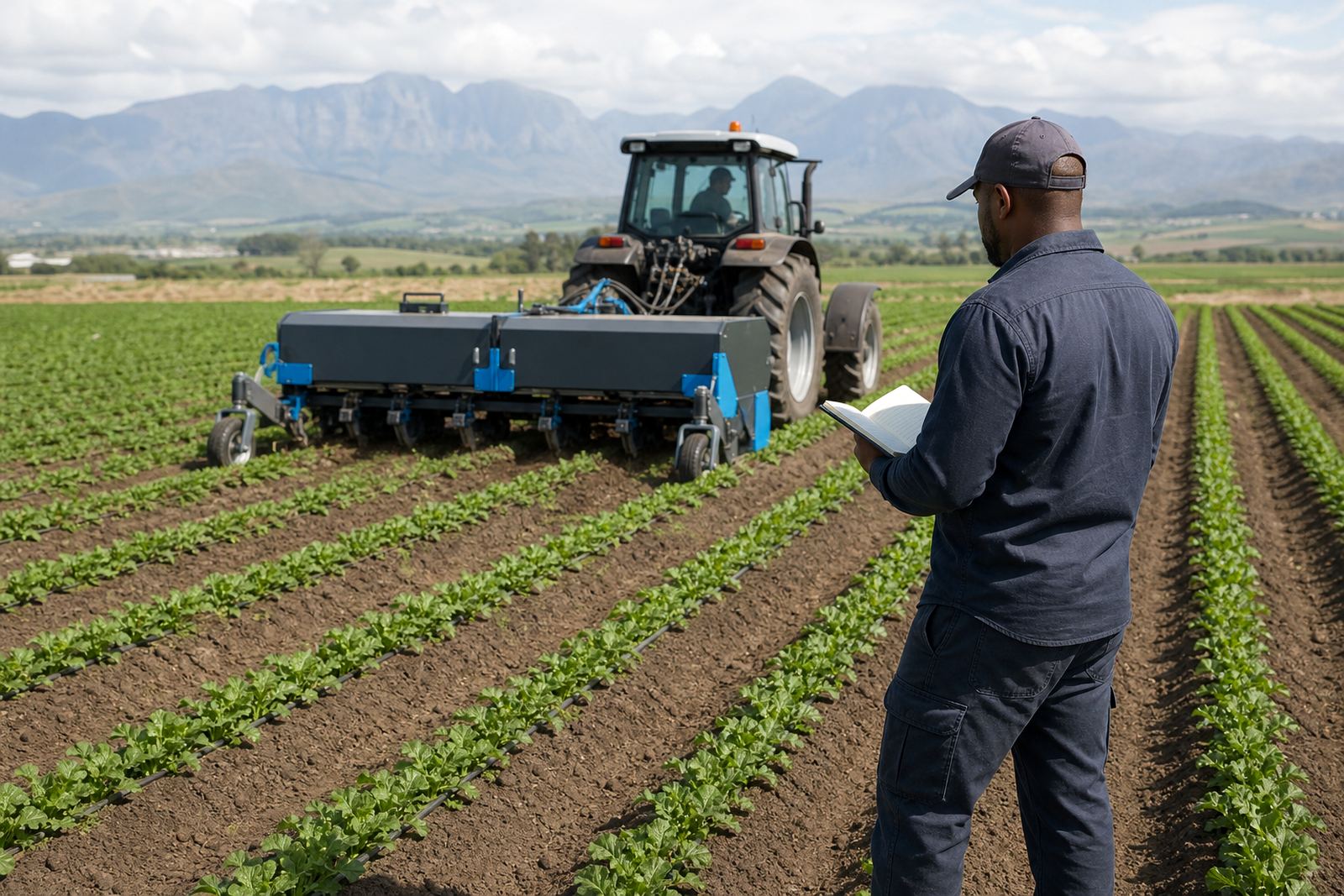
A field assessment is a pre-booking visit for growers who want a clear read on whether laser weeding will suit the block as it stands. We look at crop spacing, row definition, weed size, bed condition, irrigation lines, turning space and the route the tractor-drawn unit will follow through the field.
The check also looks at whether the weeds are at a stage where the laser can target the growing points with useful precision. Small weeds are easier to treat than overgrown flushes, and timing matters in mixed blocks where crop plants sit close to the row edge.
- Row crops only, with clear planting lines
- Weed stage assessed against crop growth stage
- Access checked for tractor entry and exit
- Headlands, gates and field edges noted
- Possible problem areas marked for later planning
What we look for before a tractor enters the block
The visit is practical. We walk the block, measure spacing where needed and note anything that may affect field speed or pass quality. Soft ground, uneven beds, tight corners, low branches and blocked headlands can all slow the work or make parts of a block less suitable on the day.
We also check whether the crop and weed mix suits a laser pass without soil disturbance. Because the unit works above the soil surface and targets weed growing points, the method is useful where growers want herbicide-free control and do not want cultivation between rows.
- Bed shape and row width
- Weed pressure by patch, not just by block
- Turning room for tractor and unit
- Waterlogged patches or loose sand
- Access for staff, equipment and follow-on checks
How the assessment is carried out
Most assessments begin with a short grower briefing, then a block walk with one of our field staff. If the block is spread across more than one piece of land, we can cover the areas in sequence and note which sections should be prioritised first. For larger farms, the assessment may feed into a season booking or a multi farm programme.
Our team records the crop type, row pattern, weed density and any limits on field speed. That helps with crop timing plans and with deciding whether a trial strip run makes sense before a wider programme is set in motion.
- Initial grower briefing on crop and block history
- On-site inspection of rows, edges and access points
- Notes on weed stage and likely pass timing
- Optional trial strip recommendation where useful
- Summary used for scheduling and operator planning
When the timing is right for the pass
Timing is a large part of the assessment. Laser weeding works best when weeds are visible enough for camera-guided detection, but still small enough for the beam to reach the growing point cleanly. If a crop is too far advanced, or a weed flush has gone beyond the useful stage, the assessment may point to a later pass or a different block first.
Field speed depends on weed pressure, row complexity and how clean the crop lines are. A block with tidy rows and light weed pressure can move differently from a field with heavier pressure, mixed germination or awkward access. That is why the assessment is not just a tick box, it shapes the working plan.
What is included in the assessment report
After the visit, we prepare field notes that can be used for scheduling, travel coordination and operator planning. The report is plain and practical, covering whether the block is suitable, what needs attention before a pass, and where trial strip runs may help confirm settings and timing.
For growers planning repeat passes, the report can also note the sequence of blocks and any access limits that should stay in mind across the season. If a field is not ready, that is stated clearly, with the reasons written against the crop and weed stage rather than in general terms.
- Suitability note for laser weeding
- Block-by-block access comments
- Crop timing and weed stage observations
- Flags for trial strips or follow-up passes
- Scheduling notes for later farm visits
Pricing approach for field assessments
Assessment pricing depends on distance from Philippi, the number of blocks involved, how much walking or measuring is needed and whether the visit links to wider field scheduling. Small farms and single blocks are priced differently from multi farm programmes where several areas are reviewed in one route.
Where a grower wants the assessment tied to an operator supplied booking, the visit can be folded into the wider service plan. That makes it easier to align travel coordination, field dates and post pass reporting without separating the work into disconnected steps.
We quote on the practical details of the farm, not on a standard size rule that ignores the block layout. A long narrow field with tight access can take more planning than a bigger open block, and the assessment reflects that.
Key facts
| Method | On-site field walk and block review |
|---|---|
| Crop types | Onions, carrots, lettuce, brassicas and similar row crops |
| Key checks | Rows, weed stage, access, turning space and field speed |
| Output | Suitability notes and scheduling guidance |
| Travel area | Philippi, Western Cape and selected farming regions across South Africa |
| Service format | Assessment only or linked to booking, scheduling and operator supply |