Booking the field around crop stage
Laser weeding works best when the crop row is ready for a clean pass and the weeds are still at a vulnerable stage. Our scheduling starts with the crop list, planting dates, block size and the weed pressure in each field, then we map where the unit should go first. That matters on onions, carrots, lettuce and brassicas, where early timing can make the pass more effective and late timing may slow the work.
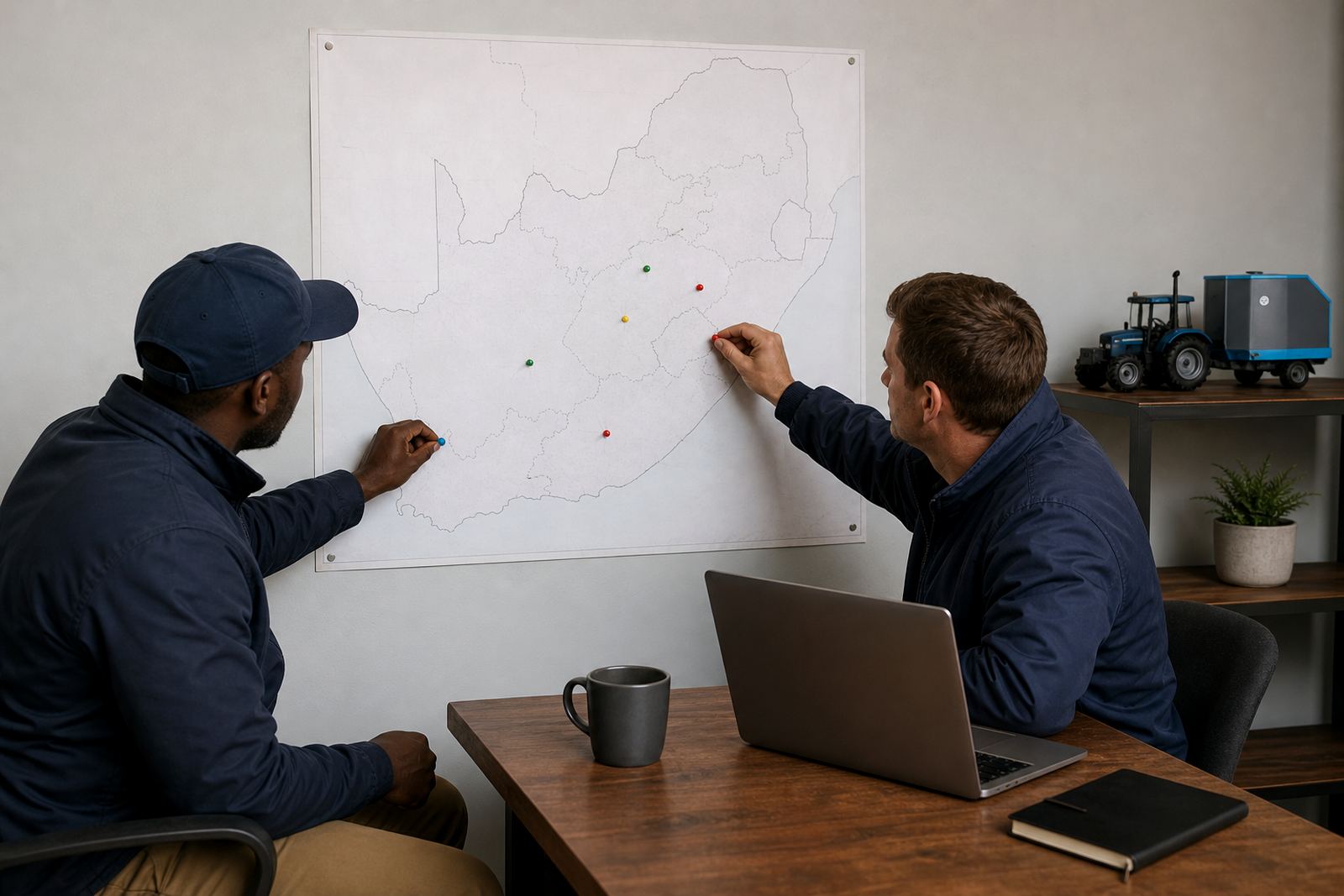
We schedule by field window rather than by a fixed date on a calendar. Weather, soil access and the order of blocks all shape the plan, and a farm in Ceres will not be handled the same way as a lettuce block near Grabouw or a mixed vegetable programme in Limpopo.
- Block-by-block scheduling for row crops
- Priority setting by weed stage and crop sensitivity
- Route planning for single farms and multi farm programmes
- Arrival site checks before the unit starts work
What our scheduling team puts in place
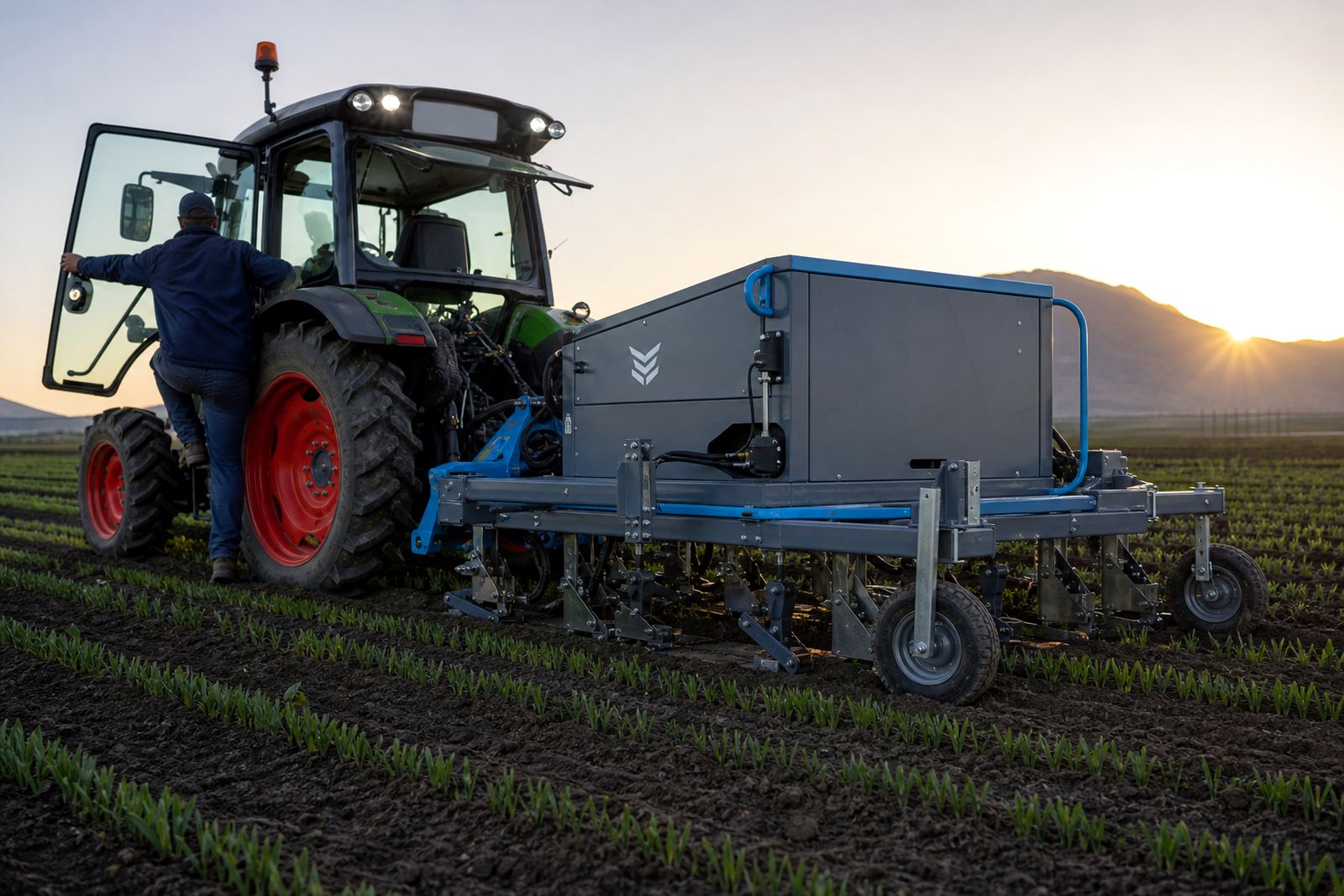
Our field scheduling lead works with the grower liaison and the operator team to line up travel, block order and the day’s working sequence. The aim is to keep the tractor-drawn laser unit moving through usable sections without wasting field time on turns, gaps or blocks that are not ready yet. That kind of planning helps when farms sit far apart, or when one region needs a shorter visit and another needs a longer block run.
We also plan for repeat pass work where a crop needs another visit after the first weed flush. That is common in vegetable systems where emergence is uneven, and it needs a clear note on crop timing, access roads, waterlogged edges and any narrow gate points.
- Travel coordination across Western Cape, Limpopo, Mpumalanga, KwaZulu-Natal and the Free State
- Operator supplied with the correct field notes
- Repeat pass planning for active weed flushes
- Post pass reporting for the grower and farm manager
How the process runs on the ground
We begin with a field assessment and a crop timing plan. After that, the blocks are ranked by readiness, and the day’s route is lined up around distance, access and the order in which the unit should work. If a trial strip run is needed, that is placed before the wider pass so the grower can see how the crop row, weed stage and machine movement fit together.
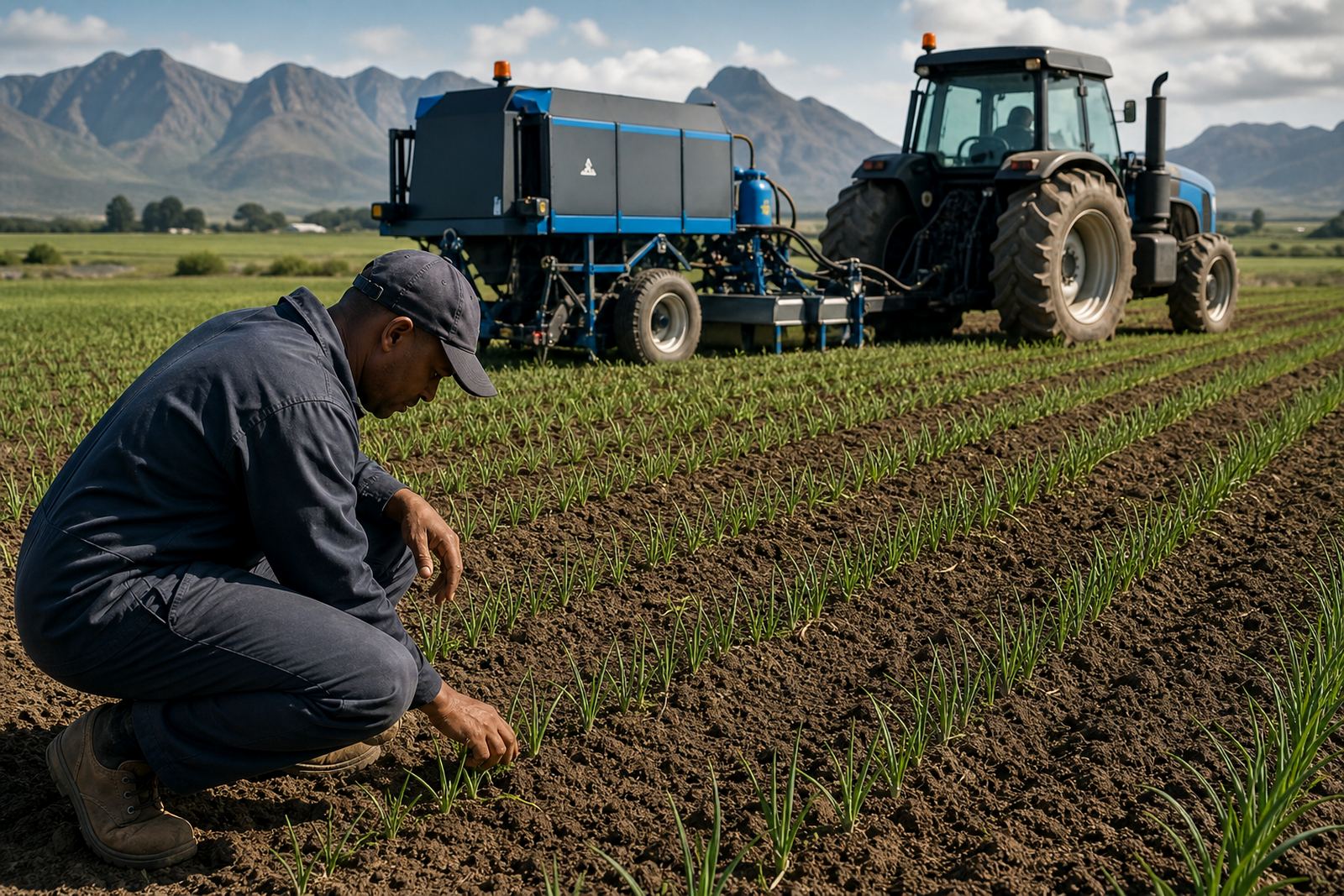
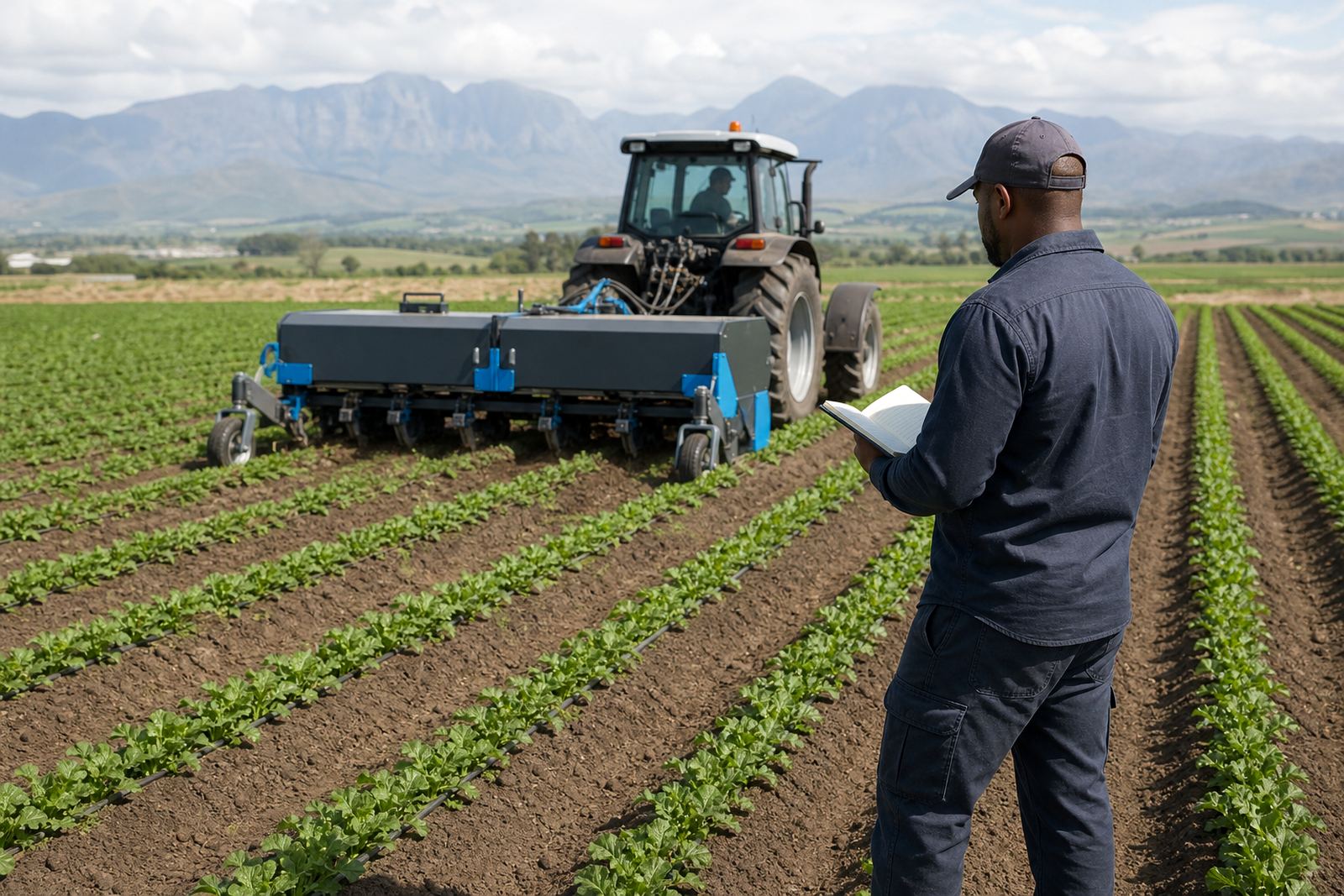
Once the unit arrives, the operator checks row spacing, crop height and the weed growth point. The laser targets the weed growing point while avoiding the crop, and there is no soil disturbance from the pass itself. Field speed depends on weed pressure and how much detail the operator needs at the row edge. Heavier patches take more care, while cleaner blocks can move more steadily.
- Field assessment and crop timing plan
- Trial strip runs where needed
- Arrival site checks before each block
- Post pass reporting after the work is complete
Timing notes for different vegetables
Different crops create different scheduling pressures. Lettuce often needs a tighter window because the crop can be small and close to the row edge. Carrots and onions need careful timing around early weed emergence, while brassicas may allow a slightly broader working window depending on spacing and growth stage. The important part is not just the crop type but how the weeds have emerged in that field.
Weed stage shapes the pass plan. Very small weeds can be handled differently from larger growth, and if the block has already pushed past the best timing the route may need to be adjusted. In warm coastal conditions around Philippi or inland heat in parts of Limpopo, growth can move faster than expected, so the schedule needs to stay practical rather than rigid.
- Onions and carrots need early, careful timing
- Lettuce blocks are checked closely for row clearance
- Brassica programmes may need staggered visits
- Weed stage guides field order and pass speed
Pricing shaped by distance and field time
Field scheduling is quoted as part of the wider service plan, not as a flat figure pulled out of nowhere. The price approach depends on travel distance, number of blocks, crop type, field access, tractor time and whether the work is a single visit or a season programme. A farm near Bela-Bela with a clear block order will usually be planned differently from a multi farm route across the Cape or a mixed schedule around Tzaneen and Nelspruit.
Where the programme includes several farms, we group the route to reduce empty travel and keep the working day focused on actual field area. That is often the cleanest way to manage scheduling costs without cutting corners on crop timing or operator attention.
- Single farm visits or multi farm programmes
- Route grouping where farms sit on the same corridor
- Pricing based on block count and travel distance
- Season bookings for repeat planning across the crop cycle
Aftercare after the unit leaves the block
After the pass, we share notes that help the grower plan the next field step. That can include weed pressure changes, row sections that need closer watch and whether a repeat pass should be placed earlier in the programme. If the crop is spreading fast or a new flush is showing, the next visit can be slotted into the field order before the window closes.
For growers managing several farms, aftercare also means keeping the schedule tidy across regions. One block in Howick may need a different route plan from a coastal vegetable block near Grabouw, and that detail matters when the same team is covering more than one site in a week.
- Post pass reporting for each block
- Notes for repeat pass planning
- Guidance on crop timing for the next visit
- Support for multi farm programmes and season bookings
Key facts
| Service area | Philippi, Cape Town base with field coverage across South Africa |
|---|---|
| Crop focus | Onions, carrots, lettuce and brassicas |
| Method | Camera-guided weed detection with lasers targeting weed growing points |
| Unit type | Tractor-drawn laser weeding units |
| Work style | Operator supplied, route planned, field based scheduling |
| Service outputs | Field assessments, crop timing plans, trial strip runs, post pass reporting |