Timing the pass to the crop, not the calendar
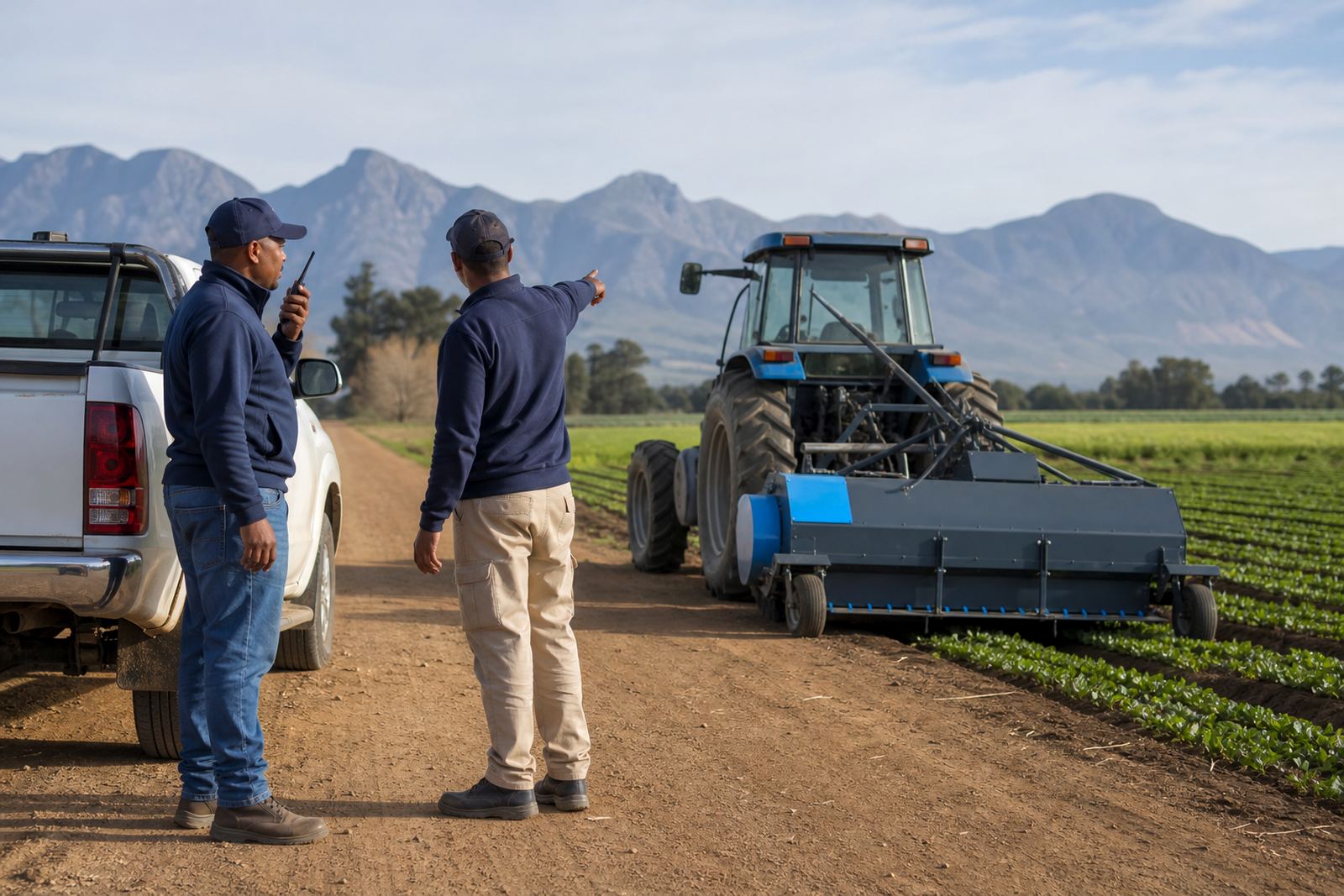
Our timing work starts with the crop stage in front of us, not a fixed date on a sheet. A young crop with narrow rows needs a different plan from a stronger stand that has already closed over, and the weed pressure in the inter-row area changes the way the operator sets up the job.
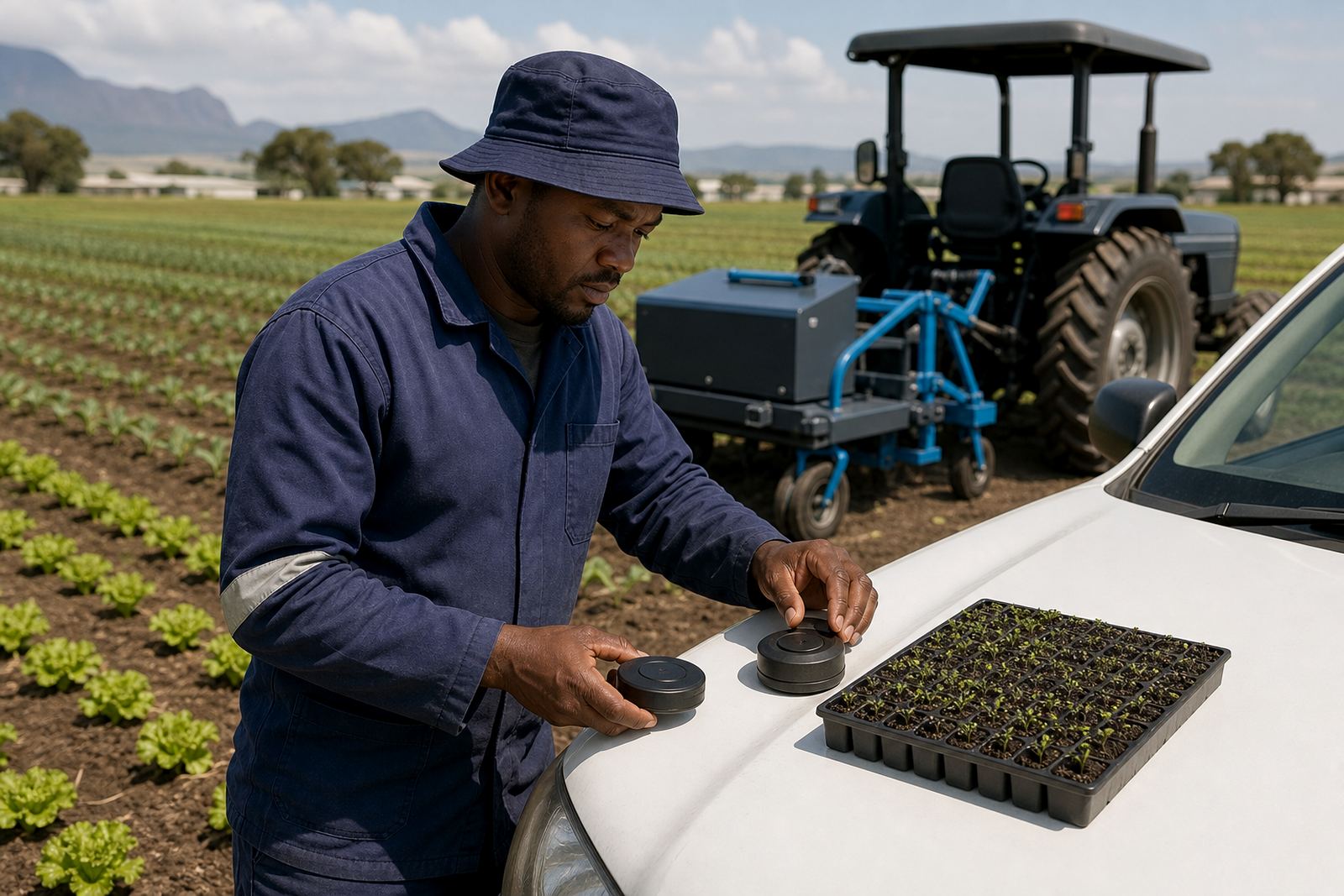
We look at emergence, plant size, row definition, and the stage of the first weed flush. That gives us a practical window for laser weeding, especially on onions, carrots, lettuce, and brassicas where early intervention matters. If the weeds are too small, the field can be ready very soon after scouting, but if the flush has already thickened we may recommend a different pass sequence.
What goes into a Crop Timing Plan
A proper timing plan is more than a date and a field name. It brings together crop stage, row width, weed pressure, access points, and the pace the unit can work at without rushing the job. We also consider whether the block is level, whether there are soft spots after irrigation, and whether the rows are easy to read under the light conditions in the field.
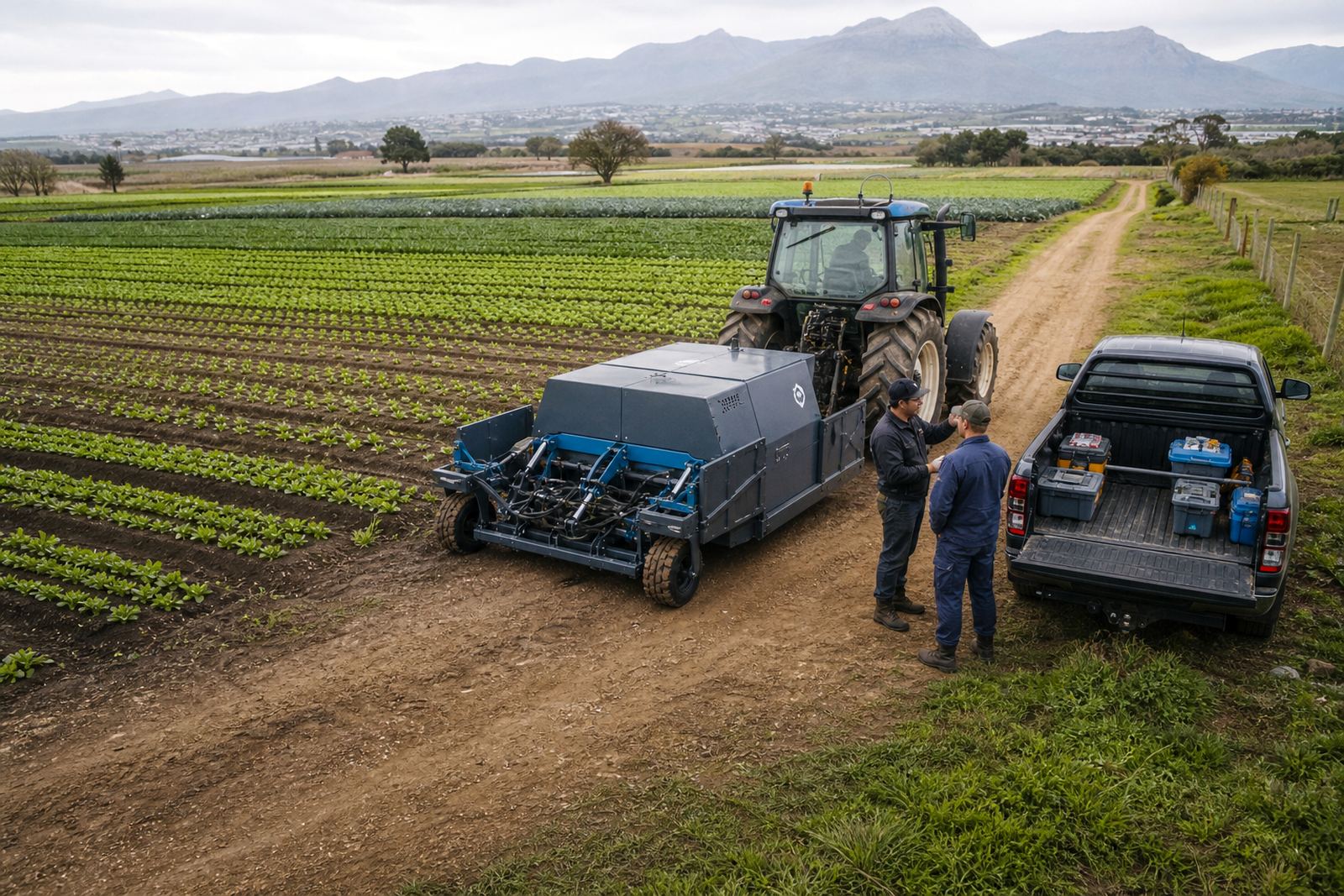
The plan helps us decide where a trial strip should sit, whether a repeat pass should be booked, and how to sequence multiple blocks on the same farm or across farms. For growers in Philippi and in other production areas, that kind of order avoids a lot of wasted movement with the tractor and operator.
- Crop stage and row visibility
- Weed flush timing and weed size
- Field entry points and turning space
- Block order for multi farm work
- Trial strip placement where needed
How the field is assessed before scheduling
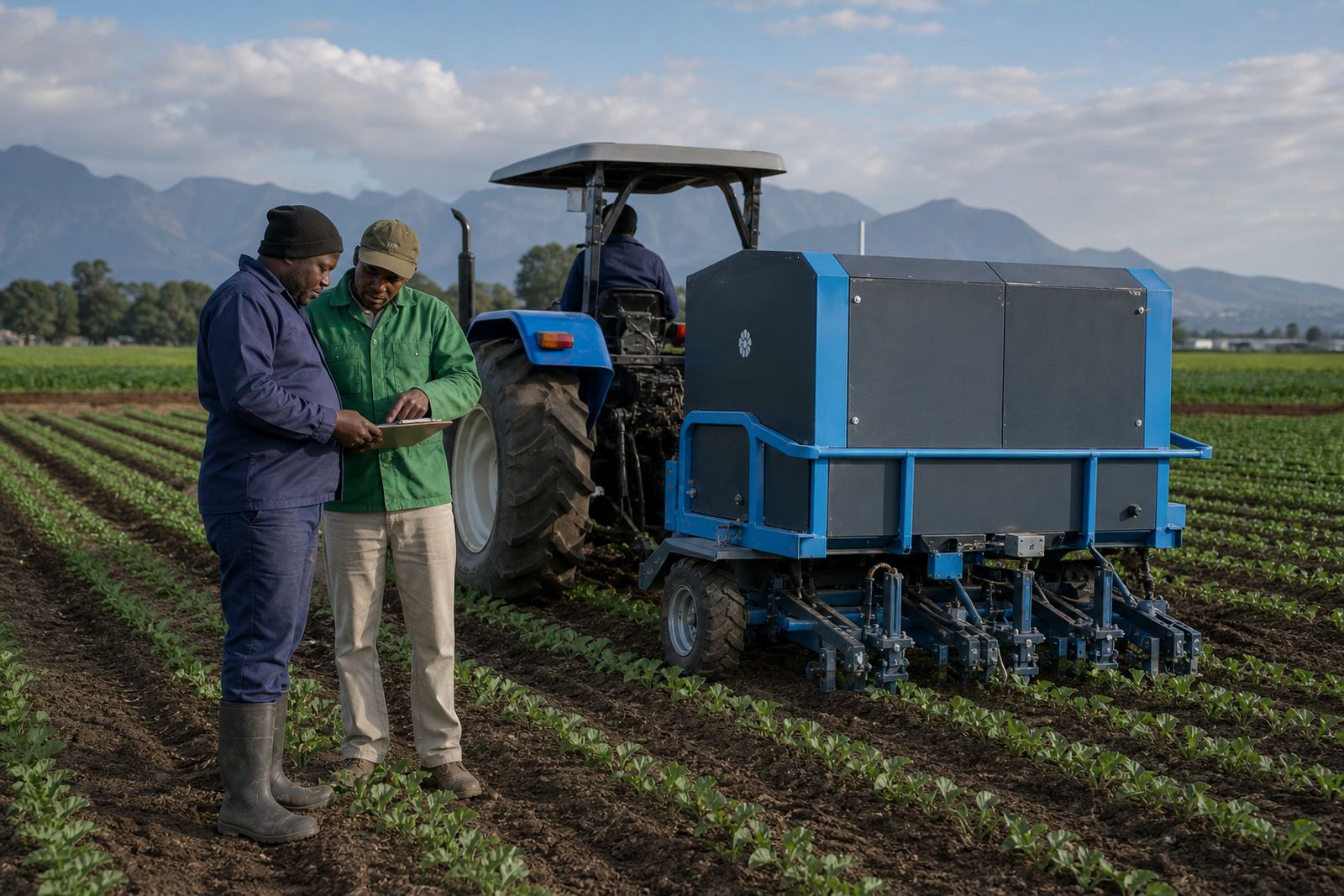
Field assessments support the timing plan with direct observations from the block. We walk the rows, note the weed mix, check how evenly the crop has come through, and confirm whether the field is at a stage where a laser pass makes sense. That is especially useful when a farm has several planting dates and the blocks are not all at the same growth stage.
Our operators use camera-guided weed detection and lasers aimed at the weed growing points, so crop timing matters. A pass works best when the crop is defined enough for the system to read the row and the weeds are still at the right stage for targeting. The method is herbicide-free and leaves the soil undisturbed, which matters on beds that are already settled and need a clean surface finish.
Steps from first look to field day
Our approach stays practical and fits your farm sequence. After the assessment, we set the expected working window, confirm the field order, and note any access or travel details that affect when the tractor-drawn unit can be on site. If the farm has several blocks, we can line up the passes so the youngest crop is not left waiting while a later block takes the slot.
The main steps usually run like this:
- Walk the crop and read the weed flush
- Check row spacing, access, and turning room
- Set the pass window and block order
- Arrange operator supply and travel coordination
- Confirm arrival site checks and reporting needs
That process is useful for growers in the Western Cape, Limpopo, Mpumalanga, KwaZulu-Natal, and the Free State where blocks can be spread over a wider area and timing needs to be tied to actual field condition, not guesswork.
What the service includes on a working farm
Crop Timing Plans can stand alone or sit inside a wider seasonal programme. Some farms need one block assessed before a pass, while others need timing across several plantings and repeat visits. We can build a pass sequence that fits the farm's row crops, labour plan, and field access pattern without forcing every block into the same rhythm.
Included services may cover grower consultation, trial strip runs, repeat pass planning, season bookings, post pass reporting, and field scheduling. For larger operations, multi farm programmes help line up travel and field order across different locations. The point is to keep the timing tied to crop stage and weed pressure, not to a generic calendar slot.
- Grower consultation on crop stage
- Trial strip runs where needed
- Repeat pass planning for follow-up work
- Season bookings for planned blocks
- Post pass reporting after the field day
Pricing approach and lead time planning
Pricing is shaped by the field layout, travel, crop stage, weed pressure, and how many blocks are included in the plan. A single field with easy access is priced differently from a multi farm programme that needs route coordination and several site checks. We keep the pricing approach tied to the work itself, with the timing plan helping to show where the labour, travel, and field time sit in the schedule.
Because weed stage affects how a field is set up, lead time planning is part of the job. A block that is read early may fit neatly into an available slot, while a later flush can need a different sequence or a repeat pass plan. We do not promise a fixed turnaround, but the timing plan helps the farm avoid awkward gaps between crop emergence and the right field window.
Aftercare after the pass is done
After the pass, we review the field notes with the grower and look at what the next block needs. Some crops will benefit from a follow-up plan if a later weed flush is expected, while others may only need reporting and the next scheduled check. The aim is to keep the crop timing aligned with what the field is doing, not with a rigid routine.
We also note where the operator saw heavier pressure, where the crop was less defined, and where the next field window may sit if more weed control is needed. That kind of reporting helps farms in coastal and inland areas alike, especially when humidity, irrigation patterns, and planting dates push fields through different growth stages at different speeds.
Key facts
| Service type | Contract crop timing planning for laser weeding |
|---|---|
| Crop focus | Vegetable row crops such as onions, carrots, lettuce and brassicas |
| Method | Camera-guided weed detection with lasers targeting weed growing points |
| Working format | Tractor-drawn unit with trained operator |
| Field outcome | Herbicide-free treatment with no soil disturbance |
| Coverage | Philippi, Cape Town and farms across South Africa |