What Gets Written Down Once The Unit Leaves The Block
After pass notes are a working record, not a glossy summary. They usually capture the crop block, date, operator, travel route, soil condition and the weed stage seen in the row and between plants. If the field had uneven emergence or damp patches, that goes in too because those conditions change how the next pass is planned.
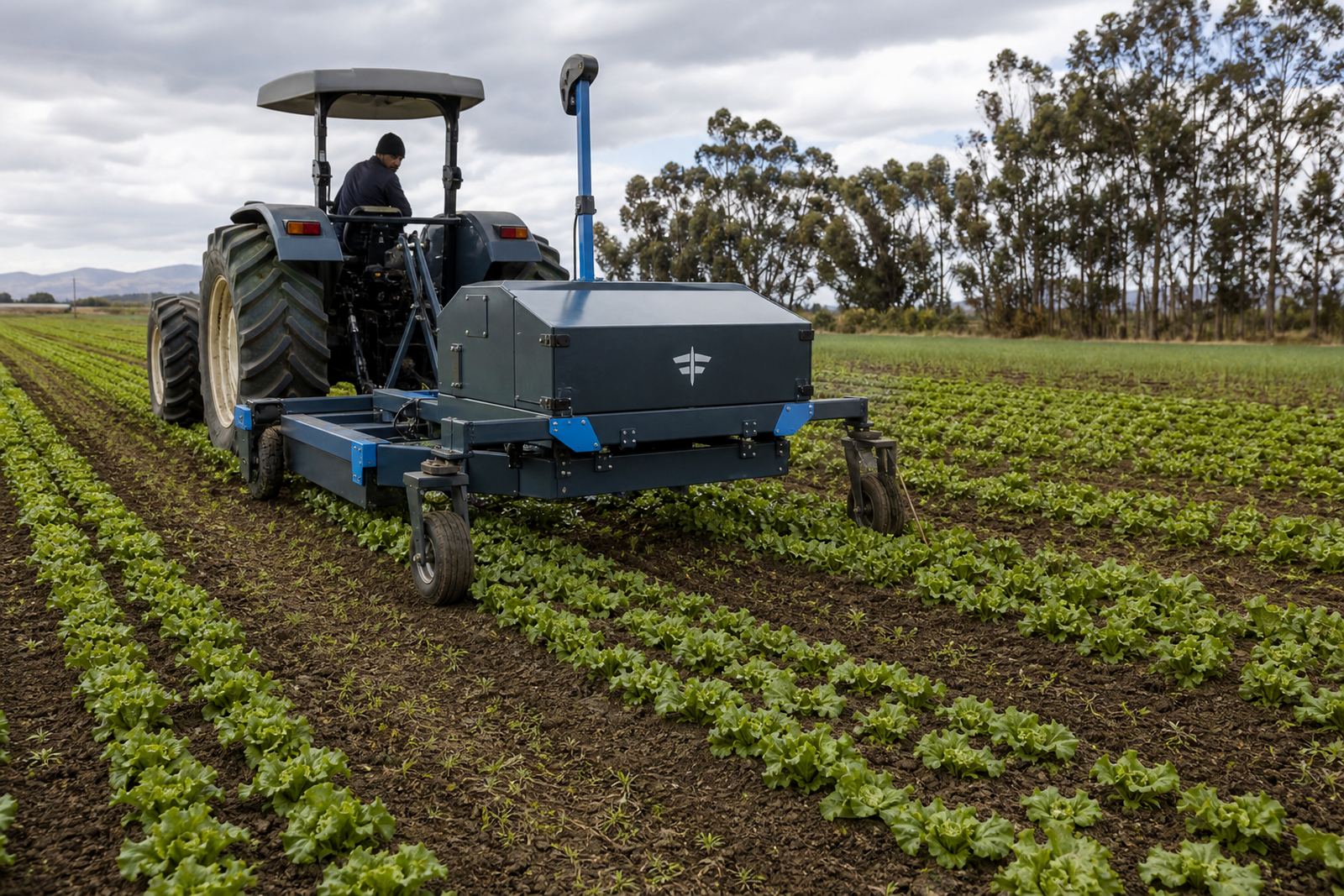
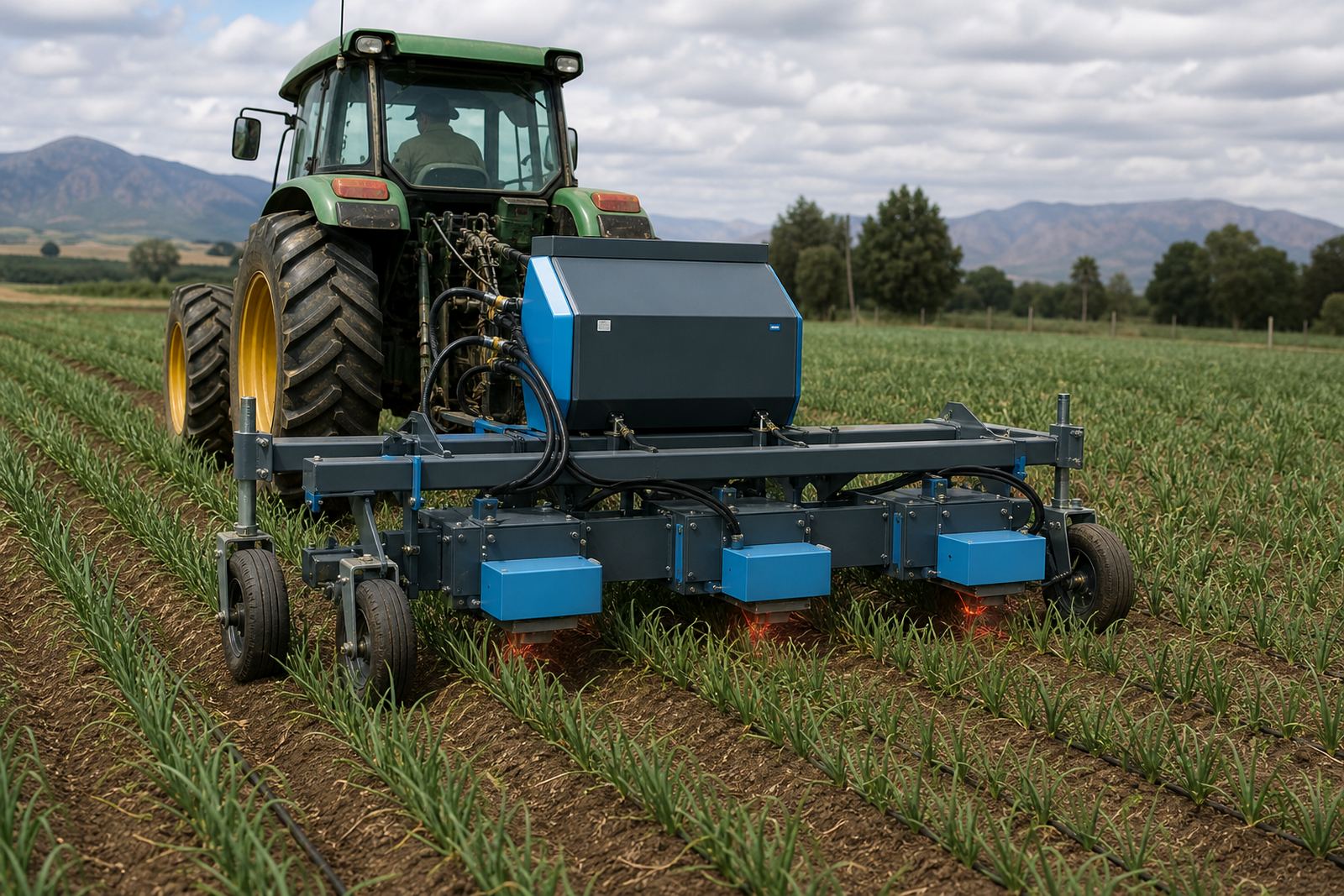
The notes also mention whether the crop row spacing, canopy cover and ground traffic allowed steady movement through the block. In leafy crops and shorter row crops, small differences in plant height can change where the laser head can work without risking the crop. Those details matter on onions, carrots, lettuce and brassicas, especially where weeds are already past the easiest stage.
The Field Clues That Matter Most After A Pass
Our team looks at the block with the next round in mind. A clean strip in one section and heavier weed pressure in another section can mean the follow-up should be split by zone rather than treated as one flat plan. That saves time in the field and keeps the schedule honest.
- Weed size and whether new flushes are starting
- Crop stage and how much leaf cover is present
- Missed patches near turns, headlands or wet ground
- Any plant stress, lodging or leaf damage seen during the run
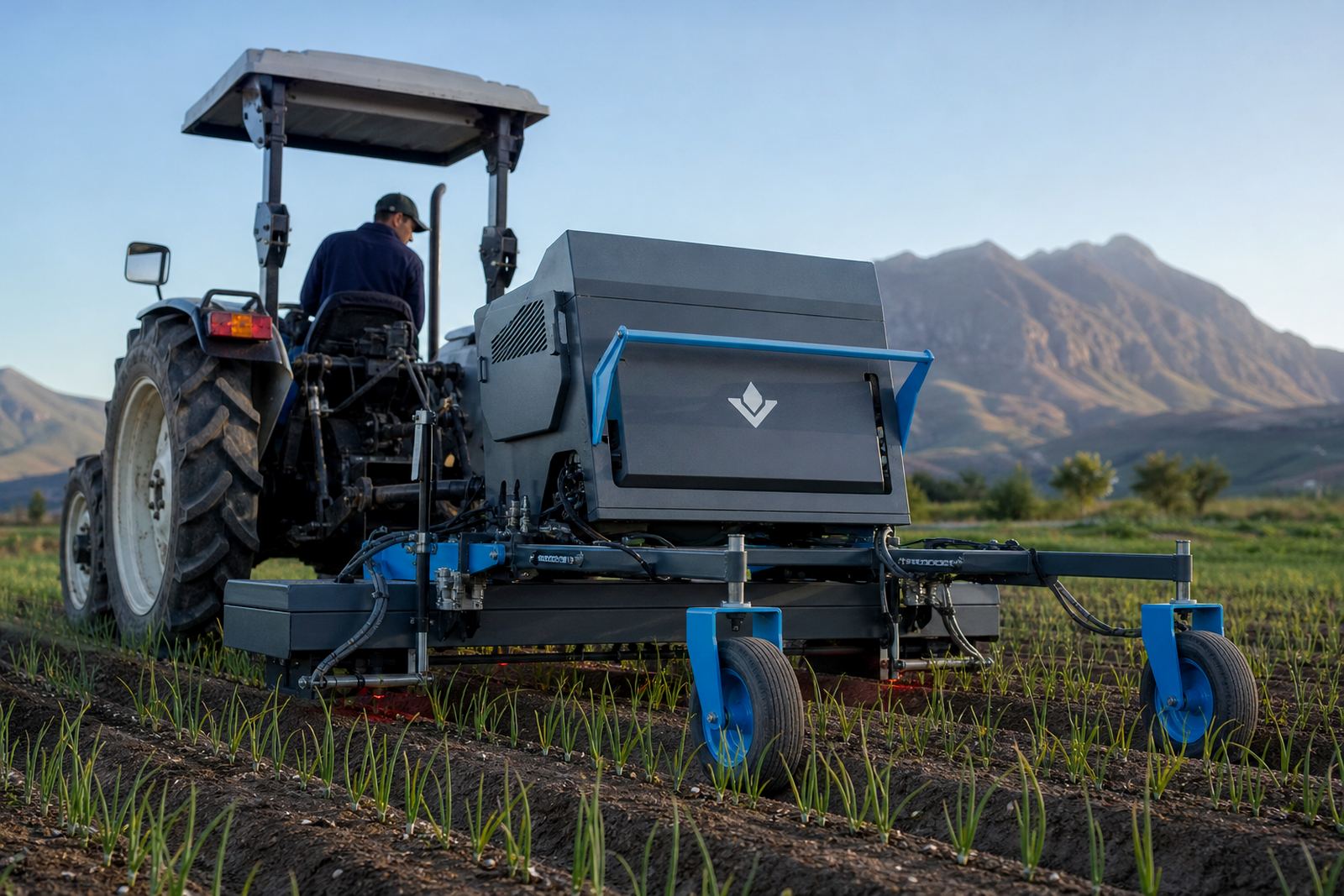
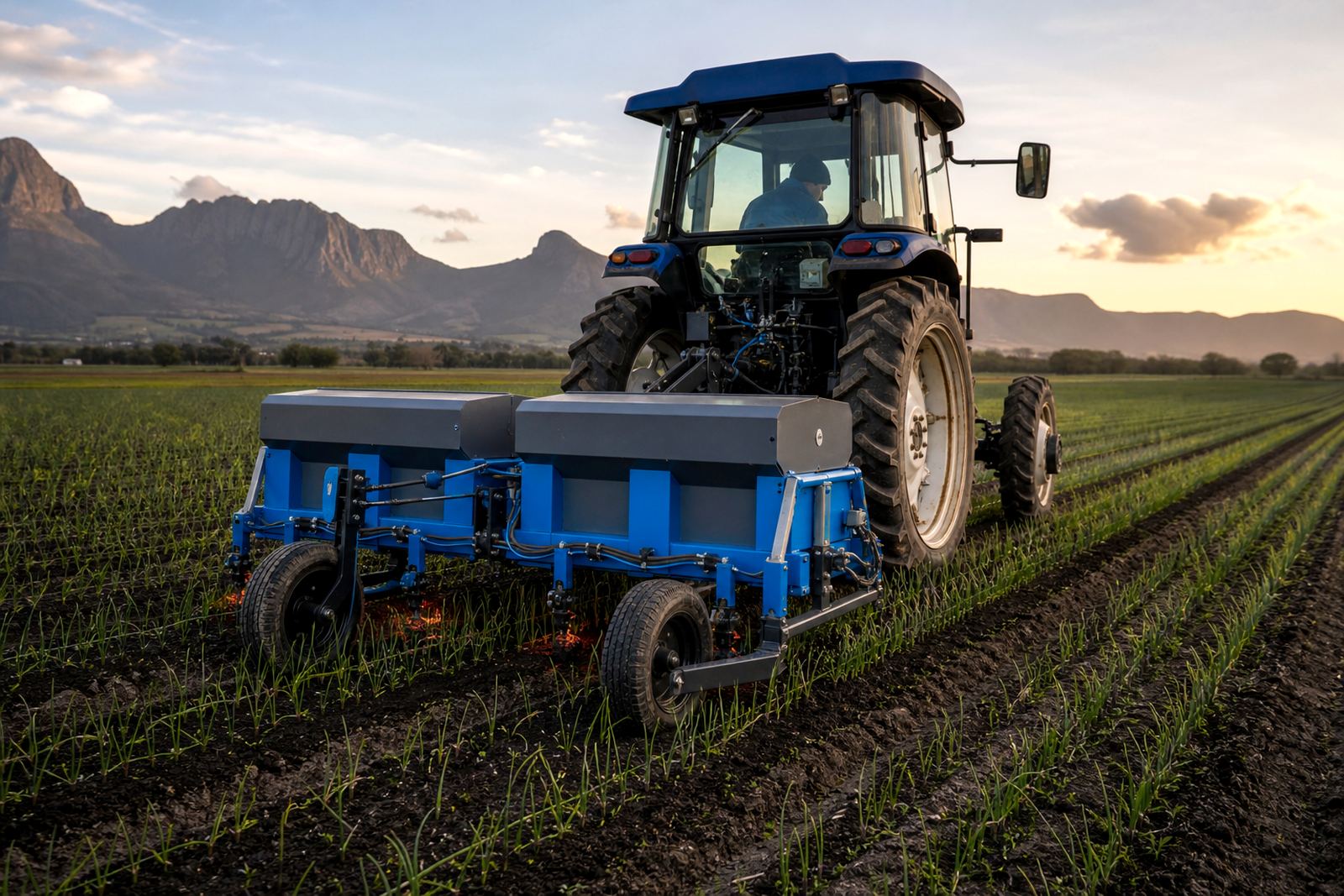
- Access limits, gate widths and turning space for the tractor-drawn unit
Where the weeds were still small, the note may point to a shorter gap before the next visit. Where weed pressure was high, the follow-up plan may shift to a tighter interval and a slower field speed if conditions allow it.
How Timing Notes Shape The Next Visit
Laser weeding works best when the weed is still at a vulnerable stage and before the crop canopy closes too much. After a pass, the timing note helps the grower see whether the next block can wait for another emergence flush or whether it should be set up for a repeat pass sooner. That is often the difference between a tidy row and a missed window.
The note can also record if the field needs a trial strip run before the full block is scheduled again. That helps with uneven soils, mixed weed pressure or a crop that has moved on faster than expected. In some cases the next pass is only practical after another crop check, because the field has changed enough to need a fresh read.
Practical Notes On Travel, Access And Operator Handover
When the crew moves between Philippi, Ceres, Grabouw, Tzaneen, Bela-Bela, Nelspruit, Howick and Bethlehem, the after pass notes keep the travel side tidy as well. They can include arrival site checks, wash-down requirements, fuel use, access rules and any local farm instructions that affected the day. Those small points save confusion when the next block is booked.
If a grower is managing several farms, the note may also list which block needs the next visit first and whether the operator supplied setup should stay the same. That is useful when the same crop is spread across different land, because one farm may have light weed pressure while another has a much heavier flush.
What A Grower Usually Sees In The Follow-Up Discussion
The follow-up talk is usually plain and specific. It covers what the unit handled well, where the crop was more exposed, and whether the next pass should be paired with another timing check or a wider field schedule. If there are changes in crop size or weed stage, those are flagged without dressing them up.
- Crop timing plan for the next block or repeat pass
- Whether the same operator setup should stay in place
- Any patchy zones that need a separate visit
- Field scheduling changes for weather or soil moisture
- Post pass reporting details for the grower file
That record helps the grower and our team stay on the same page without making promises the field cannot keep. A block can look manageable on paper and still need a different pace once the tractor-drawn laser unit is back in the rows.
When The Notes Lead To A New Booking
Some blocks only need a light review and a fresh date. Others need a full new booking with travel coordination, operator supply, field scheduling and a second look at weed pressure across multiple farms. The after pass notes make that call easier because they show what happened in the block, not just what was planned.
For growers using multi farm programmes, the note can also guide season bookings and repeat pass planning across different districts. It keeps the work practical and helps the next visit fit the crop rather than forcing the crop to fit the calendar.