Window planning that follows the crop, not the calendar
A season window booking is a forward plan for laser weeding dates across one planting cycle or several blocks in the same season. It is used where weed flushes are expected at more than one stage, and where the timing has to sit between irrigation, cultivation, picking crews and market dispatch. The plan is built around crop emergence, row spacing, weed stage and field access, not around fixed dates written far too early.
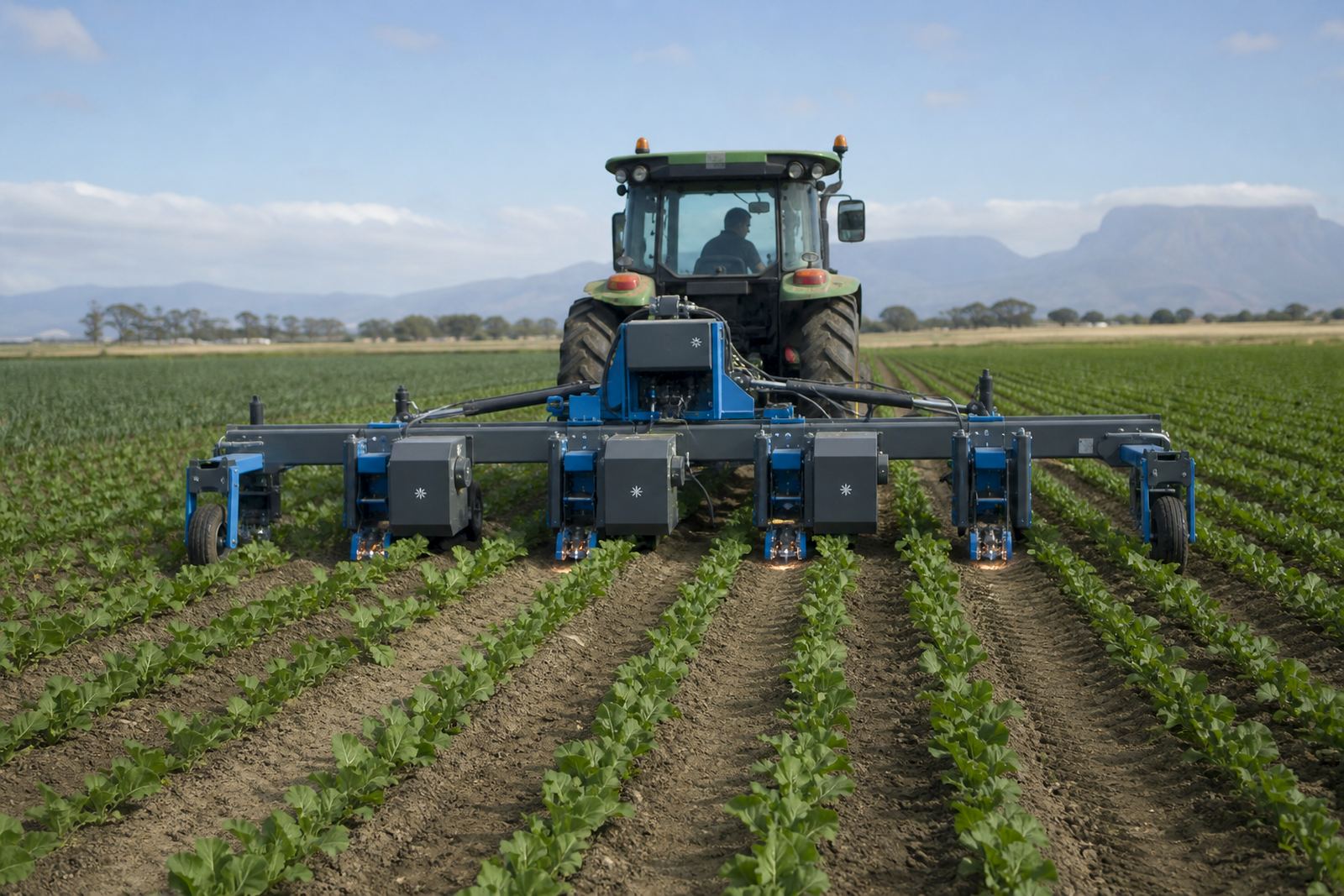
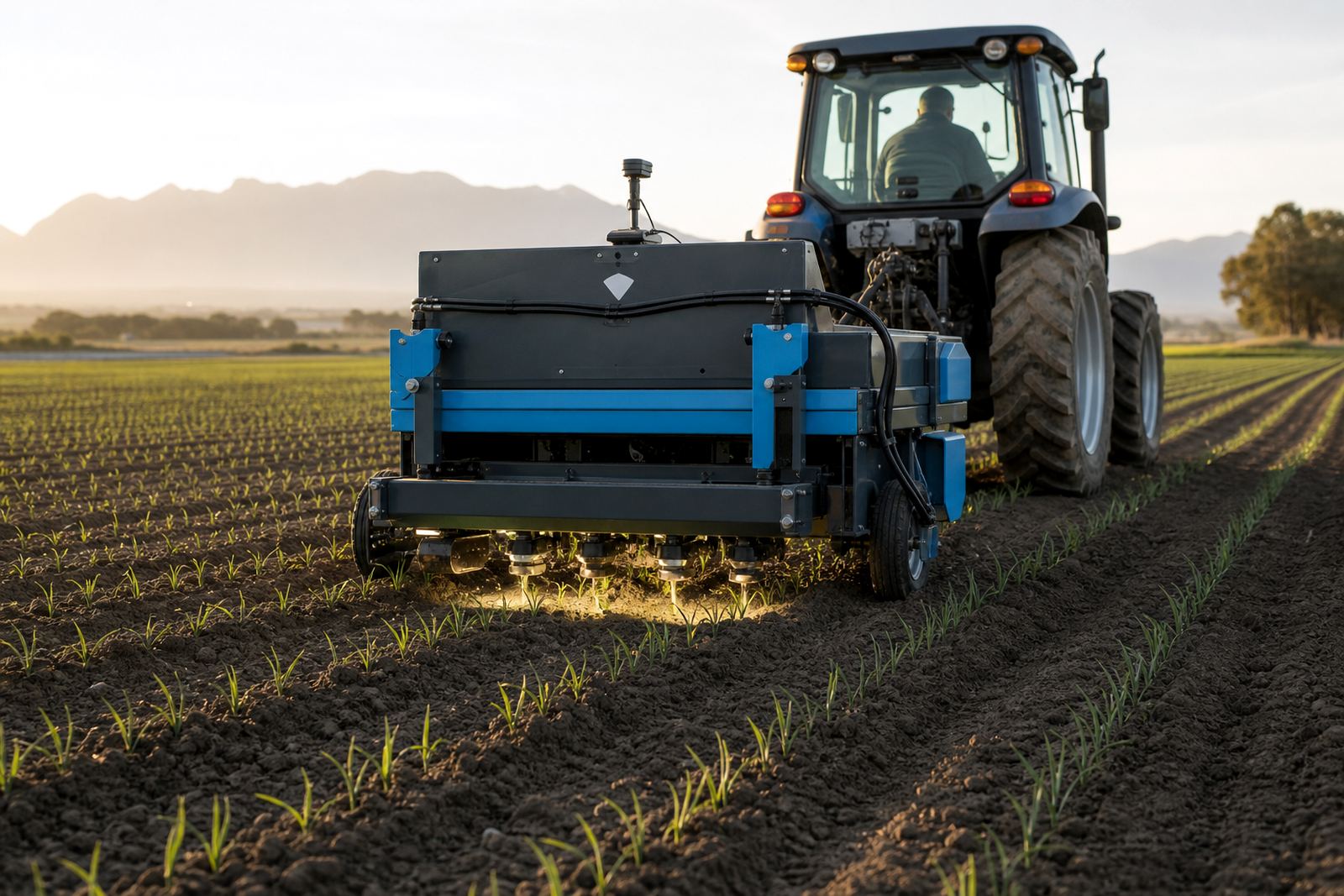
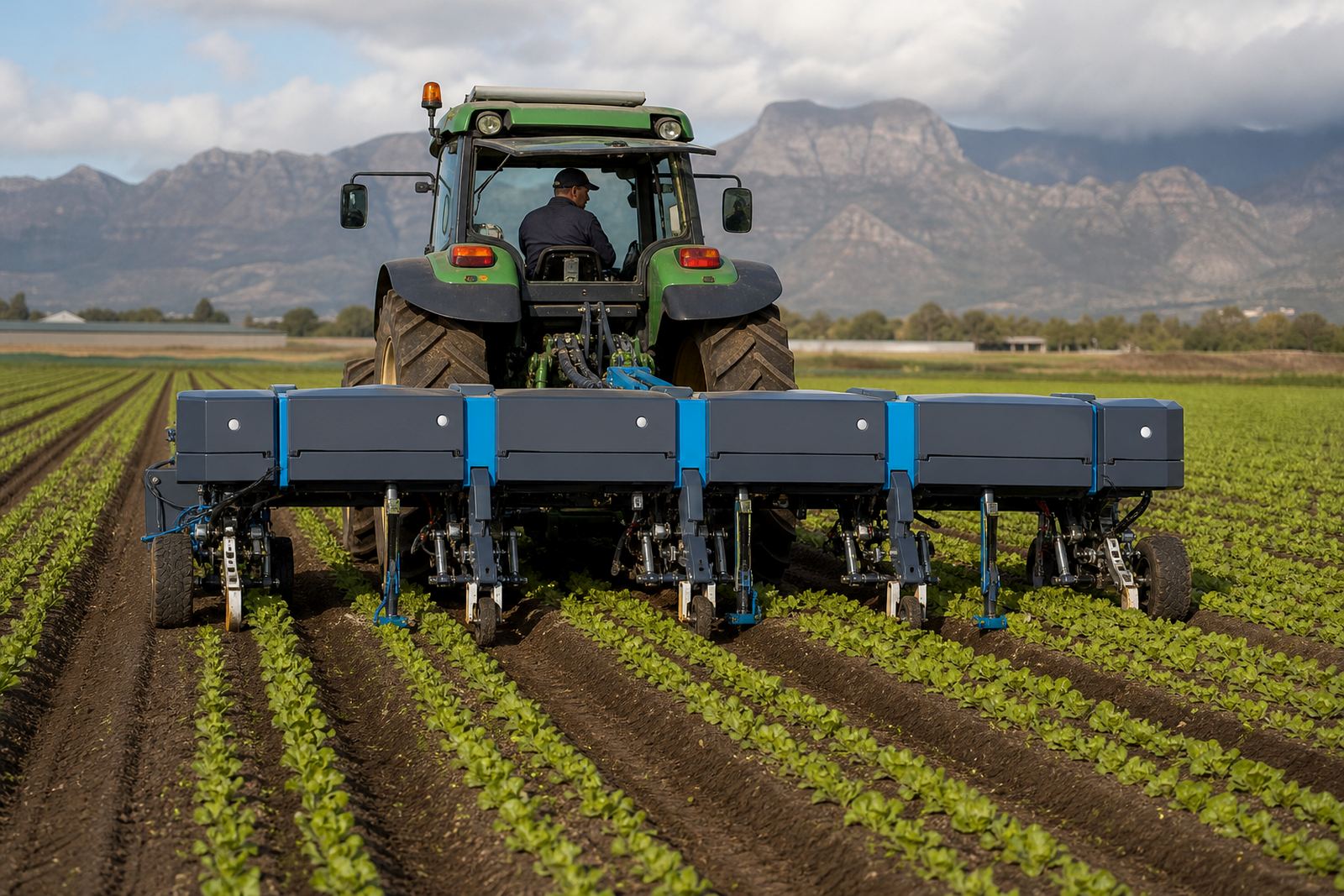
For vegetable farms in Philippi, Ceres, Grabouw, Tzaneen, Bela-Bela, Nelspruit, Howick and Bethlehem, the booking lets us hold operator time and field movement around the likely weed windows. The work is usually done with a tractor-drawn laser unit fitted with camera-guided weed detection, so the machine can target weeds growing between and around crop plants while leaving the soil surface undisturbed.
Booking options for one block or a full planting run
The structure can be kept tight for a single block, or spread across a wider programme for multiple fields. Some growers only need one pass set aside for a particular crop stage. Others want a full season schedule with room for trial strip runs, repeat pass planning and travel coordination between farms. The booking can be arranged for one farm, several blocks on the same farm, or a multi farm programme across a district.
- Single block booking for one crop and one likely weeding window
- Two pass or repeat pass planning where weed flushes are staggered
- Multi block schedules for rotational planting across the season
- Multi farm programmes where the same operator team moves between sites
- Trial strip runs before the main pass on newer crop stages
That gives growers a way to keep the schedule orderly when planting dates move a little, or when rain and field access push the work around. The booking remains tied to the actual crop stage in the field, because laser weeding is most useful when weeds are small and the rows are defined enough for guided targeting.
Where the window suits the work best
Season window booking suits row crops where the laser unit can travel down the bed or row system and the crop is already established enough for detection to read the weed gaps clearly. It is commonly planned for onions, carrots, lettuce and brassicas, with the same general method adapted to other vegetable blocks where row layout and spacing are suitable.
The best timing depends on the weed stage. Smaller weeds are easier to target, while larger weeds may need a different pass pattern or a shorter field speed. Heavy weed pressure, wet ground and uneven emergence can all change how the day is set up. In practical terms, the field plan needs to account for crop size, the weed flush after irrigation or rain, and how much ground must be covered before conditions change again.
For coastal and inland farms alike, the aim is to fit the laser work into a period when the soil is steady enough for tractor movement and the row pattern is easy to read. No soil disturbance is built into the process, which helps where beds have already been formed and the grower wants to keep the surface intact.
Field setup, operator cover and timing details
The booking normally includes the operator side of the job, with the machine and trained field crew scheduled to the farm. A tractor-drawn laser unit needs enough turning space at headlands, clear access between blocks, and a route that fits the travel plan if more than one site is on the run. If farms are split across a district, travel coordination matters just as much as the pass itself.
Arrival site checks are part of the practical setup. These cover row direction, block entry points, irrigation fittings that sit close to the working line, and any areas where the crop stand is thin or uneven. Field scheduling then sets the work around the crop timing plan, so the booking matches the stage the weeds are in when the unit arrives. That is often the difference between a sensible pass and a rushed one.
- Clear row spacing and access for tractor movement
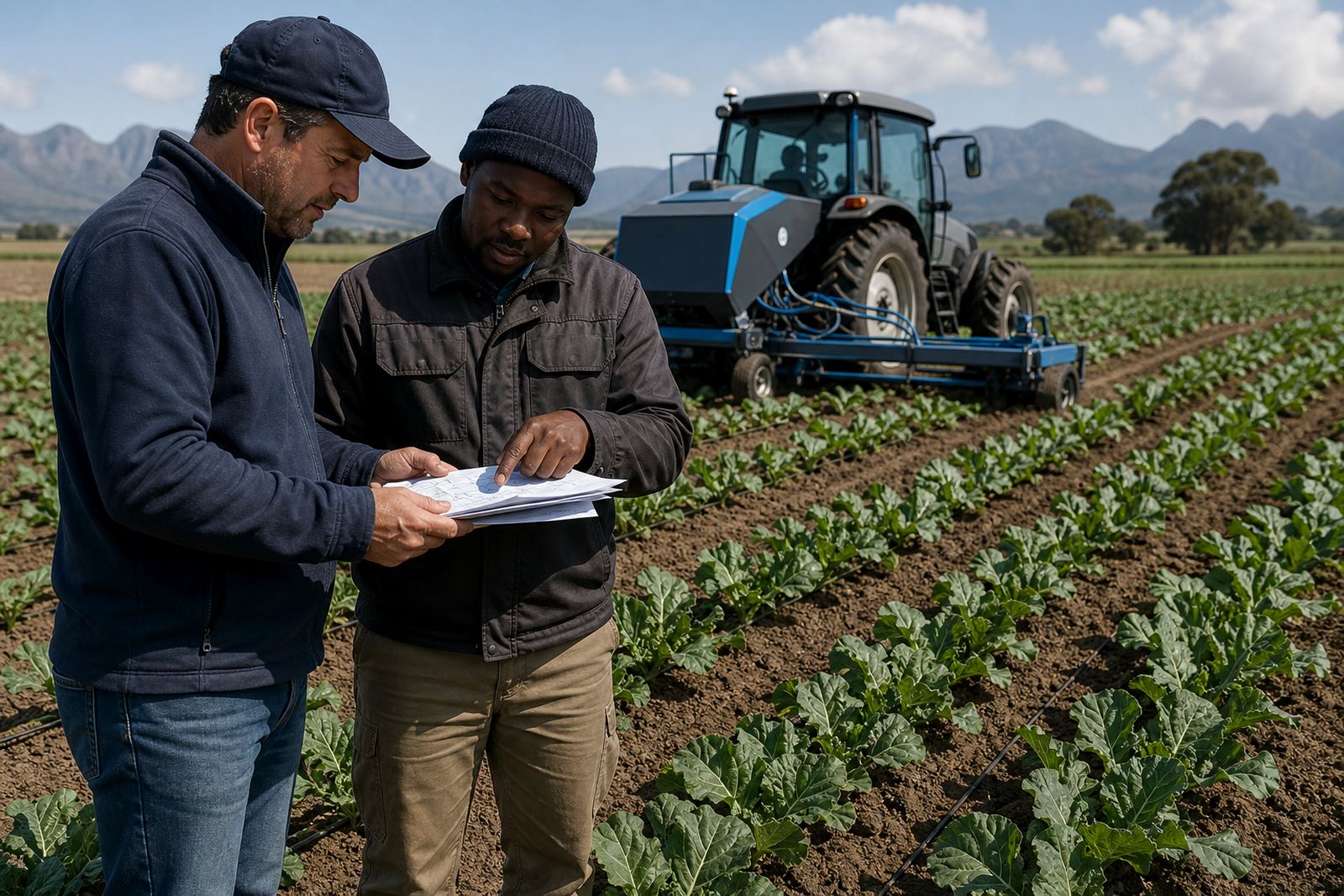
- Block map or rough field sketch with crop layout
- Planting date and expected weed flush timing
- Any soft patches, turns or wet corners in the field
- Contact person on the farm for site checks and movement on arrival
Care during the season and after each pass
Season window booking is not just about reserving a date. It is also about keeping the work lined up as the crop grows. After a first pass, the crop stage and weed pressure may shift enough to call for a second booking window. In some blocks the next pass is best held as a repeat pass plan, while other fields only need a single pass and a post pass report for the grower’s records.
The care side is straightforward. Keep the booked field open for the agreed movement path, avoid unnecessary traffic on soft ground, and note any crop changes that affect row visibility. If the weather moves the field condition more than expected, the schedule can be adjusted to keep the work practical for the crop stage. The service team at our Philippi, Cape Town base manages grower consultation, travel coordination and field scheduling so the season plan stays readable on paper and in the field.
Where a farm runs several blocks at once, a multi farm programme can reduce stop-start movement and keep the operator route sensible across the district. That is useful in places like Grabouw, Ceres and the northern highveld where blocks may sit far apart and each one reaches the right stage on a slightly different week.
Details to confirm before the booking is fixed
Before a season window is locked in, the main things to confirm are crop type, planting window, expected row width, block size, and the likely weed stage when the first pass should land. It also helps to note whether the farm wants one pass, repeat pass planning, or a trial strip run first. Those details let us place the right tractor-drawn unit and operator team on the right block.
It is also useful to confirm farm location, access roads, gate control and the order in which the fields should be worked. On larger farms, the timing of irrigation, labour crews and harvesting can affect the day’s route. For growers in the Western Cape, Limpopo, Mpumalanga, KwaZulu-Natal and the Free State, that route planning keeps the season booking tied to the actual production rhythm rather than a loose date on a page.
Bookings are handled through our contact form on the contact page, with the farm details, crop stage and field list included in the note. That gives the scheduling team a solid starting point for season planning, operator cover and site movement across the booked window.
Key facts
| Booking format | Single block, multi block or multi farm seasonal plan |
|---|---|
| Work method | Tractor-drawn laser unit with camera-guided weed detection |
| Crop fit | Row crops such as onions, carrots, lettuce and brassicas |
| Timing basis | Crop stage, weed stage, field access and weathered ground condition |
| Service area | Philippi, Cape Town plus farms across South Africa |
| Planning features | Field assessments, crop timing plans, trial strip runs and repeat pass planning |